
Kilimanjaro 7-Day Lemosho Route: Summit Uhuru Peak


Seven Days to 5,895 Meters: The Lemosho Route's Quieter Path Up Kilimanjaro
You hike seven days on Kilimanjaro's quietest scenic route, starting in rainforest and circling the mountain through moorland and alpine desert to reach Uhuru Peak at 5,895 meters. The route includes built-in acclimatization days, a midnight summit push, and a descent that same day. Hotel pickup, all gear, meals, guides, and park fees are included; you return to Moshi with a certificate and two nights of hotel rest before and after the climb.
 7d
7d

Step-by-step itinerary
Day 1 — Lemosho Gate to Big Tree Camp
- Breakfast at hotel
- Transfer to Lemosho Gate
- Complete pre-hike formalities
- Hike through Lemosho forest
- Arrive at Big Tree Camp
- Overnight at Big Tree campsite
Day 2 — Big Tree Camp to Shira 2 Camp
- Hike across moorland plateau
- Reach Shira 1 Camp
- Short break at Shira 1 Camp
- Continue to Shira 2 Camp
- Observe Northern Ice fields
- Overnight at Shira 2 campsite
Day 3 — Shira 2 Camp to Baranco Camp
- Hike to Lava Tower (4600 m)
- Descend to Baranco Camp
- Enjoy sunset at Baranco Camp
- Overnight at Baranco campsite
Day 4 — Barranco Camp to Karanga Camp
- Climb Barranco Wall
- Pass Heim and Kersten glaciers
- Descend to Karanga Valley
- Lunch at Karanga Camp
- Optional afternoon acclimatization hike
- Overnight at Karanga campsite
Day 5 — Karanga Camp to Barafu Camp
- Hike to Barafu Camp
- Lunch at Barafu Camp
- Rest in tent afternoon
- Early dinner
- Prepare for summit climb
- Overnight at Barafu campsite
Day 6 — Barafu Camp to Uhuru Peak and Millennium Camp
- Wake at midnight for tea and breakfast
- Climb to Stella Point
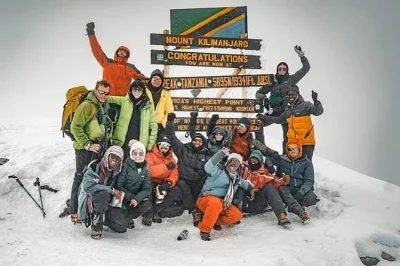
- Reach Uhuru Peak
- Take summit photos
- Descend to Barafu Camp for lunch
- Descend to Millennium Camp
- Dinner and rest at Millennium Camp
Day 7 — Millennium Camp to Mweka Gate
- Breakfast at Millennium Camp
- Descend to Mweka Gate
- Collect certificates
- Enjoy cold beverage
- Transfer to hotel
- Celebrate and shower

The Experience
Yeah, so the Lemosho route circles the mountain from the west instead of charging straight up like some of the busier trails do. You start at Lemosho Gate on the western side at 2,360 meters, and the first day is a gentle 7-kilometer walk through rainforest to Big Tree Camp — nothing steep, just forest and the sound of guides moving gear ahead of you. By day two you're crossing the Shira Plateau at 3,850 meters, and that's when the mountain starts to show itself. The plateau is open moorland with volcanic rock scattered across it, and on a clear morning you can see Kibo Peak floating above the clouds. Most climbers on Kilimanjaro use the Lemosho route, and the feedback is consistent: fewer people than the Marangu or Machame routes, better views, and a high success rate because the route builds in real acclimatization time instead of rushing you upward.
Days three and four are the acclimatization push — you climb to Lava Tower at 4,600 meters and then drop back down to Baranco Camp to sleep lower, which is how your body learns to function at altitude. The Barranco wall on day four looks intimidating in photos, but guides say it's easier than it looks once you're on it. You're passing under the Heim and Kersten glaciers, looking across at Mawenzi's jagged peaks, and by afternoon you're resting at Karanga Camp at 4,000 meters. Day five is short — just four hours to Barafu Camp at 4,640 meters — and that's deliberate. You eat early, sleep early, and then alarms go off around midnight because the summit push starts at 1 a.m.
The climb to Uhuru Peak takes four to five hours in darkness, gaining almost 1,300 meters over a short distance. You reach Stella Point on the crater rim as the sun rises, and then it's another hour to Uhuru Peak at 5,895 meters. After photos and the moment of standing on the roof of Africa, you descend to Barafu for lunch, then push down again to Millennium Camp the same day — it's a 12 to 15-hour day, which sounds brutal until you realize the descent is where your legs do the work and your lungs finally get easier. The final day is a couple of hours down through montane forest to Mweka Gate, where you collect your certificate and a cold drink tastes like victory.
The trek includes hotel pickup from Moshi at 8 a.m. on day one, all camping equipment (tents, sleeping bags, pads, chairs, tables), treated water throughout, emergency oxygen, a pulse oximeter, and meals at every camp. You get two nights in a hotel in Moshi before you start and one night after you finish. Guides and porters are paid fair wages, and the company handles all park fees and taxes upfront. If you're moderately fit and can handle sustained altitude, this route works — it's not a sprint, and the Lemosho design is built around giving your body time to adapt.

What’s included
Your seven days include hotel pickup from Moshi at 8 a.m. on day one, all camping equipment (tents, sleeping bags, sleeping pads, chairs, tables), treated water throughout the trek, meals at every camp (breakfast, lunch, and dinner), emergency oxygen and a pulse oximeter, a first aid kit, fair wages for guides and porters, all park fees and taxes, two nights in a hotel in Moshi before the climb, and one night after you descend. A private car returns you to your hotel on day seven after you collect your summit certificate at Mweka Gate.
Operated by Nafika tours
Is this one for you?Book this if you're moderately fit, have seven days, and want to climb Kilimanjaro without arranging logistics yourself — the Lemosho route's slower pace and built-in acclimatization days are what make the high success rate possible, and the private transport and all-inclusive meals mean you focus only on the climb.
Traveler reviews
Compare the 12 similar options
 Kilimanjaro 7-Day Lemosho Route: Summit Uhuru Peak★ 5.00 (101)7dEN · HI +30US$ 2,100
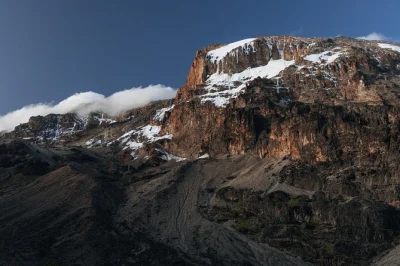 Kilimanjaro Lemosho Route Climb: 6-Day Guided Trek6-day Lemosho Route climb from Moshi with hotel stays, meals, guides, and airport transfers included. Ideal for slower acclimatization.★ 4.99 (157)8dENUS$ 3,452View ›
 Kilimanjaro Day Hike from Moshi: Rainforest to Maundi CraterHike Kilimanjaro's rainforest in a single day from Moshi with a certified guide, visiting Mandara Hut and Maundi Crater for views across Tanzania and Kenya.★ 4.92 (88)9h 30mEN · DE +1US$ 100View ›
 Kilimanjaro Machame Route: 6-Day Summit Trek from MoshiSix-day Machame Route climb on Mount Kilimanjaro from Moshi with tent camping, porter support, meals and guides included. Airport transfers and hotel stays before and after.★ 4.94 (608)6dEN · FR +1US$ 2,350View ›
 Moshi Villages: Bike Tour, Rau Forest & Old Railway StationPedal past Moshi’s rice fields, meet Chagga villagers, spot colobus monkeys in Rau Forest, and pause at a forgotten railway station—guided, with lunch included.★ 4.85 (96)4h–5hENUS$ 50View ›
 Kilimanjaro Marangu Route: 5-Day Summit Trek & Hut Stays5-day Kilimanjaro climb via Marangu Route from Moshi with solar huts, meals, guides & airport transfers included. Easiest route to Uhuru Peak, 19,341 ft.★ 4.95 (129)5dEN · DE +2US$ 2,403View ›
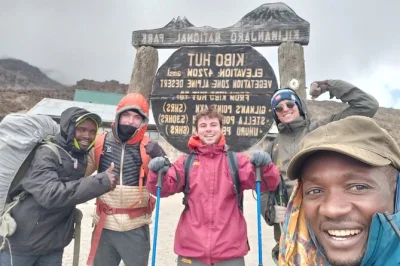 Kilimanjaro Lemosho Route trek from Moshi: 8-day summit climbTrek Mount Kilimanjaro via the Lemosho Route from Moshi over 8 days with a live guide, porter support and all meals — start in forest, summit at 5,895m★ 4.92 (531)8dEN · DE +2US$ 2,350per groupView ›
 7 Days Machame Route Kilimanjaro Trek: Summit Uhuru PeakTrek Mount Kilimanjaro's Machame route with a local guide, hotel pickup and all camp stays included—climb from rainforest through alpine desert to the summit.★ 5.00 (75)7dEN · DE +2US$ 2,199View ›
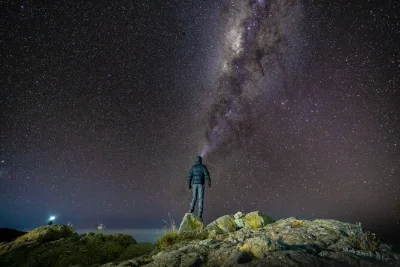 Kilimanjaro Lemosho Route 7-Day Trek: Climb through five climate zonesClimb Kilimanjaro via the Lemosho Route in 7 days. Includes airport transfers, hotel stays, all meals, guides, and porters from Moshi.★ 4.99 (871)9dENUS$ 3,959View ›
 Trek Kilimanjaro Machame Route: 6-day summit from MoshiSix-day Machame trek from Moshi with guides, porters, meals and camping gear. Summits Uhuru Peak, descends via Mweka route.★ 5.00 (45)6dENUS$ 1,359View ›
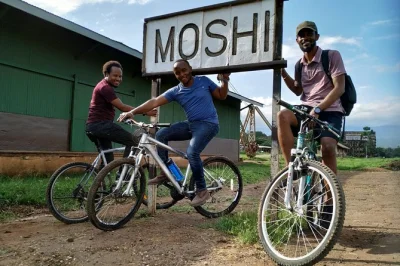 Moshi City Bike Tour: Explore Markets, Landmarks & Kilimanjaro ViewsCycle Moshi’s lively streets, visit local markets, see the Clock Tower, and catch Kilimanjaro views on this guided city bike day trip. Easy level, all welcome.★ 4.95 (19)2h–3hENUS$ 45View ›
 6 Days Machame Route Kilimanjaro Climb: Summit with Local Guides6-day Machame route climb on Mount Kilimanjaro from Moshi with local guide, all meals, transport and equipment. Reach Uhuru Peak at 5,895m.★ 5.00 (61)6dEN · DE +2US$ 1,900View ›
Top questions
How many people climb together on the Lemosho route?
Groups vary, but the Lemosho route is designed for smaller groups compared to busier routes like Marangu or Machame, reducing crowding on the trail.
What is the success rate for reaching Uhuru Peak?
The Lemosho route has a high summit success rate due to its gradual acclimatization schedule and lower altitude gain per day compared to other routes.
Do I need climbing experience?
No technical climbing skills are required. You need at least moderate physical fitness and the ability to walk for several hours daily at increasing altitude.
What happens if I get altitude sickness?
The trek includes emergency oxygen and a pulse oximeter. Guides monitor climbers daily, and the route's acclimatization days are designed to minimize risk. If symptoms worsen, descent is always an option.
Are there rest days built into the itinerary?
Yes. Day four (Karanga Camp) is a short day with afternoon rest, and the route includes a full acclimatization hike on day four before the summit push on day six.
What is included in the price?
Hotel pickup from Moshi, all camping gear, tents, sleeping bags, treated water, meals at every camp, guides, porters, emergency oxygen, first aid kit, park fees, and two hotel nights in Moshi before and after the trek.
How long is the summit day?
The summit push on day six takes 12 to 15 hours total: midnight start, four to five hours to Uhuru Peak, photos and descent to Barafu for lunch, then descent to Millennium Camp by early evening.
When is the best time to climb Kilimanjaro?
The dry seasons (January–February and June–October) offer the best conditions. The Lemosho route can be climbed year-round, but visibility and trail conditions are most reliable during these windows.
Do I need vaccinations or malaria prevention?
Check with your doctor, but yellow fever vaccination is often recommended for Tanzania. Malaria risk is low above 1,500 meters, so it is minimal on most of the Kilimanjaro trek.
What if I don't summit?
If altitude or fitness prevents a summit attempt, you descend with your guide and still receive support, meals, and transport back to Moshi. The company does not offer refunds for incomplete climbs.
Kilimanjaro 7-Day Lemosho Route: Summit Uhuru Peak
7d · EN · HI +30 · at your hotel
from US$ 2,100 per person
★★★★★★★★★★5.00101 reviewsVerified traveler reviews via our booking provider
