
Kilimanjaro Lemosho Route trek from Moshi: 8-day summit climb


The descent from Uhuru Peak takes as long as the climb, which is why you don't collapse at the summit.
The Lemosho Route is an 8-day trek up Mount Kilimanjaro from Moshi that climbs through forest, moorland and alpine desert to the 5,895m summit, then descends to lower camps for recovery. A live guide leads the route in your choice of language; porters carry gear and set up camp each night; a chef prepares meals at each stop. The trek builds in acclimatization days and a descent route that prevents altitude sickness from hitting you at the top.
 8d
8d

Step-by-step itinerary
Day 1 — Moshi to Mti Mkubwa Camp
- Breakfast and guide briefing at Springlands Hotel
- Drive to Lemosho Park Gate (1.5 hours)
- Register at Londorossi Gate
- Trek 7 km to Mti Mkubwa Camp (5 hours)
- Lunch at camp
- Relax and dinner at camp
- Evening briefing about next day
Day 2 — Mti Mkubwa to Shira Camp 2
- Early breakfast at Mti Mkubwa Camp
- Trek 5 hours to Shira Camp 1
- Lunch at Shira Camp 1
- Trek 2-3 hours to Shira Camp 2
- Set up tents and relax
- Dinner at camp
- Evening briefing about next day
Day 3 — Shira Camp 1 to Shira Camp 2
- Early breakfast at Shira Camp 1
- Trek 3-4 hours to Shira Camp 2
- Lunch at camp
- Rest and relax until dinner
- Dinner at camp
- Evening briefing about next day
Day 4 — Lava Tower and Barranco Camp
- Early wake-up and breakfast
- Hike 5 hours to Lava Tower (4,630 m)
- Lunch at Lava Tower
- Descend 2 hours to Barranco Camp
- Enjoy sunset and dinner at camp
Day 5 — Barranco to Karanga Camp
- Early wake-up and breakfast
- Ascend Barranco Wall
- Descend to Karanga Valley
- Lunch at Karanga Camp
- Acclimatization hike to Barafu Camp and return
- Dinner at camp
- Evening briefing about next day
Day 6 — Karanga to Barafu Camp
- Early wake-up and breakfast
- Trek 5 hours to Barafu Camp
- Lunch at camp
- Rest until dinner
- Dinner at camp
- Evening summit briefing
Day 7 — Summit and descend to Mweka Camp
- Wake at 11:30 PM and start ascent
- Climb 6 hours to Stella Point
- Ascend 2 hours to Uhuru Peak
- Summit visit and rest
- Descend 3 hours to Barafu Camp
- Continue descent to Mweka Camp
- Dinner and overnight at Mweka Camp
Day 8 — Descend to Springlands Hotel
- Breakfast at Mweka Camp
- Descend 4-5 hours to Mweka Gate
- Drive to Springlands Hotel
- Lunch and shower at hotel
- Optional safari briefing

The Experience
You start at Springlands Hotel in Moshi after breakfast, then drive 1.5 hours to Lemosho Park Gate. The first day is a 7km forest hike to Mti Mkubwa Camp at 2,780m — a 5-hour walk that lets your body adjust while the landscape shifts from dense woodland to open moorland. Porters carry the heavy gear, the guide sets the pace, and a chef has lunch waiting when you arrive. That night at camp, the guide briefs you on what comes next.
Days two through six build altitude steadily. You trek from Mti Mkubwa to Shira Camp 1 and 2, then climb to Lava Tower at 4,630m — a demanding push through rocky scree — before descending 680m to Barranco Camp. This descent is deliberate: it lets your body acclimatize at altitude without the risk of pushing straight up. You then climb the Barranco Wall, cross Karanga Valley and reach Barafu Camp at 4,640m. Each day the guide watches for altitude symptoms and adjusts the pace. Meals appear at camp, tents are pitched by porters, and you rest between hikes.
The summit attempt starts at 11:30 PM from Barafu Camp. You climb through darkness toward Stella Point on the crater rim — a 6-hour push through scree that tests both body and mind. A sunrise at 5,685m comes next, weather permitting, before the final 2-hour snow-covered ascent to Uhuru Peak at 5,895m. The descent begins immediately: 3 hours back to Barafu for a rest, then down to Mweka Camp for the night. The next morning, a 4–5 hour walk down to Mweka Gate, then a drive back to Springlands Hotel where a hot lunch and shower wait. The guide speaks English, Spanish, French or German throughout; you choose the language at booking.

What’s included
- A live guide in your choice of English, Spanish, French or German.
- all meals prepared by a camp chef at each stop.
- porter support to carry gear and set up camp.
- accommodation at mountain camps each night plus one night at Springlands Hotel before and after the trek.
- park entry fees and registration at Londorossi Gate.
- transport from Springlands Hotel to Lemosho Park Gate and back to the hotel after descent.
Operated by ZARA TOURS
Is this one for you?Book this trek if you have at least a moderate level of fitness and want to summit Kilimanjaro with a structured acclimatization schedule built in. The Lemosho Route is less crowded than other paths and includes a deliberate descent from altitude before the summit push, which is what makes the final climb safer and more manageable.
Traveler reviews
Compare the 13 similar options
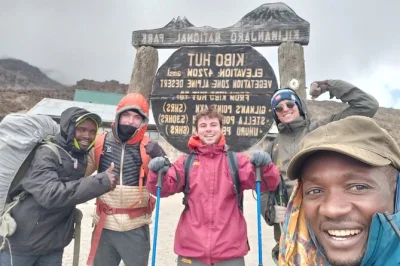 Kilimanjaro Lemosho Route trek from Moshi: 8-day summit climb★ 4.92 (531)8dEN · DE +2US$ 2,350per group
 Kilimanjaro Machame Route: 6-Day Summit Trek from MoshiSix-day Machame Route climb on Mount Kilimanjaro from Moshi with tent camping, porter support, meals and guides included. Airport transfers and hotel stays before and after.★ 4.94 (608)6dEN · FR +1US$ 2,350View ›
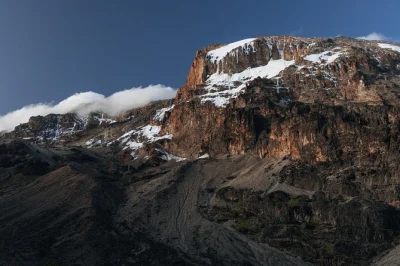 Kilimanjaro Lemosho Route Climb: 6-Day Guided Trek6-day Lemosho Route climb from Moshi with hotel stays, meals, guides, and airport transfers included. Ideal for slower acclimatization.★ 4.99 (157)8dENUS$ 3,452View ›
 Kilimanjaro Day Hike from Moshi: Rainforest to Maundi CraterHike Kilimanjaro's rainforest in a single day from Moshi with a certified guide, visiting Mandara Hut and Maundi Crater for views across Tanzania and Kenya.★ 4.92 (88)9h 30mEN · DE +1US$ 100View ›
 Moshi Villages: Bike Tour, Rau Forest & Old Railway StationPedal past Moshi’s rice fields, meet Chagga villagers, spot colobus monkeys in Rau Forest, and pause at a forgotten railway station—guided, with lunch included.★ 4.85 (96)4h–5hENUS$ 50View ›
 Kilimanjaro Marangu Route: 5-Day Summit Trek & Hut Stays5-day Kilimanjaro climb via Marangu Route from Moshi with solar huts, meals, guides & airport transfers included. Easiest route to Uhuru Peak, 19,341 ft.★ 4.95 (129)5dEN · DE +2US$ 2,403View ›
 Trek Kilimanjaro Machame Route: 6-day summit from MoshiSix-day Machame trek from Moshi with guides, porters, meals and camping gear. Summits Uhuru Peak, descends via Mweka route.★ 5.00 (45)6dENUS$ 1,359View ›
 7 Days Machame Route Kilimanjaro Trek: Summit Uhuru PeakTrek Mount Kilimanjaro's Machame route with a local guide, hotel pickup and all camp stays included—climb from rainforest through alpine desert to the summit.★ 5.00 (75)7dEN · DE +2US$ 2,199View ›
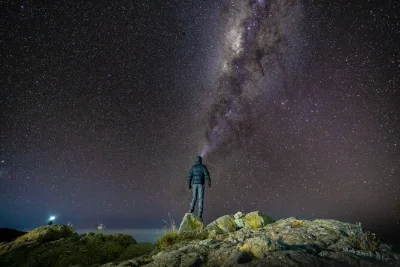 Kilimanjaro Lemosho Route 7-Day Trek: Climb through five climate zonesClimb Kilimanjaro via the Lemosho Route in 7 days. Includes airport transfers, hotel stays, all meals, guides, and porters from Moshi.★ 4.99 (871)9dENUS$ 3,959View ›
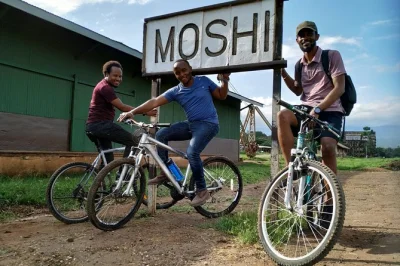 Moshi City Bike Tour: Explore Markets, Landmarks & Kilimanjaro ViewsCycle Moshi’s lively streets, visit local markets, see the Clock Tower, and catch Kilimanjaro views on this guided city bike day trip. Easy level, all welcome.★ 4.95 (19)2h–3hENUS$ 45View ›
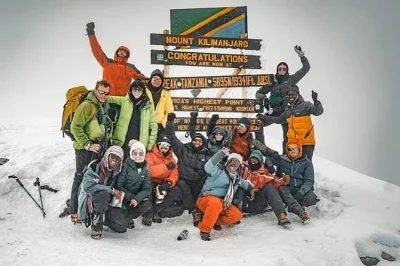 6 Days Machame Route Kilimanjaro Climb: Summit with Local Guides6-day Machame route climb on Mount Kilimanjaro from Moshi with local guide, all meals, transport and equipment. Reach Uhuru Peak at 5,895m.★ 5.00 (61)6dEN · DE +2US$ 1,900View ›
 Kilimanjaro 7-Day Lemosho Route: Summit Uhuru Peak7-day Kilimanjaro climb via Lemosho route with hotel pickup, camping gear, guides and meals included. Reach Uhuru Peak at 5,895m. Private trek from Moshi.★ 5.00 (101)7dEN · HI +30US$ 2,100View ›
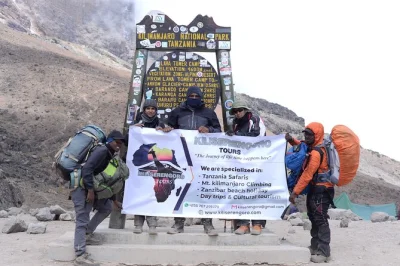 Kilimanjaro 6-Day Machame Route: Summit Trek from MoshiSix-day Machame route climb from Moshi with park entry, mountain camps, and summit attempt at 19,345ft. Includes transport, guides, and certificates.★ 5.00 (23)6dEN · DE +2US$ 2,000View ›
Top questions
How does the Lemosho Route prevent altitude sickness on the summit day?
The Lemosho Route builds in acclimatization days before the summit push and includes a deliberate descent from Lava Tower to Barranco Camp, which lets your body adjust to high altitude before the final climb. The descent from the summit to lower camps happens the same day, preventing altitude sickness from hitting you at the top when you are most vulnerable.
What do the porters and chef do each day on the trek?
Porters carry your gear and personal equipment up the mountain, set up tents at each camp, and manage the camp logistics. The chef prepares three meals daily at each campsite — breakfast before the day's hike, lunch when you arrive, and dinner in the evening. You walk with only a day pack.
What is the Barranco Wall and why is it on this route?
The Barranco Wall is a steep rock face between Barranco Camp and Karanga Valley. Climbers ascend it on day five as part of the acclimatization strategy; the wall is challenging but short, and crossing it is part of the route's design to help your body adapt to altitude before the summit push.
Can I choose a guide who speaks my language?
Yes. The trek includes a live guide in English, Spanish, French or German. You select your language preference when you book.
What happens if I reach Barafu Camp and don't feel ready for the summit?
The guide assesses your condition throughout the trek and especially at Barafu Camp. If altitude sickness or fatigue makes the summit unsafe, the guide will advise you. Some climbers rest at Barafu and attempt the summit the following night; others descend without attempting it. The decision is made based on your health and the guide's judgment.
Is there time to rest after I get back to Moshi?
Yes. After the final descent to Mweka Gate and the drive back to Springlands Hotel, you have a hot lunch and time to shower and rest. If you want to extend your trip, the hotel can arrange a safari briefing with a coordinator on the same day or later.
Kilimanjaro Lemosho Route trek from Moshi: 8-day summit climb
8d · EN · DE +2 · at your hotel
from US$ 2,350 per group
★★★★★★★★★★4.92531 reviewsVerified traveler reviews via our booking provider
