
Kilimanjaro Machame Route: 6-Day Summit Trek from Moshi









Six Days on the Machame Route: Tent Camping & Porters Carry Everything
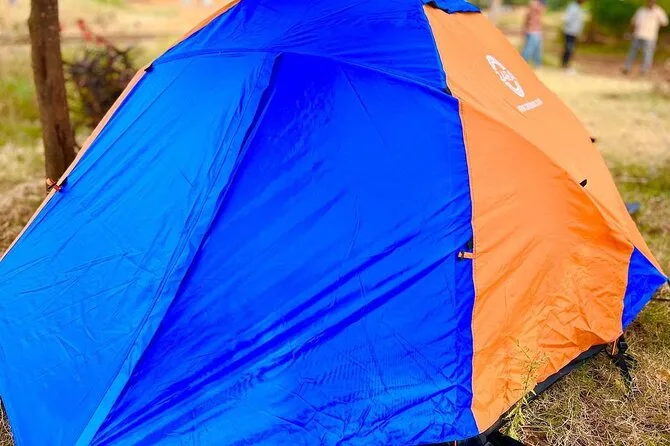
You hike six days from Moshi to Uhuru Peak on Mount Kilimanjaro's Machame Route, sleeping in tents that porters pitch for you each night. A cook prepares all meals, guides lead the way, and porters carry your gear—you carry only a day pack. The route crosses the Shira plateau, climbs past Lava Tower, descends to Barranco Camp for acclimatization, then ascends to the summit in darkness. You return to Moshi with a green or gold certificate depending on whether you reached Stella Point or the peak itself, plus two hotel nights and airport transfers included.
 6d
6d

Step-by-step itinerary
Day 1 — Start climb from Machame Gate
- Briefing and breakfast in Moshi
- Drive 45 minutes to Machame village
- Pack supplies and equipment
- Walk or drive to Machame Gate
- Register at gate office
- Start ascent through rainforest
- Receive lunch pack at gate
- Hike to Machame camp
- Porters boil water and cook dinner
- Rest overnight in tents
Day 2 — Hike from Machame to Shira Camp
- Breakfast at Machame camp
- Climb out of forest to moorland
- Hike through moorland zone
- Lunch and rest break
- Climb rocky ridge to Shira plateau
- Reach Shira camp
- Porters boil water and prepare dinner
- Overnight at Shira camp
Day 3 — Ascend Lava Tower, descend to Barranco
- Breakfast at Shira camp
- Hike to Lava Tower
- Lunch at Lava Tower
- Descend to Barranco camp
- Enjoy sunset at Barranco Wall
- Dinner and overnight at Barranco camp
Day 4 — Trek to Barafu Camp via Karanga Valley
- Breakfast at Barranco camp
- Hike to Karanga Valley
- Continue to Barafu camp
- Prepare gear for summit attempt
- Early dinner and rest at Barafu camp
Day 5 — Summit Uhuru Peak and descend
- Wake at 23:30 for summit attempt
- Ascend to Stella Point
- Watch sunrise at Stella Point
- Climb to Uhuru Peak
- Descend to Barafu camp
- Rest briefly at Barafu camp
- Descend to Mweka camp
- Dinner and overnight at Mweka camp
Day 6 — Descend to Mweka Gate and Moshi
- Breakfast at Mweka camp
- Hike down to Mweka Gate
- Walk to Mweka village
- Drive to Springlands Hotel
- Enjoy hot lunch
- Drive back to Moshi
- Overnight at Springlands Hotel

The Experience
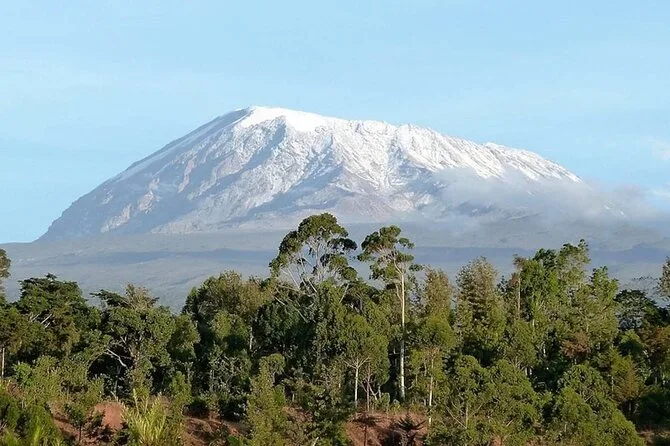
"How much of this are we actually carrying ourselves?" That question gets asked on the first morning at Machame Gate, and the answer is the whole point of this climb. You carry a day pack with water and a jacket. Everything else—your tent, sleeping bag, cooking gear, food for six days—goes on the porters' backs. A cook travels with your group and prepares breakfast, lunch and dinner in a mess tent or on a blanket outside. This is the Machame Route, the one people call the Whiskey Route because it's built for hikers who want the mountain without the logistics. You start from Moshi at 910 meters, drive 45 minutes to Machame village, then walk or drive the last stretch to the gate at 1,490 meters. The first day is seven hours through rainforest, muddy and slippery if it rains, and you sleep in a tent the porters pitch for you at Machame Camp.
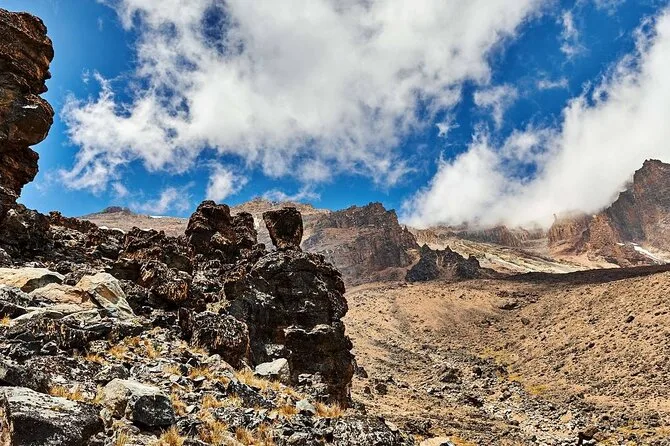
The route climbs east across the Shira plateau, where you'll see Kibo's glaciers for the first time, then turns toward Lava Tower—the toughest day, seven hours of rocky scree at 4,630 meters where altitude starts to bite. That's when the headaches and breathlessness show up for some climbers. After Lava Tower you drop 680 meters to Barranco Camp in a valley below the Great Barranco Wall, and that descent is the acclimatization trick that makes the Machame Route work. The wall itself is a misty, dramatic thing that rewards you with a sunset while the cook prepares dinner. From Barranco, the route climbs to Karanga Valley and then Barafu Camp at 4,550 meters, where you'll rest for a few hours before the summit push starts around 11:30 p.m.
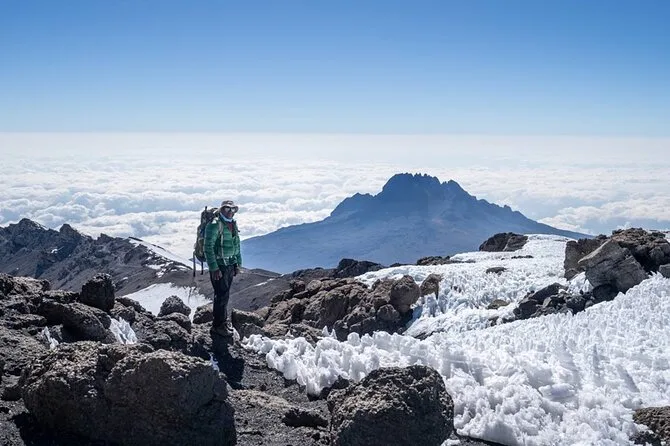
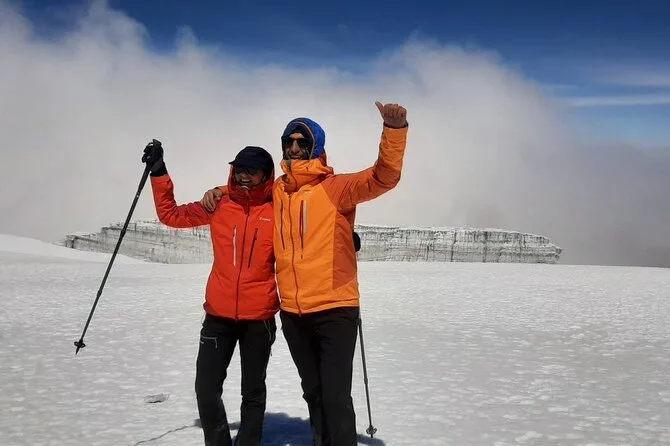
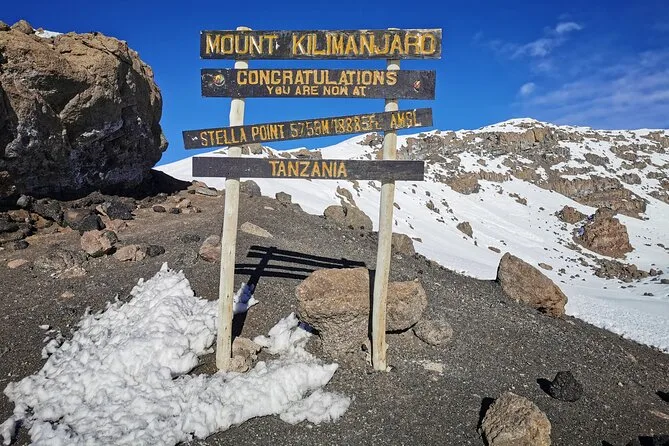
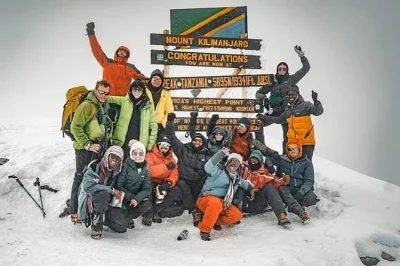
The final ascent takes eight hours in darkness, moving through heavy scree toward Stella Point on the crater rim. That six-hour walk is the hardest part—mentally and physically—for most climbers. At Stella Point you stop for a rest and watch the sunrise, then continue two more hours through snow to Uhuru Peak at 5,895 meters. The time you spend on the summit depends on weather and how you're feeling; guides push you not to linger because the cold and fatigue make it hard to start moving again. The descent takes seven to eight hours back down to Mweka Camp, where you sleep one last night on the mountain. The final morning is a three-hour walk down to Mweka Gate through forest, then a muddy hour into Mweka village. You drive back to Moshi, get a hot lunch at Springlands Hotel, and that night you're in a real bed with a hot shower. Climbers who reached Stella Point get a green certificate; those who summited get gold.
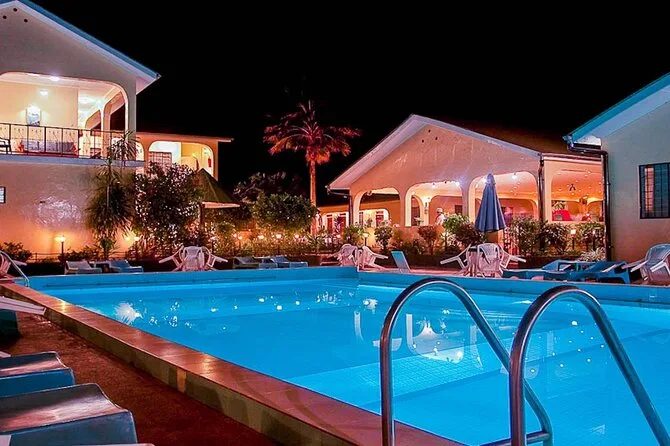
The whole climb is six days and five nights on the mountain. Porters carry your tent, sleeping mat, all food and cooking equipment. A guide leads the way, a cook prepares meals, and a waiter serves them. You get boiled water for drinking and washing each evening. Guides, porters and crew sleep in their own tents nearby. Two nights at Springlands Hotel in Moshi—one before you start, one after you finish—are included, along with airport transfers to and from Kilimanjaro International Airport. National park fees, rescue fees, first aid kit and pulse oximeters are all covered. The only things you need to bring are personal gear, medications, and a moderate level of fitness; this route rewards hikers who train beforehand and take altitude seriously.

What’s included
All meals on the mountain (breakfast, lunch and dinner), guides and porters, tent and sleeping mat, mess tent and dining equipment, boiled water, first aid kit and pulse oximeters, national park entry fees and rescue fees, return airport transfers to Kilimanjaro International Airport, two nights accommodation at Springlands Hotel in Moshi before and after the climb, and summit certificates for those who reach Stella Point or Uhuru Peak.
Operated by ZARA TOURS
Is this one for you?This climb suits hikers who want to reach high altitude without managing their own logistics—porters carry everything, a cook handles meals, and guides lead the route. The six-day schedule and tent camping make it more demanding than hut-based routes, but the included support and acclimatization stops are what make the summit achievable for climbers with moderate fitness and proper training.
Traveler reviews
Compare the 12 similar options
 Kilimanjaro Machame Route: 6-Day Summit Trek from Moshi★ 4.94 (608)6dEN · FR +1US$ 2,350
 Moshi Villages: Bike Tour, Rau Forest & Old Railway StationPedal past Moshi’s rice fields, meet Chagga villagers, spot colobus monkeys in Rau Forest, and pause at a forgotten railway station—guided, with lunch included.★ 4.85 (96)4h–5hENUS$ 50View ›
 Kilimanjaro Day Hike from Moshi: Rainforest to Maundi CraterHike Kilimanjaro's rainforest in a single day from Moshi with a certified guide, visiting Mandara Hut and Maundi Crater for views across Tanzania and Kenya.★ 4.92 (88)9h 30mEN · DE +1US$ 100View ›
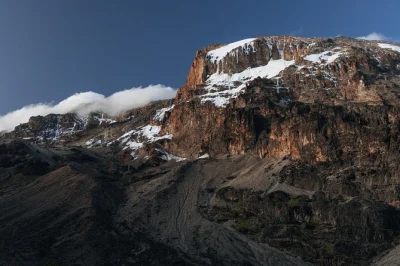 Kilimanjaro Lemosho Route Climb: 6-Day Guided Trek6-day Lemosho Route climb from Moshi with hotel stays, meals, guides, and airport transfers included. Ideal for slower acclimatization.★ 4.99 (157)8dENUS$ 3,452View ›
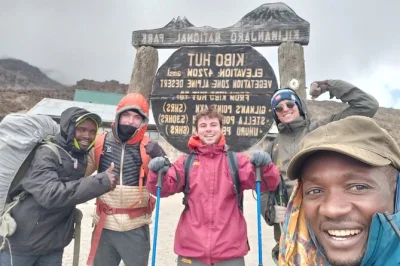 Kilimanjaro Lemosho Route trek from Moshi: 8-day summit climbTrek Mount Kilimanjaro via the Lemosho Route from Moshi over 8 days with a live guide, porter support and all meals — start in forest, summit at 5,895m★ 4.92 (531)8dEN · DE +2US$ 2,350per groupView ›
 7 Days Machame Route Kilimanjaro Trek: Summit Uhuru PeakTrek Mount Kilimanjaro's Machame route with a local guide, hotel pickup and all camp stays included—climb from rainforest through alpine desert to the summit.★ 5.00 (75)7dEN · DE +2US$ 2,199View ›
 Trek Kilimanjaro Machame Route: 6-day summit from MoshiSix-day Machame trek from Moshi with guides, porters, meals and camping gear. Summits Uhuru Peak, descends via Mweka route.★ 5.00 (45)6dENUS$ 1,359View ›
 Kilimanjaro Marangu Route: 5-Day Summit Trek & Hut Stays5-day Kilimanjaro climb via Marangu Route from Moshi with solar huts, meals, guides & airport transfers included. Easiest route to Uhuru Peak, 19,341 ft.★ 4.95 (129)5dEN · DE +2US$ 2,403View ›
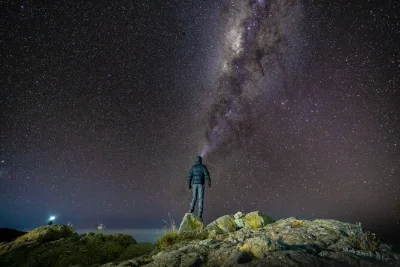 Kilimanjaro Lemosho Route 7-Day Trek: Climb through five climate zonesClimb Kilimanjaro via the Lemosho Route in 7 days. Includes airport transfers, hotel stays, all meals, guides, and porters from Moshi.★ 4.99 (871)9dENUS$ 3,959View ›
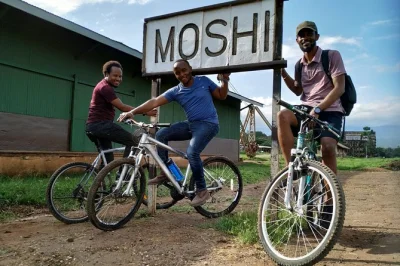 Moshi City Bike Tour: Explore Markets, Landmarks & Kilimanjaro ViewsCycle Moshi’s lively streets, visit local markets, see the Clock Tower, and catch Kilimanjaro views on this guided city bike day trip. Easy level, all welcome.★ 4.95 (19)2h–3hENUS$ 45View ›
 Kilimanjaro 7-Day Lemosho Route: Summit Uhuru Peak7-day Kilimanjaro climb via Lemosho route with hotel pickup, camping gear, guides and meals included. Reach Uhuru Peak at 5,895m. Private trek from Moshi.★ 5.00 (101)7dEN · HI +30US$ 2,100View ›
 6 Days Machame Route Kilimanjaro Climb: Summit with Local Guides6-day Machame route climb on Mount Kilimanjaro from Moshi with local guide, all meals, transport and equipment. Reach Uhuru Peak at 5,895m.★ 5.00 (61)6dEN · DE +2US$ 1,900View ›
Top questions
How many days is the Machame Route climb?
Six days and five nights on the mountain, with two additional nights at Springlands Hotel in Moshi before and after the climb.
Do I have to carry my own tent and sleeping bag?
No. Porters carry your tent, sleeping mat, all food, cooking equipment and supplies. You carry only a day pack with water and a jacket.
What is included in meals on the mountain?
A cook prepares breakfast, lunch and dinner every day. Meals are served in a mess tent or outside. Boiled drinking and washing water is provided each evening.
What is the difference between the Machame and Marangu routes?
Machame uses tent camping and offers better views, including the Barranco Wall and Shira plateau. Marangu uses mountain huts. Machame is considered more adventurous and scenic.
When do we attempt the summit?
You leave Barafu Camp around 11:30 p.m. on the final night and climb eight hours through darkness to reach Uhuru Peak at sunrise, weather permitting.
What happens if I don't reach the summit?
Climbers who reach Stella Point on the crater rim receive a green certificate. Only those who reach Uhuru Peak at 5,895 meters receive a gold certificate.
Are airport transfers included?
Yes. Return transfers between Kilimanjaro International Airport and Moshi are included, along with two nights at Springlands Hotel.
What should I bring for this climb?
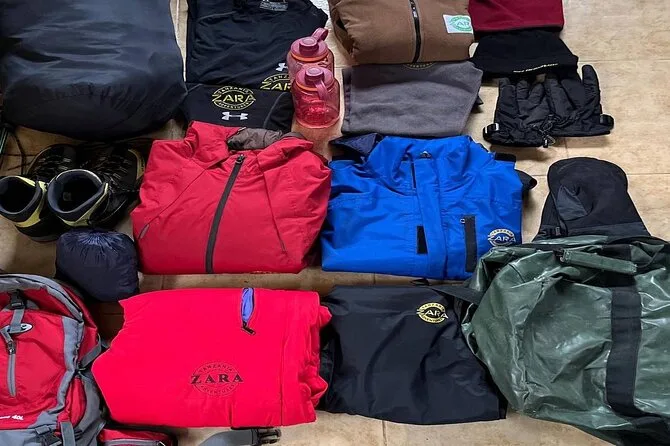
Personal clothing, medications, toiletries and any gear you prefer (sleeping bag, trekking poles, headlamp). Tents, mats, cooking equipment and food are all provided.
Is there a guide with the group the whole time?
Yes. Qualified guides lead the climb throughout. Porters, a cook and a waiter also travel with your group to handle logistics and meals.
How fit do I need to be?
At least moderate physical fitness is recommended. Training beforehand helps with altitude acclimatization. The climb is not recommended for travelers with poor cardiovascular health or spinal injuries.
Kilimanjaro Machame Route: 6-Day Summit Trek from Moshi
6d · EN · FR +1 · at your hotel
from US$ 2,350 per person
★★★★★★★★★★4.94608 reviewsVerified traveler reviews via our booking provider
