
Trek Kilimanjaro Machame Route: 6-day summit from Moshi
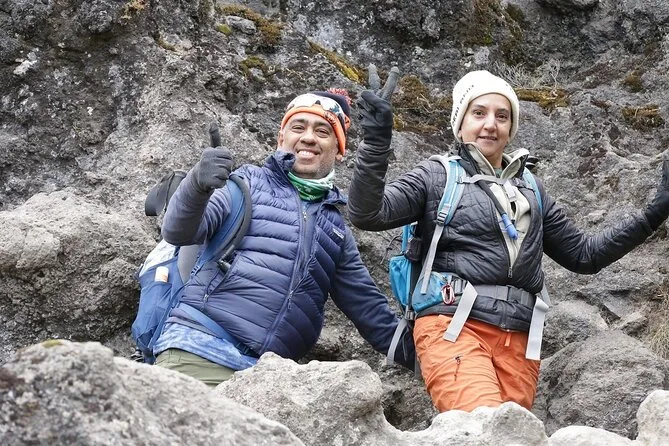
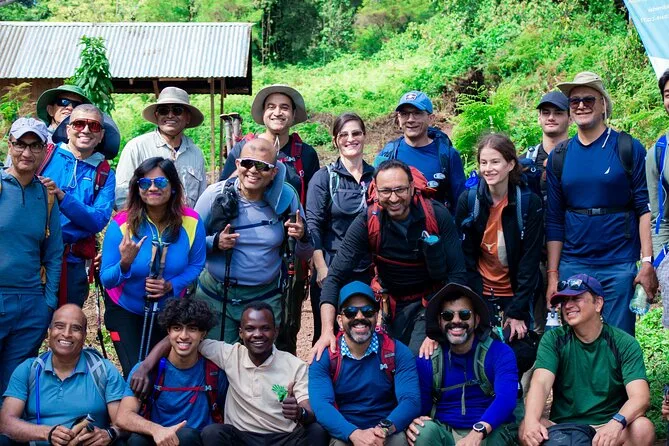
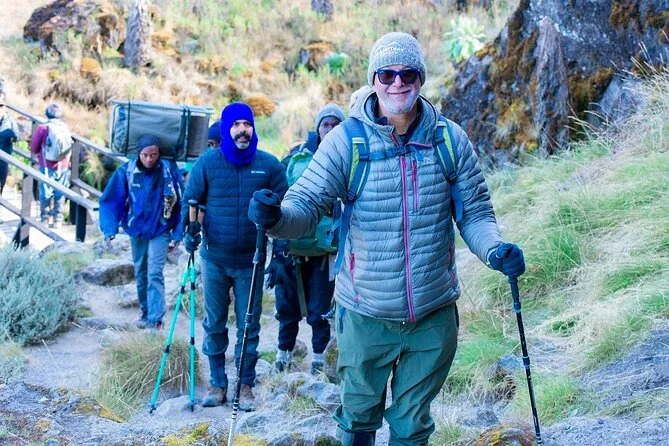
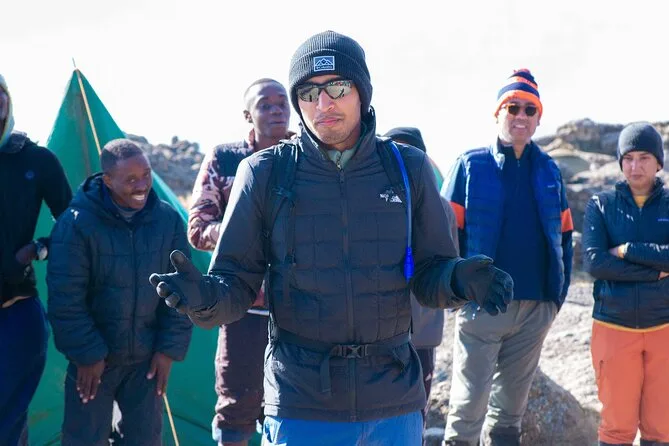
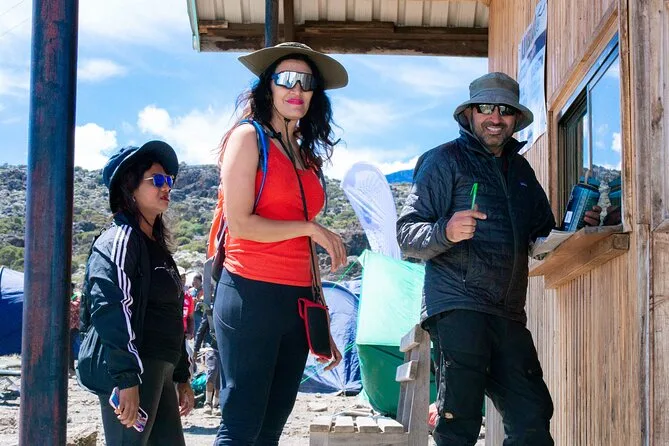
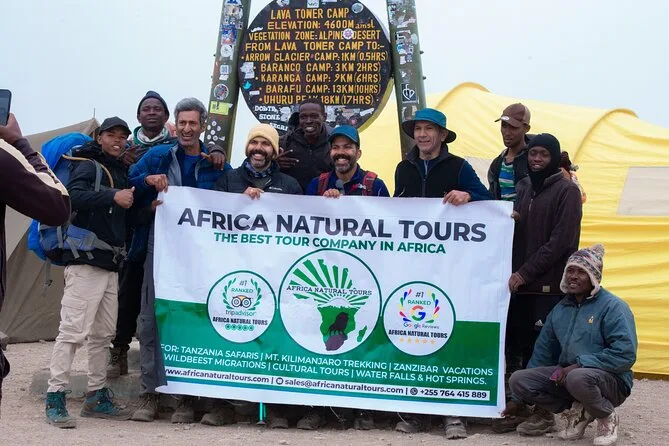
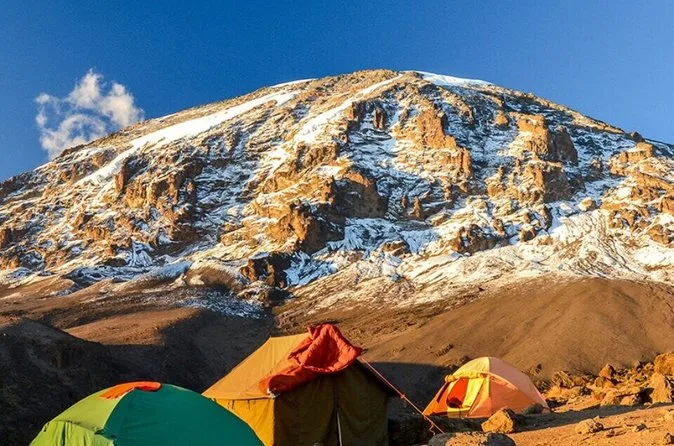
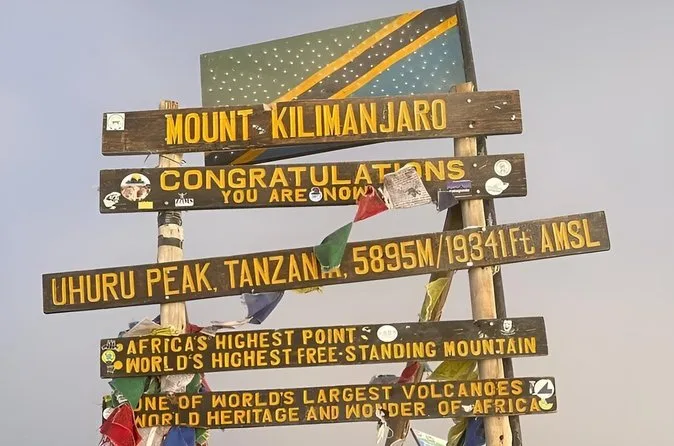
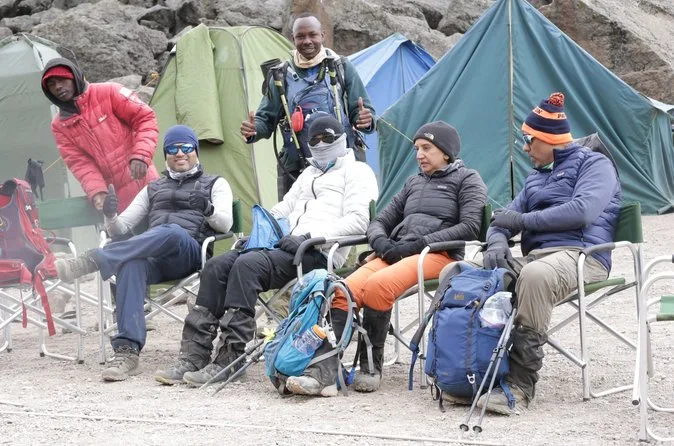

Climb through rainforest, moorland and alpine desert to Uhuru Peak in six days
You trek six days on Kilimanjaro's Machame Route, climbing from 1,830 to 5,895 meters with built-in acclimatization days and descending via the Mweka route. All meals, professional guides, porters, and equipment are included, with hotel pickup and drop-off in Moshi. You'll reach Uhuru Peak and return with a trekking certificate.
 6d
6d

Step-by-step itinerary
Day 1 — Drive to Machame Gate and hike
- Drive from Moshi to Machame Gate
- Hike through rainforest to Machame Camp
- Overnight at Machame Camp
Day 2 — Hike to Shira Camp
- Breakfast at Machame Camp
- Hike ascending path to Shira Camp
- Overnight at Shira Camp
Day 3 — Ascend to Lava Tower and descend
- Hike from Shira Camp to Lava Tower
- Descend to Barranco Camp
- Overnight at Barranco Camp
Day 4 — Climb Barranco Wall to Barafu Camp
- Breakfast at Barranco Camp
- Climb Barranco Wall
- Traverse Karanga Valley to Barafu Camp
- Overnight at Barafu Camp
Day 5 — Summit Kilimanjaro and descend
- Start summit hike early morning
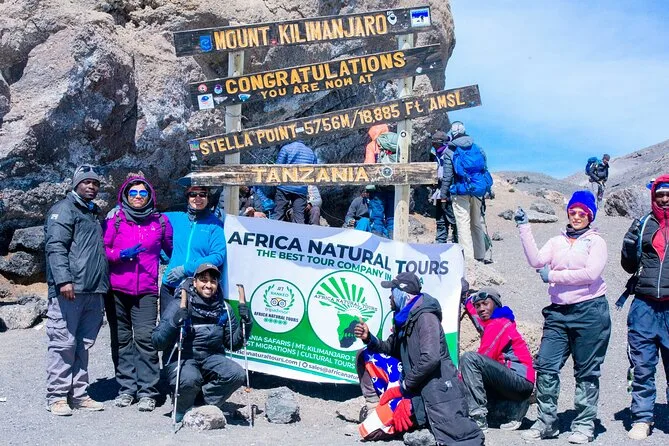
- Reach Stella Point and Uhuru Peak
- Descend to Barafu for lunch
- Continue descent to Mweka Camp
- Overnight at Mweka Camp
Day 6 — Descend to Mweka Gate and return
- Breakfast at Mweka Camp
- Descend to Mweka Park Gate
- Receive summit certificates
- Drive back to hotel in Moshi

The Experience
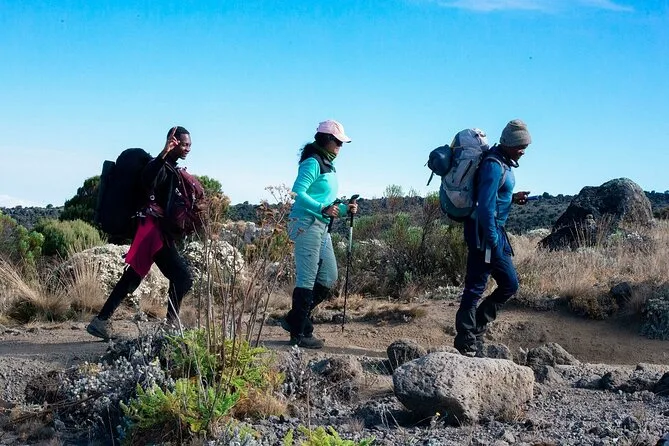
You start at 1,830 meters in a rain forest and end at 5,895 meters on the rim of Africa. The Machame Route does not take the shortest path up Kilimanjaro — it takes the one that lets your body adjust, which is why the first surprise comes on Day 3 when you climb to the Lava Tower and then descend again without losing elevation. It feels backward until your guide explains: you're climbing high to sleep low, the oldest trick for acclimatization. The route covers 11 kilometers on Day 1 through montane forest, then opens into moorland, semi-desert, and finally alpine desert as the vegetation thins and the air gets thinner with it.
Day 4 is where the trek shows its teeth. The Barranco Wall is a 250-meter scramble that looks steeper than it is, and the South Circuit that follows it rewards you with views of the summit you'll stand on in less than 24 hours. You're hiking 6 to 8 hours that day, moving from 4,000 to 4,700 meters, and the landscape has already stopped pretending to be anything but rock and altitude. Breakfast, lunch, and dinner are provided at each camp — the cook travels with you, so meals happen on schedule even when the trail does not. Vegetarian, vegan, gluten-free, halal and other meal plans are available if you mention them when you book.
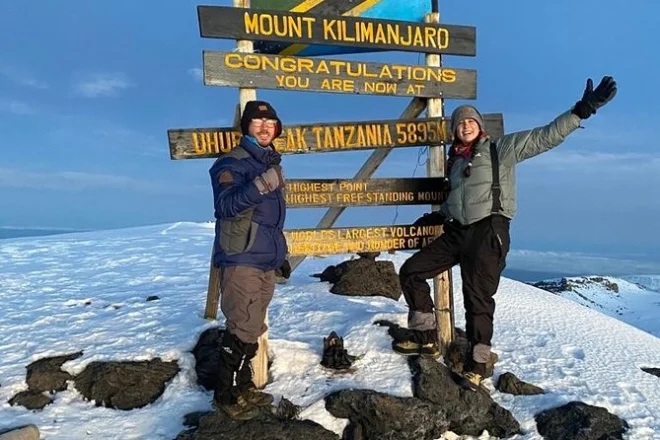
Day 5 starts at midnight or 2 a.m., depending on the guide's read of the group's pace. You'll navigate between the Rebmann and Ratzel glaciers on scree that shifts under your boots, and the mental game becomes as real as the physical one. Uhuru Peak sits at 5,895 meters, and the sunrise from there — if the clouds cooperate — is the reason people spend six days on a mountain. After summiting, you descend 13 kilometers to Mweka Camp, a drop that takes 10 to 13 hours total from the start of the day. The professional crew (guide, porters, camp masters, cooks) manages the logistics so you manage the climb.
The final day is a 3 to 4-hour walk down 10 kilometers to Mweka Gate, where you collect your trekking certificate. The descent can be wet and muddy at lower elevations, so gaiters and trekking poles help. A vehicle meets you at the gate for the 60-minute drive back to your hotel in Moshi. Hotel pickup and drop-off are included, as is all group equipment — dining tent, sleeping pads, table, chairs, crockery and cutlery — so you arrive with a backpack and leave with a summit story.

What’s included
- Hotel pickup from Moshi and drop-off after descent.
- Professional climbing crew including guide, porters, camp masters, and cooks.
- All meals (breakfast, lunch, dinner) throughout the trek, with vegetarian, vegan, gluten-free, lactose-free, halal and other meal plans available.
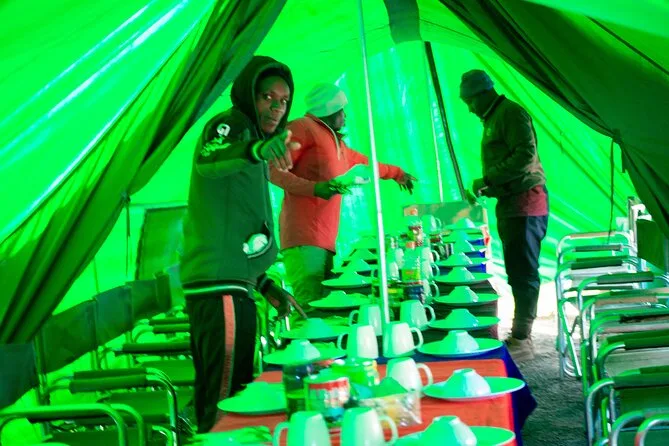
- High-quality group equipment including dining tent, sleeping pads, table, chairs, crockery and cutlery.
- Trekking certificate upon completion.
- Briefing before the trek begins.
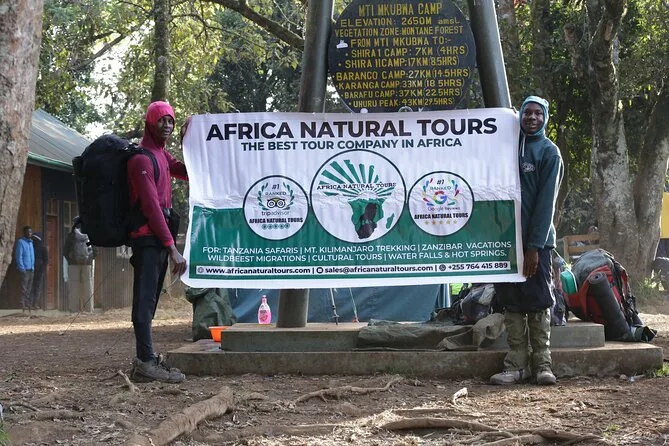
Operated by AFRICA NATURAL TOURS
Is this one for you?Right for trekkers with moderate to good fitness who want a route built around acclimatization rather than speed — the extra days and the descent-to-sleep-low strategy are what make reaching 5,895 meters realistic. Plan for six full days away from Moshi and the physical demand of Day 5's midnight start and 10-plus-hour summit push.
Traveler reviews
Compare the 13 similar options
 Trek Kilimanjaro Machame Route: 6-day summit from Moshi★ 5.00 (45)6dENUS$ 1,359
 Kilimanjaro Marangu Route: 5-Day Summit Trek & Hut Stays5-day Kilimanjaro climb via Marangu Route from Moshi with solar huts, meals, guides & airport transfers included. Easiest route to Uhuru Peak, 19,341 ft.★ 4.95 (129)5dEN · DE +2US$ 2,403View ›
 Kilimanjaro Machame Route: 6-Day Summit Trek from MoshiSix-day Machame Route climb on Mount Kilimanjaro from Moshi with tent camping, porter support, meals and guides included. Airport transfers and hotel stays before and after.★ 4.94 (598)6dEN · FR +1US$ 2,350View ›
 Kilimanjaro Day Hike from Moshi: Rainforest to Maundi CraterHike Kilimanjaro's rainforest in a single day from Moshi with a certified guide, visiting Mandara Hut and Maundi Crater for views across Tanzania and Kenya.★ 4.92 (88)9h 30mEN · DE +1US$ 100View ›
 Kilimanjaro Lemosho Route Climb: 6-Day Guided Trek6-day Lemosho Route climb from Moshi with hotel stays, meals, guides, and airport transfers included. Ideal for slower acclimatization.★ 4.99 (156)8dENUS$ 3,452View ›
 Moshi Villages: Bike Tour, Rau Forest & Old Railway StationPedal past Moshi’s rice fields, meet Chagga villagers, spot colobus monkeys in Rau Forest, and pause at a forgotten railway station—guided, with lunch included.★ 4.85 (96)4h–5hENUS$ 50View ›
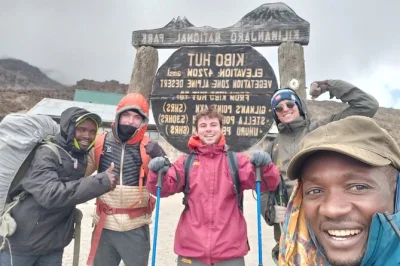 Kilimanjaro Lemosho Route trek from Moshi: 8-day summit climbTrek Mount Kilimanjaro via the Lemosho Route from Moshi over 8 days with a live guide, porter support and all meals — start in forest, summit at 5,895m★ 4.92 (521)8dEN · DE +2US$ 2,350per groupView ›
 7 Days Machame Route Kilimanjaro Trek: Summit Uhuru PeakTrek Mount Kilimanjaro's Machame route with a local guide, hotel pickup and all camp stays included—climb from rainforest through alpine desert to the summit.★ 5.00 (73)7dEN · DE +2US$ 2,199View ›
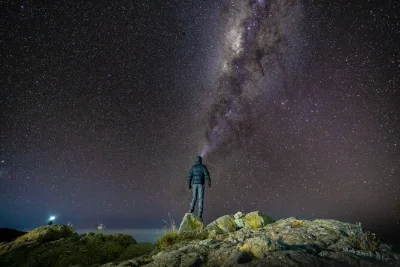 Kilimanjaro Lemosho Route 7-Day Trek: climb through five climate zonesClimb Kilimanjaro via the Lemosho Route in 7 days. Includes airport transfers, hotel stays, all meals, guides, and porters from Moshi.★ 4.99 (867)9dENUS$ 3,959View ›
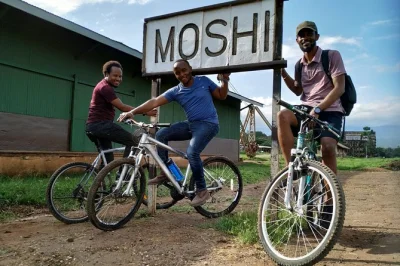 Moshi City Bike Tour: Explore Markets, Landmarks & Kilimanjaro ViewsCycle Moshi’s lively streets, visit local markets, see the Clock Tower, and catch Kilimanjaro views on this guided city bike day trip. Easy level, all welcome.★ 4.95 (19)2h–3hENUS$ 45View ›
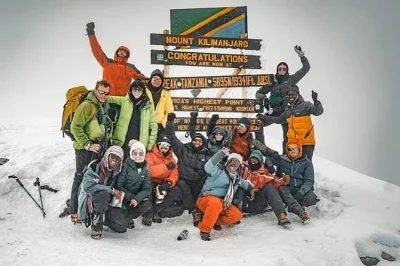 6 Days Machame Route Kilimanjaro Climb: Summit with Local Guides6-day Machame route climb on Mount Kilimanjaro from Moshi with local guide, all meals, transport and equipment. Reach Uhuru Peak at 5,895m.★ 5.00 (61)6dEN · DE +2US$ 1,900View ›
 Kilimanjaro 7-Day Lemosho Route: Summit Uhuru Peak7-day Kilimanjaro climb via Lemosho route with hotel pickup, camping gear, guides and meals included. Reach Uhuru Peak at 5,895m. Private trek from Moshi.★ 5.00 (101)7dEN · HI +30US$ 2,100View ›
 Kilimanjaro 6-Day Machame Route: Summit Trek from MoshiSix-day Machame route climb from Moshi with park entry, mountain camps, and summit attempt at 19,345ft. Includes transport, guides, and certificates.★ 5.00 (23)6dEN · DE +2US$ 2,000View ›
Top questions
What is the best time to trek the Machame Route?
December to mid-March and June to October offer the best conditions — dry weather, clear skies, and minimal rain.
How many hours of hiking per day?
Day 1 is 5–6 hours, Day 2 is 4–5 hours, Day 3 is 5–6 hours, Day 4 is 6–8 hours, Day 5 is 10–13 hours (summit day), and Day 6 is 3–4 hours.
What is included in the trek?
All meals (breakfast, lunch, dinner), professional guides and porters, camp equipment, trekking certificate, and hotel pickup and drop-off in Moshi.
Can I request special meal plans?
Yes, vegetarian, vegan, gluten-free, lactose-free, halal and other meal plans are available — mention them when booking.
What fitness level is required?
At least moderate physical fitness. The trek is not recommended for pregnant travelers or those with poor cardiovascular health.
How long is the drive from Moshi to Machame Gate?
About 45 minutes, passing through the village of Machame.
What happens after summiting?
You descend to Mweka Camp the same day, then hike down to Mweka Gate on Day 6 for your certificate and return drive to Moshi.
Is the Lava Tower part of the route?
Yes, you climb to Lava Tower (4,650m) on Day 3, then descend to Barranco Camp — this acclimatization day is key to summit success.
Trek Kilimanjaro Machame Route: 6-day summit from Moshi
6d · EN · at your hotel
from US$ 1,359 per person
★★★★★★★★★★5.0045 reviews
