
Oaxaca: Cacao Tasting & Chocolate Experience Small Groups


Taste 20 kinds of chocolate in two hours, guided by someone whose family has made it for generations
You taste 15 to 20 varieties of cacao and chocolate over two hours, learning how the same bean changes flavor through different processing and sugar choices. A Zoque guide from a chocolate-making family walks you through the tasting, shares the culture and traceability of cacao in Oaxaca, and includes a cocoa snack break and house drink to finish. Small groups mean you actually hear what's being explained and can ask questions without holding up a line.
 1h 30m

Step-by-step itinerary
Cocoa tasting and cultural experience
- Try different cocoa varieties
- Taste 15 to 20 cocoa presentations
- Learn about cocoa traceability and culture
- Take a break with cocoa toast
- Enjoy a house cocoa-based drink

The Experience
You walk in and the first thing you taste is pure cocoa — no sugar, just the bean itself. It's sharp and bitter in a way that makes you understand why chocolate needed to be invented. Your guide, who comes from the Zoque ethnic group in Oaxaca's Isthmus Region, starts there on purpose. Over the next two hours, you'll work through 15 to 20 presentations of cacao and chocolate, each one showing you how the same plant tastes completely different depending on how it's processed, what sugar is used, where it's grown. You taste endemic varieties from the region, drinks made the traditional way, chocolate bars sweetened with alternatives instead of refined sugar. The tasting moves at a pace that lets you actually notice the differences — not rushing through a checklist.
Halfway through, there's a break with cocoa toast on sourdough bread made with organic ingredients. It's not fancy, just the kind of thing that makes sense when you're tasting chocolate for two hours straight. Your guide talks through the traceability and culture of cacao in Oaxaca as you go — not a lecture, but the knowledge that comes from growing up in a chocolate family. At the end, you get a house drink, something made in-house that wraps up what you've learned about how cocoa transforms depending on how you work with it.
The whole experience is built for small groups, which means you're not standing in a crowd trying to hear over other people. It works for families with kids, for vegans (the chocolate varieties include options without animal products), and for anyone who wants to move past "I like chocolate" into actually understanding what's happening in the cup. If you have infants or small children, they can come along — strollers are fine, and little ones can sit on a lap during the tasting.

What’s included
Your experience includes the two-hour cacao and chocolate tasting with 15 to 20 varieties, a cocoa toast snack on sourdough bread with organic ingredients, and a house drink to finish. Small-group format is included so you're not in a crowd.
Operated by Chima
Is this one for you?Book this if you want to understand chocolate beyond the taste — how origin, processing, and sugar choice shape flavor — and prefer learning from someone whose family has actually made it rather than reading about it.
Traveler reviews
Compare the 13 similar options
 Oaxaca: Cacao Tasting & Chocolate Experience Small Groups★ 4.93 (98)1h 30mEN · ESUS$ 77
 Oaxaca: Market Food Tour with Gastronomy Researcher & 20 TastingsLet curiosity lead you through Oaxaca’s vibrant markets—taste over 20 local foods, meet producers, and sip pulque on this immersive food tour with a certified guide.★ 4.78 (463)3h 30mEN · ESUS$ 57View ›
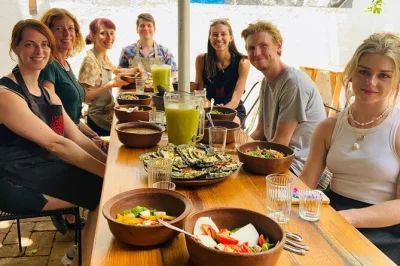 Oaxaca: Vegetarian Cooking Class & Market Walk with Local CookLet Oaxaca surprise you—shop vibrant markets, cook pre-Hispanic vegetarian dishes with a local cook, and share a meal in a traditional neighborhood. Includes lunch & drinks.★ 4.86 (268)4hEN · ESUS$ 68View ›
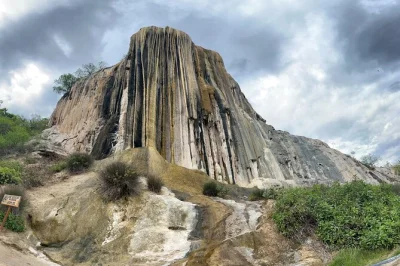 Oaxaca: Hierve el Agua, Mitla & Mezcal Day Trip with LunchFeel the mineral pools of Hierve el Agua, explore Mitla’s ruins, taste mezcal, and meet Zapotec weavers—all in one Oaxaca day trip with lunch and entry fees.★ 4.95 (1,529)11hEN · ESUS$ 72View ›
 Oaxaca: Hierve el Agua Day Trip & Mezcal Tasting TourFeel the mist at Hierve el Agua, hike with locals, then sample mezcal at a real Oaxacan distillery. Includes entry and free tastings, transport from Oaxaca.★ 4.83 (422)8hEN · ESUS$ 65View ›
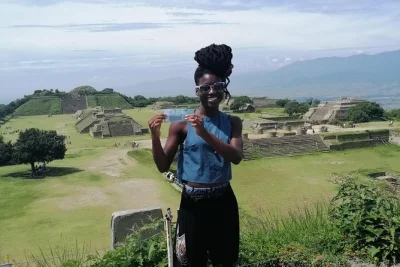 Monte Albán guided tour from Oaxaca: Expert archaeologist guideHalf-day guided tour of Monte Albán from Oaxaca with a live guide in Spanish or English — the guide explains the site's history while you walk★ 4.85 (1,049)3h–4hEN · ESUS$ 31View ›
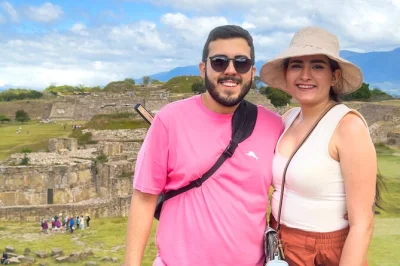 Oaxaca: Monte Albán, Arrazola & Black Pottery Day TripStep onto Monte Albán’s ancient stones, meet Oaxacan artisans in Arrazola & San Bartolo Coyotepec, and wander the Cuilapam Convent—all with hotel pickup included.★ 4.58 (217)8hEN · ESUS$ 40View ›
 Private Tour to Monte Albán: Zapotec ruins at your own pacePrivate tour of Monte Albán with certified guide, air-conditioned transport and site entry included—walk the Zapotec temples and plazas without crowds★ 5.00 (21)3h–4hEN · ESUS$ 239per groupView ›
 Hierve el Agua: Small Group Day Trip & Early AccessWatch sunrise colors at Hierve el Agua, hike to the petrified waterfalls, swim in natural pools, and share lunch with locals. Includes pickup and all fees.★ 4.91 (99)6hEN · ESUS$ 77View ›
 Monte Albán Archaeological Tour 3 Hours with GuideGuided tour of Monte Albán from Oaxaca City with certified bilingual guide, site admission and snacks included★ 5.00 (35)4hEN · ESUS$ 40View ›
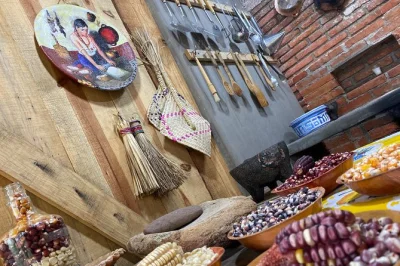 Oaxaca: Traditional Cooking Class with Mezcal & BrunchFeel the warmth of Oaxacan kitchens—cook on a wood stove, taste mezcal, and share recipes with local cocineras. Includes hands-on brunch and all ingredients.★ 4.79 (272)4h 30mEN · ESUS$ 88View ›
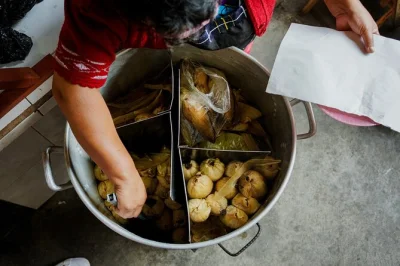 Oaxaca: 3 Markets Food Walking Tour & 24 TastingsLet Oaxaca surprise you with a 6-hour food tour led by locals, tasting over 24 dishes at markets and street stalls. Includes all food, drinks, and a local guide.★ 4.97 (500)6hENUS$ 106View ›
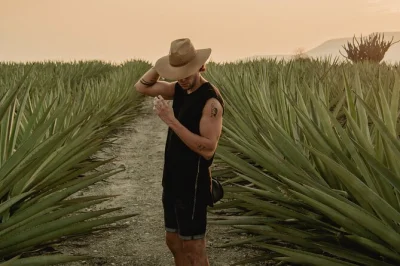 Oaxaca: Mezcal Distillery Tour, Agave Fields & Oaxacan LunchFollow the mezcal trail from Oaxaca to Mitla & Matatlán, walk agave fields, see artisan distilling, taste unlimited mezcal, and share a traditional meal—all with local pickup.★ 4.91 (302)6hEN · ESUS$ 102View ›
Top questions
How long does the cacao tasting last?
Approximately two hours from start to finish.
How many different chocolates and cocoas do you taste?
Between 15 and 20 presentations, ranging from pure cocoa with no sugar to traditional chocolate and bars with alternative sweeteners.
Is the experience suitable for children?
Yes. It's designed for families. Infants can come in strollers or sit on an adult's lap. There's also a separate chocolate-making class for children if you prefer that option.
What's included in the price?
The two-hour tasting, cocoa toast on sourdough bread with organic ingredients, and a house drink at the end.
Is this good for vegans?
Yes. The tasting includes chocolate varieties made without animal products.
Can I get to the location by public transport?
Public transportation options are available nearby.
What's the group size?
Small groups, which keeps the experience intimate and allows you to hear the guide clearly.
Who leads the tasting?
A guide from the Zoque ethnic group of Oaxaca's Isthmus Region, from a family with a chocolate-making tradition.
Oaxaca: Cacao Tasting & Chocolate Experience Small Groups
1h 30m · EN · ES
from US$ 77 per person
★★★★★★★★★★4.9398 reviewsVerified traveler reviews via our booking provider
