
Rome Testaccio: Pasta Cooking Class & Three Classic Sauces


Roman pasta secrets in Testaccio with homemade dessert and wine
You’ll walk right into a Roman home in Testaccio, apron on before you know it—learning to make Cacio e Pepe, Amatriciana, and Carbonara side by side with a local chef who actually cares if your sauce splits or your pasta sticks together. Expect laughter over spilled wine, stories from Roman kitchens past, generous pours of local reds, plus dessert and recipes to take home.
 3h
3h

Step-by-step itinerary
Learn and cook Roman pasta sauces
- Meet Roman chef in Testaccio
- Discover history of three sauces
- Prepare Cacio e Pepe sauce
- Prepare Amatriciana sauce
- Prepare Carbonara sauce
- Taste three pasta dishes with wine
- Enjoy traditional Roman dessert
- Receive exclusive recipes to take home

The Experience
The first thing that hit me was the smell—pecorino and black pepper, sharp and warm, drifting from the kitchen before I’d even taken off my jacket. Our host, Francesca, waved us in like we were old friends. Her apartment in Testaccio felt lived-in and sunlit, with these shelves of cookbooks and a tiny espresso pot rattling on the stove. I tried to say “buongiorno” properly; she grinned and corrected my accent (twice). It was awkward but kind of perfect.
We started with Cacio e Pepe—just cheese, pepper, pasta water. Simple but not simple at all. My hands shook a bit grating the cheese (Francesca said everyone does the first time), and I kept thinking how different this felt from any restaurant meal. She told us stories about her grandmother’s kitchen, how every Roman has their own way of making these sauces. By the time we got to Amatriciana, the whole room smelled like simmering tomatoes and guanciale—I swear I could taste it just from breathing.
Wine flowed freely (honestly, maybe too freely for my stirring skills), and there was this moment when someone dropped spaghetti on the floor and everyone just laughed—no judgment. The Carbonara came last: creamy without cream, salty from the pancetta. We sat around her table eating everything we’d made ourselves, passing bread back and forth. Dessert was something chocolatey that I forgot the name of because I was too busy scraping my plate clean. At some point Francesca handed out recipe printouts so we could try again at home—though I’m pretty sure mine won’t taste like hers.
I left feeling full but also weirdly homesick for a place that isn’t mine. There’s something about being let into someone’s real kitchen in Rome that sticks with you long after you’ve gone back out into the noisy street.

What’s included
Your day includes hands-on lessons making three types of Roman pasta sauces—Cacio e Pepe, Amatriciana, and Carbonara—with unlimited local wine poured throughout your meal. You’ll also enjoy dessert at the end plus printed recipes to bring home so you can try recreating everything yourself later on.
Operated by CURIOSEETY
Traveler reviews
Compare the 13 similar options
 Rome Testaccio: Pasta Cooking Class & Three Classic Sauces★ 4.87 (106)3hEN · IT€ 79
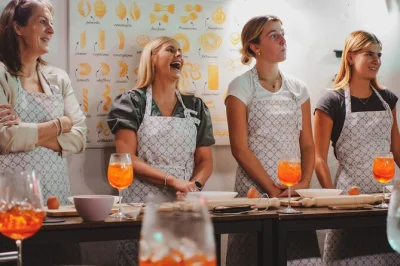 Cooking Class Rome: Make Pasta & 3 SpritzesMake fresh pasta and Italian spritzes in a Rome class with a local chef. Includes carbonara or cacio e pepe, drinks, and recipes.★ 4.97 (2,205)3hEN€ 68View ›
 Pasta and Tiramisu Class Rome: make three dishes by handLearn to make fettuccine, ravioli and tiramisu with chefs in central Rome near Piazza Navona. Cook, choose your sauce, then dine with wine and coffee.★ 4.92 (9,812)3hEN€ 52View ›
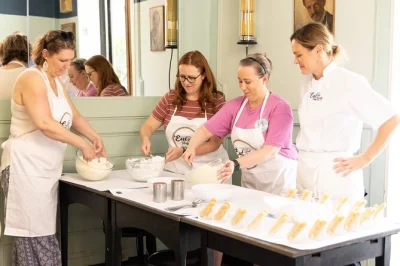 Rome: Pasta & Tiramisu Cooking Class with Wine & LimoncelloRoll up your sleeves in Rome for a hands-on pasta and tiramisu class, guided by a local chef. Enjoy wine, limoncello, and your own creations—ingredients included.★ 4.92 (3,003)2hEN€ 42View ›
 Rome: Monti Bar Crawl & Local Drinks with Colosseum ViewsSix-bar nightlife tour through Rome's Monti district with wine, spritz & sambuca. Starts at Colosseum metro, local guide, 2 hours. Small groups.2hEN€ 57View ›
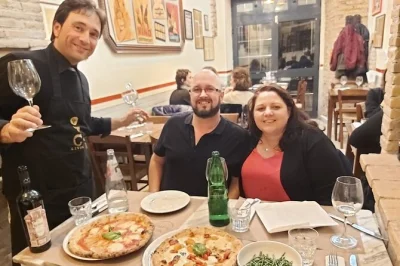 Rome: Pizza & Tiramisu Class with Wine in PratiFeel the warmth of Rome in a hands-on pizza & tiramisu class, guided by a local chef in Prati’s oldest wood oven spot. Includes wine, soft drinks & your own creations.★ 4.97 (1,518)3hEN€ 35View ›
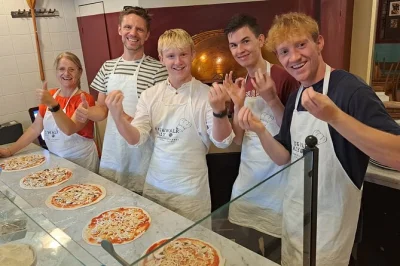 Rome: Pizza & Tiramisu Cooking Class Near Piazza NavonaMake your own Roman pizza & tiramisu in central Rome with a local chef. Includes all ingredients, small group class, wine or soft drinks, and limoncello to finish.★ 4.89 (1,848)2h 30mEN€ 39View ›
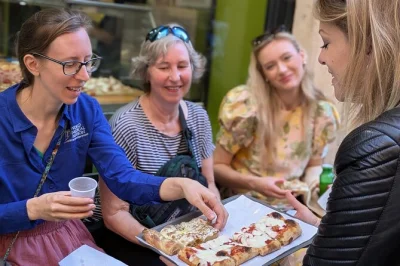 Rome Trastevere & Campo de' Fiori Street Food Walking TourFollow a local through Trastevere and Campo de' Fiori, tasting Roman street food like pizza and suppli. Small group, includes gelato and a top-rated guide.★ 4.94 (410)2h 30mEN€ 49View ›
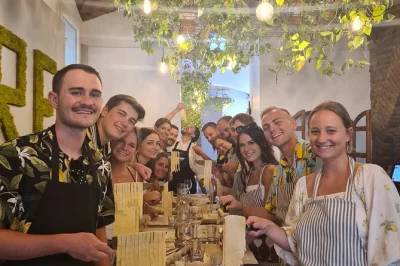 Rome: Spanish Steps Cooking Class with Pasta & TiramisuFeel the heart of Rome at a hands-on pasta & tiramisu class near the Spanish Steps. Includes wine, limoncello, and all equipment. Book your spot easily.★ 4.86 (407)2hEN · ES€ 45View ›
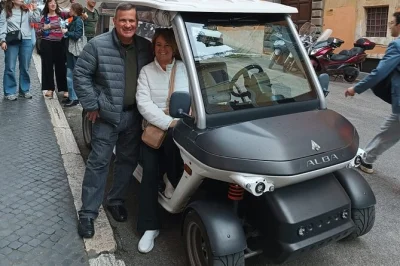 Rome: Private Golf Cart City Tour & Custom PickupGlide through Rome’s city center by private golf cart, from Trevi Fountain to Trastevere. Includes hotel pickup, flexible drop-off, and a local tour leader.★ 4.93 (375)3hEN · IT +2€ 184View ›
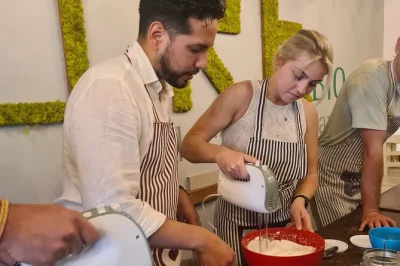 Rome: Cooking Class with Chef Paolo—Fettucine & TiramisùRoll up your sleeves in Rome’s center, learn to make fresh fettucine & tiramisù with Chef Paolo, share laughs with new friends, and enjoy wine—all ingredients included.★ 4.81 (378)2hEN · ES€ 96View ›
 Rome: Golf Cart City Highlights Tour with Pickup & Photo StopsGlide through Rome’s historic center by electric golf cart, see the Colosseum, Vatican & Trevi Fountain, with hotel pickup and a local guide included.★ 4.54 (296)3hEN · IT€ 65View ›
 Rome: Private Golf Cart Tour with Hotel Pickup & Custom RouteFeel the city’s pulse on a private Rome golf cart tour—choose your route, see icons like the Colosseum or Trevi Fountain, and enjoy hotel pickup and local stories.★ 4.77 (172)2h 30mEN€ 77View ›
Top questions
Is this pasta cooking class in Rome suitable for vegetarians or vegans?
Yes, vegetarian and vegan adaptations are available using traditional Roman recipes if requested at booking.
Where is the cooking class held?
The class takes place in a local home in Rome’s Testaccio neighborhood.
Are gluten-free options available for this Rome cooking class?
Yes, gluten-free options are offered for those with celiac or dietary needs if advised ahead of time.
What dishes do you make during this Testaccio pasta class?
You’ll prepare three classic Roman sauces: Cacio e Pepe, Amatriciana, and Carbonara.
Is wine included during the cooking experience?
Yes, unlimited local wine is served during your meal.
Can children join this Rome pasta cooking class?
Infants can attend if seated on an adult's lap; small children can use a pram or stroller.
Is the location wheelchair accessible?
Yes, all areas including transportation options are wheelchair accessible.
Will I get recipes to take home after the class?
Yes, exclusive recipes for all dishes prepared are provided as a PDF to take home.
Rome Testaccio: Pasta Cooking Class & Three Classic Sauces
3h · EN · IT
from € 79 per person
★★★★★★★★★★4.87106 reviews
