


Sapa Trekking: Rice Terraces, Ethnic Villages & Homestay
Walk Sapa’s silent valleys meet Hmong & Dzao families taste real village food
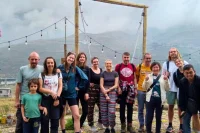
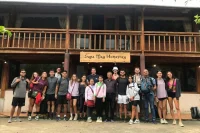
You’ll trek through Sapa’s quieter valleys alongside a local guide, meet Hmong and Red Dzao villagers, try your hand at indigo dyeing, share home-cooked meals, and sleep in a traditional wooden house where mountain air drifts through at night. Expect laughter over dinner and views you’ll remember long after you’ve left.
Step-by-step itinerary
Day 1: Trek from Sapa to Xaxeng village
- Trek downhill through pine forest
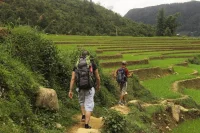
- Enjoy views of rice terraces and cornfields
- Lunch in Giang Cha village
- Trek downhill to Xaxeng village
- Meet Red Dao and Black Hmong minorities
- Pass plateau with panoramic views
- Walk down to bamboo forest
- Overnight in local house
- Walk around village while guide prepares dinner
- Optional traditional herbal bath
- Dinner with local family
Day 2: Trek Suoi Thau to Sapa
- Breakfast at homestay
- Head toward Suoi Thau village
- Pass several minority villages
- Walk rice paddy fields to mountain top
- Enjoy valley views at rice paddy viewpoint
- Walk through forest and Ban Khoang valley
- Lunch in Red Dzao village
- Return to Sapa by bus
- End tour
What’s included
Your two-day journey includes an English-speaking guide throughout, all entrance fees along the trail, overnight accommodation in a local family’s wooden house (homestay), two lunches plus one breakfast and one dinner made by your hosts, bottled water each day (1.5 liters), plus transport back to Sapa at the end of your trek.
- Every day 09:00
Information
Wake up to mountain air in Sapa, trek quiet rice terraces, share meals with Hmong & Dzao families, and stay overnight in a wooden village home. Includes guide & meals.
Compare the 12 alternatives







Traveler reviews
The experience
I didn’t expect the quiet, not like this. Just us, our guide Minh (who seemed to know everyone), and the soft crunch of our boots on the dirt path leaving Sapa behind. The air had this sharp green smell, like wet grass and wood smoke mixed together. We passed a woman in a bright headscarf carrying something heavy in a woven basket. She nodded but didn’t slow down. I tried to say “xin chào” and Minh grinned: apparently my accent needs work.
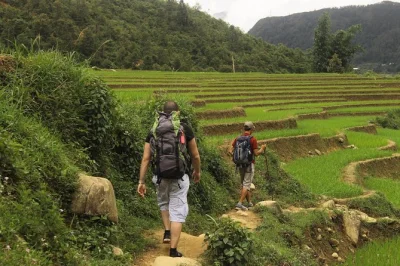
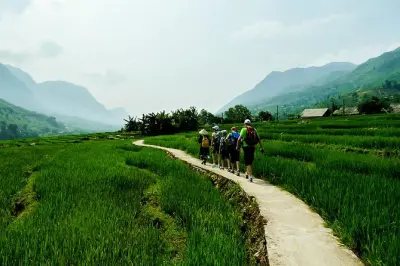
The trekking itself wasn’t hard, just steady. We wound through Suoi Ho and Giang Cha villages, mostly following narrow trails between rice paddies that looked almost too perfect, all those lines curving away into the mist. Lunch was outside under a tin roof with a Hmong family: sticky rice, something spicy with eggplant. It was simple but I swear it tasted better than anything back in town. Later we met some Red Dzao women who showed us indigo dye on their hands. I still have a faint blue stain on my thumb from trying it myself.
That night in the homestay, after dinner (a lot of laughter over my chopstick skills), Minh offered the herbal bath option: honestly I was skeptical but the steam smelled earthy and strange and after walking all day my legs felt lighter. The house creaked when the wind picked up. I could hear someone humming softly in another room. Next morning was cold enough for breath clouds as we set off toward Suoi Thau and Phin Ho. The valley opened up below us, so many shades of green it almost hurt your eyes if you stared too long.
By midday we’d reached Ban Khoang valley for lunch with another Dzao family before heading back by bus to Sapa. I kept thinking about those quiet moments: kids waving from doorways, the way light shifted on the terraces, how everyone seemed busy but never rushed. It’s not really about how far you walk: more about what you notice when you slow down enough to see it.
Top questions
Can I be picked up at my hotel?
You can choose: pickup at your hotel, or go straight to the meeting point. When you book, you choose your hotel from 4 pickup locations; if yours isn’t listed, you arrange it with the operator after booking. Pickup is about 5 minutes before departure.
Can children come?
Yes. Ticket types: Youth (10 to 13 years); Child (5 to 9 years); Infant (under 5): free.
How difficult is the Sapa trekking tour?
This is an easy trekking tour suitable for children or people who don’t walk much: about 12-14 km on day one and 10 km on day two.
Is accommodation included during the Sapa trekking?
Yes, you’ll stay overnight in a simple homestay with a local ethnic family. Expect basic comforts and warm hospitality.
Are meals provided during the tour?
The tour includes two lunches, one breakfast, and one dinner: all traditional local food shared with host families along the route.
What ethnic groups will I meet on this Sapa trek?
You’ll meet both Black Hmong and Red Dzao people in their villages along the trek.
Is transport back to Sapa included?
Yes, after lunch on day two you return to Sapa by bus. It’s all arranged for you.
Can I take a herbal bath during the homestay?
A traditional Red Dzao herbal bath is available as an optional extra. You pay for it yourself if you choose to try it.
Are there many tourists on this route?
No, the route passes through quieter valleys and villages with few other visitors around.
Operated by Sapa Original Trek. Explorevia does not run this tour: we compare it with similar options, and you book it with our booking partner.
Prices and times updated 3 days ago
Sapa Trekking: Rice Terraces, Ethnic Villages & Homestay
2d · EN
from US$ 92 per person
Next, you choose your date and number of travelers and see the final price.