


Sapa: 2-Day Trek & Hmong Homestay with Ethical Guide
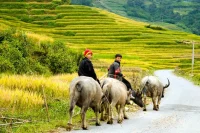
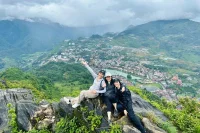
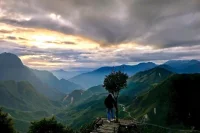
The moment you realize your guide's family is cooking your dinner
You trek 14 kilometers on day one through rice terraces and villages, then climb steeply to a Hmong homestay where you cook and eat with your host family. Day two is flexible: more trekking through bamboo forests at your own pace before a taxi returns you to Sapa. The trek is run by an award-winning ethical operator that funds 49 local families, so your booking directly supports the communities you're walking through. Book if you want the real experience of staying in a village, not just passing through it.
Options for this experience
6 optionsSee 3 more options
Step-by-step itinerary
Day 1: Trek to homestay and cultural lunch
- Trek 6km on easy terrain
- Climb steep 2km section
- Cook and share lunch with host
- Walk downhill to homestay
- Dinner with host family
Day 2: Flexible trek and return to Sapa
- Breakfast with homestay family
- Continue trekking with flexible distance
- Taxi pick up to Sapa
What’s included
Your trek includes private transportation to and from the trekking area, two nights of homestay accommodation in a Hmong family home, all meals (dinner and breakfast), water and refreshments during the trek, and the expertise of a local guide who is part of the communities you're visiting.
Times
- Tuesday to Sunday 08:30
Before you book
Operated by Ethos - Spirit of the Community
Prices and times updated today
Traveler reviews
The experience
You'll walk into a Hmong homestay somewhere around day one's afternoon, tired from 14 kilometers of rice terraces and steep climbs, and suddenly the whole point of the trek stops being about the views. Your host family is already moving around the kitchen, and you're not a guest watching them work. You're part of the rhythm. That's the shift that happens on this Sapa trek: the walking is real, the terrain is demanding, but the reason you're here becomes clear the moment you sit down to eat with people who live in the villages you've just walked through. ETHOS, the organization running this, has been the top-rated cultural trek operator in the region for over five years, and they've built their whole model around that idea: that tourism should actually mean something for the communities involved.
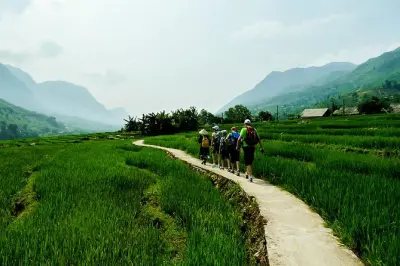
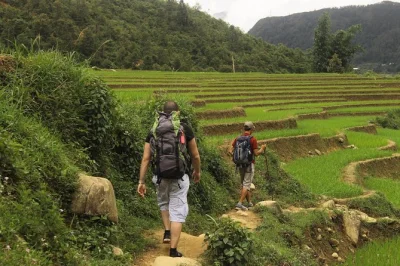
Day one covers about 14 kilometers, which sounds like a lot until your guide breaks it down: the first six kilometers are rolling terrain through rice paddies and traditional villages, then there's a steep 2-kilometer climb before you stop to cook lunch together. After that it's downhill to the homestay. You're not racing. The pace is set by the group and the landscape, not by a schedule. Day two is more flexible. You trek through bamboo forests and more terraced fields, and the distance adjusts based on what your group wants and how you're feeling. A taxi picks you up in the afternoon to bring you back to Sapa town. The whole thing is built around actually being in the place, not ticking boxes.
What makes this different from other Sapa treks is where the money goes. ETHOS supports 49 families across 19 villages in four provinces, and your guides are part of that network. They're not just leading you through. They're invested in the communities because they're from them. The organization also runs human trafficking awareness workshops and funds development projects in healthcare, sanitation, and education. So when you book this, you're not just getting a trek. You're funding something that matters locally. Your homestay accommodation puts you directly in that ecosystem. Hmong homes sit inside the rice paddies with views that don't need adjectives, and you'll sleep there, eat there, and wake up to the actual rhythm of village life instead of a hotel routine.
The inclusions cover private transport to and from your starting point, the two nights in the homestay, all meals (dinner and breakfast), water, and refreshments during the trek. You'll need at least a moderate level of fitness, those steep sections aren't negotiable, and the minimum group size is two people. If you're traveling solo, you can join a group departure or arrange a private trek with another person. Public transport options exist nearby if you want to get to Sapa town first, but the trek itself handles the logistics once you're committed.
Is this one for you?Book this if you want to actually stay in a village and eat with a family, not just walk past one. The homestay overnight is what makes that possible, and it's also what funds the 49 families ETHOS supports across the region.
Compare the 12 alternatives






Top questions
Can children come?
Yes. Ticket types: Youth (11 to 18 years); Child (3 to 10 years); Infant (1 to 2 years): free.
What happens if it rains?
It may be canceled due to bad weather. If that happens, you're offered another date or a refund. Free cancellation up to 72 h before the start.
How difficult is the Sapa trek?
Day one includes a steep 2-kilometer climb after easier terrain. You need moderate fitness. Day two is more flexible in distance and difficulty based on your group's preference.
What's included in the homestay?
Accommodation in a Hmong family home, dinner, breakfast, and meals during the trek. Water and refreshments are provided throughout.
How many people trek together?
Minimum group size is two. Groups stay small, and the pace adjusts to the group's fitness level and preferences.
Do I need to arrange my own transport to Sapa?
Yes, you'll need to get to Sapa town first. Public transport options are available. The trek includes private transport to and from the trekking area.
How long is the trek?
It's a two-day, one-night trek. Day one is approximately 14 kilometers with a steep section. Day two distance varies based on group preference.
What makes ETHOS different from other trek operators?
ETHOS has been the top-rated provider in the region for over five years. They support 49 families across 19 villages and run community education and health projects. Your guides are from the villages you trek through.
Can I do this trek solo?
The minimum group size is two people. You can join a group departure or arrange a private trek with another person.
What's the homestay like?
Hmong homes are set within rice paddies with views of the landscape. You'll eat and sleep with your host family, experiencing actual village life rather than a tourist setup.
Sapa: 2-Day Trek & Hmong Homestay with Ethical Guide
2d · EN
from US$ 93.34 per person
Next, you choose your date and number of travelers and see the final price.