
Kyoto: Knife Forging Class & Japanese Blacksmith Workshop


You'll Hammer Out a Japanese Knife in 2.5 Hours at a Kyoto Blacksmith Studio
You'll change into a traditional outfit, learn the forging technique used for Japanese kitchen knives, and hammer out your own blade over 2.5 hours with a professional instructor guiding each step. The experience includes all tools, sharpening, polishing, and your finished knife to take home. It's hands-on and physical, so moderate fitness helps, and it's not suitable if you have spinal injuries, are pregnant, or have cardiovascular concerns.
 3h
3h

Step-by-step itinerary
Traditional Japanese knife making experience
- Change into traditional goldsmith outfit
- Learn traditional Japanese knife making process
- Heat and forge the iron with hammer
- Sharpen the knife
- Polish the knife to complete masterpiece

The Experience
You step up to the forge, and the instructor hands you the hammer. The iron is glowing red in front of you — actually hot, not a prop — and you're about to shape it the way Japanese blacksmiths have for centuries. The knife forging experience in Kyoto starts with changing into a traditional goldsmith outfit, which sounds like theater until you realize it's there because the work gets serious. Heat, metal, repeated strikes. The instructor walks you through the grip, the angle, the rhythm, and then you're doing it yourself, watching the blade take shape under your own hands.
The main event is the forging itself — that's where the experience lives. You heat the iron until it's the right shade of red, then hammer it into shape over and over, learning as you go. Even beginners pick it up because the instructors are patient and the process is straightforward, though yeah, there's real danger involved, which is why they teach you how to hold the hammer correctly before you swing. After the forging comes sharpening and polishing, and by the end of the 2.5 hours you walk out with a finished knife, roughly 13 to 15 centimeters, that you made yourself. You can film or photograph the whole thing if you want proof.
The studio will message you before your visit to confirm whether you're going to Studio NIN Yase or Studio NIN Kendo — both are in Kyoto and both have public transportation nearby. Children under 15 need a parent or guardian there with them. If you have questions about what the experience actually involves or what to expect, the staff answers them before you book. The uniform and tools are included, and you get an English-speaking guide the whole time, so language isn't a barrier to understanding what you're doing.

What’s included
Your 2.5-hour session includes a traditional goldsmith outfit, a complete set of tools for knife making, instruction in the traditional Japanese forging process, sharpening and polishing of your blade, an English-speaking guide, and your finished knife to take home.
Operated by Atelier NIN
Is this one for you?Book this if you want a hands-on craft experience that results in something real and functional — the 2.5-hour format and small-group setup mean you're actually forging, not watching, and you leave with a knife you made yourself.
Traveler reviews
Compare the 13 similar options
 Kyoto: Knife Forging Class & Japanese Blacksmith Workshop★ 4.83 (113)3hENJP¥ 24,000
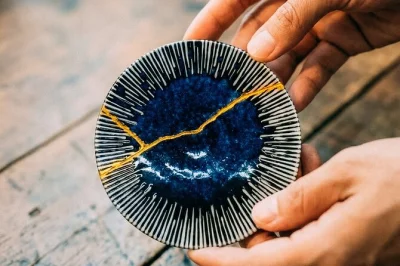 Kintsugi Workshop Kyoto: Repair Ceramics with GoldLearn kintsugi in a quiet Kyoto workshop near Gion, repairing a ceramic bowl or plate with lacquer and gold powder under an English-speaking instructor's★ 4.92 (1,783)1h 30mENJP¥ 1,978View ›
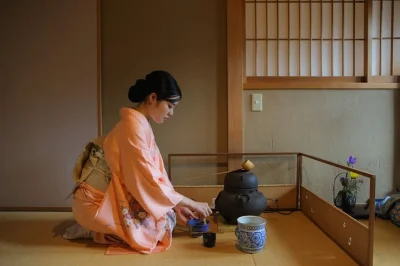 Kyoto Tea Ceremony Class: Make Your Own MatchaLearn to whisk matcha in an authentic Kyoto tea ceremony with an English-speaking instructor at Camellia Flower Teahouse. You'll taste seasonal sweets★ 4.80 (300)45mENJP¥ 5,500View ›
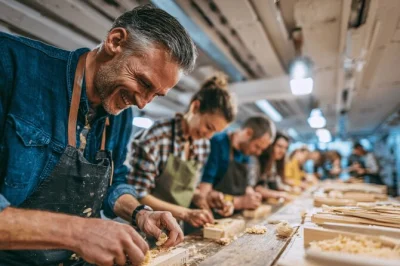 Kyoto: Gion Chopsticks Workshop & Custom EngravingShape your own chopsticks from Japanese wood in Gion, Kyoto. Guided hands-on workshop with optional name engraving. Includes all tools, English support.★ 4.96 (4,293)1hENJP¥ 2,400View ›
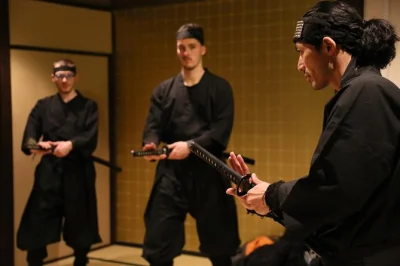 Ninja 1-Hour Hands-On Lesson in Kyoto: Learn from a MasterLearn ninja techniques in a one-hour hands-on class in Kyoto taught by a Japanese master in English, including meditation, sword★ 4.96 (542)1hEN · JAJP¥ 12,150View ›
 Kyoto: Tea Ceremony Gion Matcha Making & Sweets TastingStep into Kyoto’s Gion for a tea ceremony with matcha making, traditional sweets, and stories from a local tea master. Includes accessible seating and recipe handout.★ 4.94 (180)1hENJP¥ 4,000View ›
 Kyoto Gion Food Tour: 13 Dishes at 4 EateriesWalk lantern-lit Pontocho Alley and Gion's geisha district while an English-speaking guide leads you through 13 seasonal Kyoto dishes across four eateries★ 4.87 (1,030)3hENJP¥ 13,000View ›
 Kyoto Tea Ceremony with Kimono near Imamiya Jinjya ShrineWear a kimono and whisk your own matcha in a serene Kyoto tea house with a knowledgeable guide—clear instruction makes it accessible even if you've never done this before.★ 4.96 (440)1h 30mEN · KO +1JP¥ 12,900View ›
 Kyoto: Early Morning Fushimi Inari & Bamboo Grove TourFeel Kyoto’s quiet side on an early morning tour—walk Fushimi Inari’s red gates, wander Arashiyama’s bamboo forest, and visit Tenryu-ji Temple with an English-speaking guide.★ 4.99 (268)4h–5hENJP¥ 14,600View ›
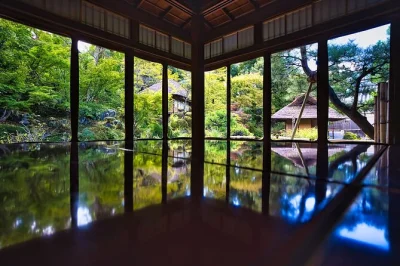 Kyoto Kiyomizu Tea Ceremony & Garden PhotosKyoto tea ceremony in Sannenzaka with matcha lesson, garden photos & wagashi sweets. Small group, tea master-led, 2 hours. Book ahead. Starts daily at 10am.★ 4.93 (239)45mENJP¥ 8,800View ›
 Kyoto Gion Geisha District Walking Tour with Live GuideWalk Kyoto's Gion district at night with a live English-speaking guide who explains geisha training★ 4.87 (2,164)2hENJP¥ 4,709View ›
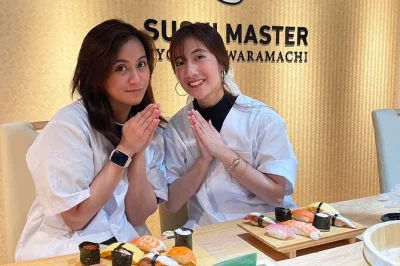 Sushi Making Class in Kyoto: Learn Nigiri & RollsMake 10 pieces of nigiri and rolls in 90 minutes at a Kawaramachi studio with English-speaking instructors, then eat what you've made and try Japanese sake with your meal.★ 4.96 (1,082)1h 30mENJP¥ 9,000View ›
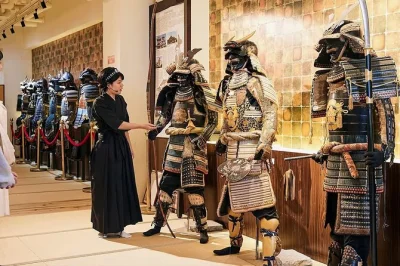 Samurai Armor & Ninja Star Throw: Kyoto Museum ActivityPut on real samurai armor, throw ninja stars, and learn katana basics at the Samurai Ninja Museum in Kyoto★ 4.57 (727)1hENJP¥ 3,500View ›
Top questions
Do I need experience to do this knife forging class?
No. The instructors teach beginners step-by-step, starting with how to hold the hammer and use the tools correctly. Prior blacksmithing knowledge is not required.
How long does the knife forging experience take?
The full experience is 2.5 hours, from changing into the outfit through forging, sharpening, and polishing your finished knife.
What size knife will I make?
The finished blade is approximately 13 to 15 centimeters, depending on the individual and how the forging goes.
Are there two different studio locations?
Yes. Studio NIN has two locations in Kyoto: Studio NIN Yase and Studio NIN Kendo. The staff will confirm which one you attend before your visit.
Can children participate in the knife forging workshop?
Children under 15 must be accompanied by a parent or guardian during the experience.
What's included in the experience?
The experience includes a traditional goldsmith outfit, all tools needed to make the knife, an English-speaking guide, and instruction in forging, sharpening, and polishing.
Is this experience safe if I have health concerns?
The experience is not recommended for travelers with spinal injuries, pregnancy, or poor cardiovascular health. You should have at least moderate physical fitness to participate.
Can I take photos or video during the forging?
Yes, video and photography are available throughout the experience.
Kyoto: Knife Forging Class & Japanese Blacksmith Workshop
3h · EN
from JP¥ 24,000 per person
★★★★★★★★★★4.83113 reviews
