
Kintsugi pottery repair workshop in Kyoto: Repair your own plate
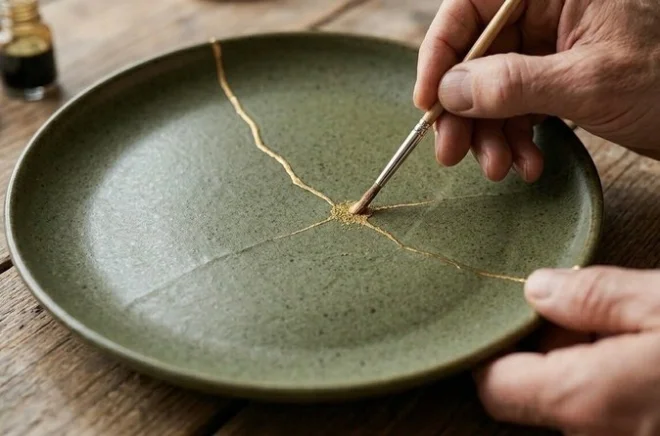
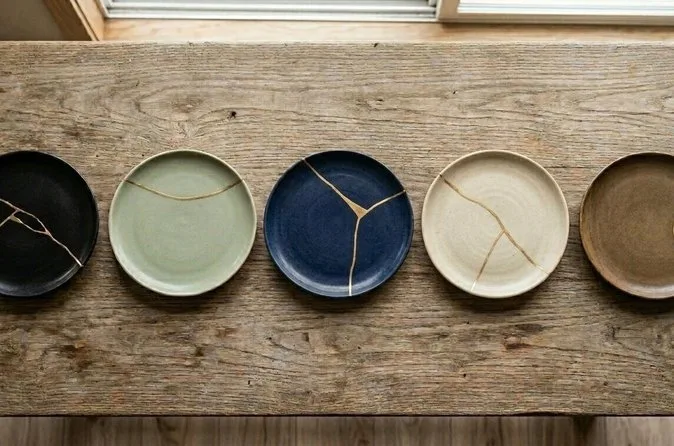
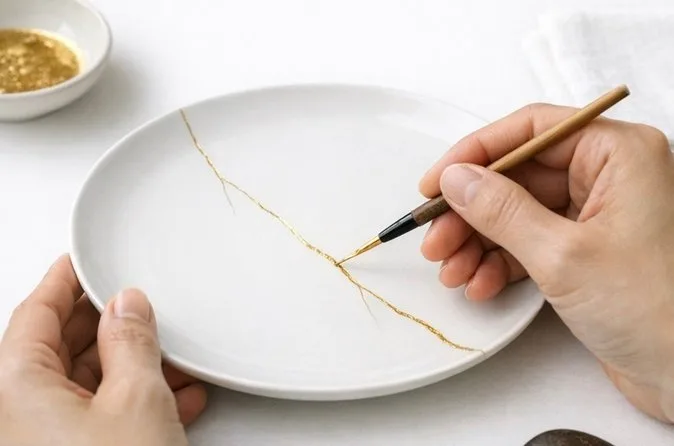
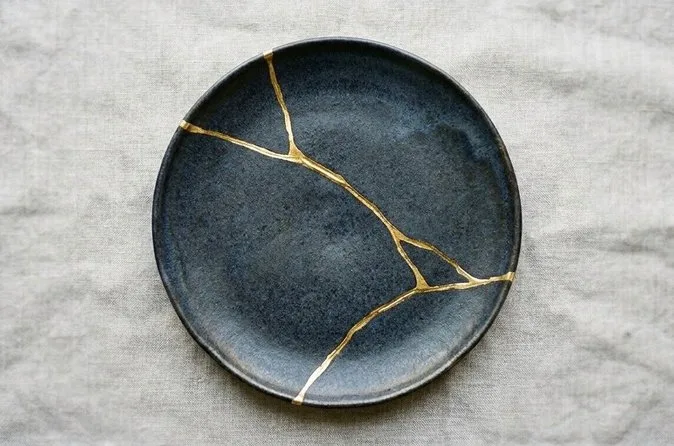
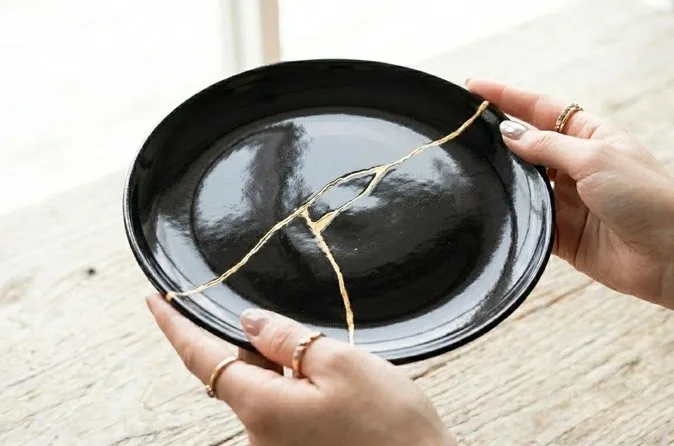



Gold-seamed cracks turn a broken plate into something whole again
A kintsugi workshop in central Kyoto where you repair a ceramic plate using the traditional Japanese technique of highlighting cracks with gold-colored lacquer. The 75-minute session includes bilingual staff guidance, all tools, and the plate you work on. You leave with your finished piece. Children must be at least 7 years old. The space is wheelchair accessible.
Compare the 12 alternatives
 Kyoto Kintsugi Gold Repair Pottery Class: Learn & Take HomeEvery day · First departure 10:00, last 18:00★ 4.93 (228)1h 30mENJP¥ 1,447View ›
 Kyoto: Gion Chopsticks Workshop & Custom EngravingEvery day · First departure 09:00, last 19:00 · All ages★ 4.96 (4,591)1hENJP¥ 1,000View ›
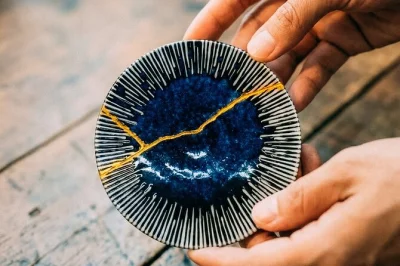 Kintsugi Workshop Kyoto: Repair Ceramics with GoldEvery day · First departure 10:00, last 17:00★ 4.93 (2,083)1h 30mENJP¥ 2,894View ›
 Kyoto Ring Making Workshop: Craft a Vintage Japanese Coin RingEvery day · First departure 09:00, last 18:30 · All ages★ 4.96 (3,177)1hENJP¥ 2,000View ›
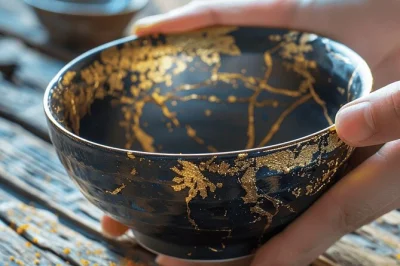 Kintsugi workshop in Kyoto: Repair ceramics with goldEvery day · First departure 09:00, last 18:00 · All ages★ 4.95 (1,724)1h 30mENJP¥ 2,800View ›
 Kyoto Gion: Make Your Own Chopsticks WorkshopEvery day · First departure 10:00, last 18:00★ 4.95 (1,945)1hENJP¥ 1,000View ›
 Kyoto Chopstick Making Class: Shape & Take Home Your OwnEvery day · First departure 10:00, last 18:00★ 4.97 (145)1hENJP¥ 1,000View ›
 Kyoto Coin Ring Making Workshop: Transform Vintage CoinsEvery day · First departure 10:00, last 18:00★ 4.96 (497)1hENJP¥ 2,000View ›
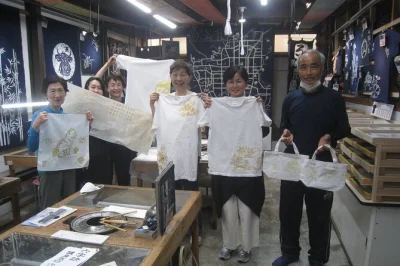 Roketsu Dyeing Workshop in Kyoto: Draw & Dye YourselfEvery day except Wednesday · First departure 10:00, last 16:00 · From age 3★ 4.95 (197)2hJP¥ 3,900View ›
 Kyoto: Chopstick Making Class in Gion & Name EngravingEvery day · First departure 09:00, last 19:00 · All ages★ 4.90 (121)30mEN · JAJP¥ 1,000View ›
 Kyoto: Washi Papermaking Workshop with Seasonal FlowersEvery day except Thursday · First departure 09:00, last 15:30 · All ages★ 5.00 (99)1hEN · JAJP¥ 5,000View ›
 Chopstick Making Workshop Kyoto: Take Home Your Own PairEvery day · First departure 09:00, last 18:30 · From age 6★ 4.98 (993)1hEN · JAJP¥ 1,000View › Compare more experiences like this »
The experience
The workshop sits in Kyoto's cultural heart, designed to let you slow down and focus on the repair itself. You'll work with a ceramic plate and learn the step-by-step process of kintsugi: a technique rooted in the Japanese philosophy of finding beauty in imperfection rather than hiding damage. The staff speak English and Japanese, guiding you through preparing materials and applying the gold-colored lacquer to transform cracks into deliberate design features. By the end of the 75 minutes, you'll have a one-of-a-kind piece that carries the marks of the repair as part of its story.
The experience is built for beginners with no prior pottery or art experience needed. You work at your own pace, and the calm atmosphere lets you absorb not just the technique but the cultural idea behind it: that broken objects deserve care and renewal rather than disposal. The workshop provides everything: the ceramic plate to repair, all the tools, and the lacquer materials. You take the finished plate home as a tangible reminder of what you made.
What’s included
- Use of the workshop space and all tools.
- a plain ceramic plate.
- bilingual staff guidance in English and Japanese.
- lacquer and gold-colored materials for the repair.
Before you book
Prices and times updated 4 days ago
Operated by Traveling Kyoto
Is this one for you?The workshop runs 75 minutes of hands-on work at a relaxed pace, so it suits anyone who wants to learn a craft without a full day commitment. Children must be at least 7 to participate. The space is wheelchair accessible and near public transportation.
Traveler reviews
Top questions
Can children come?
Yes. Ticket types: Child (under 13).
What exactly is kintsugi and why is it done this way?
Kintsugi is the traditional Japanese art of repairing broken pottery by filling cracks with lacquer and gold, turning damage into a visible and beautiful part of the piece. Rather than hiding the break, the technique celebrates it, rooted in the philosophy that imperfection and repair add meaning and beauty to an object.
Do I need any experience with pottery or art to join this workshop?
No experience is required. The workshop is designed for beginners, and the bilingual staff guide you through each step of the repair process, so you'll learn as you work.
Will I actually take home the plate I repair?
Yes, you take home the ceramic plate you repair during the session. It's your own finished work of art and a lasting reminder of the experience.
How long does the workshop take?
The session runs 75 minutes, which includes learning the technique, repairing your ceramic plate, and applying the gold-colored lacquer finish.
What's included in the workshop fee?
The workshop includes use of the space and all tools, a plain ceramic plate to repair, bilingual staff instruction in English and Japanese, and all the lacquer and materials you need to complete the piece.
Are there different plate options I can choose?
A variety of plates is available as an upgrade option at checkout, so you can select a different ceramic piece if you prefer beyond the standard plain plate included in the base workshop.
Kintsugi pottery repair workshop in Kyoto: Repair your own plate
1h 15m · EN
from JP¥ 2,500 per person
4.97231 reviewsVerified traveler reviews via our booking provider