




Rio Little Africa Walking Tour: Slave Trade History & Samba Heritage
The Wharf Where 900,000 Arrived: Rio's Reckoning with Little Africa
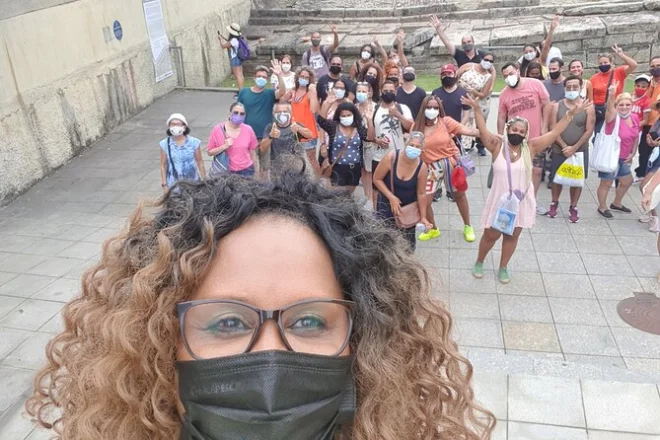
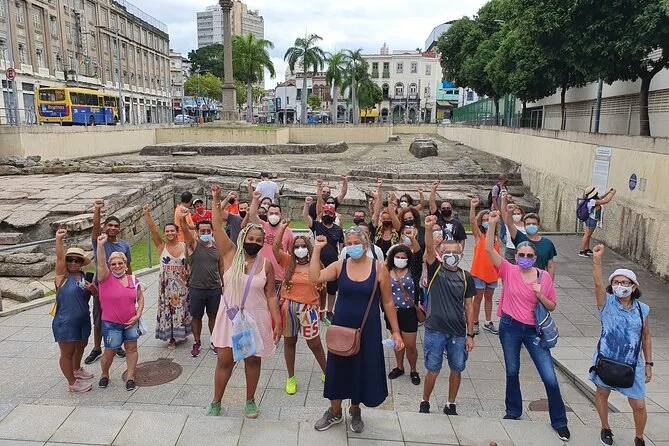
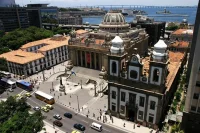
You walk through Rio's Port district with a guide, moving between the Valongo Wharf (where 900,000 Africans arrived), Pedra do Sal's samba heritage sites, the Mercedes Baptista statue, the Ethnicities mural, and two museums dedicated to African-Brazilian history and archaeology. The tour takes about four hours, includes an air-conditioned vehicle for breaks, and covers the arrival, survival, and cultural legacy that shaped modern Brazil.
Options for this experience
5 optionsSee 2 more options
Step-by-step itinerary
Explore Little Africa's cultural heritage
- Meet at Museum de Arte do Rio
- Visit Mercedes Baptista Statue at Largo da Prainha
- Explore samba history at Pedra do Sal
- Tour Cais do Valongo heritage site
- View Ethnicities mural in Zona Portuária
- Visit MUHCAB museum in Little Africa
- Walk to IPN museum and archaeological site
What’s included
Your tour includes a local guide, an air-conditioned vehicle for breaks between stops, and entry to the sites visited: the Rio Art Museum meeting point, Pedra do Sal, Cais do Valongo, the Ethnicities mural, MUHCAB museum, and IPN archaeological site and museum. Public transportation options are available nearby if needed.
Times
- Monday 09:00 09:30 10:00 10:30 14:00 14:30
- Tuesday to Friday 09:00 09:30 10:30 14:00
- Saturday and Sunday 09:00 09:30 10:00 10:30 14:00
Before you book
Operated by Florencios Tour
Prices and times updated 2 days ago
Traveler reviews
The experience
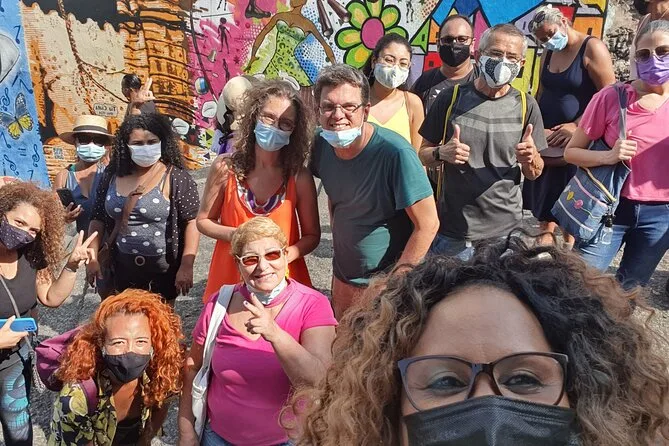
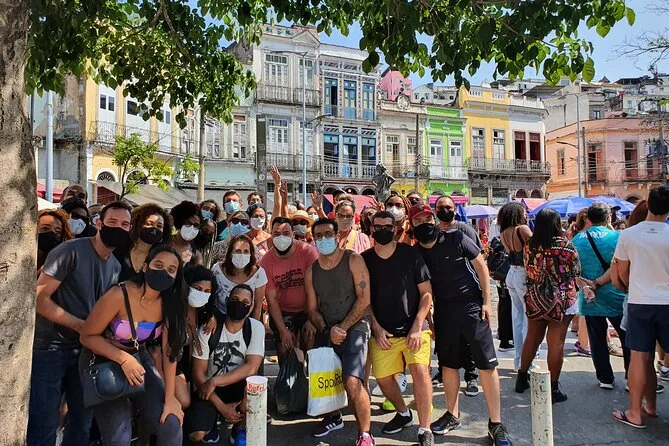
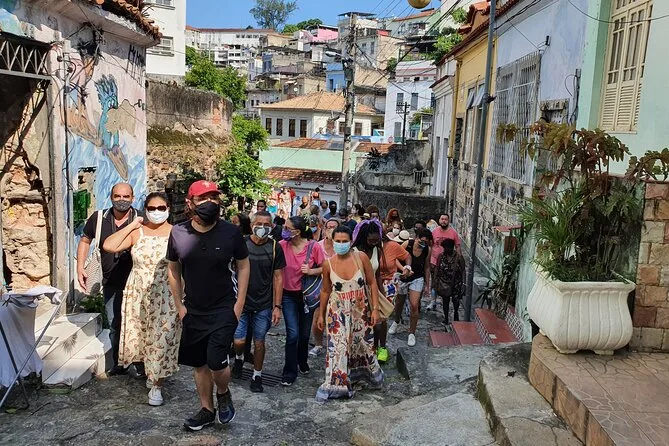
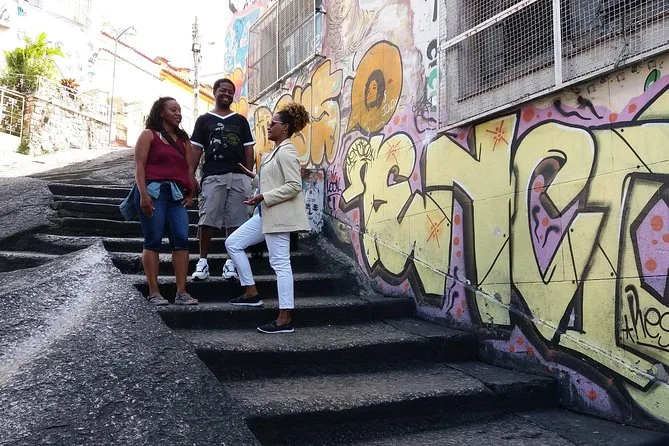
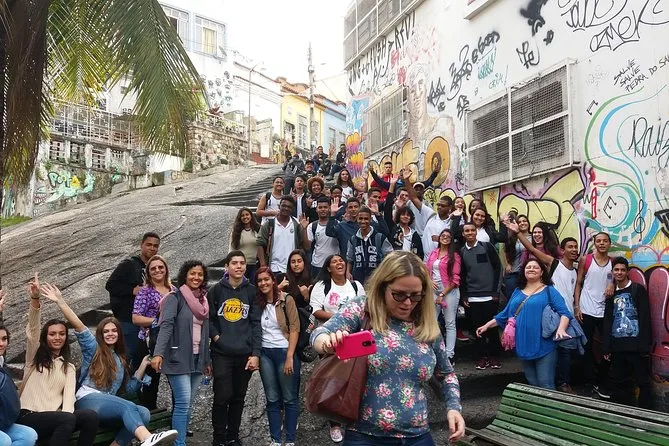
The stone steps at Pedra do Sal are worn smooth by hands that unloaded salt from Portugal in the 1800s: hands of enslaved Africans who then stayed to build samba itself in the rooms above. You start at the Rio Art Museum in Praça Mauá and walk into the Port district with a guide who knows the neighborhood not as a historical site but as a living place where that legacy still moves through the streets. The tour covers about four hours on foot, moving between six stops that map the arrival, resistance, and cultural flowering of African Brazil.
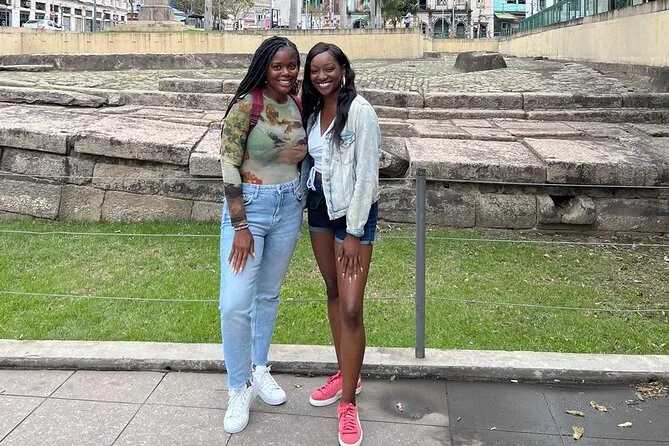
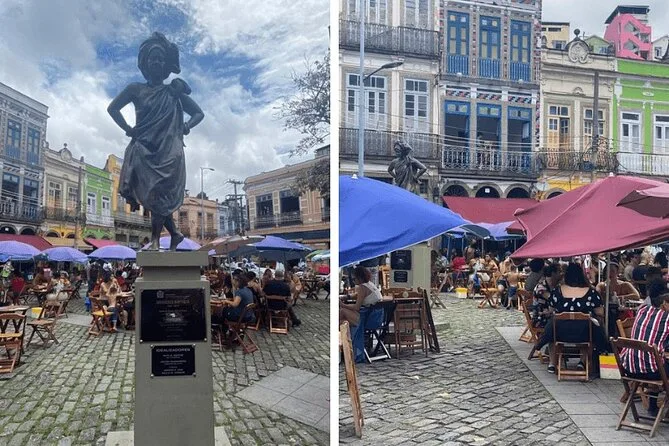
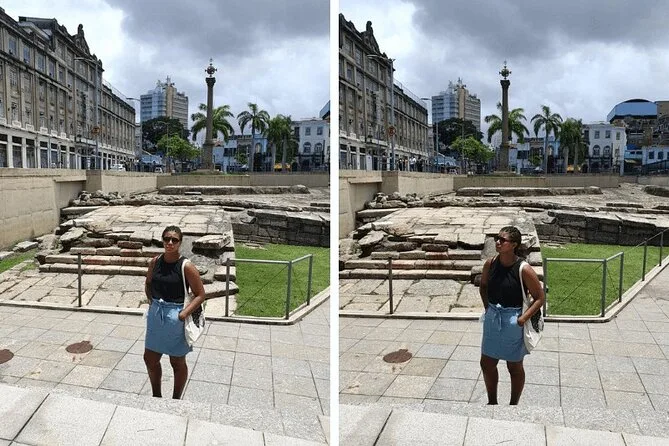
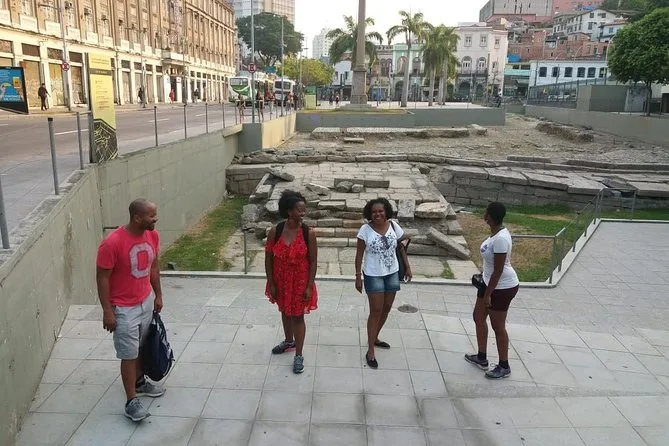
Cais do Valongo is the anchor: a UNESCO World Heritage wharf built in 1811 where roughly 900,000 enslaved Africans first set foot in South America. The archaeological layers are still visible in the stone, and standing there you're looking at the single most significant physical evidence of the African slave trade in the Americas. After that, you move to Largo da Prainha to see the Mercedes Baptista statue, honoring the first African-Brazilian woman to join the Municipal Theater's ballet company in the late 1940s. The guide walks you through what that meant: a door opening in a city that had not opened doors.
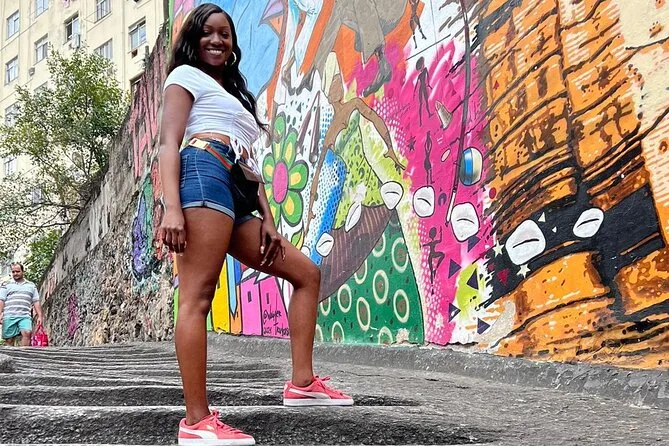
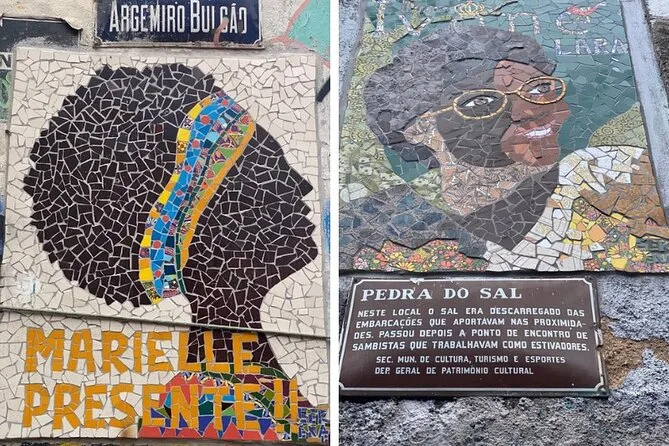
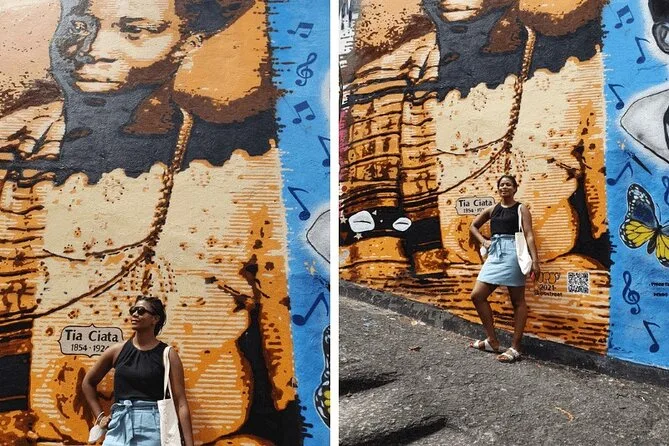
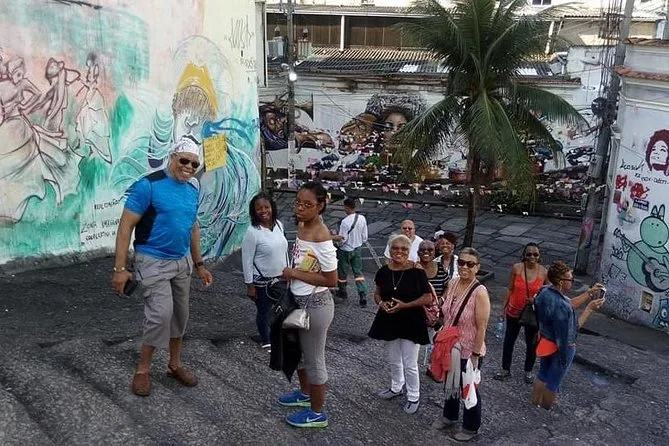
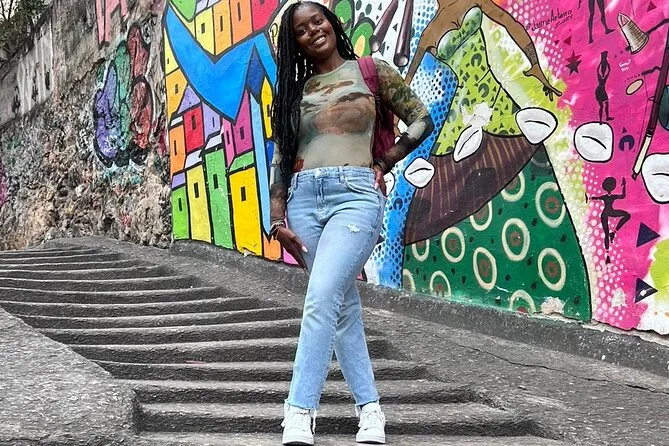
Pedra do Sal itself is where the samba circles still happen. The sambistas and dock workers would gather in the homes of Bahian women after their shifts, and figures like Pixinguinha played there regularly. Today it's still a gathering place, still alive with music and community. You'll also see the Ethnicities mural, a 3,000-square-meter painting made for the 2016 Olympics: five tribal representatives from different continents, painted over two months with over 3,000 spray cans. Then comes MUHCAB, the museum in Little Africa itself, which tells the story of the Valongo arrival and the milestones of Black affirmation in Brazil since. The last stop is IPN, an archaeological site and museum built on what was called the New Blacks Cemetery, now a cultural space offering workshops on African-descended history and contemporary Black life in Rio.
You'll need comfortable walking shoes and water. The guide is included, and the air-conditioned vehicle is there if you need a break between stops, though the walking is the point. It's how you move through the neighborhood the way people actually do, not how you pass through it. Public transport is nearby if you need it. The tour doesn't rush. It lets the places speak, and the guide fills in what the stones can't say on their own.
Is this one for you?This tour is for anyone wanting to understand how African history shaped modern Brazil and Rio itself: the guide and the walking pace let you absorb the neighborhood's story rather than rush through it, and the museums anchor what you see in the streets with context and detail.
Compare the 12 alternatives


Top questions
What languages is the tour guided in?
Live guide in English, Spanish and Portuguese.
Can children come?
Yes. Ticket types: Child (5 to 10 years). Children under 5 can't be included in the booking.
What happens if it rains?
It may be canceled due to bad weather. If that happens, you're offered another date or a refund. Free cancellation up to 24 h before the start.
Where do I meet the guide?
At the Rio Art Museum (Museu de Arte do Rio) in Praça Mauá, 5, Centro, Rio de Janeiro. There is no hotel pickup on this tour.
How long is the walking tour?
Approximately four hours, covering six main stops across the Port district.
What is Cais do Valongo?
A UNESCO World Heritage wharf built in 1811 where an estimated 900,000 enslaved Africans arrived in South America. It is the most significant physical evidence of the African slave trade in the Americas.
Is there transportation between stops?
Yes, an air-conditioned vehicle is included and available for breaks between walking sections.
What museums are included?
MUHCAB, a museum in Little Africa that tells the story of the Valongo arrival and Black affirmation in Brazil, and IPN, an archaeological site and museum on the site of the New Blacks Cemetery.
Is this tour suitable for people with mobility concerns?
The tour involves walking between outdoor sites. It is not recommended for travelers with spinal injuries or poor cardiovascular health. Public transportation is available nearby if needed.
What is Pedra do Sal?
A historic site where enslaved Africans unloaded salt and carved steps in the 1800s. It became the birthplace of urban carioca samba and remains a hub for samba circles and cultural gatherings today.
Rio Little Africa Walking Tour: Slave Trade History & Samba Heritage
3h 30m · EN · ES · PT
from US$ 86 per person
Next, you choose your date and number of travelers and see the final price.