
Kigali City Tour: History, Art and Local Highlights


From the Genocide Memorial to Biryogo's car-free streets, a guide who knows Kigali's layers.
A six to seven hour Kigali city tour with a professional English-speaking driver-guide, hotel pickup and drop-off, and lunch at a local restaurant. The itinerary moves through the Kigali Genocide Memorial, the Kandt House Museum, Mount Kigali for city views, the mural street and Nyamirambo Women's Center, Biryogo Car-Free Street, the Belgian Peacekeepers Memorial, and Imbuga City Walk. The guide shapes the stops to your interests (history, culture, or everyday life), and the pace stays flexible throughout the day.
Compare the 12 alternatives
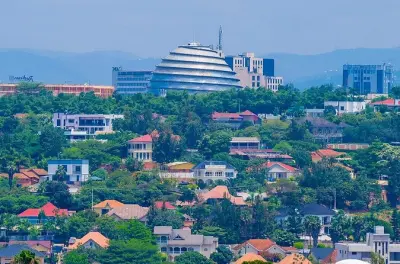 Kigali City Tour with Genocide Memorial and ZiplineEvery day · From age 3★ 4.50 (4)4h–8hEN · FRUS$ 150View ›
 Kigali Walking Tour: Belgian Memorial, Biryogo & Street ArtEvery day · 09:30 and 15:00 · From age 12★ 4.87 (79)2h–3hENUS$ 29View ›
 Kigali City Tour: Private guide through Rwanda's capitalEvery day · First departure 07:00, last 18:00★ 4.85 (80)4hEN · FRUS$ 122View ›
 Kigali City Sightseeing Tour: Market, Memorial & Rooftop ViewsEvery day · 10:00 and 13:00 · From age 6★ 4.77 (53)7h–8hENUS$ 95View ›
 Kigali City Tour: Genocide Memorial, Market & Mount KigaliEvery day · 09:00 · Up to age 75★ 4.90 (21)1h–5hEN · FRUS$ 125View ›
 Kigali: Walking Tour with Akilah Student Guides & NyamiramboMon–Sat★ 4.60 (5)1h–2hENUS$ 46per groupView ›
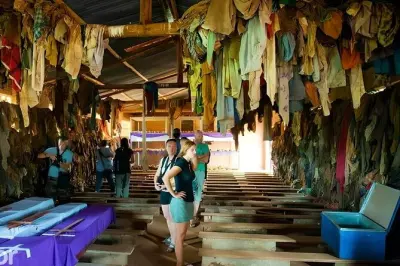 Ntarama & Nyamata Memorials Kigali Day Trip Lake BugeseraEvery day · 09:00 · All ages★ 5.00 (1)8hEN · FRUS$ 175View ›
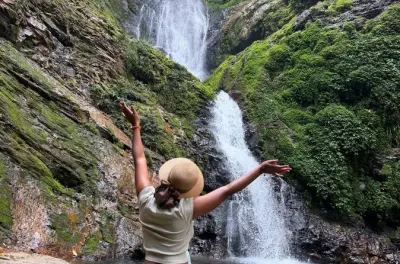 Ziplining in Nyungwe National Park from Kigali: Three sections up to 500mEvery day · 04:00, 04:15 and 04:30★ 5.00 (2)15h–18hEN · FRUS$ 300View ›
 Kigali Private City Tour: Genocide Memorial & Local MarketsEvery day · 08:00 · From age 12★ 5.00 (1)6hEN · FRUS$ 150View ›
 Learn weaving in rural Kigali: A day with local artisansEvery day · All ages★ 5.00 (17)8hEN · FRUS$ 90View ›
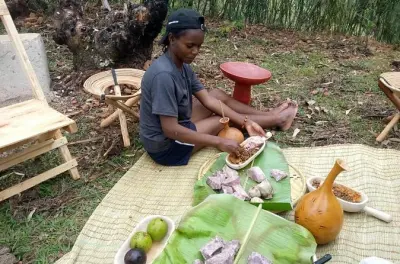 Rwanda Local Community Tour: Coffee, Cultural Village & FoodEvery day · 07:00 · Up to age 80★ 4.80 (10)5h–7hEN · FRUS$ 170View ›
 Private Full-Day Kigali City Tour with Pickup and LunchEvery day · 09:00, 09:30 and 13:00★ 4.89 (89)8hEN · FR
Step-by-step itinerary
Explore Kigali's history and culture
- Pick up from hotel in Kigali
- Visit Kigali Genocide Memorial
- Explore Kandt House Museum
- Enjoy scenic view from Mount Kigali
- Admire murals and visit Nyamirambo Women’s Center
- Walk through Biryogo Car-Free Street
- Visit Belgian Peacekeepers Memorial
- Stroll Imbuga City Walk and shop
- Visit local art gallery and workshops
- Optional visit to Kimironko Market
- Drop off at preferred Kigali location
The experience
Your driver-guide picks you up from your hotel and starts at the Kigali Genocide Memorial, a UNESCO World Heritage site and place of remembrance for the 1994 genocide. Entry is free. An audio guide ($20) deepens the context if you want it. From there, the Kandt House Museum walks you through three periods: pre-colonial Rwanda, the colonial era and Dr. Richard Kandt's legacy, and Rwanda's natural world and Kigali's transformation into today's city. The entry fee is $12.
Mount Kigali gives you a full view of the city and the Nyabarongo River, then the route moves into the neighborhoods where Kigali actually lives. You'll see the mural street's local artwork, stop at the Nyamirambo Women's Center to learn about community work, and walk through Biryogo Car-Free Street: a lively pedestrian zone filled with cafés and vendors where locals gather. The Belgian Peacekeepers Memorial honors ten UN soldiers killed at the start of the genocide while protecting the Prime Minister, and Imbuga City Walk is another vibrant pedestrian street with gift shops and the iconic Kigali signage for photos.
If time allows, the guide takes you to an art gallery (a cultural space with workshops and local work you can take home), and Kimironko Market, a bustling hub of produce, crafts and local food that shows everyday Rwandan life. Lunch at a local restaurant is included, and you get bottled water, air-conditioned transport, and Wi-Fi on board. The driver drops you back at your hotel at the end.
What’s included
- Hotel pickup and drop-off.
- professional English-speaking driver-guide.
- private air-conditioned transportation.
- lunch at a local restaurant.
- bottled drinking water.
- Wi-Fi on board.
Before you book
Prices and times updated today
Operated by Iriza Tours & Safaris
Is this one for you?Book this tour if you want to move through Kigali with someone who knows the city's history and neighborhoods: the guide shapes the pace and stops to what interests you most, whether that's the memorials, the art galleries, or the markets and streets where locals spend their day.
Traveler reviews
Top questions
Can children come?
Yes. Ticket types: Child (under 13).
What is the Kigali Genocide Memorial like, and how long do you spend there?
The Kigali Genocide Memorial is a UNESCO World Heritage site dedicated to the victims of the 1994 genocide. It serves as a place of remembrance, education, and reflection on Rwanda's history. The tour includes entry, and an optional audio guide ($20) provides deeper historical context. Dress respectfully for this solemn visit.
Can I see the city from above on this tour?
Yes. Mount Kigali is one of the stops, and from the top you see the entire city, the Nyabarongo River, and views toward the Southern Province. The mountain is where Kigali got its name.
What neighborhoods do you actually walk through?
You walk through Biryogo Car-Free Street, a lively pedestrian zone with cafés and street vendors where locals gather, and Imbuga City Walk, another vibrant pedestrian street with gift shops and the iconic Kigali signage. You also stop at the mural street to see local artwork and visit the Nyamirambo Women's Center to learn about community empowerment work.
Is lunch included, and where do you eat?
Lunch at a local restaurant is included in the tour. The guide chooses based on the day's flow and your preferences.
How long is the tour, and what time does it start?
The tour runs six to seven hours. Your driver-guide picks you up from your hotel at your scheduled time and drops you back at your preferred location in Kigali when the tour ends.
What is the Kandt House Museum, and what does it cover?
The Kandt House Museum explores Rwanda's journey through three sections: pre-colonial Rwanda, the colonial period and the legacy of Dr. Richard Kandt, and Rwanda's natural treasures and Kigali's transformation into the capital today. Entry is $12.
Kigali City Tour: History, Art and Local Highlights
6h–7h · EN · at your hotel
from US$ 129 per person
4.93121 reviewsVerified traveler reviews via our booking provider