
Private Kathmandu tour: Old Durbar Square, temples & stupas


See Kathmandu's sacred sites without arranging the logistics yourself
A private guided tour of Kathmandu visits Old Durbar Square, Swayambhunath (Monkey Temple), Pashupatinath Temple and Bouddhanath Stupa over five to seven hours, with a professional English or Hindi-speaking guide, hotel pickup and drop-off, and an air-conditioned car with driver included. The itinerary is flexible—you decide how long to spend at each stop and when to break for lunch. Monument entry fees are paid locally in Nepali rupees; lunch is optional and arranged by the guide at local restaurants.
 5h–7h
5h–7h

Step-by-step itinerary
Tour major Kathmandu highlights
- Depart from hotel
- Visit Old Durbar Square
- Drive to Swayambhunath (Monkey Temple)
- Tour Pashupatinath Temple
- Visit Bouddhanath Stupa
- Drive back to hotel

The Experience
What makes this tour different is the flexibility. You're not locked into a fixed schedule or a group pace—the guide works around what interests you most. Old Durbar Square, the ancient palace complex at the heart of Kathmandu, gets an hour; from there the car takes you to Swayambhunath, the oldest Buddhist stupa on the highest hill in the valley, a 30-minute drive. Pashupatinath Temple, where open cremation ceremonies take place on the riverbank, is next, with about an hour there and a 30–40 minute drive to reach it. The last stop is Bouddhanath Stupa, the largest in the Kathmandu valley and the center of Tibetan life in the city.
Your guide is a professional who speaks English or Hindi and knows the history and the rhythms of each site. The car is air-conditioned and sized to your group—a couple travels in a car, a family in a van. The driver stays with you the whole time. Hotel pickup and drop-off are included, so you don't negotiate transport or navigate to the first stop. If you want lunch, the guide takes you to a restaurant they know; you pay there directly. Monument entry fees—about 2,600 Nepali rupees per person—are paid on-site in local currency, not bundled in advance.
The tour runs five to seven hours depending on how long you linger at each place. You can book it as a four-stop tour (six hours) or add a seventh UNESCO site if you want a longer day. Either way, you're moving at your own speed, not the group's, and the guide adjusts based on what you want to see and how much time you want to spend there.

What’s included
- Hotel pickup and drop-off.
- private air-conditioned car or van sized to your group.
- professional guide in English or Hindi.
- driver for the full day.
- car parking and fuel.
Operated by Himalaya Holiday service Pvt. Ltd.(HHS)
Is this one for you?Book this tour if you want to see Kathmandu's four major sacred sites without building the day yourself—the guide handles the route, the timing and the stops, so you focus on what you're looking at instead of logistics. The flexible itinerary means you set the pace at each temple and stupa, not the other way around.
Traveler reviews
Compare the 13 similar options
 Private Kathmandu tour: Old Durbar Square, temples & stupas★ 5.00 (96)5h–7hEN · HIUS$ 39
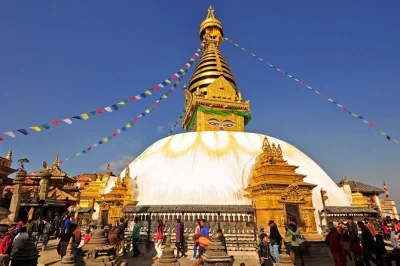 Private Kathmandu Valley Tour: 7 UNESCO Sites in One DayPrivate day tour of Kathmandu Valley with English guide visiting UNESCO sites. Includes hotel pickup, transport, water, and lunch.★ 4.95 (850)4h–10hENUS$ 8View ›
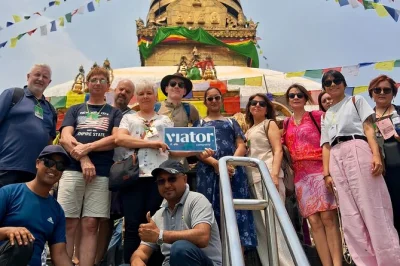 Kathmandu: 7 UNESCO Sites Day Tour with Lunch & PickupMeet locals, see Kathmandu’s 7 UNESCO sites in one day, taste street snacks, and travel with a guide. Includes hotel pickup, lunch, and all entry fees.★ 4.94 (527)8h–9hENUS$ 8View ›
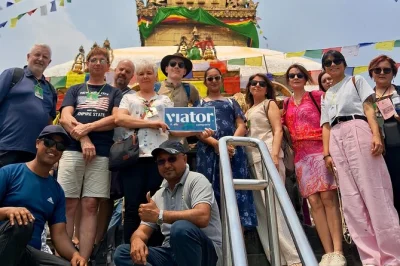 Kathmandu UNESCO Tour: 4 Heritage Sites with LunchFull-day Kathmandu tour visiting Pashupatinath, Boudhanath, Patan Durbar Square and Swayambhunath with English guide, hotel pickup and lunch box included★ 4.94 (307)5h–6hENUS$ 10View ›
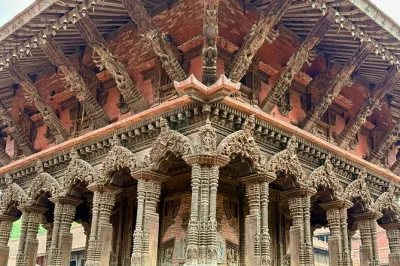 Kathmandu UNESCO Tour: 7 Heritage Sites in One DaySee all seven UNESCO World Heritage Sites in Kathmandu Valley in a single day with private vehicle and guide—Swayambhunath, Durbar Squares★ 4.97 (271)8h–12hENUS$ 45View ›
 Kathmandu Valley: 7 UNESCO Sites Day Tour with Lunch & PickupFeel the pulse of Kathmandu’s heritage in one day—7 UNESCO sites, street sounds, temple rituals, and local stories. Includes pickup, guide & lunch box.★ 4.98 (126)7h–9hEN · HIUS$ 20View ›
 Nepal: 7-Day Private Tour Kathmandu Pokhara Chitwan NagarkotFeel Nepal’s rhythm from Kathmandu to Pokhara, Chitwan & Nagarkot. See sunrise at Sarangkot, meet elephants, and wander ancient squares. Includes hotels & local guide.★ 5.00 (103)7dENUS$ 1,000View ›
 Kathmandu: 4 UNESCO Sites Private Tour with Ram & LunchPrivate tour of Kathmandu's four UNESCO heritage sites: Swayambhunath, Pashupatinath, Boudhanath, and Patan Durbar Square with guide, hotel pickup, and lunch.★ 5.00 (116)5h–7hENUS$ 8.50View ›
 Kathmandu: 4 UNESCO Sites & Durbar Square Private TourPrivate tour of Kathmandu's four UNESCO World Heritage Sites: Swayambhunath, Durbar Square, Pashupatinath Temple and Boudhanath Stupa. Includes guide, transport and pickup.★ 4.93 (41)7h–8hENUS$ 105View ›
 Kathmandu UNESCO Heritage Tour: Private Guide & 5 SitesFull-day private tour of Kathmandu's UNESCO World Heritage sites with hotel pickup, private guide and transport—visit Swayambhunath, Durbar Square★ 4.56 (27)5h–8hENUS$ 60View ›
 Private Kathmandu Valley Tour: All 7 UNESCO sites in one dayPrivate day tour of Kathmandu Valley hitting all 7 UNESCO World Heritage Sites with experienced guide, private car and hotel pickup. Around 8 hours.★ 4.95 (109)8h–10hENUS$ 35View ›
 Kathmandu UNESCO World Heritage Tour: 5 sites in one dayVisit five UNESCO World Heritage sites across Kathmandu in a single day with private transport and an English-speaking guide, including Swayambhunath★ 5.00 (90)6h–7hEN · ZH +1US$ 50View ›
 Nagarkot Sunrise & Bhaktapur Heritage Full-Day TourPrivate full-day tour from Kathmandu with hotel pickup, English-speaking guide, breakfast and vehicle included★ 4.23 (43)5h–7hENUS$ 60View ›
Top questions
What is Old Durbar Square and why spend an hour there?
Old Durbar Square is Kathmandu's ancient palace complex, filled with Hindu temples and Buddhist monasteries built side by side. It's a UNESCO World Heritage site where you can see the Hanuman Dhoka palace and the residence of the Kumari, a young girl revered as a living goddess until she reaches puberty. An hour gives you time to walk the courtyards and understand the layered history without rushing.
Can I choose how long to spend at each temple?
Yes. The itinerary is flexible and the guide arranges timing around what you want to see. If Pashupatinath Temple interests you most, you can spend more time there; if you'd rather move through quickly, the guide keeps the pace moving. Lunch is also optional and timed by you—the guide simply takes you to a restaurant when you're ready.
Do I need to pay entry fees upfront or are they included?
Monument entry fees are paid locally at each site in Nepali rupees, not included in the tour price. The cost is approximately 2,600 rupees per person total. The guide will tell you what to expect at each stop.
What's the difference between the four-stop and seven-site options?
The four-stop tour covers Old Durbar Square, Swayambhunath, Pashupatinath and Bouddhanath over six hours. The seven-site option adds three more UNESCO locations and runs nine hours. Both follow the same flexible itinerary structure; you choose based on how much time you have and how many sites you want to see.
Is lunch included, and can the guide recommend restaurants?
Lunch is optional and not included in the tour price. When you're ready to eat, the guide takes you to a local restaurant they know—hygienic, with good food—and you pay the restaurant directly. This way you're not locked into a set meal time or a predetermined place.
What language does the guide speak?
Your guide speaks English or Hindi. Let the operator know your preference when you book so they can assign the right guide for your group.
Private Kathmandu tour: Old Durbar Square, temples & stupas
5h–7h · EN · HI · at your hotel
from US$ 39 per person
★★★★★★★★★★5.0096 reviewsVerified traveler reviews via our booking provider
