
Everest Base Camp Trek from Kathmandu: 14 Days
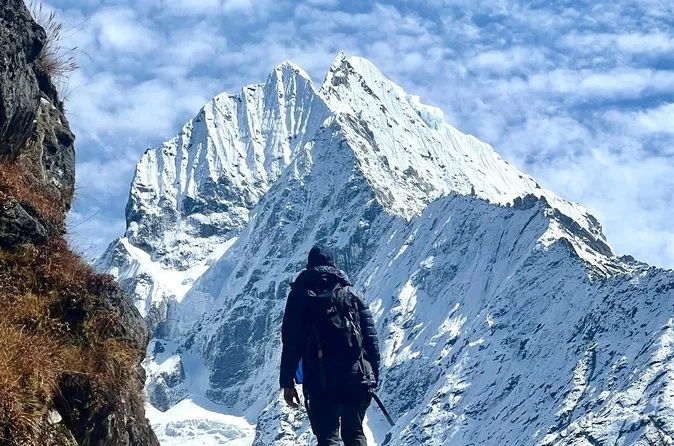
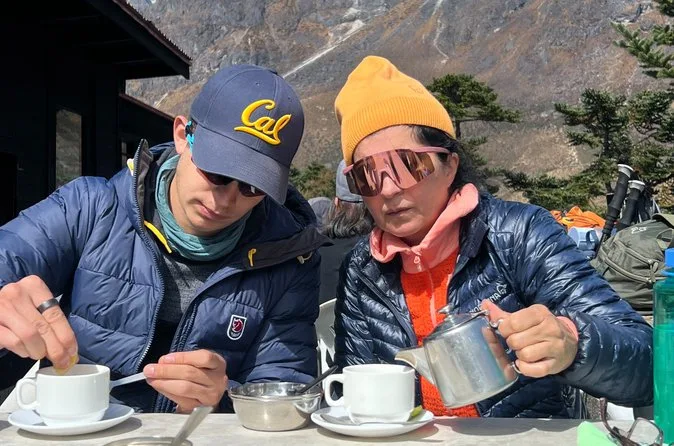
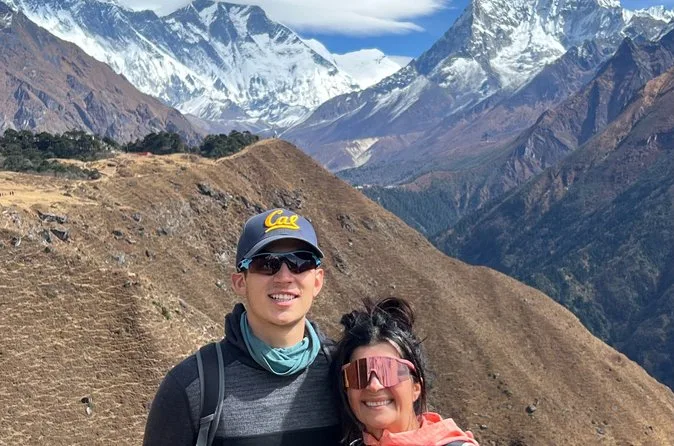
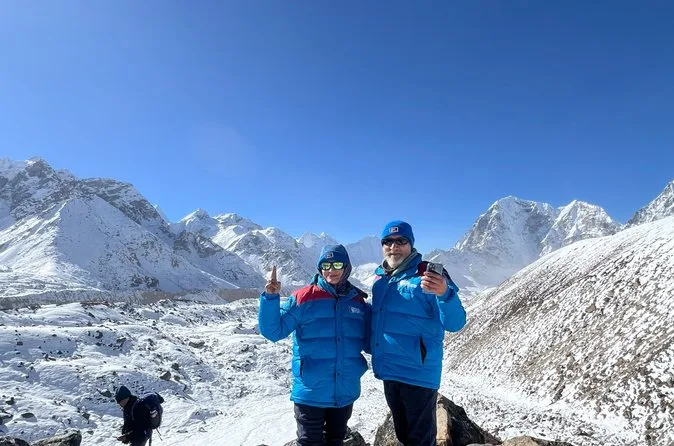
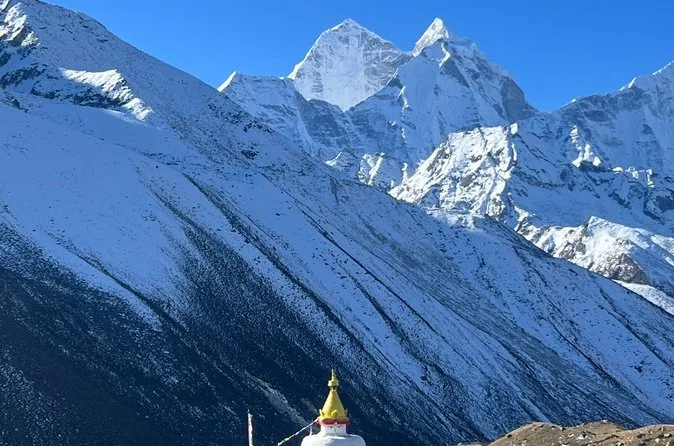
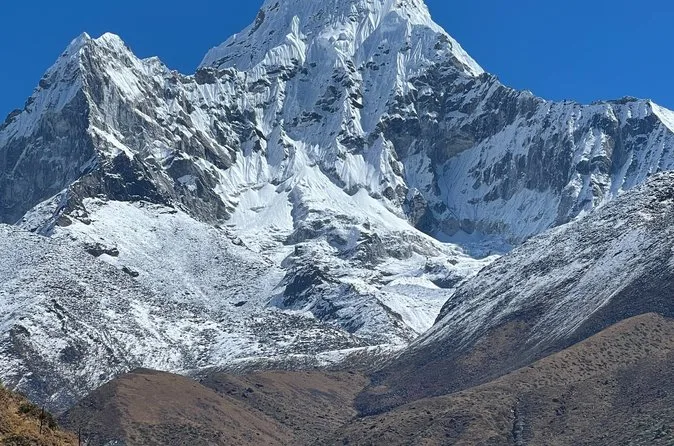
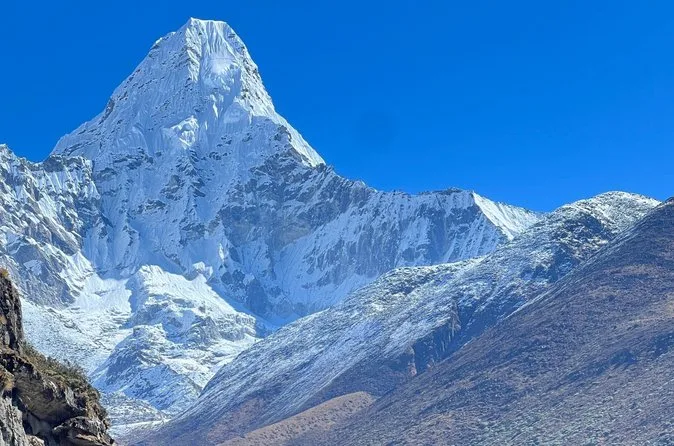
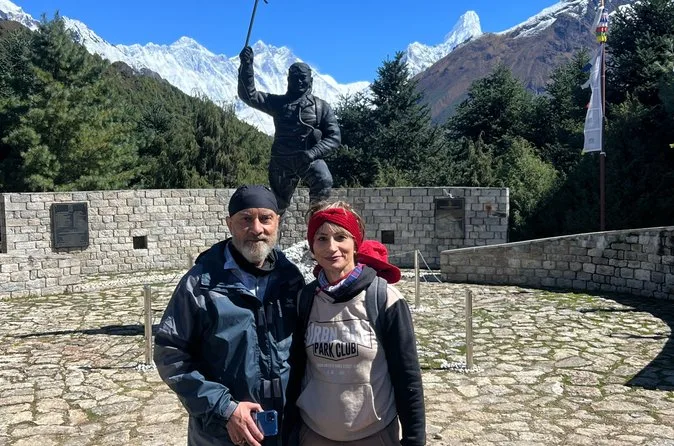
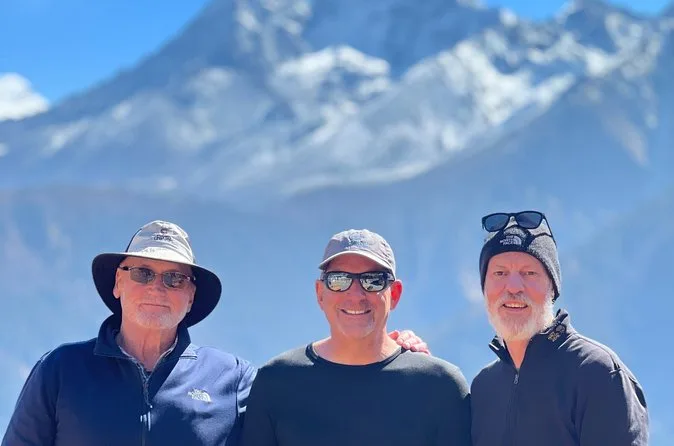
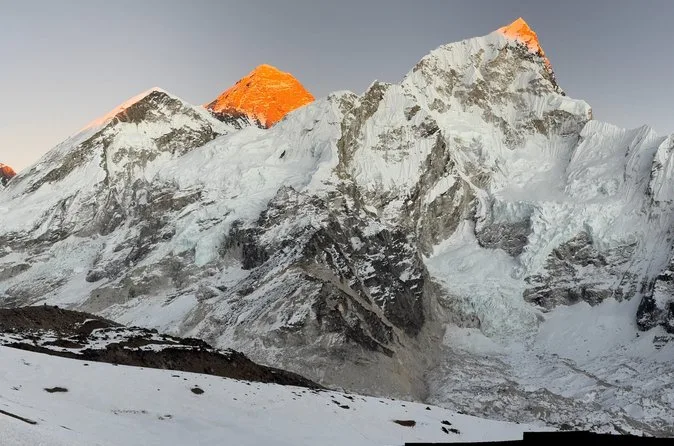
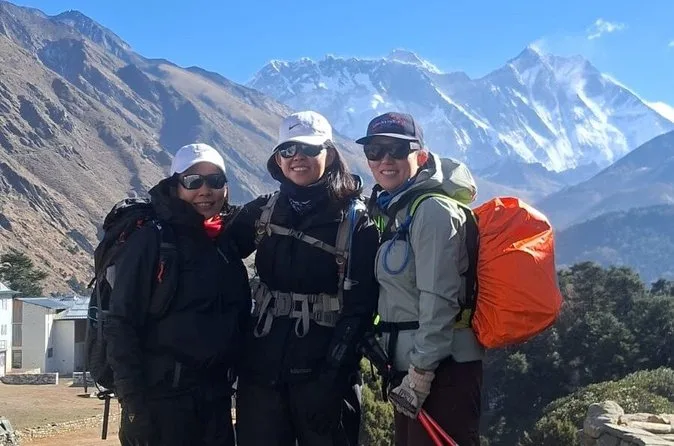
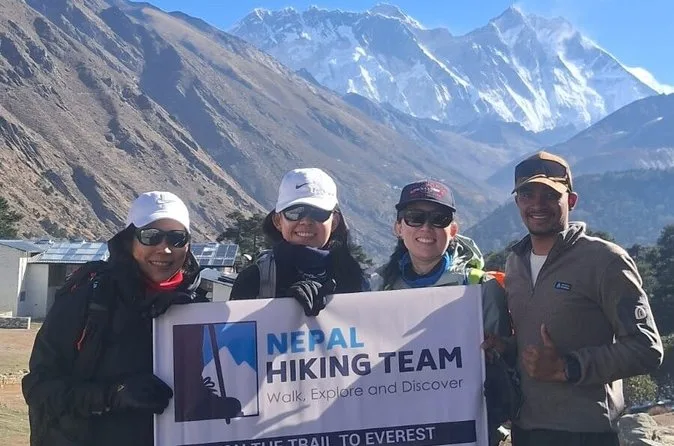
Two weeks walking toward Everest, starting from a Kathmandu teahouse
You fly into Lukla, walk lodge-to-lodge through the Khumbu for 12 days with a guide and porter, reach Everest Base Camp and Kala Patthar, then fly back out. All meals, accommodation, permits, and transport are arranged. You bring fitness and the right gear. The trek takes 14 days total from Kathmandu arrival to departure.
Compare the 12 alternatives
 Annapurna Base Camp Trek from Kathmandu or Pokhara: 5 DaysEvery day · 06:45 and 07:45 · From age 7★ 5.00 (176)5dEN · HIUS$ 200View ›
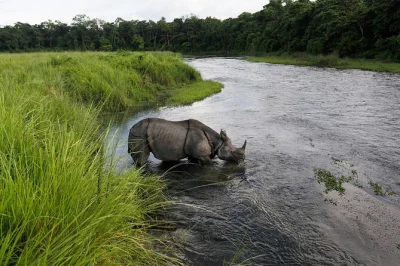 Chitwan: 3-Day Jungle Safari, Tharu Village & Jeep TourEvery day · From age 5★ 4.86 (191)3dENUS$ 200View ›
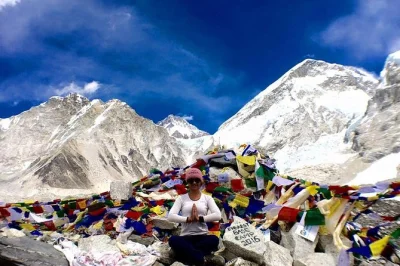 Everest Base Camp Trek from Kathmandu: 12 DaysEvery day · first departure 00:15, last 23:45 · From age 10★ 4.97 (575)14dENUS$ 1,700View ›
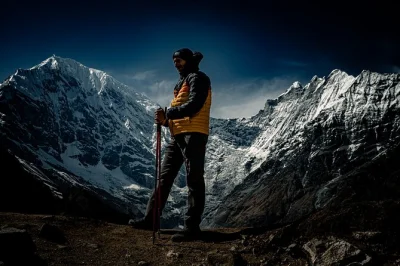 Langtang Valley Trek: Beginner-friendly Himalayan TrekEvery day · 06:45★ 4.99 (191)7dENUS$ 555View ›
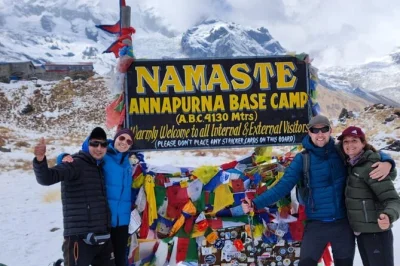 Annapurna Base Camp Trek: Local Guides, Permits & MealsEvery day · 06:15 · From age 9★ 4.99 (107)12dENUS$ 800View ›
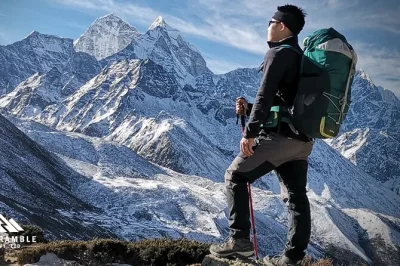 Everest Base Camp Trek from Kathmandu: 14 days to the mountainEvery day · 06:15 and 06:45 · From age 5★ 4.99 (372)13dENUS$ 1,420View ›
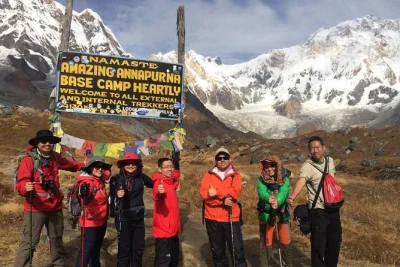 Annapurna Base Camp Trek from Kathmandu: 14 daysEvery day · first departure 06:30, last 14:15 · From age 10★ 5.00 (98)14dEN · HIUS$ 925View ›
 14-Day Everest Base Camp Trek from KathmanduEvery day · 06:15 and 08:00 · From age 8★ 4.98 (1,657)14dENUS$ 1,800View ›
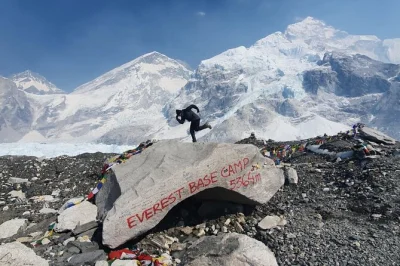 Everest Base Camp Trek 14 Days: Lukla Flight & Sherpa VillagesEvery day · 05:45 · From age 16★ 5.00 (78)14dENUS$ 999View ›
 Annapurna Circuit Trek Kathmandu: 12-Day Mountain LoopEvery day · first departure 00:45, last 17:45 · 15–80 years★ 5.00 (46)12dEN · DE +4US$ 1,450View ›
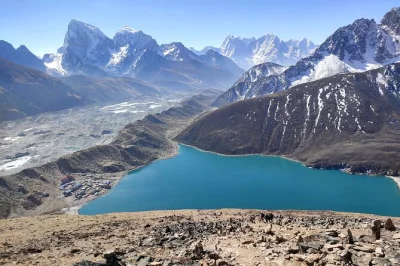 17-day Gokyo to Everest Base Camp Trek from KathmanduEvery day · 08:00 · From age 12★ 4.99 (123)17dENUS$ 2,200View ›
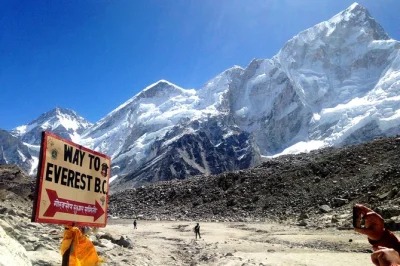 Everest Base Camp Trek from Kathmandu: 12 Days & Sherpa VillagesEvery day · 07:15 · From age 15★ 4.99 (234)14dEN · IT +1US$ 1,339View › Compare more experiences like this »
Step-by-step itinerary
Day 1: Arrival in Kathmandu
- Arrive in Kathmandu
Day 2: Travel to Phakding via Lukla
- Drive to Ramechap
- Fly to Lukla
- Trek to Phakding (8 km, 3 hrs)
Day 3: Trek to Namche Bazaar
- Trek to Namche Bazaar (10-12 km, 6 hrs)
Day 4: Acclimatization and Everest View
- Hike to Everest View Hotel (3-4 km, 3-4 hrs)
Day 5: Trek to Tengboche
- Trek to Tengboche (10-11 km, 5 hrs)
Day 6: Trek to Dingboche
- Trek to Dingboche (11-12 km, 5 hrs)
Day 7: Acclimatization hike at Dingboche
- Hike to Nagarjun Hill and return (5-6 km, 4-5 hrs)
Day 8: Trek to Lobuche
- Trek to Lobuche (11-12 km, 5 hrs)
Day 9: Everest Base Camp excursion
- Trek to Gorakshep (14-15 km, part of 8 hrs)
- Visit Everest Base Camp and return to Gorakshep
Day 10: Kala Patthar and trek to Pheriche
- Trek to Kala Patthar (part of 13-14 km, 7 hrs)
- Trek back to Pheriche
Day 11: Return trek to Namche Bazaar
- Trek to Namche Bazaar (14-15 km, 7 hrs)
Day 12: Trek to Lukla
- Trek to Lukla (18-19 km, 7 hrs)
Day 13: Fly back to Kathmandu
- Fly to Ramechap
- Drive to Kathmandu
Day 14: Departure from Kathmandu
- Departure
The experience
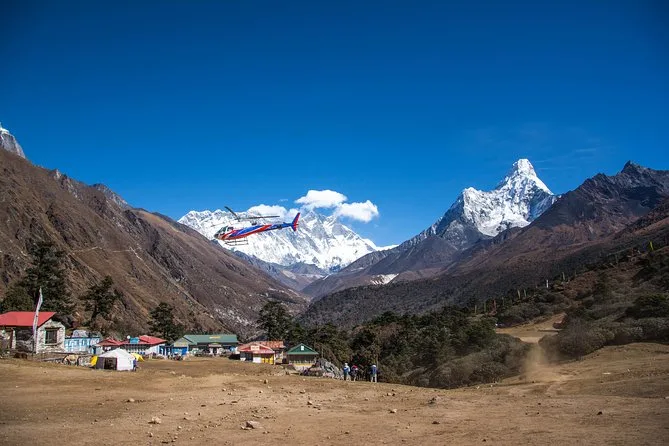
You'll meet your guide the morning you fly out of Kathmandu to Ramechap, and from there the small plane climbs toward Lukla. That first flight is the thing people talk about afterward: the runway tilts uphill, the mountains fill the window, and you land on what feels like a shelf cut into the ridge. Your guide will be waiting. He speaks English, carries a first aid kit, and knows the rhythm of the Khumbu region because he's walked it dozens of times. The trek to Everest Base Camp takes 14 days total, and the first three are about getting your body used to the altitude while you walk through villages where the lodges still smell like woodsmoke and butter tea.
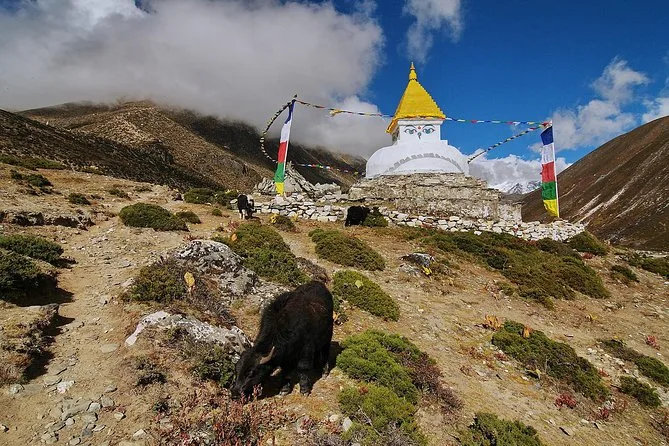
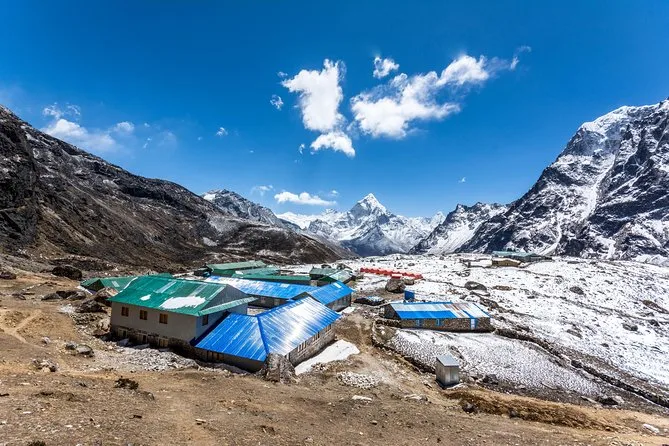
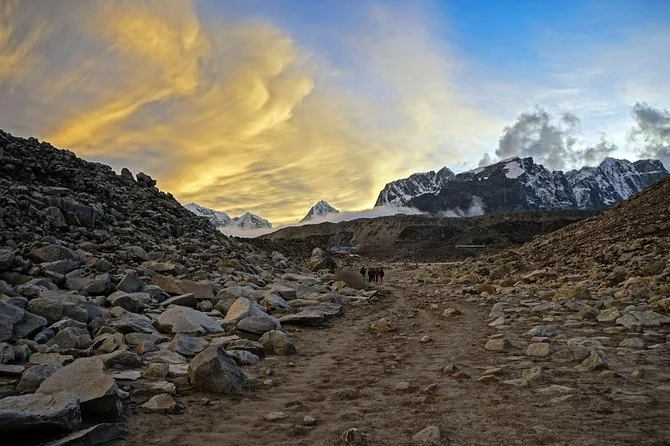
The route moves upward in stages. Day two you trek to Phakding at 8,699 feet: three hours, eight kilometers, mostly downhill from Lukla, which surprises people. Then Namche Bazaar, the real town in the region, where you spend a full acclimatization day hiking up to the Everest View Hotel and back down. The lodge-to-lodge system means you're not camping. You sleep in a bed, eat three meals a day (vegetarian options available if you request them at booking), and the porter carries your heavy gear so your daypack stays light. By day five you're at Tengboche, where the monastery sits on a ridge and the view of the peaks opens up. The walking days run five to eight hours depending on altitude and terrain, and the acclimatization days are shorter, three to four hours, which is when your body catches up.
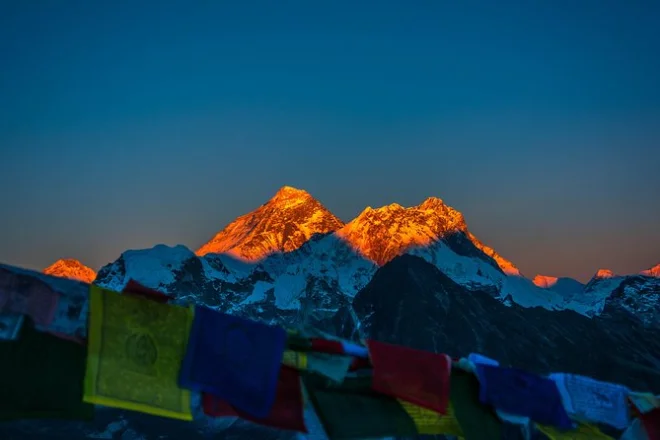
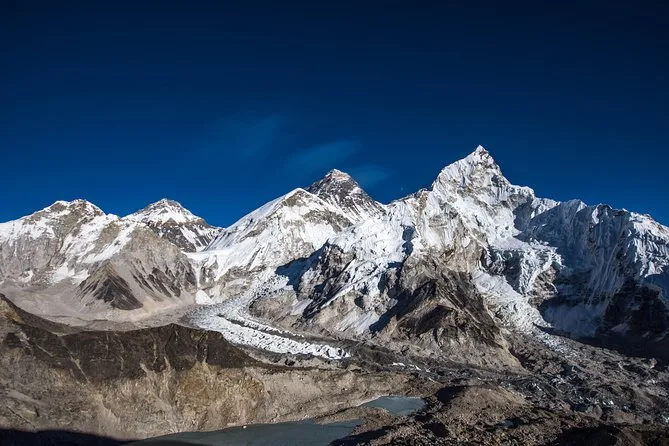
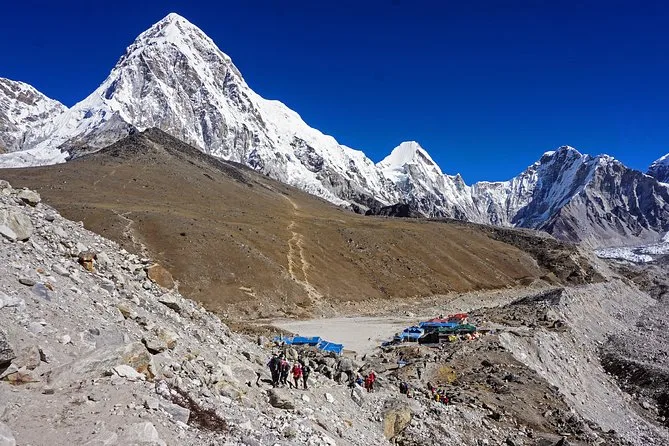
The summit push happens on day nine. You trek from Lobuche to Gorakshep, then on the same day walk the final stretch to Everest Base Camp itself: 14 to 15 kilometers, eight hours, and you're standing at 17,594 feet on the glacier where climbers stage their expeditions. The next morning you climb Kala Patthar, a peak that sits slightly lower but gives you a clearer view of Everest's face than Base Camp does. Then the walk out: two days back down to Lukla, a flight to Ramechap, a drive to Kathmandu, and two nights in a 3-star hotel before you leave. The whole thing is 14 days from arrival to departure.
What's included takes the logistics off your hands: the round-trip flights to Lukla, all meals during the trek, lodge rooms with private bathrooms and hot showers at the lower elevations, permits, a certified English-speaking guide, a porter (one porter per two trekkers, carrying up to 25 kilograms), and the airport pickup and drop-off in Kathmandu. You need to bring your own gear (hiking boots, warm layers, a sleeping bag rated to zero degrees Fahrenheit, trekking poles), and the reference content includes a full equipment checklist. Most of what you need can be bought in Kathmandu if you arrive without it. A minimum of two people per booking keeps the group small. The maximum is 15.
What’s included
Round-trip flights to Lukla via Ramechap with transfers, full board meals (breakfast, lunch, dinner) throughout the trek, twin-share lodge accommodation with private bathrooms and hot showers at Phakding, Namche and Lukla, two nights in a 3-star hotel in Kathmandu, trekking permits, a certified English-speaking guide, porter support (one porter per two trekkers), first aid kit, seasonal fruits, trekking map and achievement certificate, airport pickup and drop-off in Kathmandu, and all guide and porter expenses including their meals, accommodation and insurance.
Before you book
Prices and times updated yesterday
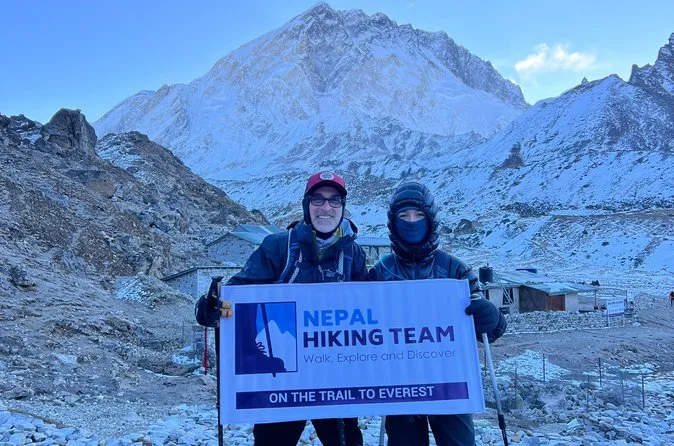
Operated by Nepal Hiking Team
Is this one for you?Right for trekkers with solid fitness who want the main Everest experience without arranging flights, permits, meals or guides themselves: the lodge-to-lodge system and included porter mean you walk with support but carry only what you need each day.
Traveler reviews
Top questions
What happens if it rains?
It may be canceled due to bad weather. If that happens, you're offered another date or a refund. Free cancellation up to 24 h before the start.
How many days is the actual trekking?
Twelve days of walking. The 14-day package includes two nights in Kathmandu before and after, plus travel days to and from Lukla.
What's included in the price?
Flights to and from Lukla, all meals (breakfast, lunch, dinner) during the trek, lodge accommodation with private bathrooms at lower elevations, permits, a certified guide, porter support, and airport transfers in Kathmandu.
Do I need my own gear?
Yes. You need hiking boots, warm layers, a sleeping bag rated to zero degrees Fahrenheit, trekking poles, and other equipment listed in the trek checklist. Most items can be purchased in Kathmandu if you don't have them.
What's the maximum altitude?
Everest Base Camp is at 17,594 feet. Kala Patthar, which you climb the next day, is at 18,192 feet.
Is there an acclimatization day?
Yes, two. One at Namche Bazaar on day four and one at Dingboche on day seven. These shorter days help your body adjust to altitude.
What if I'm vegetarian?
Vegetarian meals are available. Let the operator know at the time of booking.
How many people are in a group?
Minimum two, maximum 15 people per booking.
Do I need a passport?
Yes. You need a current valid passport on the day of travel. Provide your passport name, number, expiry and country at booking.
What happens if I get altitude sickness?
Your guide carries a first aid kit. The trek includes acclimatization days to reduce risk. If symptoms are severe, descent is the standard response.
Everest Base Camp Trek from Kathmandu: 14 Days
14d · EN · at your hotel
from US$ 1,475 per person
4.991,134 reviewsVerified traveler reviews via our booking provider