
Everest Base Camp Trek 14 Days from Kathmandu
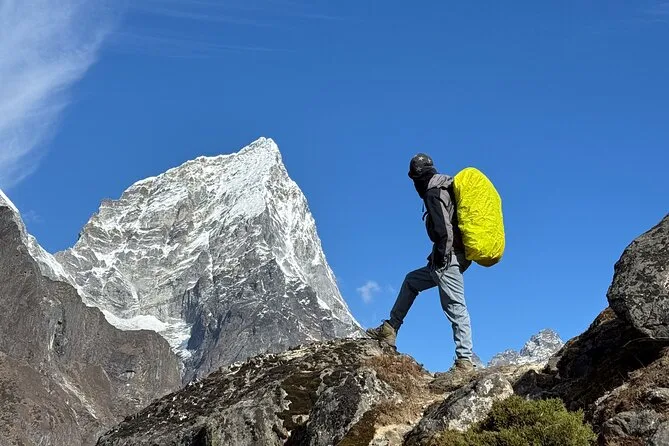
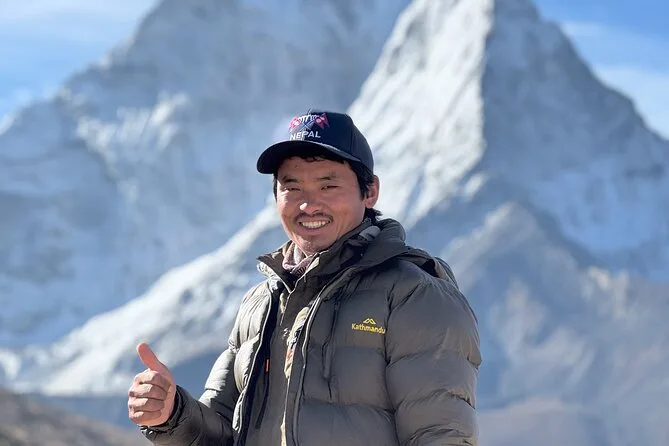
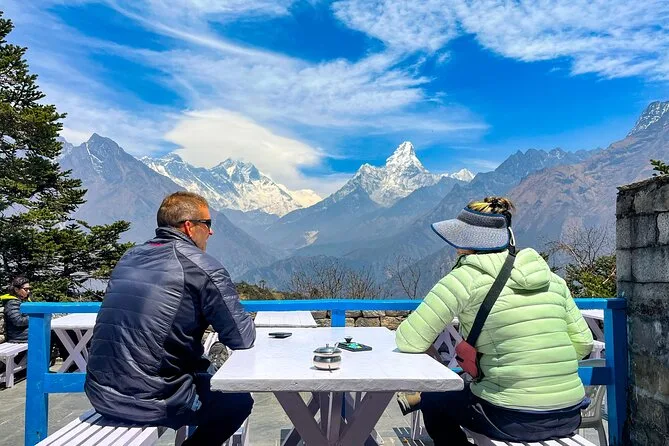
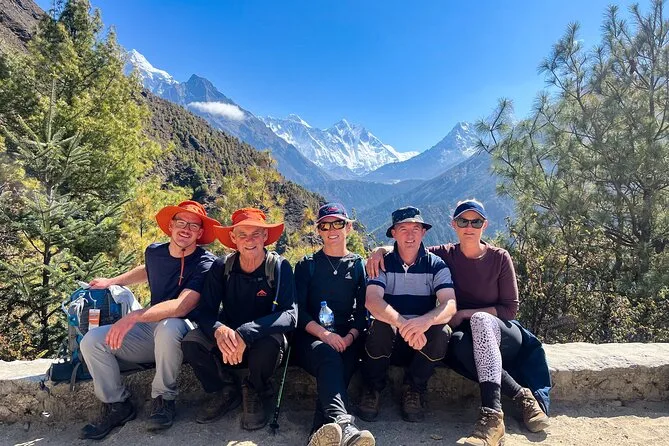






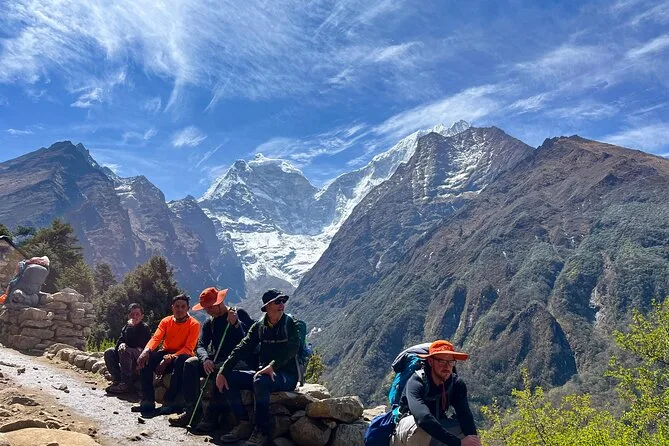
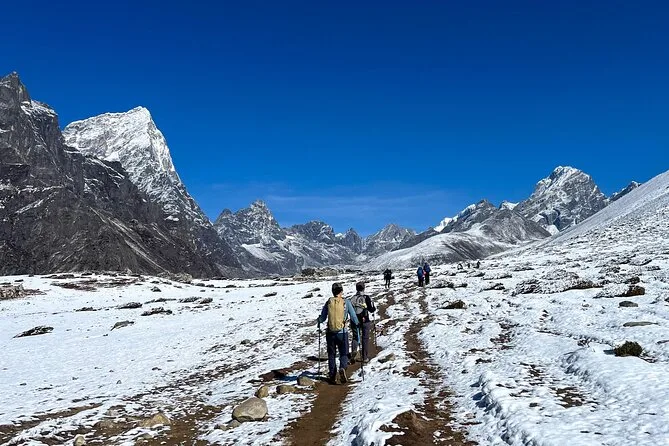
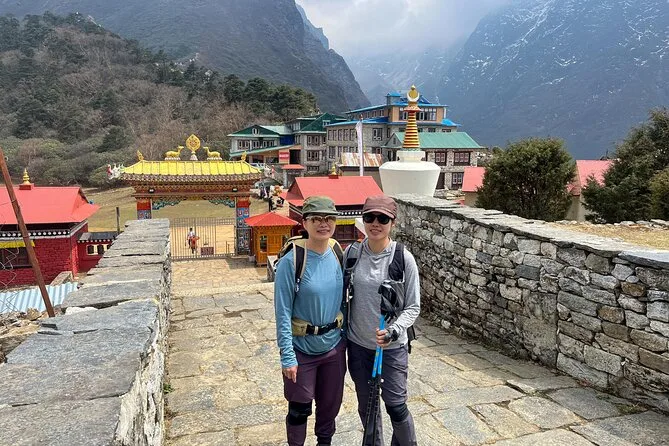
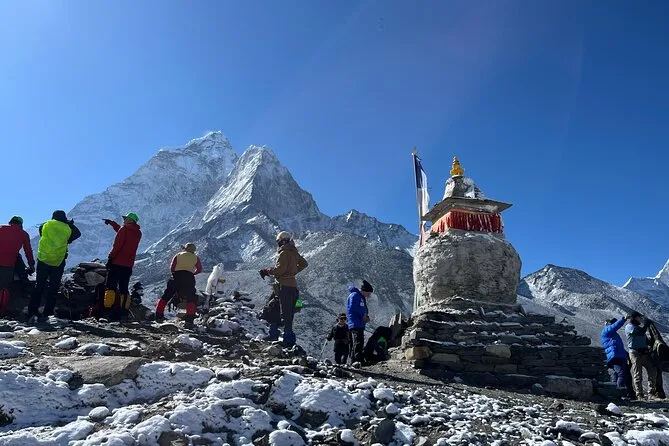



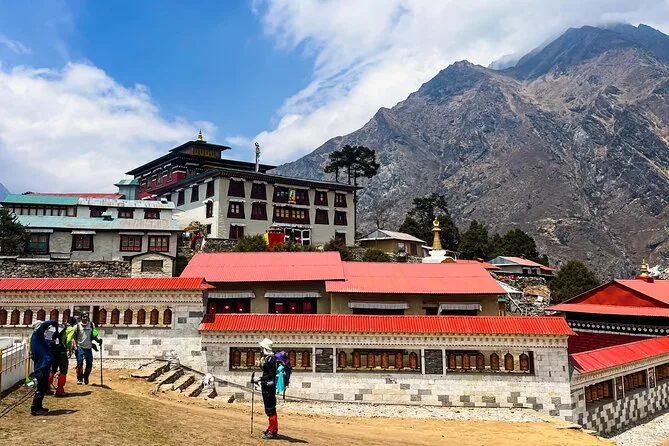
Walking to the foot of the world's highest mountain, 14 days from Kathmandu
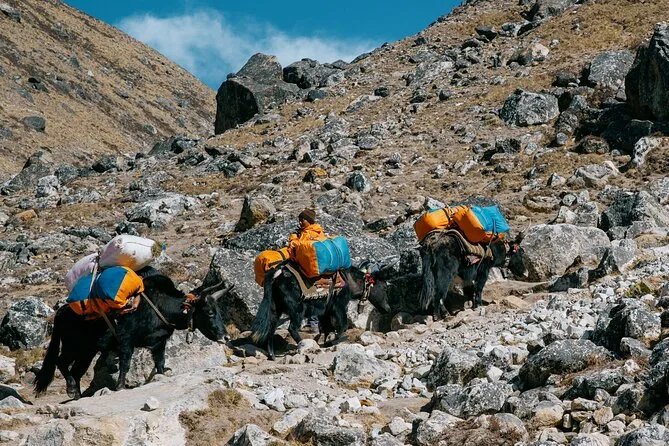
You fly to Lukla, trek for 12 days through the Khumbu region with two built-in acclimatization stops, reach Everest Base Camp and climb to Kalapatthar for the summit view, then descend and fly back to Kathmandu. Your guide and porter handle navigation and luggage. All permits and flights are arranged. The 14-day structure means you're not rushing altitude, which is what makes the trek sustainable for people with moderate fitness rather than elite climbers.
Compare the 12 alternatives
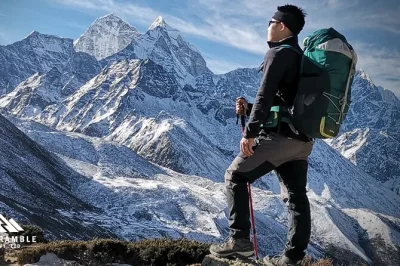 Everest Base Camp Trek from Kathmandu: 14 days to the mountainEvery day · 06:15 and 06:45 · From age 5★ 4.99 (372)13dENUS$ 1,420View ›
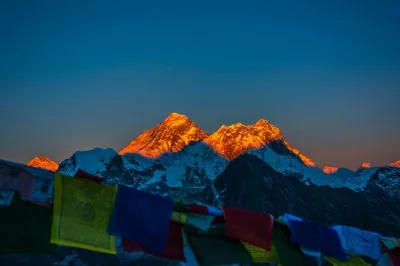 Everest Base Camp Trek from Kathmandu: 14 DaysEvery day · 15–70 years★ 4.99 (1,134)14dENUS$ 1,475View ›
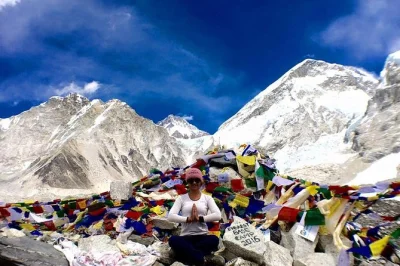 Everest Base Camp Trek from Kathmandu: 12 DaysEvery day · first departure 00:15, last 23:45 · From age 10★ 4.97 (575)14dENUS$ 1,700View ›
 Everest Base Camp Trek from Kathmandu: 12 Days & Kala PattharEvery day · 10:00 · All ages★ 4.90 (20)14dENUS$ 1,099View ›
 14-Day Everest Base Camp Trek from KathmanduEvery day · 06:15 and 08:00 · From age 8★ 4.98 (1,657)14dENUS$ 1,800View ›
 Annapurna Base Camp Trek from Kathmandu or Pokhara: 5 DaysEvery day · 06:45 and 07:45 · From age 7★ 5.00 (176)5dEN · HIUS$ 200View ›
 Everest Base Camp Trek: 14 Days Kathmandu & Mount EverestEvery day · first departure 00:45, last 23:45 · From age 8★ 4.93 (101)14dENUS$ 999View ›
 Annapurna Circuit Trek Kathmandu: 12-Day Mountain LoopEvery day · first departure 00:45, last 17:45 · 15–80 years★ 5.00 (46)12dEN · DE +4US$ 1,450View ›
 Everest Base Camp Trek 14 Days: Lukla Flight & Sherpa VillagesEvery day · 05:45 · From age 16★ 5.00 (78)14dENUS$ 999View ›
 14-day Everest Base Camp Trek from KathmanduEvery day · From age 5★ 4.98 (202)14dEN · HIUS$ 1,550View ›
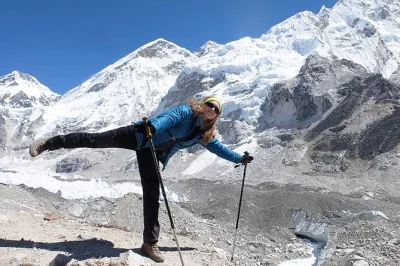 13-day Everest Base Camp Trek from Kathmandu: Guided with porterEvery day · 07:15 · From age 6★ 5.00 (146)13dEN · DE +3US$ 1,800View ›
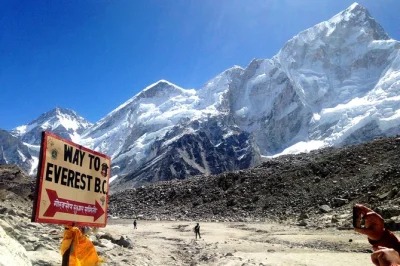 Everest Base Camp Trek from Kathmandu: 12 Days & Sherpa VillagesEvery day · 07:15 · From age 15★ 4.99 (234)14dEN · IT +1US$ 1,339View › Compare more experiences like this »
Step-by-step itinerary
Day 1: Arrive in Kathmandu
- Meet airport representative
- Transfer to hotel
Day 2: Fly to Lukla and trek to Phakding
- Fly from Kathmandu to Lukla
- Guide briefing and meet porters
- Trek to Phakding
Day 3: Trek to Namche Bazaar
- Hike through forests and villages
- Pass Ghat village
- Arrive at Namche Bazaar
- Buy last-minute supplies
Day 4: Acclimatization in Namche Bazaar
- Hike around Namche area
- Visit Sir Edmund Hillary school
- View surrounding mountains
Day 5: Trek from Namche to Tengboche
- Hike uphill from Namche
- Stop for lunch at 3680m
- Continue to Tengboche
Day 6: Trek from Tengboche to Dingboche
- Follow lower path past Pangboche
- Cross alpine meadow to Orsho
- Arrive at Dingboche
- Explore Dingboche area
Day 7: Acclimatization day at Dingboche
- Climb Chhukung Ri or hike Chhukung village
- Lunch in Chhukung
- Return to Dingboche
Day 8: Trek from Dingboche to Lobuche
- Hike through valleys to Dughla
- Cross yak fields to Lobuche
- Enjoy mountain views
Day 9: Trek to Everest Base Camp and back
- Hike from Lobuche to Gorakshep
- Explore Khumbu Glacier
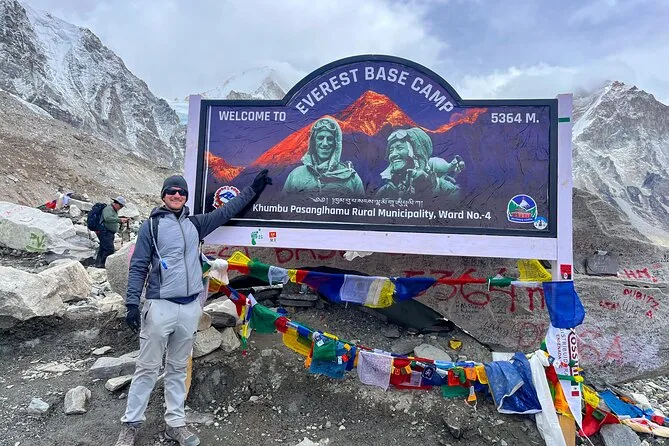
- Visit Everest Base Camp
- Return to Gorakshep
Day 10: Gorakshep to Pheriche via Kalapatthar
- Climb to Kalapatthar summit
- Enjoy panoramic mountain views
- Visit H.M.A.R. hospital and village
- Trek to Pheriche
Day 11: Trek back to Namche Bazaar
- Hike through Orsho, Somare, Pangboche
- Pass Tengboche
- Arrive at Namche Bazaar
Day 12: Trek to Lukla
- Hike from Namche to Lukla
- Relax and enjoy free afternoon
- Evening social activities
Day 13: Fly from Lukla to Kathmandu
- Fly from Lukla to Kathmandu
- Transfer to hotel
- Optional activities in Kathmandu
Day 14: Departure from Kathmandu
- Transfer to international airport
The experience
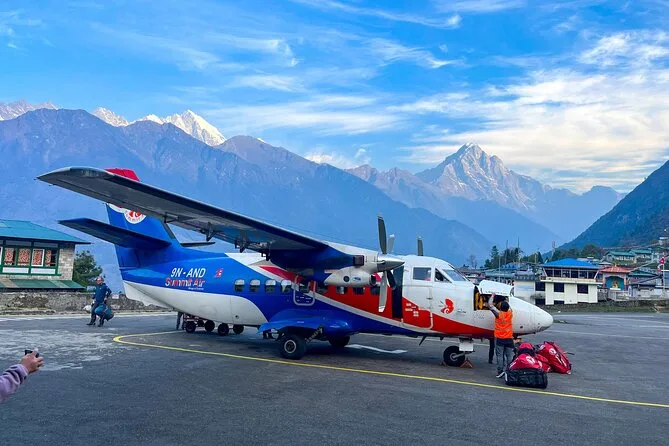
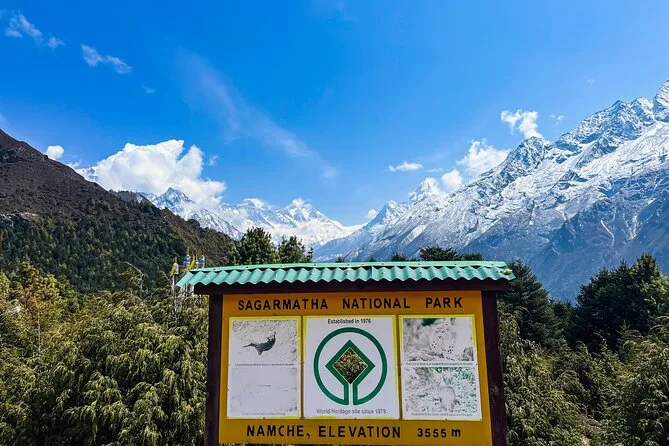
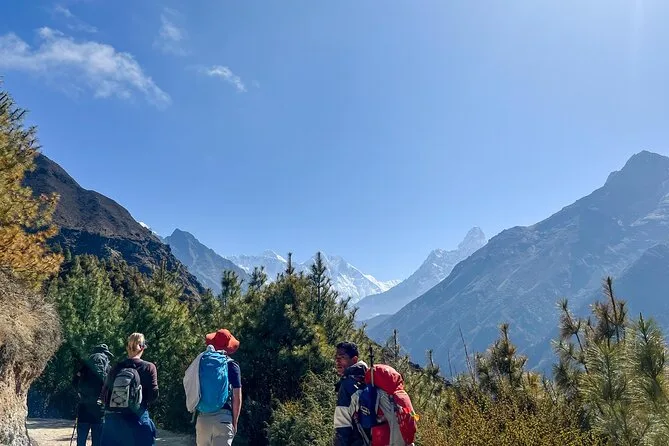
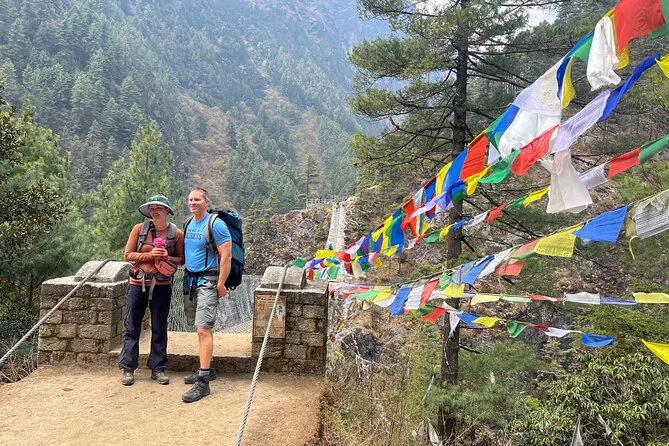
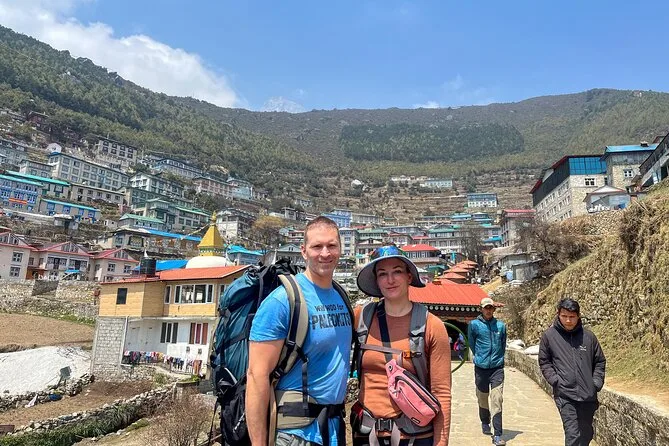
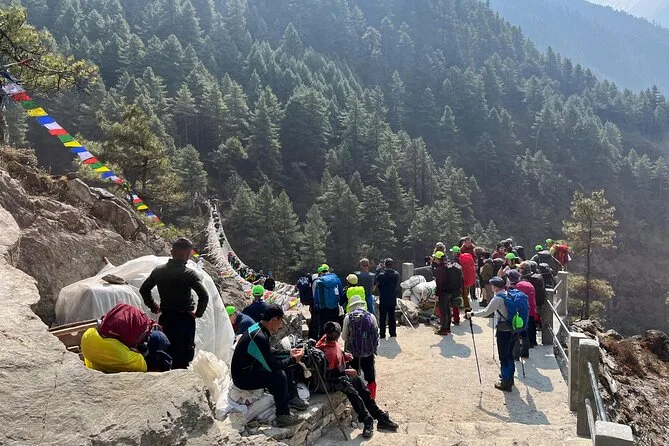
You step off the plane at Lukla after a 35-minute flight from Kathmandu, and the trail starts immediately: downward at first, toward the Dudh Kosi River and the main path that leads to Namche Bazaar. The air is thinner than you expected, even at 2,610 meters where you'll sleep your first night in Phakding. Your guide briefs you on the route and introduces the porter who'll carry the weight, and then you're walking. The Everest Base Camp trek moves at its own pace over 14 days, and that pace is deliberate: two acclimatization days built in (one in Namche Bazaar at 3,441 meters, another in Dingboche at 4,410 meters) mean your body has time to adjust instead of fighting the altitude all the way up.
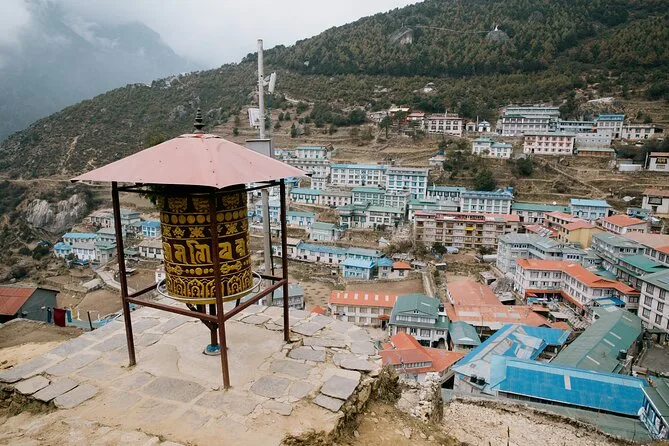
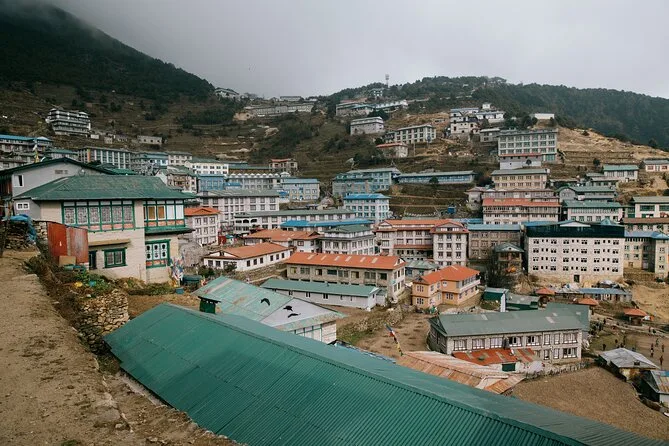
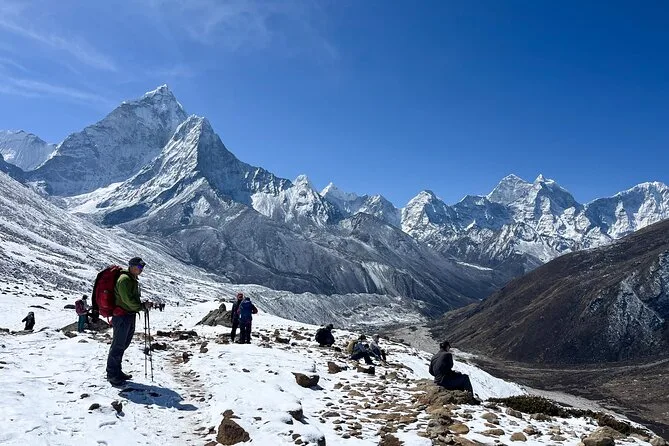
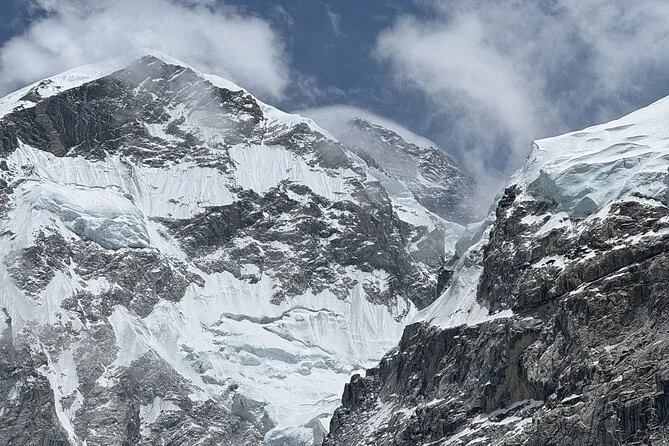
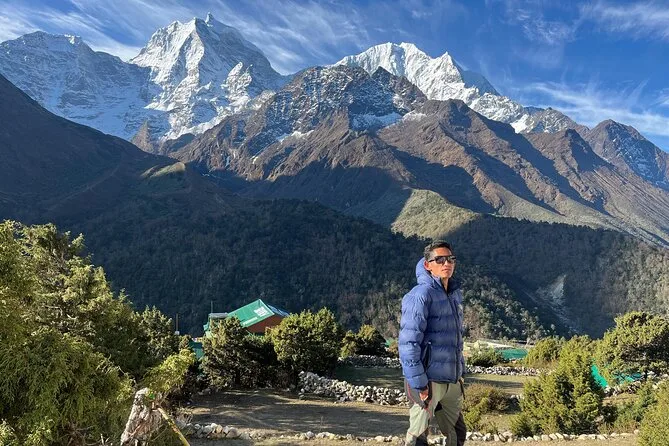
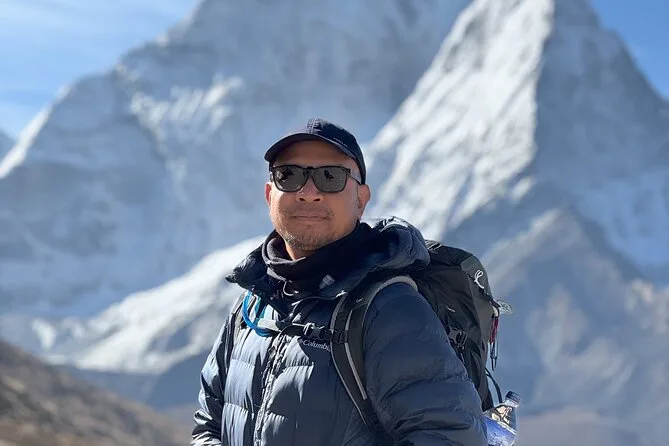
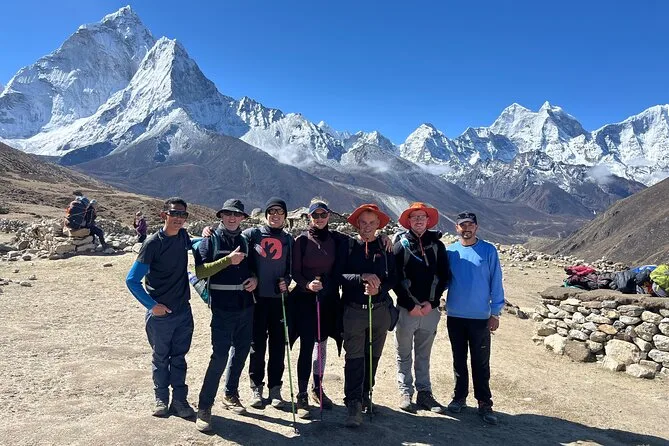
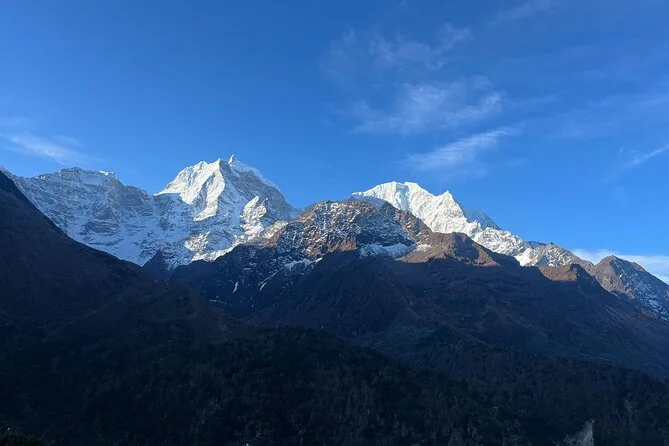
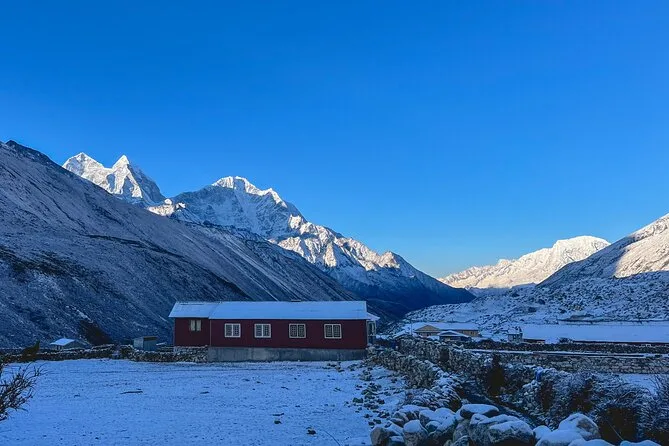
The trek follows a rhythm of climbing and resting, forests and open meadows, villages and silence. You'll pass through Namche Bazaar, the biggest Sherpa settlement in the Khumbu region, where expeditions gather and the last shops sell chocolate you forgot in Kathmandu. From there the path climbs to Tengboche at 3,900 meters, where you can see Ama Dablam rising 22,493 feet above the valley. On your acclimatization day in Dingboche, you can hike to Chhukung Ri (5,550 meters) for views of Makalu and Baruntse, or walk around the village and let your lungs catch up. The higher you go, the fewer trees you see: by Lobuche at 4,910 meters, the landscape is snow and rock and nothing else.
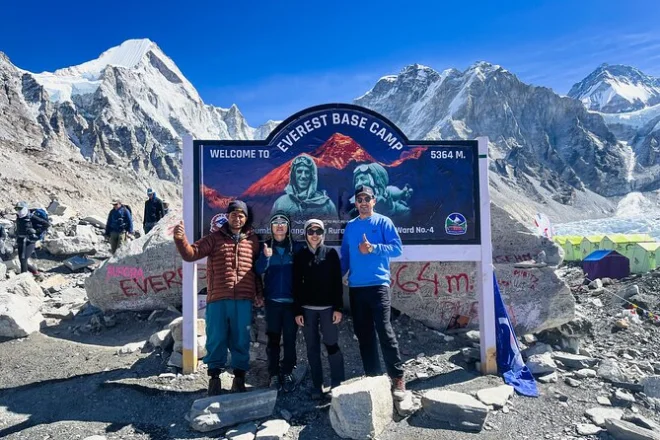
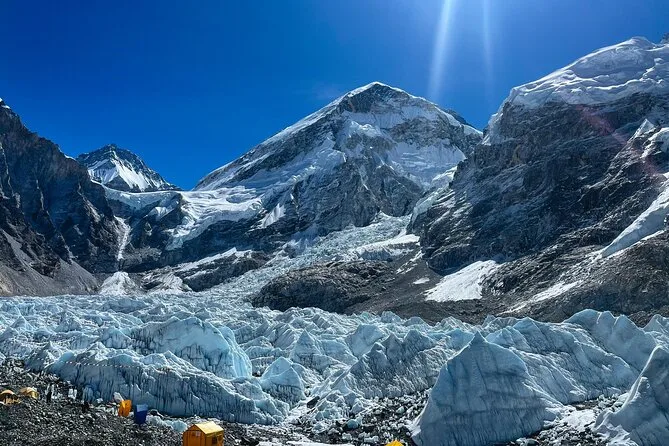
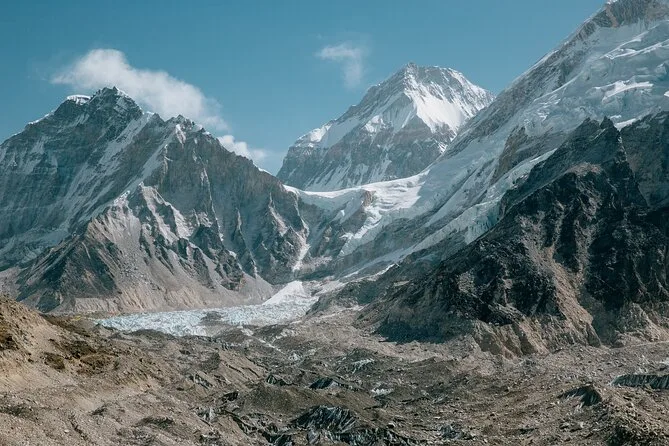
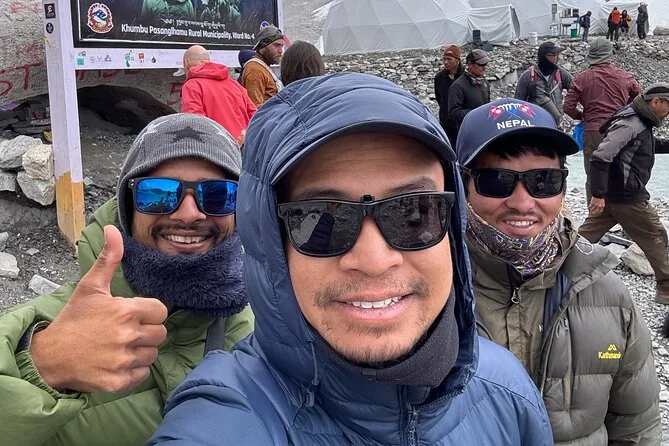
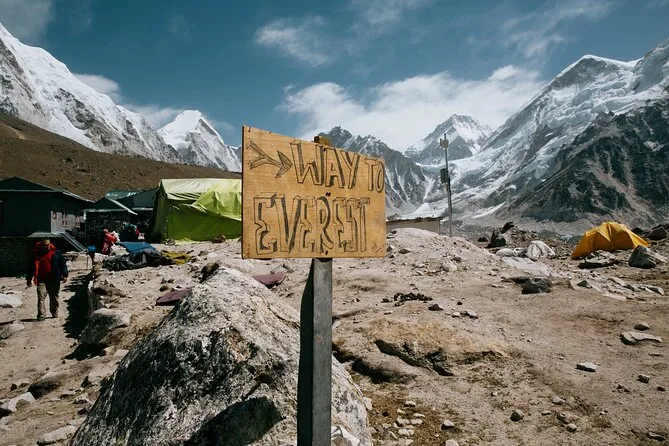
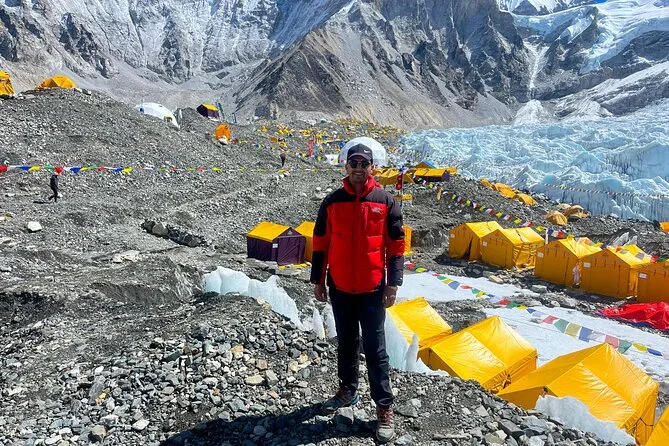
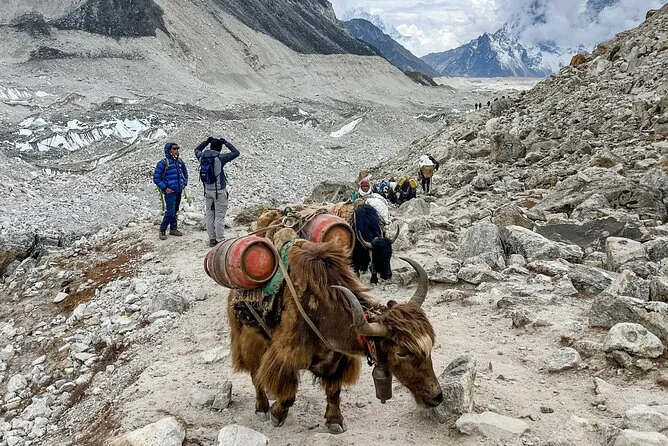
The final push to Everest Base Camp takes two to three hours from Gorakshep, crossing the Khumbu Glacier: 12 kilometers long and shaped like the moon, with ice formations and small pools of meltwater. Standing at Base Camp itself, where climbers begin their summit attempts, is something words don't quite reach. The next morning you climb to Kalapatthar at 5,545 meters, the highest point of the trek, where Mount Everest sits in front of you along with Amadablam and Pumori. Then you descend the same way you came, back through Namche and down to Lukla over two days, before flying back to Kathmandu and the hotel where you started.
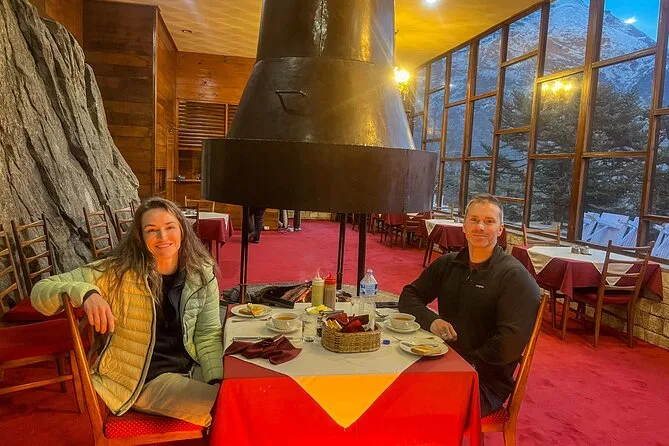
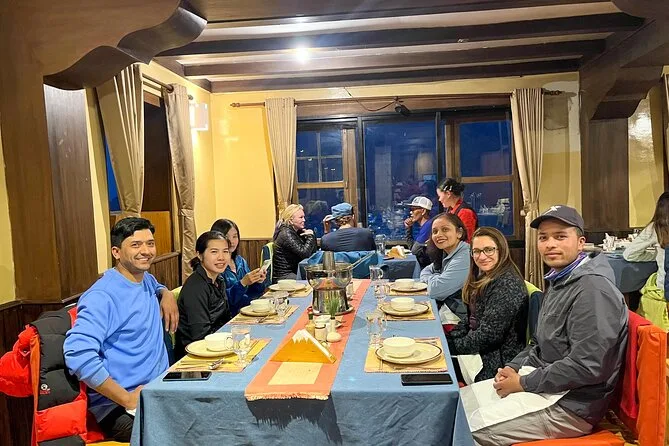
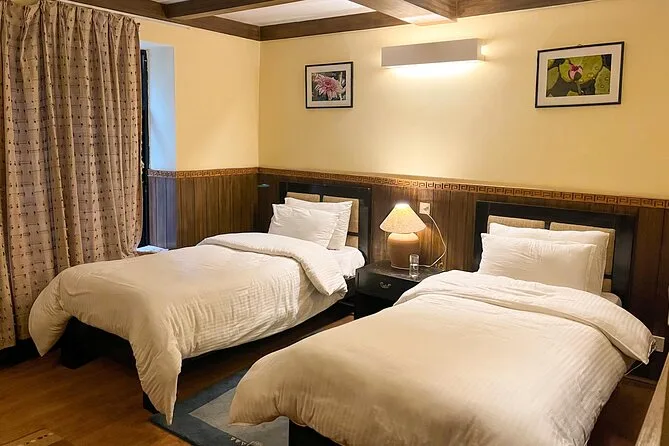
Your guide has 10+ years of experience and speaks English. A local Sherpa porter carries the luggage (two trekkers share one porter). All permits, both flights between Kathmandu and Lukla, and two nights in a 3-star Kathmandu hotel are included. You'll sleep in guesthouses along the route: simple, warm, with hot water and food. The trek demands a moderate level of fitness and time to acclimatize, but it doesn't require mountaineering experience or technical climbing. Book at least two months ahead if you want to choose your departure date. The trek runs year-round, though spring (March–May) and autumn (September–November) have the clearest views.
What’s included
- Your 14-day trek includes 2 nights in a 3-star Kathmandu hotel, round-trip flights from Kathmandu to Lukla, all national park permits and trekking fees, an English-speaking guide with 10+ years of mountain experience, and a local Sherpa porter to carry luggage (shared between two trekkers).
- Meals and accommodation in guesthouses along the route are provided, as is the alternative overland route to Lukla if flights are cancelled.
- You arrange your own international flights to and from Kathmandu.
Before you book
Prices and times updated 4 days ago
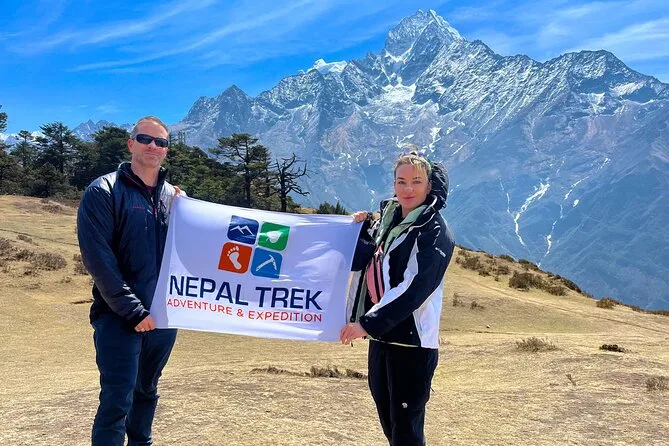
Operated by Nepal Trek Adventure and Expedition P.Ltd
Is this one for you?Right for trekkers with moderate fitness who want to reach Everest Base Camp without climbing experience or rushing the altitude: the two acclimatization days built into the itinerary are what make the high elevation manageable for people who aren't mountaineers.
Traveler reviews
Top questions
What happens if it rains?
It may be canceled due to bad weather. If that happens, you're offered another date or a refund. Free cancellation up to 24 h before the start.
How long does the Everest Base Camp trek take?
14 days total, including two nights in Kathmandu before and after. The actual trekking is 12 days, with two acclimatization days built into the itinerary.
What's included in the price?
Hotel in Kathmandu (2 nights, 3-star), all trekking permits, round-trip flights between Kathmandu and Lukla, an English-speaking guide with 10+ years of experience, and a local Sherpa porter (shared between two trekkers).
Do I need mountaineering experience?
No. The trek is a hiking route, not a climbing expedition. You need moderate fitness and the ability to walk 5–7 hours a day at altitude, but no technical climbing skills.
When is the best time to trek?
Spring (March–May) and autumn (September–November) offer the clearest mountain views and most stable weather. The trek runs year-round, but these seasons are most popular.
What altitude will I reach?
The highest point is Kalapatthar at 5,545 meters. Everest Base Camp itself is at 5,364 meters. You'll spend nights at lower elevations (Namche Bazaar at 3,441m, Dingboche at 4,410m) to acclimatize.
What if I can't fly to Lukla due to weather?
The itinerary includes an alternative: drive to Manthali (4–6 hours) and fly from there. Your guide will arrange this if the Lukla flight is cancelled.
What kind of accommodation will I have?
Guesthouses along the trek route, plus a 3-star hotel in Kathmandu. Guesthouses are simple but have beds, blankets, hot water, and meals. Expect basic facilities at high altitude.
Is this trek recommended for everyone?
Not recommended for travelers with spinal injuries, pregnant travelers, or those with poor cardiovascular health. You should have at least moderate physical fitness and be prepared for high altitude.
How do I book and when should I reserve?
Book at least two months in advance to secure your preferred departure date. The trek runs year-round, but spring and autumn slots fill quickly.
Everest Base Camp Trek 14 Days from Kathmandu
14d · EN · at your hotel
from US$ 1,800 per person
5.0027 reviewsVerified traveler reviews via our booking provider