
Annapurna Circuit Trek with Tilicho Lake: 14 Days from Kathmandu

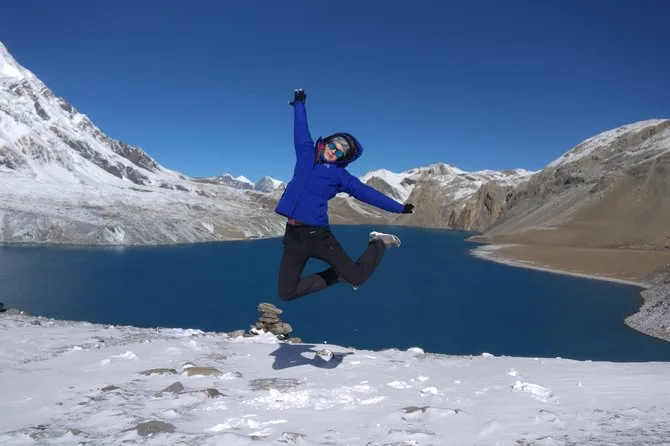

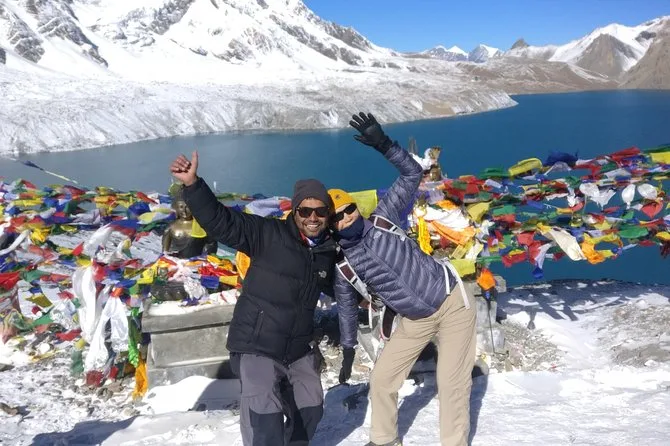
The blue lake sits frozen at 4,919 meters, mirroring the peaks around it.
You trek for 14 days from Kathmandu through rhododendron forests and alpine terrain to Tilicho Lake at 4,919 meters, then cross Thorong La Pass at 5,416 meters before descending to Jomsom and returning to Pokhara by bus. Your guide, permits, teahouse lodging, meals, and transport from Kathmandu are all included. Plan for six to seven hours of walking most days, with one acclimatization rest day at Manang, and moderate fitness required for the altitude and steep sections.
Compare the 12 alternatives
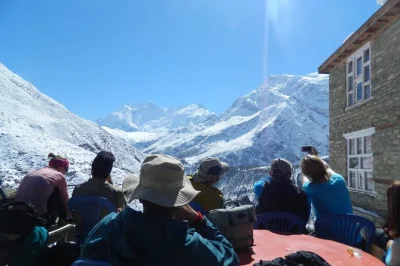 18-Day Annapurna Circuit Trek from Kathmandu: Tilicho Lake & Thorong La PassEvery day · From age 12★ 5.00 (24)18dENUS$ 1,700View ›
 Annapurna Base Camp Trek from Kathmandu or Pokhara: 5 DaysEvery day · 06:45 and 07:45 · From age 7★ 5.00 (176)5dEN · HIUS$ 200View ›
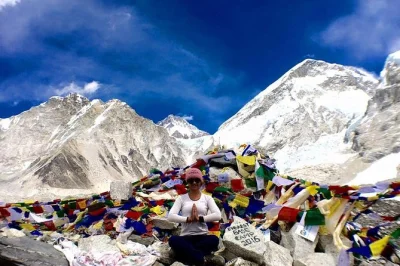 Everest Base Camp Trek from Kathmandu: 12 DaysEvery day · first departure 00:15, last 23:45 · From age 10★ 4.97 (575)14dENUS$ 1,700View ›
 4 Days Poon Hill Trek from Kathmandu: Sunrise at 3210mEvery day · 09:15 · 15–70 years★ 4.97 (108)4dEN · ZH +2US$ 405View ›
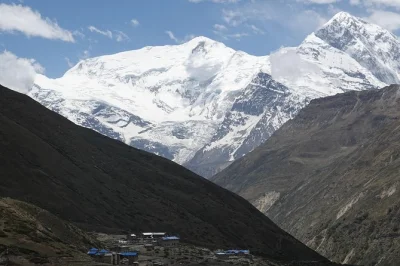 Annapurna Circuit Trek Kathmandu: 12-Day Mountain LoopEvery day · first departure 00:45, last 17:45 · 15–80 years★ 5.00 (46)12dEN · DE +4US$ 1,450View ›
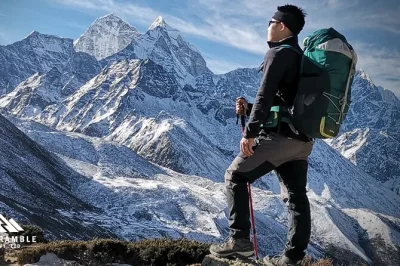 Everest Base Camp Trek from Kathmandu: 14 days to the mountainEvery day · 06:15 and 06:45 · From age 5★ 4.99 (372)13dENUS$ 1,420View ›
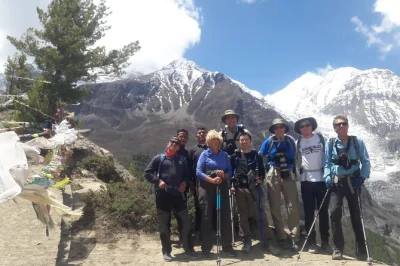 Annapurna Circuit Trek with Local Guide & Family TeamEvery day · 10:15 · All ages★ 4.90 (20)15dENUS$ 995View ›
 14-Day Everest Base Camp Trek from KathmanduEvery day · 06:15 and 08:00 · From age 8★ 4.98 (1,657)14dENUS$ 1,800View ›
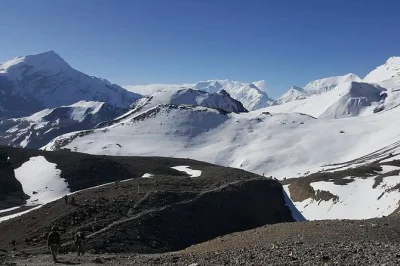 Annapurna Circuit Thorong La Pass Trek: 15 Days from KathmanduEvery day · 06:00 · From age 15★ 4.94 (16)15dENUS$ 1,750View ›
 Everest Base Camp Trek from Kathmandu: 12 Days & Sherpa VillagesEvery day · 07:15 · From age 15★ 4.99 (234)14dEN · IT +1US$ 1,339View ›
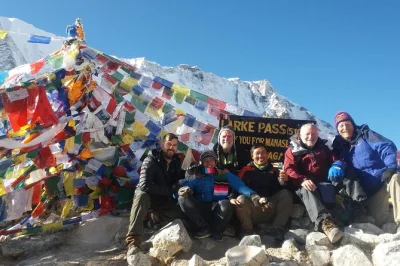 Manaslu Circuit Trek: 14-Day Himalayan Trek & Larkya La PassEvery day · 07:30 · 18–60 years★ 5.00 (41)14dUS$ 1,300View ›
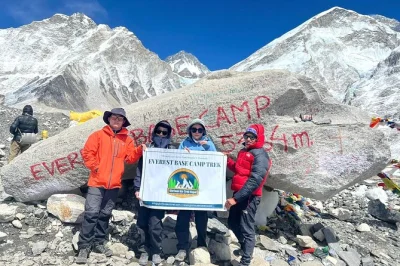 14-day Everest Base Camp Trek from KathmanduEvery day · From age 5★ 4.98 (202)14dEN · HIUS$ 1,550View › Compare more experiences like this »
Step-by-step itinerary
Day 1: Drive to Bhulbhule and trek to Nagdi
- Drive from Kathmandu to Bhulbhule
- Hike uphill to Nagdi
Day 2: Trek from Nagdi to Chamje
- Leave Nagdi towards Chamje
- Trek through rhododendron forests
- Arrive and stay overnight at Chamje
Day 3: Trek to Dharapani via Manang valley
- Breakfast at Nagdi
- Trek along Marsyangdi river
- Cross suspension bridge
- Pass villages Khotro, Karte, Nache
- Arrive at Dharapani for overnight stay
Day 4: Trek to Chame through forests
- Check ACAP permits
- Walk to Baggarchap through forest
- Pass Danaque apple orchards
- Zig-zag trail to Chame
- Overnight stay at Chame
Day 5: Trek to Pisang via pine forests
- Uphill climb past mani stones
- Trek through pine forests
- Walk along Paunga Dada ridge
- Reach Pisang and stay overnight
Day 6: Trek to Manang via Ngawal and Braga
- Uphill climb past pine trees
- Visit Ngawal settlement
- Pass Braga monastery
- Arrive at Manang for overnight stay
Day 7: Acclimatization day in Manang
- Rest and acclimatize at Manang
- Explore Gangapurna Icefall and lake
- Optional visit to Khangsur, Kecho lake, Milarepa cave
Day 8: Trek to Tilicho Base Camp
- Descend from Manang
- Cross Jharsing Khola suspension bridge
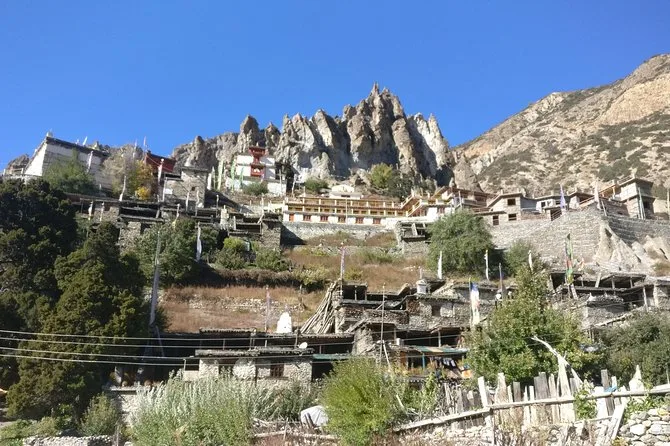
- Reach Khangsar village and monasteries
- Climb steep trail to crest with prayer flags
- Arrive at Tilicho Base Camp
Day 9: Visit Tilicho Lake and return
- Early walk along steep moraines
- View surrounding icy peaks
- Reach Tilicho Lake
- Return to Siri Kharka for overnight
Day 10: Trek to Lather via Yak Kharka
- Descend towards Lather
- Climb through alpine shrubs to Yak Kharka
- Cross wooden bridge over Jarsang Khola
- Arrive at Lather for overnight stay
Day 11: Trek to Thorong High Camp
- Walk to Thorung Khola
- Cross river and reach Phedi
- Climb steep trail to High Camp
- Rest at Thorong High Camp
Day 12: Cross Thorong La Pass to Muktinath
- Early start from High Camp
- Climb steep rocky trail to Thorong La Pass
- Descend steeply to Muktinath
- Visit Muktinath shrine and 108 showers
Day 13: Trek to Jomsom via Kagbeni
- Start trek from Muktinath
- Descend dusty hills to Kagbeni
- Continue to Jomsom
- Overnight stay at Jomsom
Day 14: Drive from Jomsom to Pokhara
- Drive from Jomsom to Pokhara
- Pass Tatopani, Beni, Kusma
- Arrive and check in Pokhara hotel
- Evening at local pubs
Day 15: Drive back to Kathmandu
- Drop off at Pokhara bus stop
- Bus ride to Kathmandu
The experience
The alarm goes off before dawn on day nine. You've been climbing for a week, and your legs know it: the steep moraines between Tilicho Base Camp and the lake demand everything you have left. The trail switchbacks through juniper scrub, altitude thinning the air with each step. Then the water appears: Tilicho Lake, a sheet of ice so clear you see the mountains twice, once above and once below. Most days it stays frozen solid. You stand there longer than you planned, because this is why you came, not for the Instagram moment, but for the quiet shock of being this high, this far from anything, and still able to breathe.
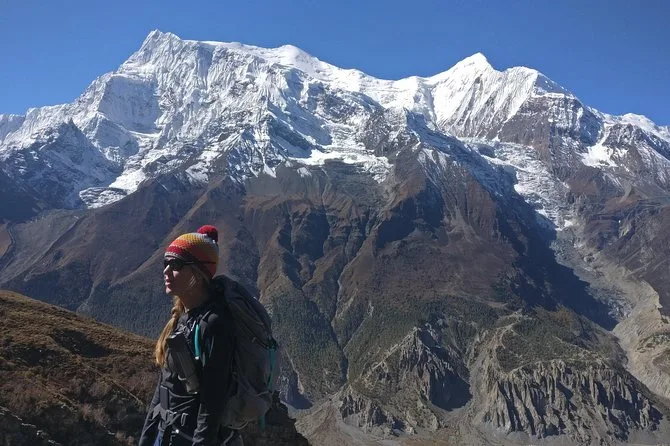
Getting here takes work. The trek starts with a 5-6 hour drive from Kathmandu to Bhulbhule on a local bus, following the Marshyangdi River past scattered settlements and farmland. Then the walking begins: six days of steady uphill through rhododendron forests thick enough to block the sky, past suspension bridges over rushing water, through villages where prayer flags snap in the wind. By day four you're in Chame with views of Annapurna II and IV rising above the valley. By day six you reach Manang at over 3,000 meters, where the air gets noticeably thinner and your body needs a rest day to adjust. The guide (an English speaker with insurance and experience) watches for signs of altitude sickness and sets a pace that works for the group. This isn't a race.
Day nine is the payoff, but day twelve is the test. Thorong La Pass sits at 5,416 meters, and the climb from High Camp starts in darkness. The path is rocky and steep, the wind can be brutal, and your legs will protest. But the pass itself (when you reach it after hours of grinding uphill) delivers a clarity that no amount of preparation quite captures. You've crossed the spine of the range. On the other side, the descent to Muktinath takes 2-3 hours of careful footing, and then you're at the sacred shrine with its 108 showers, where pilgrims have come for centuries. The final days are a wind-down: trekking to Jomsom, then a 6-7 hour drive back to Pokhara, then six hours by bus back to Kathmandu.
The whole Annapurna Circuit trek runs 14 days from start to finish. You sleep in teahouses along the route: simple, clean, with meals included. Your guide handles the ACAP permit and TIMS card. Transportation from Kathmandu is arranged. Food and lodging in Pokhara before and after the trek are part of the package. What you bring is fitness, moderate level minimum, and the willingness to walk six to seven hours most days, with one rest day built in. The altitude is real. The weather can turn. But the lake, the pass, the prayer flags, and the mountains stay with you long after your legs stop aching.
What’s included
- Your trek includes private transportation from Kathmandu to Bhulbhule and from Jomsom back to Kathmandu via Pokhara, an English-speaking trekking guide with insurance and experience, all trekking permits (ACAP and TIMS card), teahouse accommodation throughout the trek with meals included, hotel stay in Pokhara with breakfast before and after the trek, and all fees and taxes. Food and lodging are arranged at each stop.
- you carry a day pack with water and personal items.
Before you book
Prices and times updated 16 days ago
Operated by Mount Mania Treks Expedition P. Ltd.
Is this one for you?Right for trekkers with moderate fitness who want to reach high altitude and see glacial lakes without arranging permits, guides, or logistics themselves. Expect 14 days away from Kathmandu, six to seven hours of walking most days, and altitude above 4,900 meters. That's what makes the full circuit and Tilicho Lake possible in one trip.
Traveler reviews
Top questions
What languages is the guide in?
Live guide in English, Spanish, French, German and Italian.
What happens if it rains?
It may be canceled due to bad weather. If that happens, you're offered another date or a refund. Free cancellation up to 24 h before the start.
How long is the Annapurna Circuit trek with Tilicho Lake?
14 days total, including the drive from Kathmandu and back. The actual trekking spans 12 days, with one acclimatization rest day at Manang.
What is the highest altitude on this trek?
Thorong La Pass at 5,416 meters. Tilicho Lake sits at 4,919 meters.
What is included in the trek package?
Private transportation from Kathmandu, English-speaking guide with insurance, all trekking permits (ACAP and TIMS), teahouse accommodation during the trek, hotel stay in Pokhara with breakfast, all meals on the trek, and all fees and taxes.
How many hours per day do you trek?
Most days involve 6-7 hours of walking. The climb to Thorong La Pass on day 12 is the most demanding and starts before dawn.
Is this trek suitable for someone with altitude sickness concerns?
The trek climbs above 5,000 meters, so altitude sickness is a real risk. A rest day at Manang (3,500m) is built in for acclimatization. Travelers with poor cardiovascular health are not recommended for this trek.
What fitness level is required?
At least moderate physical fitness. You'll be walking uphill for six to seven hours most days at increasing altitude, with some steep sections.
Can pregnant travelers do this trek?
No, this trek is not recommended for pregnant travelers due to the altitude, duration, and physical demands.
What is Tilicho Lake like?
A glacial lake at 4,919 meters, often frozen solid. The water is a striking blue color, and on clear days it mirrors the surrounding peaks perfectly.
How do you get back to Kathmandu after the trek?
You trek to Jomsom, then take a bus for 6-7 hours to Pokhara. From Pokhara, a tourist bus takes you back to Kathmandu in about 6 hours.
Are there rest days built into the itinerary?
Yes, one full acclimatization day at Manang on day seven, after you've climbed above 3,000 meters.
Annapurna Circuit Trek with Tilicho Lake: 14 Days from Kathmandu
15d · EN · ES · FR · DE · IT
from US$ 1,400 per person
4.9522 reviewsVerified traveler reviews via our booking provider