
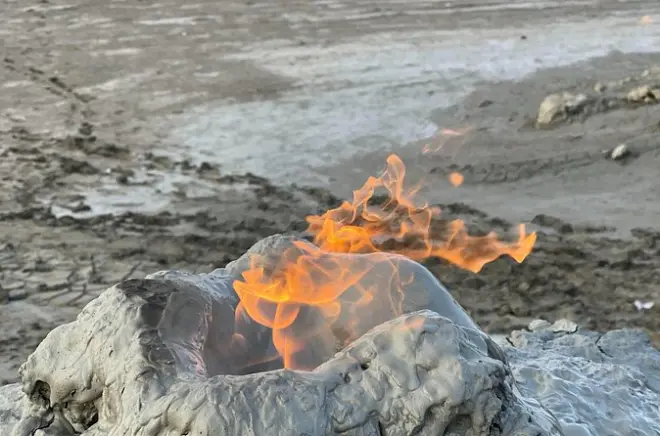


Qobustan petroglyphs, mud volcanoes & fire temples from Baku
Ancient petroglyphs, natural fire and mud volcanoes in one day outside Baku
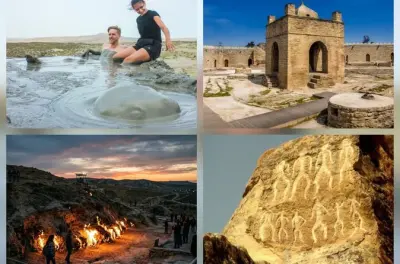
A nine-hour guided tour from Baku visits four sites tied to Azerbaijan's fire-worship heritage: Qobustan National Park with over 6,000 rock carvings on 1,000 stones; Ateshgah Fire Temple, built in the 17th–18th centuries over natural gas vents that burn continuously; Yanar Dag, a mountainside where underground gas ignites; and the mud volcanoes that cover more of Azerbaijan than anywhere else on earth. A local guide in English, Russian or Turkish leads the route, with private transport and air conditioning throughout.
Step-by-step itinerary
Explore Qobustan and Fire Land
- Visit Qobustan rock art museum
- Explore ancient petroglyphs
- See mud volcanoes
- Tour Ateshgah Fire Temple
- Visit Yanar Dag burning mountain
- Ateshgah Fire Temple 30m
- Yanar Dag 15m
What’s included
- Private transportation in an air-conditioned vehicle.
- professional multilingual guide in English, Russian or Turkish.
- WiFi on board.
- hotel pickup from Baku.
Times
- Every day No fixed time
Before you book
Operated by Panorama Travel
Prices and times updated 4 days ago
Need assistance?Message us on WhatsApp or by emailTraveler reviews
The experience
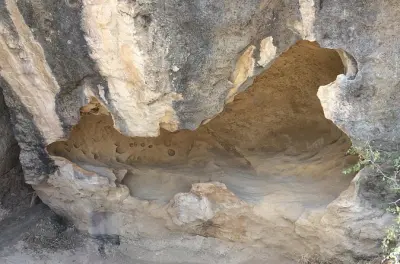
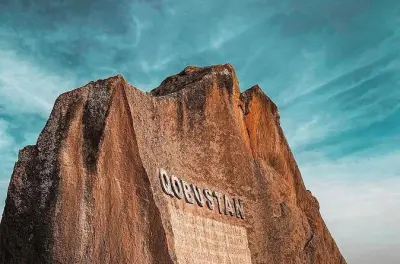
Nine hours covers four stops that explain why Azerbaijan earned the name "land of fire." The route starts at Qobustan National Park, 60 km from Baku, a UNESCO World Heritage site holding more than 6,000 drawings carved into 1,000 rocks by ancient peoples. The guide walks you through the open-air museum and the State Historical-Artistic Reserve, explaining the history of the communities who lived here and what the petroglyphs reveal about their lives and beliefs.
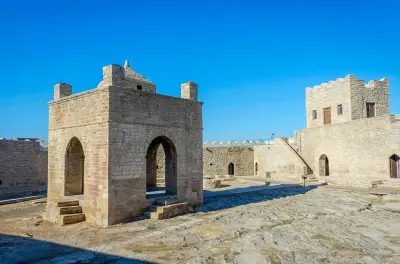
Ateshgah Fire Temple comes next: a 17th–18th century structure built by Baku's Hindu community over natural gas outlets that burn continuously. The flames have no fuel source other than underground gas rising to the surface and igniting on contact with oxygen, a phenomenon Zoroastrians, the world's first mono-ethnic religion, attributed to divine power and worshipped for millennia. Yanar Dag, a mountainside near the city where gas burns year-round, carries the same sacred history into the landscape itself.
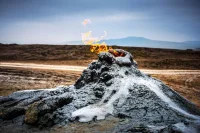
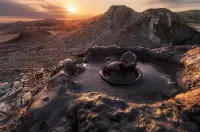
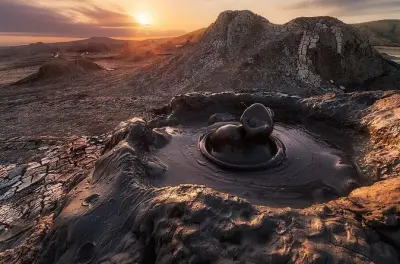
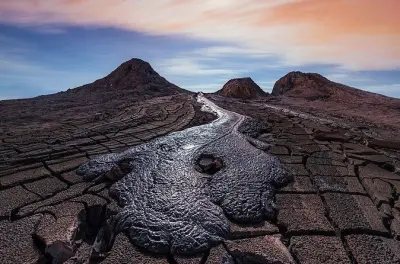
The mud volcanoes round out the day. Azerbaijan holds 350 of the world's 800 mud volcanoes, a geological feature so distinctive that NASA scientists studying Mars use Azerbaijani mud volcanoes as a comparison for Martian terrain. The eruptions produce clay and mud used in pharmacology and construction, and the volcanic material is believed to treat skin conditions and rheumatism. A professional multilingual guide provides context at each stop, and the air-conditioned vehicle handles the full route with WiFi on board.
Is this one for you?Book this private tour if you're short on time and want a guide who speaks your language to connect the fire-worship history across four sites. You'll understand why each location matters rather than just visiting them.
Compare the 12 alternatives





Top questions
What languages is the tour guided in?
Live guide in English, Russian and Turkish.
What happens if it rains?
It may be canceled due to bad weather. If that happens, you're offered another date or a refund. Free cancellation up to 24 h before the start.
What are the rock carvings at Qobustan, and how old are they?
Qobustan holds over 6,000 petroglyphs carved into 1,000 rocks by ancient peoples who lived in the territory. The site is listed in the UNESCO World Heritage List for the quality and density of its engravings, and the museum holds more than 100,000 artifacts alongside the open-air rock art.
Why does the fire at Ateshgah and Yanar Dag burn without fuel?
Both sites sit over natural gas deposits underground. The gas rises to the surface and ignites on contact with oxygen, creating flames that burn continuously without any external fuel source. Zoroastrians, fire worshippers who believed the flames held divine power, built temples and altars at these locations beginning around the start of our era.
What makes Azerbaijan's mud volcanoes unusual?
Azerbaijan has more mud volcanoes than any other country on earth: 350 of the world's 800 total. The eruptions began in the territory approximately 25 million years ago and are now used as raw material in chemical, construction and pharmaceutical industries. NASA scientists compare Azerbaijani mud volcanoes to Martian terrain when studying the planet's geology.
How long is the tour, and what's included in the price?
The tour runs nine hours from Baku and includes private transportation in an air-conditioned vehicle, a professional guide fluent in English, Russian or Turkish, and WiFi on board. Museum entry tickets (15 USD per person total) and lunch are not included and can be arranged separately.
Qobustan petroglyphs, mud volcanoes & fire temples from Baku
9h · EN +2 · at your hotel
from US$ 250 per group
Next, you choose your date and number of travelers and see the final price.