
Suwon Hwaseong Fortress & Waujeongsa Temple Day Trip from Seoul


Waujeongsa’s golden Buddha, fortress walls, books and hanbok in one day
You’ll start your day breathing pine-scented air at Waujeongsa Temple before walking ancient walls at Suwon Hwaseong Fortress with a local guide who brings history alive. Snap photos inside Starfield Library’s soaring shelves and end up rolling kimbap in hanbok costume—unexpectedly fun (and messy). The ride back gives you time to let it all settle in.
 9h–10h

Step-by-step itinerary
Explore Suwon's cultural highlights
- Depart from Seoul meeting points
- Visit Waujeongsa Temple
- Travel to Suwon Hwaseong Fortress
- Tour Hwaseong Fortress
- Travel to Starfield Library
- Explore Starfield Library
- Travel to Hanbok Wearing Experience Center
- Enjoy Hanbok wearing and kimbap making
- Return to Seoul drop-off points

The Experience
I didn’t expect the air at Waujeongsa Temple to smell so green. We’d left Seoul early (the van was already full of sleepy faces) and by the time we reached the temple, mist still clung to the trees. Our guide, Minji, pointed out a stone Buddha head that looked even bigger than I’d pictured. She said it was made from pieces of broken statues—there’s something poetic about that. I wandered off for a minute just to listen to the birds. It felt like my brain finally slowed down.
The drive to Suwon Hwaseong Fortress wasn’t long—maybe 40 minutes?—but it was enough for me to realize I’d worn the wrong socks for walking on stone walls (bring thick ones if you go). The fortress itself is huge; Minji told us it circles almost six kilometers around Suwon. At one point she stopped us to show how the bricks change color with age—she said some are original from the 1790s. There were couples in matching hats taking selfies and an old man selling roasted chestnuts near one of the gates. I bought some, burned my tongue a little, but they tasted sweet and earthy.
Starfield Library was next—honestly, I thought a library would be boring after all that history, but those bookshelves really do tower over you. Kids were sprawled on beanbags reading comics while their parents took photos under this weirdly soft light coming through glass panels overhead. I tried to find an English book but got distracted by a display about Korean sci-fi writers instead.
Last stop: Hanbok Wearing Experience Center. We learned how gim (dried seaweed) is made (it smells like the ocean but in a good way) and then everyone got to roll their own kimbap for lunch. My rice kept sticking to my fingers and Li laughed when I tried saying “gimbap” in Korean—probably butchered it. Putting on the hanbok felt special somehow; even though it’s touristy, you can’t help but stand a little straighter in those bright colors. On the way back to Seoul, someone fell asleep against my shoulder and I just watched streetlights flicker past outside the window. Still think about that feeling sometimes—you know?

What’s included
Your day includes round-trip transfers from central Seoul meeting points, entry fees for all sites, an English-speaking guide/driver throughout, hands-on kimbap making and hanbok wearing experiences at the cultural center—with time built in for photos and souvenir shopping before returning comfortably by van in the evening.
Operated by Korea Time Tour
Traveler reviews
Compare the 13 similar options
 Suwon Hwaseong Fortress & Waujeongsa Temple Day Trip from Seoul★ 4.96 (97)9h–10hENUS$ 55
 Seoul DMZ Tour: Defector Talk, 3rd Tunnel & Suspension BridgeHear a North Korean defector’s story, walk the DMZ’s 3rd Tunnel, and cross the Gamaksan Suspension Bridge on this Seoul day trip with expert guides and transport.★ 4.88 (5,737)7h–9hENUS$ 38View ›
 Seoul Highlights Tour: Palaces, Hanbok, Tea Ceremony & PickupFeel Seoul’s royal palaces, wear hanbok, try a Korean tea ceremony and explore markets with a local guide. Includes hotel pickup and flexible lunch options.★ 4.96 (575)8h–9hEN · KOUS$ 78View ›
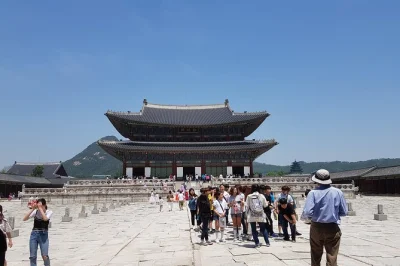 Seoul: Gyeongbokgung Palace, N Seoul Tower & Hanok Village Day TourStep into Seoul’s royal palaces, wander Insadong’s alleys, and ride the cable car up N Seoul Tower—all with hotel pickup and a local guide included.★ 4.91 (4,469)8hENUS$ 32View ›
 Pottery Class & Makgeolli Tasting from Seoul: Make & TasteDay trip from Seoul to Korea's largest ceramic art village for pottery-making, makgeolli tasting at a working brewery, and traditional Korean lunch with private transport.7hEN · KO +4US$ 133View ›
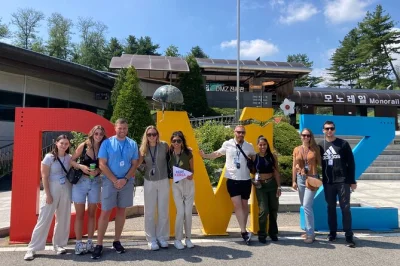 Seoul DMZ & Mt. Gamaksan Bridge Tour with Hotel PickupPeer into North Korea from the DMZ, walk the Mt. Gamaksan suspension bridge, and explore Imjingak Park—small group, hotel pickup, no shopping stops.★ 4.92 (2,316)8h–10hEN · KOUS$ 65View ›
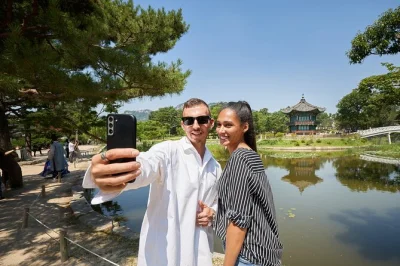 Seoul: Gyeongbokgung Palace, Namsan Tower & Markets Day TourFeel the pulse of Seoul on a city tour with palace guards, street food at Insadong, cable car views from Namsan Tower, and easy hotel pickup included.★ 4.90 (2,188)7h 30mEN · CMUS$ 30View ›
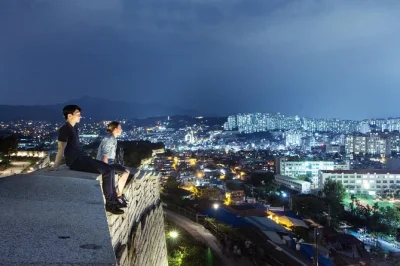 Seoul Night Walking Tour: City Wall, Ehwa Mural & Naksan ParkWander Seoul’s moonlit streets with a local historian, from Ehwa mural village to the Hanyang City Wall. Includes walking tour and stories you won’t find online.★ 4.97 (1,185)2hENUS$ 33View ›
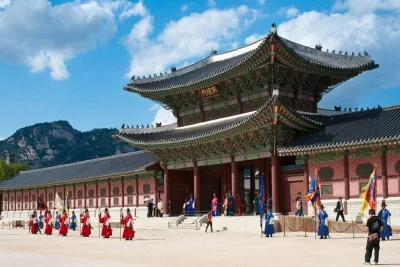 Seoul: Royal Palaces, Insadong & Namdaemun Market Day TourStep into Seoul’s royal palaces, wander antique-filled Insadong, and taste ginseng tea on a small-group day tour with hotel pickup and local guide included.★ 4.87 (1,741)8hENUS$ 68View ›
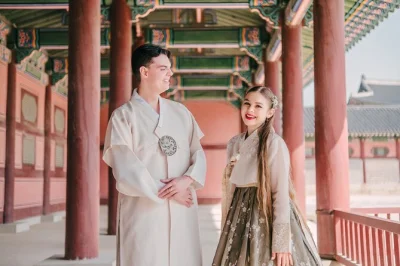 Seoul: Gyeongbokgung Hanbok Photoshoot & History TourStep into Joseon history at Gyeongbokgung Palace with a hanbok photoshoot, pro photographer, and local historian guide. Includes entry ticket and 50+ edited photos.★ 4.97 (419)2h–3hENUS$ 70View ›
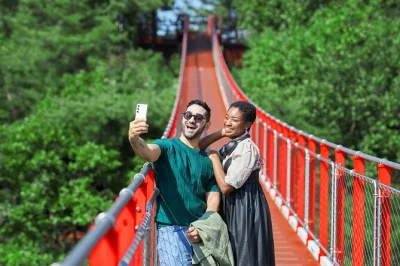 Seoul DMZ Tour: Third Tunnel & Dora Observatory with Suspension BridgeDMZ tour from Seoul includes Third Tunnel of Aggression, Dora Observatory, and Bridge of Freedom. English guide, hotel pickup, full day. Passport required.★ 4.94 (50,854)7h–9hEN · CMUS$ 50View ›
 Seoul DMZ Tour: Retired Military Officers & North Korean DefectorSeoul DMZ tour with military veterans and a North Korean defector. Visit the Third Tunnel and Dora Observatory. Includes admission and roundtrip transfer from Seoul.★ 4.96 (4,854)7h–8hENUS$ 50View ›
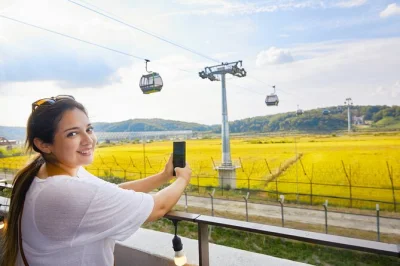 Seoul DMZ Tour: JSA Museum & Bridge CrossingFull-day DMZ tour from Seoul with JSA Museum, Third Tunnel, Dora Observatory & bridge crossings. Pickup from Myeongdong, City Hall or Hongdae. Small groups.★ 4.94 (2,789)7h 30mEN · CMUS$ 49View ›
Top questions
How long does the Suwon day trip from Seoul take?
The tour lasts a full day including round-trip transfers from Seoul with stops at four main sites.
Is lunch included on this Suwon tour?
You’ll make your own kimbap during the Hanbok Wearing Experience Center visit; this serves as lunch.
Are entry fees included for Waujeongsa Temple or Suwon Hwaseong Fortress?
Yes, all entry fees are covered as part of your tour package.
Where does pickup happen in Seoul?
You can choose between two meeting points: Hongik Univ Station or Myeongdong Station.
Do I need to bring anything special for this day trip?
Wear comfortable shoes for walking at Suwon Hwaseong Fortress and bring socks if you plan on wearing hanbok.
Is this tour suitable for children or older travelers?
The tour is suitable for all fitness levels but includes some walking at several sites.
Can I buy souvenirs during this tour?
You can purchase gim (dried laver) as souvenirs at the Hanbok Wearing Experience Center.
What happens if it rains or snows on tour day?
The tour operates regardless of weather conditions including rain or snow.
Suwon Hwaseong Fortress & Waujeongsa Temple Day Trip from Seoul
9h–10h · EN
from US$ 55 per person
★★★★★★★★★★4.9697 reviewsVerified traveler reviews via our booking provider
