
Inca Trail to Machu Picchu: 4-Day Trek from Cusco


Four Days on Stone: The Inca Trail from Start to Machu Picchu
You hike four days on original Inca stone pathways, passing through five major archaeological sites and climbing to 4,215 meters before descending into cloud forest and arriving at Machu Picchu at sunrise on the final morning. The trek includes hotel pickup from Cusco, a professional guide, porters, camping with meals prepared by a chef, and a guided tour of the citadel itself. You return to Cusco by evening on Day 4.
 4d
4d

Step-by-step itinerary
Day 1 — Cusco to Ayapata via Inca Trail
- Pick up at Cusco hotel at 4:30 a.m.
- Drive through Sacred Valley to Ollantaytambo
- Stop for photos and breakfast
- Arrive at trailhead Kilometer 82
- Meet porters and chef
- Hike 2.5 hours to Wilkaraqay Inca site
- View Llactapata ruins and learn history
- Hike 2 hours to Hatunchaca
- Lunch at Hatunchaca
- Hike 2.5 hours to Ayapata campsite
Day 2 — Ayapata to Chaquicocha via Dead Woman’s Pass
- Breakfast at campsite
- Hike 2 hours through cloud forest to Lluchapampa
- Rest 15 minutes at Lluchapampa
- Hike 2 hours to Dead Woman’s Pass
- Pause and admire mountain scenery
- Descend to Pacaymayu camp for lunch
- Climb 45 minutes to Runcuraccay ruins
- Tour Runcuraccay ruins
- Hike 1 hour to Runcuraccay pass
- Descend 90 minutes to Sayacmarca ruins
- Explore Sayacmarca ruins
- Hike 25 minutes to Chaquicocha campsite
Day 3 — Chaquicocha to Wiñay Wayna via Phuyupatamarca
- Hike 2 hours to Phuyupatamarca ruins
- Tour Phuyupatamarca ruins
- Hike 2.5 hours downhill to camp
- Visit Inti Pata viewpoint
- Hike 40 minutes to Wiñay Wayna campsite
- Lunch at campsite
- Relax and rest
- Tour Wiñay Wayna archaeological site
Day 4 — Wiñay Wayna to Machu Picchu and Cusco
- Early breakfast at campsite
- Hike 1 hour to Sun Gate
- View Machu Picchu and sunrise
- Hike 45 minutes downhill to Machu Picchu entrance
- Take classic Machu Picchu photos
- 2-hour guided tour of Machu Picchu
- Bus to Aguas Calientes
- Train to Poroy
- Private vehicle to Cusco hotel
- Arrive in Cusco around 8 p.m.

The Experience
What if the most famous hike in South America is also the one you actually remember? The Classic Inca Trail to Machu Picchu is four days of walking on original paved pathways built by hand centuries ago, and it moves through altitudes that climb from 2,700 meters to 4,215 meters at Dead Woman's Pass before dropping back down into cloud forest. Your guide picks you up at your Cusco hotel at 4:30 a.m. on Day 1 and drives through the Sacred Valley to Kilometer 82, where the trail begins. The first day is gentle — 2.5 hours of relatively flat ground to Wilkaraqay, where you see the Llactapata ruins and get a sense of what you're walking into, then two more hours to lunch at Hatunchaca, then another 2.5 hours to the first campsite at Ayapata. You're camping in a four-person tent (two people per tent), and the support crew — cooks and porters — have already set it up and have food ready.
Day 2 is where the trek shows its teeth. After breakfast you climb for two hours through cloud forest and different bio-zones, reach Lluchapampa at 3,800 meters, take a 15-minute break, then push for another two hours to Dead Woman's Pass at 4,215 meters. The views from the top are the kind that make you stop talking. You descend to Pacaymayu for lunch, then climb again to Runcuraccay — a circular Inca site where messengers used to rest — and your guide walks you through the ruins before you continue to Sayacmarca, another archaeological site carved into rock walls. From there it's 25 minutes to camp at Chaquicocha. The altitude hits different on Day 2, and the terrain is uneven, but the trail itself is built for walking — these are Inca stones you're stepping on.
Day 3 starts with a two-hour hike to Phuyupatamarca, the "City Above the Clouds" at 3,680 meters, where you can see Machu Picchu Mountain and Huayna Picchu in the distance. Then you drop into the rain forest for 2.5 hours, passing through Inti Pata — a spot where many hikers say the best photographs of the entire Inca Trail happen — and reach Wiñay Wayna, the largest archaeological site on the trail. The name means "forever young" in Quechua. You have lunch, rest, and then your guide takes you through the site itself, showing you the terracing and the caves that archaeologists believe were used for spiritual retreat. Most trekking companies don't include a guided tour of Wiñay Wayna; this one does.
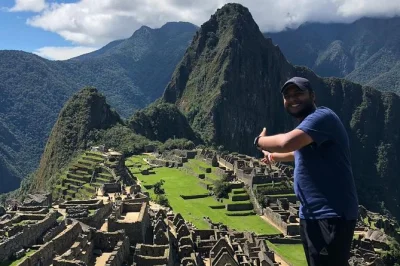
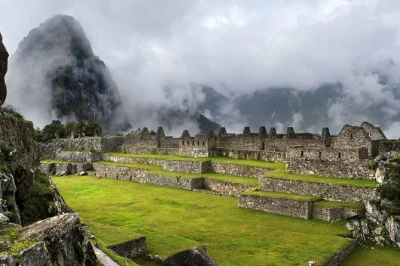
On Day 4 you wake early, hike for about an hour on easy terrain to the Sun Gate — the ancient entrance to Machu Picchu — and if the weather cooperates, you see the sunrise over the Andes and your first view of the citadel. Then it's a 45-minute downhill walk to the entrance gates, a photo stop at the classic viewpoint, and a two-hour guided tour led by an expert in the site's history and mythology. After that you take a bus to Aguas Calientes, then a train to Poroy, where a private vehicle is waiting to drive you back to your hotel in Cusco, arriving around 8 p.m. The whole trek is supported by professional cooks, porters who carry the camping gear, and a guide who knows the trail and the sites. You carry only a day pack.

What’s included
Your trek includes private transportation from your Cusco hotel (pickup at 4:30 a.m. on Day 1), a professional guide, sleeping tent and mattress, support staff including cooks and porters who carry all equipment, meals at each camp, pre-trek briefing, emergency supplies with first aid kit and oxygen, and a two-hour guided tour of Machu Picchu on Day 4. Return transport by bus, train, and private vehicle to your Cusco hotel is included.
Operated by Action Peru Treks
Is this one for you?This trek is for anyone who wants to walk the most famous Inca pathway in South America without arranging permits, logistics, or guides separately — the four-day structure and support crew handle all of that, leaving you to focus on the altitude, the ruins, and the final sunrise at Machu Picchu.
Traveler reviews
Compare the 13 similar options
 Inca Trail to Machu Picchu: 4-Day Trek from Cusco★ 4.99 (95)4dEN · ESUS$ 890
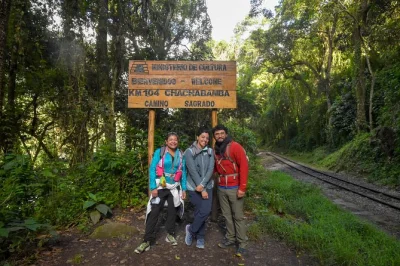 Machu Picchu: 2-Day Inca Trail Hike with Sun Gate EntryWake up before sunrise in Cusco, hike the Inca Trail, cross the Sun Gate to Machu Picchu, and share meals with new friends. Includes hotel pickup, tickets, and meals.★ 4.99 (498)2dENUS$ 670View ›
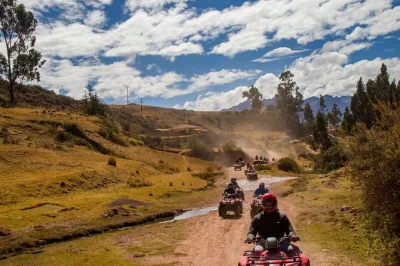 Quad Bike Tour Moray and Maras Salt Mines from CuscoDrive your own ATV through the Sacred Valley to Moray's ancient terraces and Maras salt pools, with helmet, guide, hotel pickup and transport included from Cusco.★ 4.80 (402)6hEN · ESUS$ 29View ›
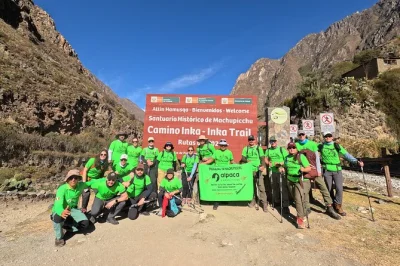 Inca Trail 4-Day Trek to Machu Picchu & Vistadome TrainFour-day Inca Trail trek from Cusco to Machu Picchu with camping, guides, porters, and Vistadome Train return. Includes meals, entry fees, and safety equipment.★ 4.99 (11,478)4dEN · ESUS$ 835View ›
 Cusco, Sacred Valley & Machu Picchu: 6-Day Culture, Train & Local MarketsStep into Inca history in Cusco, explore Sacred Valley villages, shop Pisac market, and ride the train to Machu Picchu. Includes hotels, transfers & guided visits.★ 4.91 (832)6dEN · ESUS$ 892View ›
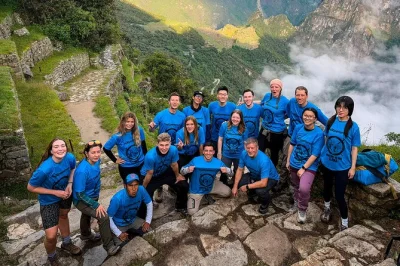 Machu Picchu: 4-Day Inca Trail Trek & Panoramic Train RideWake up to mountain air, hike ancient Inca paths, camp under stars, and reach Machu Picchu at sunrise. Includes hotel pickup, all permits, and chef-prepared meals.★ 4.98 (5,439)4dEN · ESUS$ 697View ›
 Machu Picchu & Sacred Valley: Sunrise Tour, Llama Visit, Private GroupWake up to Machu Picchu at sunrise, meet llamas in the Sacred Valley, and explore Ollantaytambo with a local guide. Includes hotel pickup and meals.★ 4.99 (73)2dEN · PT +2US$ 509View ›
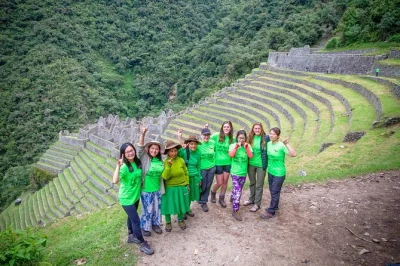 Machu Picchu: Short Inca Trail Hike & Guided Tour 2D/1NWake up before sunrise in Cusco for a guided hike on the Short Inca Trail, enter Machu Picchu via the Sun Gate, and stay overnight in Aguas Calientes—includes all transport and meals.★ 4.99 (4,054)2dEN · ESUS$ 585View ›
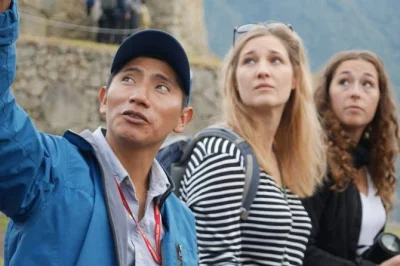 Machu Picchu: Private Guided Tour with Flexible Start & PickupStep into Machu Picchu’s ancient stone paths with a private guide, flexible pickup in Aguas Calientes, and time to pause for stories, photos, and quiet moments.★ 4.95 (604)2h–3hEN · ESUS$ 98per groupView ›
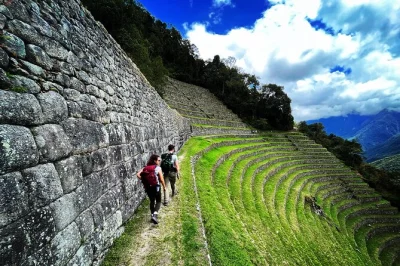 Machu Picchu: 2-Day Inca Trail & Sun Gate with Overnight2-day Inca Trail trek from Cusco to Machu Picchu via Sun Gate. Includes KM 104 trailhead, Chachabamba, Wiñay Wayna, overnight in Aguas Calientes, guided tour and train.★ 4.98 (337)2dEN · ESUS$ 600View ›
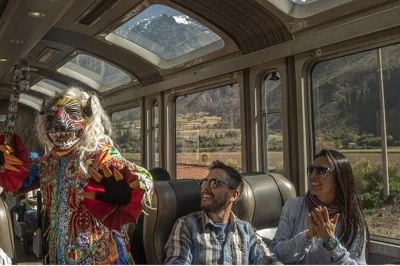 Machu Picchu Day Trip from Cusco by Train & BusFull-day Machu Picchu tour from Cusco via Expedition Train with guided citadel tour, all transport, meals and entry ticket included. Departs 4:30am, returns evening.★ 4.96 (317)16hEN · ESUS$ 419View ›
 Machu Picchu & Rainbow Mountain: 4-Day Sacred Valley Trek from CuscoFour-day tour from Cusco with Sacred Valley sites, Machu Picchu, and Rainbow Mountain. Includes train, bus, guide, accommodation and entry tickets.★ 4.96 (26)4dEN · ESUS$ 696View ›
 Machu Picchu Day Trip from Cusco: Small Group & Train RideWake up early in Cusco for a day trip to Machu Picchu by scenic train, guided tour of the citadel, and hotel pickup—see Peru’s wonder without overnight stays.★ 4.73 (156)12h–16hEN · DE +4US$ 399View ›
Top questions
How early does the trek start?
Hotel pickup in Cusco is at 4:30 a.m. on Day 1 to drive to the trailhead at Kilometer 82.
What is included in the price?
Private transportation from Cusco, sleeping tent and mattress, porters and cooks, guide, pre-trek briefing, emergency supplies including first aid and oxygen, and the guided tour of Machu Picchu on Day 4.
What is the highest altitude on the trail?
Dead Woman's Pass at 4,215 meters (13,825 feet) on Day 2.
Do I need to carry my own tent and food?
No. Porters carry all camping equipment and a chef prepares meals at each camp.
What is Wiñay Wayna?
The largest and most beautiful archaeological site on the Inca Trail, located at 2,680 meters. It features terracing, caves, and is believed to have been used as a spiritual retreat. A guided tour is included.
How do I get back to Cusco after finishing the trek?
On Day 4 after the Machu Picchu tour, you take a bus to Aguas Calientes, then a train to Poroy, where a private vehicle returns you to your Cusco hotel by 8 p.m.
Can I rent trekking poles or a sleeping bag?
Yes, both trekking poles and sleeping bags can be rented.
What fitness level is required?
At least a moderate level of physical fitness. The trek includes steep climbs, high altitude, and four consecutive days of hiking.
What should I bring?
Original passport, trekking boots, warm layers, rain jacket, sun hat, sunscreen (SPF 35+), headlamp, sunglasses, camera, binoculars, and toiletries. A down or synthetic sleeping bag is required (can be rented).
Inca Trail to Machu Picchu: 4-Day Trek from Cusco
4d · EN · ES · at your hotel
from US$ 890 per person
★★★★★★★★★★4.9995 reviewsVerified traveler reviews via our booking provider
