
Cusco: Inca Trail to Machu Picchu 4-Day Trek
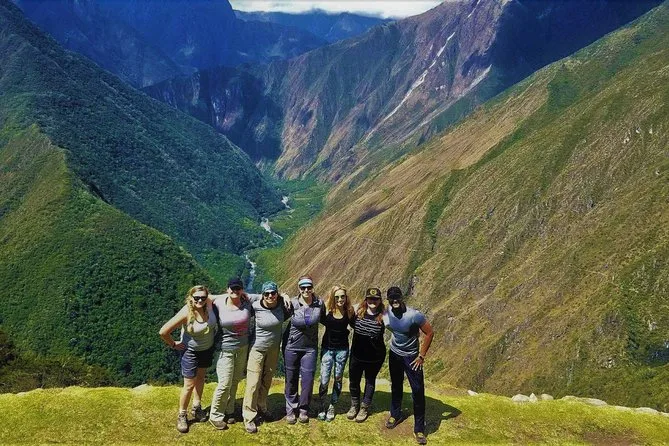
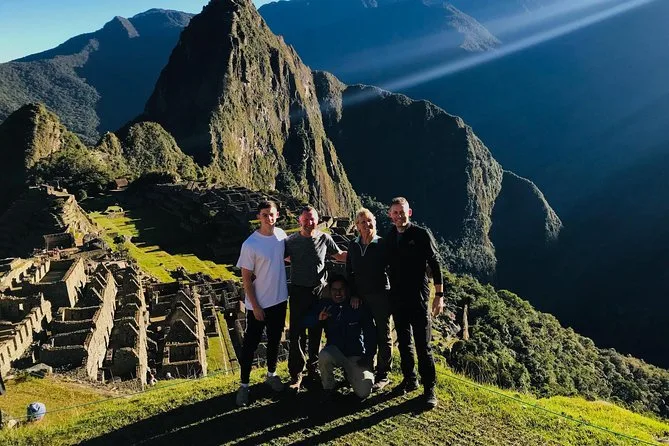
Four Days on the Inca Trail: What the Checkpoint Line Teaches You
You hike the Inca Trail over four days from Cusco, crossing two mountain passes and sleeping in comfortable camps with hot showers and included meals. A personal porter carries seven kilos of your gear. You reach Machu Picchu early on the final morning, before the crowds, take a guided tour of the ruins, and return to Cusco by train the same day instead of hiking back out.
Compare the 12 alternatives
 Inca Trail 4-Day Trek to Machu Picchu & Vistadome TrainEvery day · From age 5★ 4.99 (11,565)4dEN · ESUS$ 835View ›
 2-Day Inca Trail to Machu Picchu: Hike the Sun Gate entranceEvery day · 00:00 · 18–75 years★ 4.99 (532)2dENUS$ 670View ›
 Machu Picchu: 2-Day Inca Trail & Sun Gate with OvernightMon, Tue, Thu, Fri and Sat · From age 6★ 4.98 (337)2dEN · ESUS$ 600View ›
 Inca Trail 4-Day Trek Cusco to Machu Picchu & Sun GateEvery day · 00:30 · From age 8★ 4.99 (1,047)4dEN · ESUS$ 998View ›
 Machu Picchu: 2-Day Inca Trail Trek & Sunset EntryEvery day · 03:00, 04:00 and 05:00 · All ages★ 5.00 (47)2dEN · PT +2US$ 580View ›
 2-Day Short Inca Trail to Machu Picchu from CuscoEvery day · 04:00 · From age 5★ 4.99 (4,069)2dEN · ESUS$ 585View ›
 Machu Picchu: 2-Day Inca Trail Trek & Sun GateEvery day · 05:00 · 18–50 years★ 5.00 (1)2dEN · ESUS$ 816View ›
 4-Day Inca Trail Trek to Machu Picchu from CuscoEvery day · 04:30 · From age 3★ 4.98 (5,477)4dEN · ESUS$ 820View ›
 Inca Trail 4-Day Trek to Machu Picchu from CuscoMon, Wed, Thu and Sat · 05:30 · From age 7★ 4.83 (380)4dEN · ESUS$ 932View ›
 2-Day Inca Trail to Machu Picchu from Cusco: Shortened TrekEvery day · From age 10★ 4.81 (73)2dEN · PT +1US$ 699View ›
 Cusco: 2-Day Inca Trail & Machu Picchu with Sun GateEvery day · 05:00 and 07:00 · From age 7★ 5.00 (99)2dEN · PT +1US$ 665View ›
 2-Day Inca Trail to Machu Picchu: Sunset & Sunrise ViewsEvery day · 04:00 · From age 3★ 4.97 (2,093)2dEN · ESUS$ 590View › Compare more experiences like this »
Step-by-step itinerary
Day 1: Start Inca Trail to Ayapata
- Drive 3 hours to km 82
- Stop at Ollantaytambo for breakfast
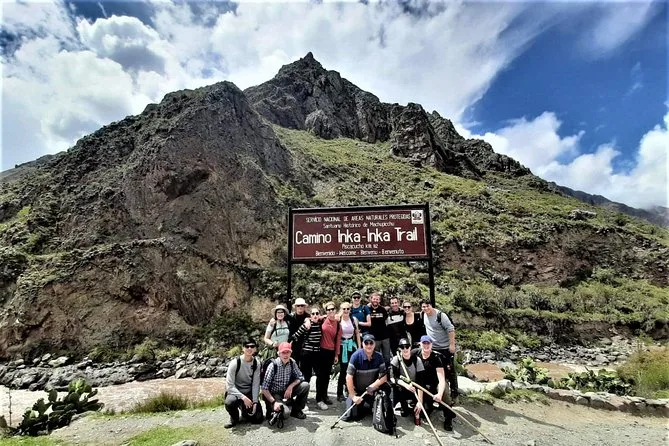
- Pass checkpoint at km 82
- Hike 4 hours to lunch
- Hike 2 hours to Ayapata campsite
- Overnight in tents at 3300 meters
Day 2: Cross Two Mountain Passes
- Wake with coffee in tent
- Breakfast at campsite
- Hike 4 hours up Dead Woman's Pass
- Hike 2 hours down to Pacaymayu Valley
- Lunch at Pacaymayu Valley
- Hike 2 hours up Runcuraccay Pass
- Hike 2 hours down to Chaquicocha campsite
- Overnight at 3600 meters
Day 3: Hike to Wiñaywayna Campsite
- Breakfast at campsite
- Hike 2 hours up and down cloud forest
- Hike 4 hours down 1000 meters
- Arrive at Wiñaywayna campsite for lunch
- Explore nearby sites and shower
- Overnight at 2600 meters
Day 4: Reach Machu Picchu and Return
- Pack and early breakfast at 3:30 am
- Walk 5 minutes to checkpoint
- Wait in line until 5:30 am
- Hike 1 hour to Sungate
- Hike 1 hour down to Machu Picchu
- Rest and tour Machu Picchu for 2 hours
- Descend to Aguas Calientes for lunch
- Take panoramic train back to Cusco
The experience
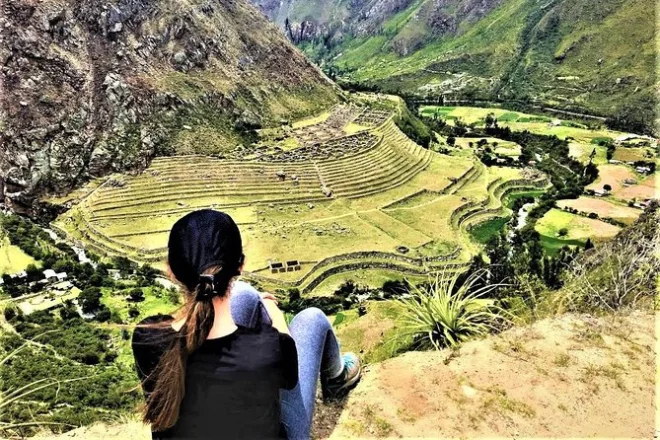
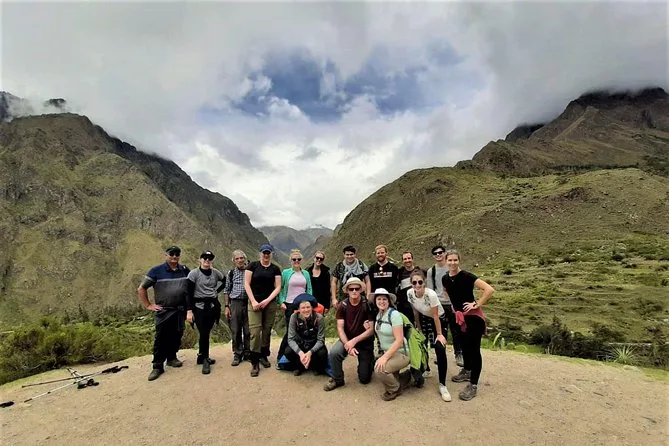
You start at 3:30 am on the final morning, packed and fed in the dark, standing in line at a checkpoint five minutes from camp with hundreds of other hikers waiting for the gate to open at 5:30. That queue is the moment you realize what you've earned over three days: the right to walk into Machu Picchu before the tour buses arrive. The Inca Trail to Machu Picchu is a four-day trek from Cusco that moves you through four different elevations, two mountain passes, and a cloud forest, each day building toward that early-morning arrival at the Lost City around 8 am.
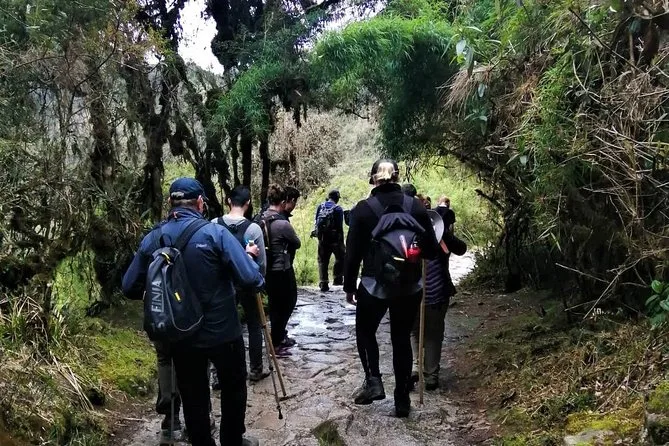
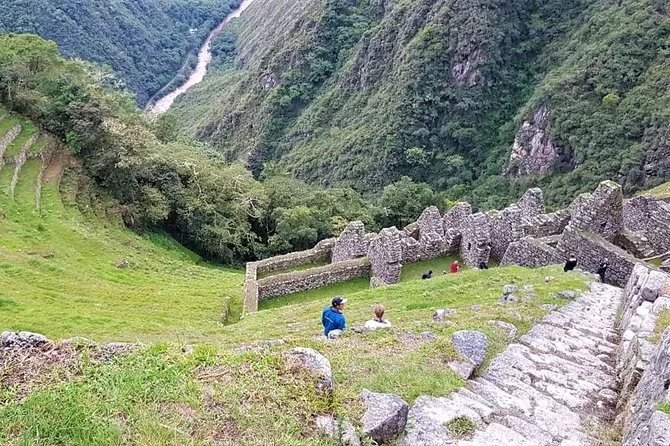
The trek starts three hours from Cusco, at km 82, after a breakfast stop in Ollantaytambo. Day one is a gentle introduction: four hours of hiking down to lunch, then two more to the first camp at Ayapata, 3,300 meters up. Day two is the one that tests you: you wake to coffee in your tent, eat breakfast surrounded by mountains, and then climb for four hours to Dead Woman's Pass at 4,200 meters, descend two hours to a valley lunch, climb again for two hours, and descend another two to Chaquicocha at 3,600 meters. That second campsite is where you can actually see stars. By day three, the hardest part is behind you: a gentler two-hour climb through cloud forest, then a long drop of almost 1,000 meters in four hours to Wiñaywayna, where you arrive by lunchtime and have the rest of the day to explore the ruins around the camp or just sit and recover.
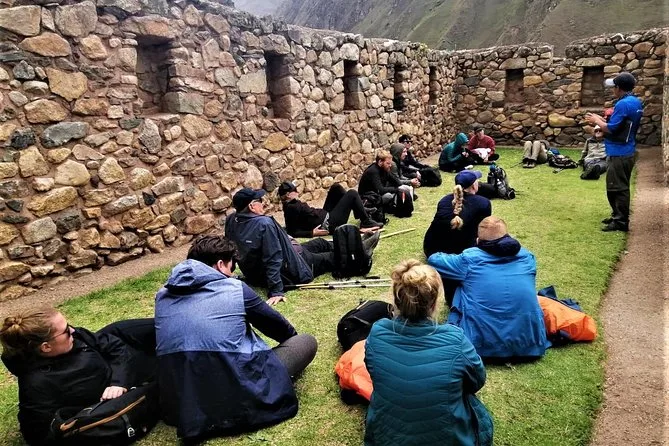
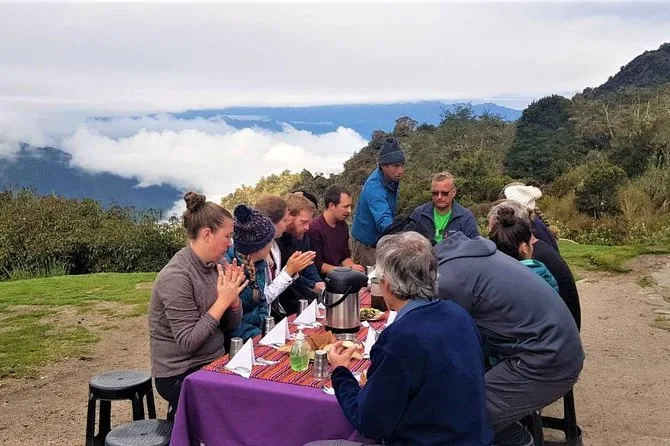
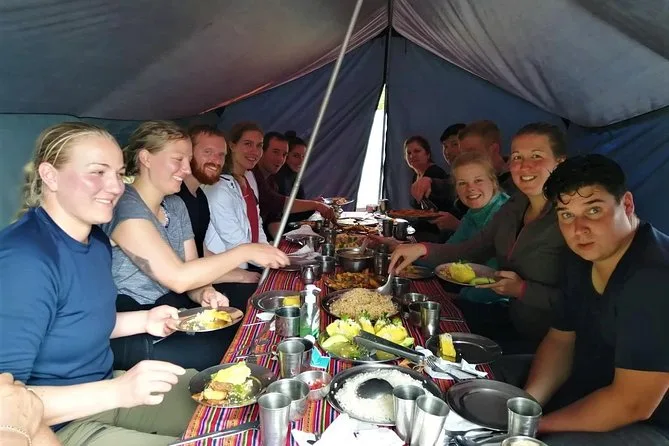
What makes this version work is the small details that separate it from the crowded standard route. You get a personal porter who carries seven kilos of your gear, so you're not hauling everything yourself. The camps have comfortable four-person tents, two people per tent, and hot showers are available, which sounds small until you've been hiking for two days. Meals are included: four breakfasts, three lunches, three dinners, with vegetarian options if you request them at booking. The guides are mountain specialists who know the trail and the sites, and they get you to the archaeological sites early, before the larger groups arrive. On the final day, after the two-hour tour of Machu Picchu itself, you take the Panoramic Train back to Cusco instead of retracing your steps, which saves a full day of hiking out.
You need moderate fitness to do this (the second day is real work, and altitude matters), but the pace is built around that, not around speed. The outfitter is Peruvian and runs social projects in the region, so the money you spend supports the communities along the trail. Bring your passport details at booking. If you have dietary needs beyond vegetarian, mention them then.
What’s included
Your four days include hotel pickup from Cusco, all transportation to km 82 and between camps, entrance fees to the Inca Trail and Machu Picchu, four breakfasts, three lunches, and three dinners with vegetarian options available, a personal porter to carry seven kilos of your gear, comfortable four-person tents with two people per tent, expert mountain guides, hot showers at camp, and the Panoramic Train back to Cusco on the final day after your tour of the ruins.
Before you book
Prices and times updated 13 days ago
Operated by Ultimate Trekking
Is this one for you?Book this if you want to hike the Inca Trail without managing your own permits, logistics, or the physical burden of carrying a full pack: the porter and fixed itinerary handle that, leaving you to focus on the climb and the views.
Traveler reviews
Top questions
What languages is the guide in?
Live guide in English and Spanish.
Can children come?
Yes. Ticket types: Child (4 to 17 years). Under 4: they can't be included in the booking.
What happens if it rains?
It may be canceled due to bad weather. If that happens, you're offered another date or a refund. No refund if you cancel.
How long is the hike each day?
Day one: six hours total (four hours to lunch, two after). Day two: ten hours (four up to Dead Woman's Pass, two down, two up again, two down to camp). Day three: six hours (two up, four down). Day four: two hours to Machu Picchu, then a guided tour.
What's the highest elevation?
Dead Woman's Pass at 4,200 meters on day two. Runcuraccay Pass is 4,000 meters. The first camp is at 3,300 meters, the second at 3,600 meters, and Wiñaywayna at 2,600 meters.
What's included in the price?
All meals (four breakfasts, three lunches, three dinners), entrance fees to the Inca Trail and Machu Picchu, a personal porter for seven kilos of gear, comfortable tents, expert guides, all transportation during the four days, and the Panoramic Train back to Cusco on day four.
Do I need to be very fit?
You should have at least moderate physical fitness. Day two is the hardest, with significant elevation gain and descent. Altitude affects people differently, so acclimatization before the trek helps.
What if I'm vegetarian?
Vegetarian meals are available. Let the outfitter know at the time of booking.
How many people are in a group?
The trek is private, meaning your group is separate from others. Tents sleep two people each (one tent per two travelers).
What time do we arrive at Machu Picchu?
Around 8 am on day four, after hiking from the checkpoint at 5:30 am. You reach the gate before the main tour groups.
Is there a train back to Cusco?
Yes. After the guided tour of Machu Picchu, you descend to Aguas Calientes, have lunch, and take the Panoramic Train back to Cusco on the same day.
What do I need to bring for booking?
Your passport number, name, expiry date, and country for all participants. Mention any dietary requirements at booking.
Are there showers at the camps?
Yes, hot showers are available at the campsites.
Cusco: Inca Trail to Machu Picchu 4-Day Trek
4d · EN · ES · at your hotel
from US$ 850 per person
5.001 reviewVerified traveler reviews via our booking provider