
Inca Trail 4-Day Trek to Machu Picchu & Vistadome Train



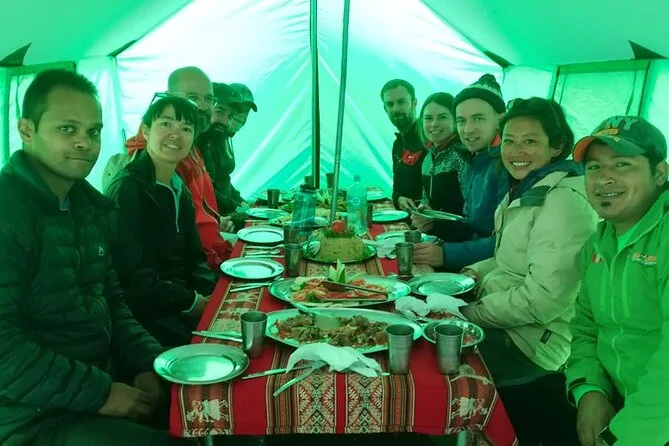
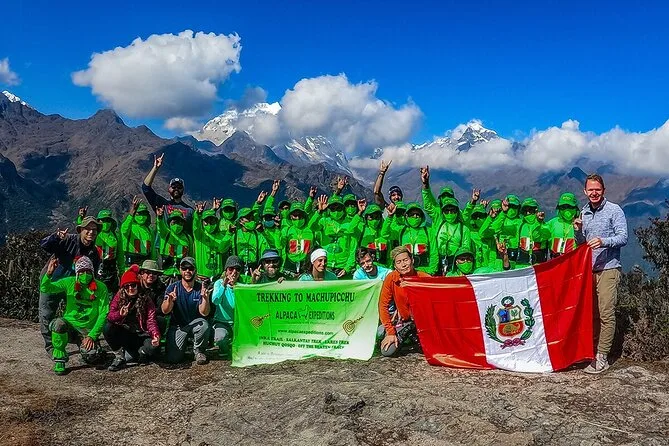
Four Days on the Inca Trail: From Kilometer 82 to the Sungate
You trek the Inca Trail over four days with camping, hot meals prepared at each campsite, a personal porter carrying your gear, and expert guides. You pass through Llactapata, climb to Dead Woman's Pass at 4,215 meters, explore Wiñay Wayna, and reach Machu Picchu via the Sungate. Entry to Machu Picchu, the Vistadome Train return, and a briefing session the night before are all included. Minimum two people per booking.
Compare the 12 alternatives
 Machu Picchu: 2-Day Inca Trail Trek & Sunset EntryEvery day · 03:00, 04:00 and 05:00 · All ages★ 5.00 (47)2dEN · PT +2US$ 580View ›
 2-Day Inca Trail to Machu Picchu: Hike the Sun Gate entranceEvery day · 00:00 · 18–75 years★ 4.99 (530)2dENUS$ 670View ›
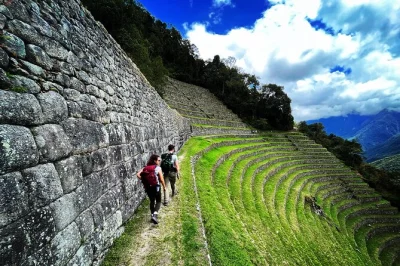 Machu Picchu: 2-Day Inca Trail & Sun Gate with OvernightMon, Tue, Thu, Fri and Sat · From age 6★ 4.98 (337)2dEN · ESUS$ 600View ›
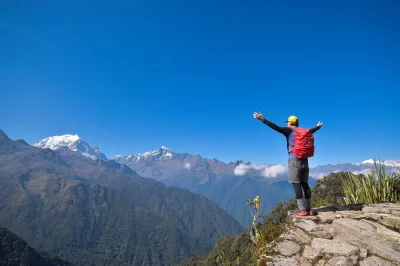 Inca Trail 4-Day Trek Cusco to Machu Picchu & Sun GateEvery day · 00:30 · From age 8★ 4.99 (1,047)4dEN · ESUS$ 998View ›
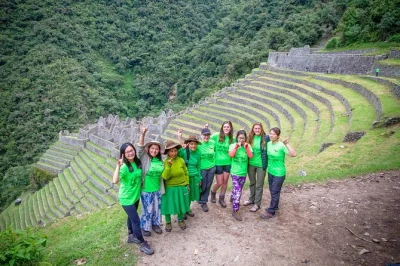 2-Day Short Inca Trail to Machu Picchu from CuscoEvery day · 04:00 · From age 5★ 4.99 (4,069)2dEN · ESUS$ 585View ›
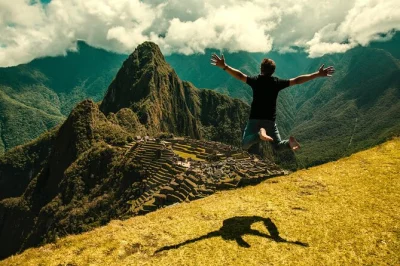 Inca Trail 4-Day Trek to Machu Picchu from CuscoMon, Wed, Thu and Sat · 05:30 · From age 7★ 4.83 (380)4dEN · ESUS$ 932View ›
 Machu Picchu: 2-Day Inca Trail Trek & Sun GateEvery day · 05:00 · 18–50 years★ 5.00 (1)2dEN · ESUS$ 816View ›
 4-Day Inca Trail Trek to Machu Picchu from CuscoEvery day · 04:30 · From age 3★ 4.98 (5,477)4dEN · ESUS$ 820View ›
 Machu Picchu 2-Day Trek from Cusco: Inca Trail & SunriseEvery day · 03:00, 04:00 and 05:00 · 15–60 years★ 5.00 (106)2dEN · ESUS$ 495View ›
 Cusco: Inca Trail to Machu Picchu 4-Day TrekEvery day · 04:30 · From age 4★ 5.00 (1)4dEN · ESUS$ 850View ›
 Cusco: 2-Day Inca Trail & Machu Picchu with Sun GateEvery day · 05:00 and 07:00 · From age 7★ 5.00 (99)2dEN · PT +1US$ 665View ›
 2-Day Inca Trail to Machu Picchu: Sunset & Sunrise ViewsEvery day · 04:00 · From age 3★ 4.97 (2,091)2dEN · ESUS$ 590View › Compare more experiences like this »
Step-by-step itinerary
Day 1: Cusco to Ayapata campsite
- Pick up from Cusco hotel at 4:20 am
- Drive to Porters' House in Ollantaytambo
- Have breakfast prepared by trekking chef
- Drive 1 hour to trailhead at Km 82
- Organize and prepare for hike
- Hike to Llactapata Inca site
- Hike 2 hours to lunch spot
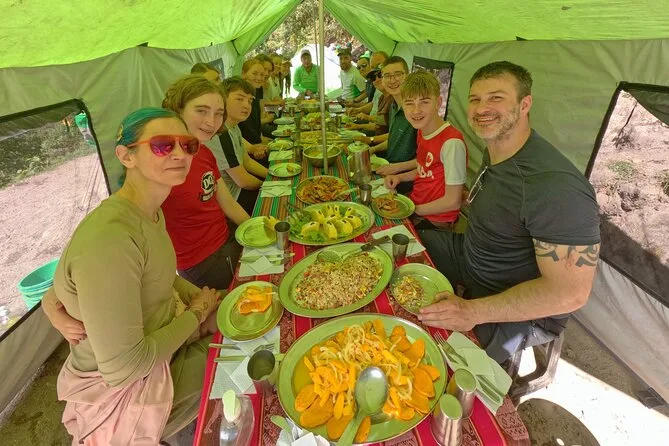
- Enjoy hot lunch at campsite
- Refill camel bags with safe water
- Hike 2 hours to Ayapata campsite
- Have dinner and rest at campsite
Day 2: Dead Woman's Pass and Chaquicocha
- Eat breakfast at campsite
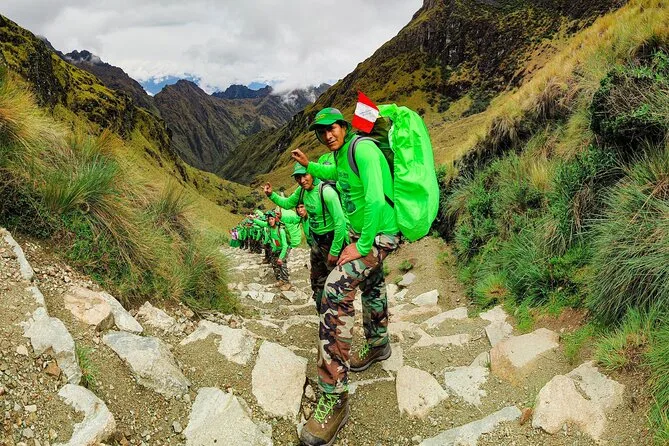
- Ascend 4 hours to Dead Woman’s Pass
- Admire views and descend to Pacaymayu River
- Rest and have lunch
- Ascend to Runccuracay Pass and visit site
- Enjoy views of waterfalls
- Hike down to Chaquicocha campsite
- Enjoy happy hour and dinner
Day 3: Phuyupatamarka and Wiñayhuayna sites
- Have breakfast at campsite
- Ascend to Phuyupatamarka
- View Urubamba River and Machu Picchu
- Walk 3 hours down to last campsite
- Visit Phuyupatamarka and Intipata sites
- Have lunch at campsite
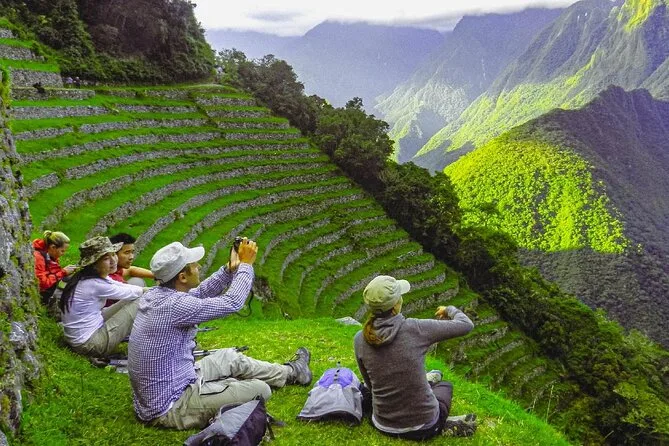
- Visit Wiñayhuayna archaeological site
- Rest and prepare for next day
Day 4: Machu Picchu and return to Cusco
- Have early breakfast
- Hike 2 hours to Sungate (Intipunku)
- Take photos of Machu Picchu views
- Guided tour of Machu Picchu Citadel
- Optional Huayna Picchu hike (if booked)
- Meet guide at Aguas Calientes
- Have lunch in Aguas Calientes
- Take train to Ollantaytambo
- Drive back to Cusco hotel
The experience
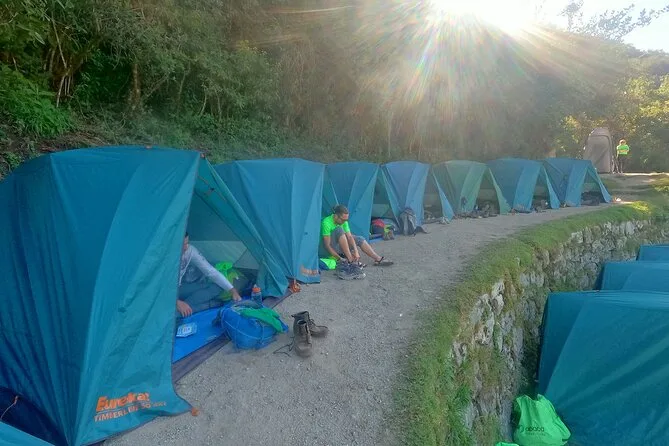
You start in the dark. The pickup comes at 4:20 am from your Cusco hotel, and by the time the sun rises you're already at Kilometer 82, the official trailhead, standing at the edge of the ancient path the Incas built centuries ago. The first day is a gentle introduction: you hike to Llactapata, the first archaeological site, then another two hours to lunch, where the trekking chef has a hot meal waiting at the campsite. By evening you're at Ayapata, sleeping under open sky, your body already adjusting to the altitude and the rhythm of the trail.
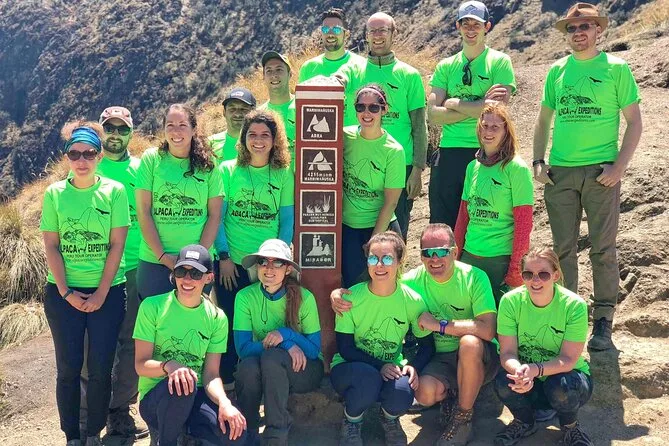
Day two is where the Inca Trail shows its teeth. A four-hour ascent takes you to Dead Woman's Pass, Warmi Wañusqa, at 4,215 meters, the highest point of the entire trek. The views from up there stretch across the whole route behind you, and then you descend toward Pacaymayu River, rest, and push on to the second pass at Runccuracay, where you can see two waterfalls and the archaeological site before dropping down to Chaquicocha. This is the hardest day, and the trekking chef marks it with a happy hour at camp before dinner. A personal porter carries up to 7 kilograms of your gear, which means you're not hauling everything yourself: that detail matters more than it sounds when you're at altitude.
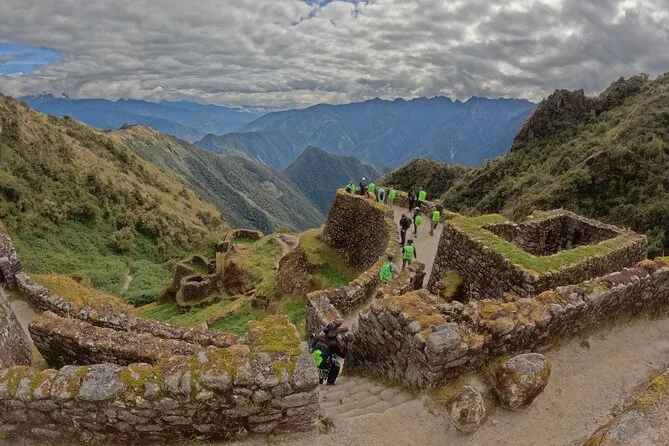
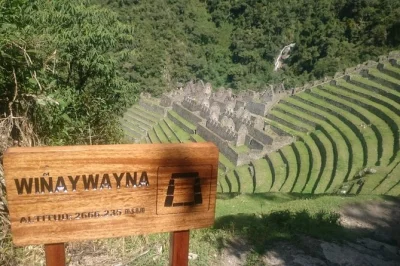
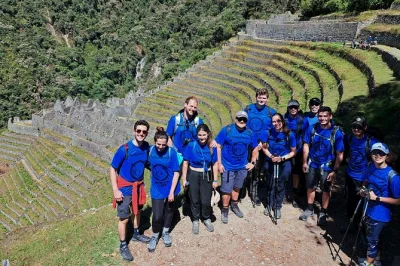
The third day eases off. You climb toward Phuyupatamarka at 3,600 meters, the Town in the Clouds, and from there you can see the Urubamba River and catch your first distant glimpse of Machu Picchu. A three-hour walk down brings you to the last campsite, passing through Intipata (Terraces of the Sun) and the biggest archaeological site on the trail, Wiñay Wayna, which means Forever Young. It's designed to be the easiest day, saving your legs for what comes next.
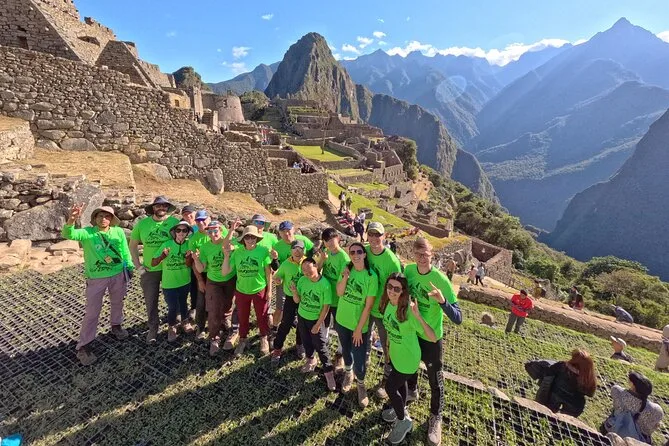
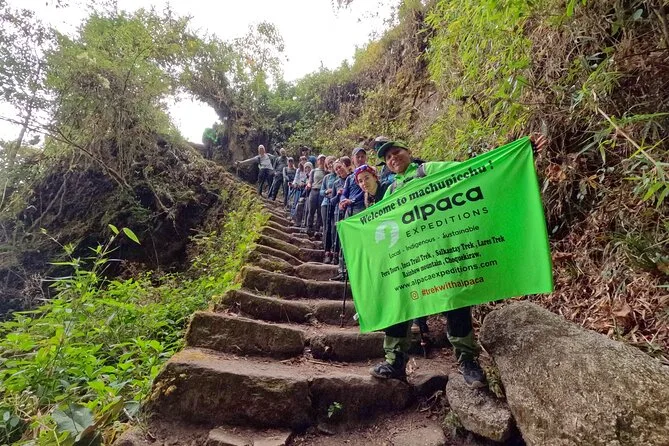
On the final morning, you wake early, say goodbye to the porters and guides who've been with you for three days, and hike two hours to the Sungate, Intipunku, where Machu Picchu appears in front of you for the first time. Your guide leads a two-hour tour through the citadel itself, explaining the architecture and history (lecture materials get sent to your email afterward). Then you descend to Aguas Calientes, have lunch, and board the Vistadome Train back to Ollantaytambo, where a driver picks you up and takes you back to Cusco. The whole journey (four days of camping, four days of meals cooked on-site, a personal porter, all entry fees, and the train ride home) is included. Alpaca Expeditions, the operator, guarantees safety with guides positioned behind the group, food quality following five strict protocols, and expert lectures on Inca history.
What’s included
Your trek includes hotel pickup from Cusco at 4:20 am, breakfast at the Porters' House, all meals cooked at campsites during the four days, camping in two-person Eureka tents, a personal porter carrying up to 7 kilograms of your gear, drinkable water throughout the trek, a portable chemical toilet for the group, a first aid kit and oxygen tank, entry to Machu Picchu, a two-hour guided tour of the citadel, the Vistadome Train return to Ollantaytambo, and a briefing session at 6 pm the night before in the operator's office. Lecture materials about Inca history are sent to your email after the trek.
Before you book
Prices and times updated 3 days ago
Operated by Alpaca Expeditions
Is this one for you?Book this trek if you want to reach Machu Picchu on foot rather than by train alone, and you're comfortable with four days of camping and altitude: the porter support and on-site meals mean you're not managing logistics yourself, just hiking and acclimatizing.
Traveler reviews
Top questions
What languages is the guide in?
Live guide in English and Spanish.
Can children come?
Yes. Ticket types: Child (5 to 17 years). Under 5: they can't be included in the booking.
What happens if it rains?
It may be canceled due to bad weather. If that happens, you're offered another date or a refund. No refund if you cancel.
What's included in the Inca Trail 4-day trek?
Hotel pickup in Cusco, breakfast at the Porters' House, all meals during the trek cooked on-site, camping in 2-person Eureka tents, personal porter support (up to 7kg per person), drinkable water, first aid kit and oxygen tank, entry to Machu Picchu, guided tour of the citadel, and return by Vistadome Train to Ollantaytambo.
How difficult is the Inca Trail trek?
Moderate to challenging. Day two (Dead Woman's Pass at 4,215 meters) is the hardest. You need at least moderate physical fitness and should have no serious cardiovascular or spinal conditions. The trek is not recommended for pregnant travelers.
What time does the trek start?
Hotel pickup is at 4:20 am from your Cusco hotel. Breakfast is served at the Porters' House in Ollantaytambo, and you reach the trailhead at Kilometer 82 by mid-morning.
Do I need to book Huayna Picchu tickets separately?
Yes. Huayna Picchu tickets cost $75 each and must be booked in advance if you want to do the extra hike after the guided tour of Machu Picchu.
What accommodation is provided on the trek?
Four-man Eureka tents used for two people, set up at campsites each night. Camping is at Ayapata (night 1), Chaquicocha (night 2), and the last campsite before Wiñay Wayna (night 3).
Is there a briefing before the trek starts?
Yes. A briefing session is held the night before at 6 pm in Alpaca Expeditions' office in Cusco.
What happens on the last day?
After an early breakfast, you hike two hours to the Sungate (Intipunku) for your first view of Machu Picchu. Your guide then leads a two-hour tour of the citadel. You descend to Aguas Calientes for lunch, then take the Vistadome Train back to Ollantaytambo and return by car to your Cusco hotel.
What's the minimum group size?
A minimum of two people per booking is required.
What safety measures are in place?
At least one guide is positioned behind the group at all times. The trek includes a first aid kit, oxygen tank, and satellite phone. Alpaca Expeditions guarantees safety throughout the entire trek.
When is the Vistadome Train included?
The Vistadome Train is included for bookings from March 2026 onward. It's your return journey from Aguas Calientes to Ollantaytambo on the final day.
Inca Trail 4-Day Trek to Machu Picchu & Vistadome Train
4d · EN · ES · at your hotel
from US$ 835 per person
4.9911,562 reviewsVerified traveler reviews via our booking provider