
Everest Base Camp Trek from Kathmandu: 13 Days
Walk to the foot of Everest in 13 days, with a guide who knows the route
You trek for 13 days from Kathmandu to Everest Base Camp and back, with acclimatization stops built into the schedule so your body adjusts to the altitude. The trek includes all domestic flights, a professional mountain guide, every meal, guesthouse beds, permits, and airport transfers. You need moderate fitness and should not have spinal injuries, pregnancy or serious heart conditions.
Compare the 12 alternatives
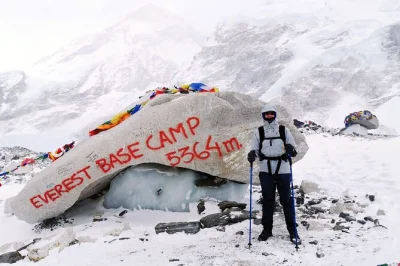 Everest Base Camp Trek from Kathmandu: 14-day guided expeditionEvery day · From age 12★ 5.00 (29)14dENUS$ 1,650View ›
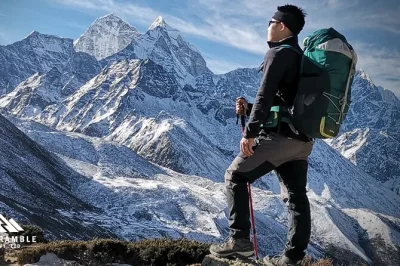 Everest Base Camp Trek from Kathmandu: 14 days to the mountainEvery day · 06:15 and 06:45 · From age 5★ 4.99 (372)13dENUS$ 1,420View ›
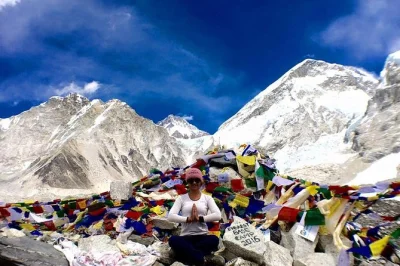 Everest Base Camp Trek from Kathmandu: 12 DaysEvery day · first departure 00:15, last 23:45 · From age 10★ 4.97 (575)14dENUS$ 1,700View ›
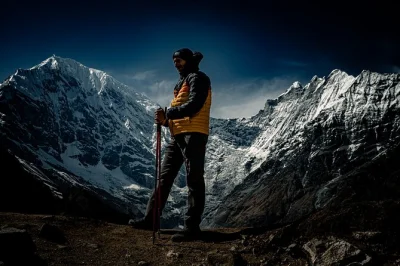 Langtang Valley Trek: Beginner-friendly Himalayan TrekEvery day · 06:45★ 4.99 (191)7dENUS$ 555View ›
 14-Day Everest Base Camp Trek from KathmanduEvery day · 06:15 and 08:00 · From age 8★ 4.98 (1,657)14dENUS$ 1,800View ›
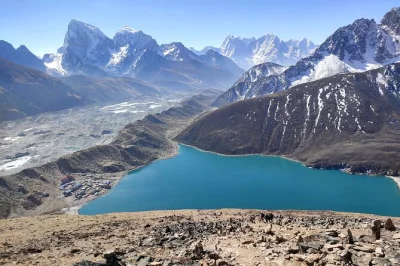 17-day Gokyo to Everest Base Camp Trek from KathmanduEvery day · 08:00 · From age 12★ 4.99 (123)17dENUS$ 2,200View ›
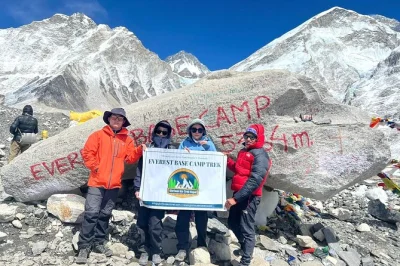 14-day Everest Base Camp Trek from KathmanduEvery day · From age 5★ 4.98 (202)14dEN · HIUS$ 1,550View ›
 Everest Base Camp Trek: 14 Days Kathmandu & Mount EverestEvery day · first departure 00:45, last 23:45 · From age 8★ 4.93 (101)14dENUS$ 999View ›
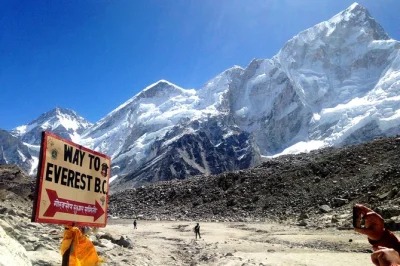 Everest Base Camp Trek from Kathmandu: 12 Days & Sherpa VillagesEvery day · 07:15 · From age 15★ 4.99 (234)14dEN · IT +1US$ 1,339View ›
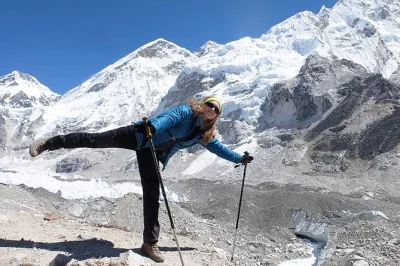 13-day Everest Base Camp Trek from Kathmandu: Guided with porterEvery day · 07:15 · From age 6★ 5.00 (146)13dEN · DE +3US$ 1,800View ›
 Everest Base Camp Trek 14 Days: Lukla Flight & Sherpa VillagesEvery day · 05:45 · From age 16★ 5.00 (78)14dENUS$ 999View ›
 Everest Base Camp Trek 14 Days from KathmanduEvery day · 06:15 · From age 5★ 5.00 (27)14dENUS$ 1,800View › Compare more experiences like this »
Step-by-step itinerary
Day 1: Arrival at Kathmandu
- Meet at Kathmandu airport
- Transfer to hotel
Day 2: Fly to Lukla and trek to Phakding
- Transfer to airport
- Fly to Lukla
- Trek to Phakding
Day 3: Trek to Namche Bazaar
- Breakfast
- Trek to Monjo
- Show permits at Monjo
- Climb to Namche Bazaar
Day 4: Acclimatisation at Namche Bazaar
- Hike to Khumjung or Thame village
- Visit Everest View Hotel area
Day 5: Trek to Tyangboche
- Climb and descend to Dudh Koshi
- Ascend to Tyangboche
- Visit Tibetan monastery
Day 6: Trek to Dingboche
- Pass through forests and Imja Khola valley
- Visit Pangboche gompa
- Climb to Dingboche
Day 7: Acclimatisation at Dingboche
- Hike to Chhukung or Nangkartshang Peak
Day 8: Trek to Lobuche
- Trek through barren valley
- View snow-capped peaks
- Reach Lobuche
Day 9: Trek to Everest Base Camp and Gorakhshep
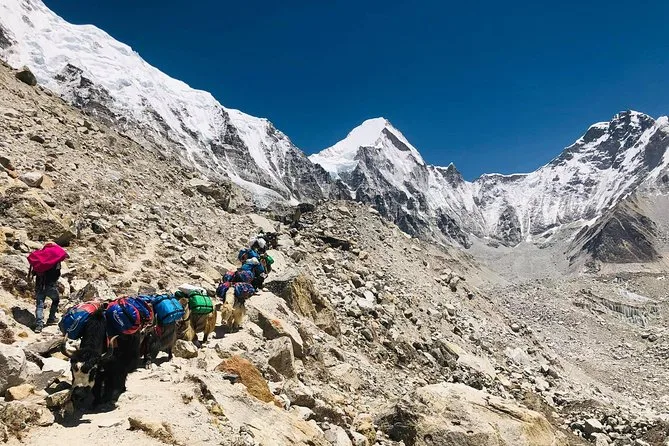
- Walk along Khumbu Glacier
- Lunch at Gorakhshep
- Trek to Everest Base Camp
- Return to Gorakhshep
Day 10: Trek to Kalapaththar and Pheriche
- Ascend Kalapaththar
- Enjoy panoramic mountain views
- Descend to Pheriche
Day 11: Trek back to Namche Bazaar
- Trek to Tengboche via Pangboche
- Pass rhododendron forest and monasteries
- Reach Namche Bazaar
Day 12: Trek to Lukla
- Descend via Sherpa village
- Cross Tenzing and Hillary suspension bridge
- Arrive at Lukla
Day 13: Fly to Kathmandu
- Early morning flight to Kathmandu
- Check into hotel
- Relax or visit Kathmandu
Day 14: Leisure day in Kathmandu
- Visit UNESCO heritage sites
- Explore Thamel for souvenirs
Day 15: Departure from Kathmandu
- Transfer to airport
- Depart Nepal
The experience
You fly into Lukla at 2,860 meters and start walking the same afternoon. The trail follows the Dudh Koshi River uphill through scattered green conifers and teahouses, and after three hours you reach Phakding, a small Sherpa village of about 30 houses. It's gentle enough that first day. The real climb comes next, when you head to Namche Bazaar. The walk takes five hours and the altitude gain is 590 meters, but halfway up the hill Everest and Lhotse come into view for the first time. Namche sits in a steep mountain bowl at 3,440 meters, famous for its Saturday market and, oddly, for having cyber cafes and pool halls despite being so remote. You stay two nights here to acclimatize, and the guide can take you to Khumjung to visit a local school, or up to Thame village where Tenzing Norgay, the Sherpa who summited Everest with Hillary, came from.
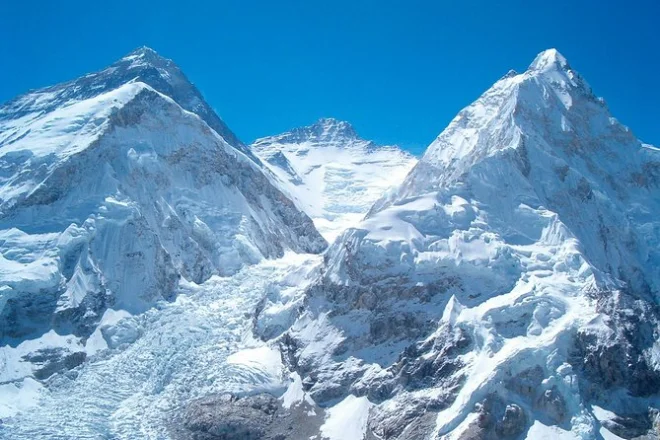
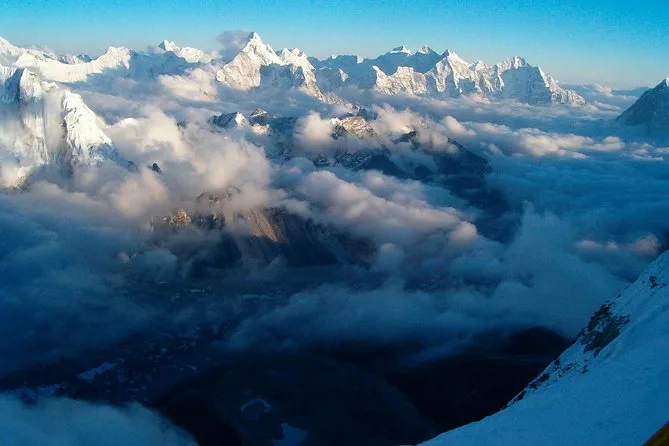
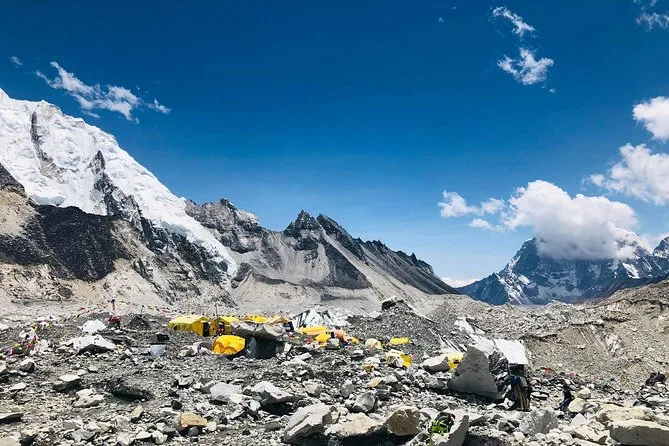
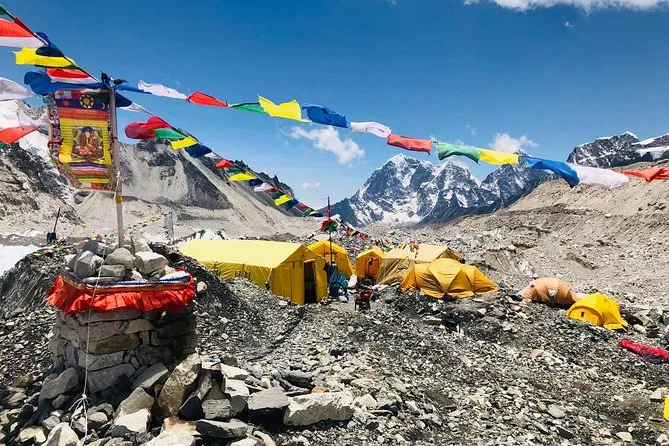
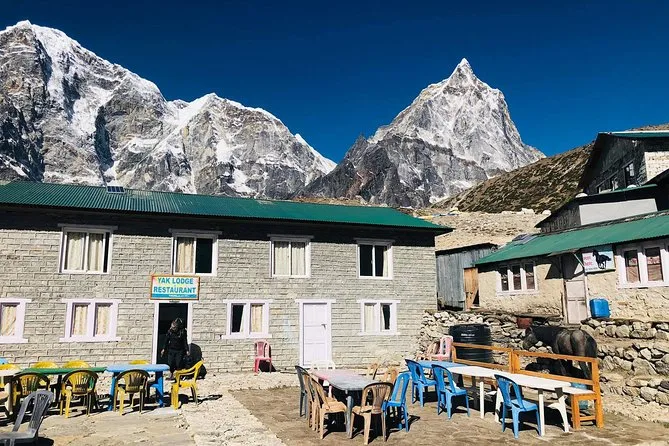
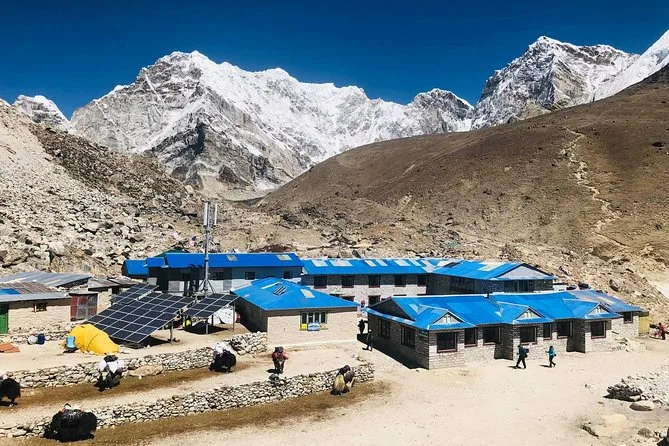
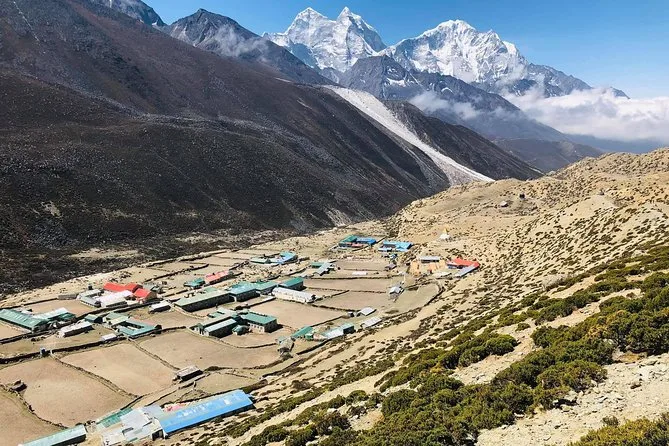
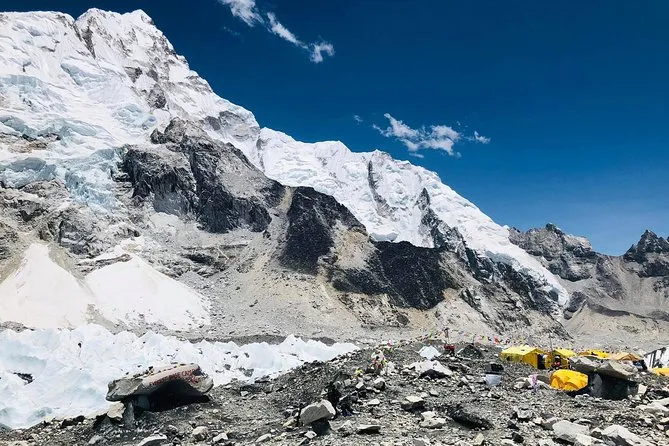
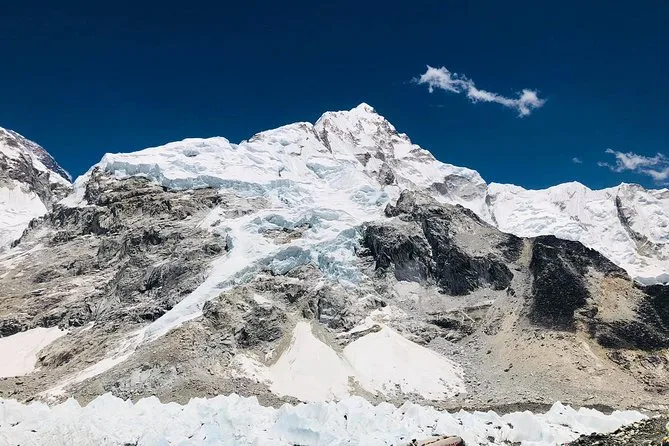
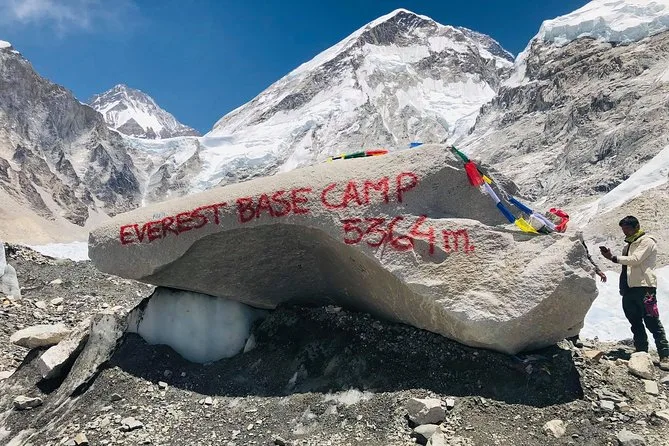
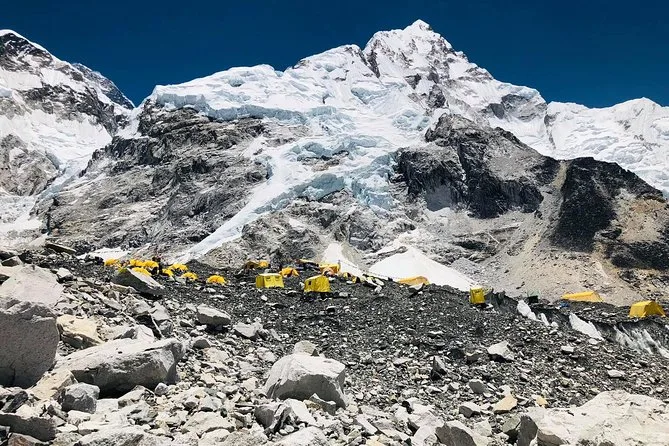
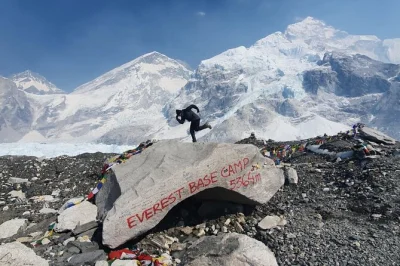
From Namche the trek climbs steadily through forests and along the Imja Khola valley toward the high peaks. You pass through Tyangboche at 3,870 meters, where a Tibetan monastery sits at the center of the village and monks chant inside. You can enter and listen. The views of Amadablam, Lhotse and Everest from here are the kind you remember. Two days later you reach Dingboche at 4,410 meters, and you spend another night there for acclimatization, with the option to hike to Chhukung or Nangkartshang Peak. The landscape has turned barren now, snow-capped peaks towering directly overhead. Lobuche comes next at 4,950 meters, then the final push along the Khumbu Glacier to Everest Base Camp itself at 5,360 meters. The base camp doesn't give you a direct view of Everest's summit, instead you see Khubutse, Pumori, the Khumbu icefall and the glacial bowl where climbers stage their expeditions. You spend one night at Gorakhshep, the small village nearby, then climb Kalapatthar the next morning. At 5,545 meters, Kalapatthar is a black rock ridge that offers a 360-degree view: Everest, Lhotse, Nuptse, Pumori and countless smaller peaks all around you at once.
The descent retraces your steps, taking you back through Namche and down to Lukla over four days. You fly back to Kathmandu, and the itinerary includes two leisure days there: one to visit UNESCO heritage sites like Pashupatinath and Bouddhanath, or to walk around Thamel buying souvenirs. The other is yours to rest before your departure flight. Your guide is a licensed, English-speaking mountain guide who carries his own food, insurance and equipment. He also carries a first aid kit and an oxymeter to check your oxygen saturation at altitude. The trek includes all permits for Sagarmatha National Park and the Khumbu Pashang Lhamu Rural Municipality, and the company arranges rescue and evacuation if needed: a real safety net at that altitude.
What’s included
Your trek includes hotel accommodation in Kathmandu and guesthouse beds along the trail, all meals from breakfast to dinner, a professional English-speaking mountain guide with his own food and insurance, domestic flights Kathmandu to Lukla and back with all taxes and transfers, Sagarmatha National Park entry permit and Khumbu Pashang Lhamu Rural Municipality Fee, a sleeping bag, duffel bag and down jacket, first aid kit and oxymeter, airport pickup and drop-off in Kathmandu, and rescue and evacuation arrangements if needed.
Before you book
Prices and times updated 16 days ago
Operated by Unique Adventure International Pvt. Ltd.
Is this one for you?This trek suits anyone with moderate fitness who wants to reach Everest Base Camp without arranging flights, permits, meals or a guide separately: the fixed itinerary and included acclimatization days are what make 5,360 meters manageable for most people, not just climbers.
Traveler reviews
Top questions
What languages is the guide in?
Live guide in English and Japanese.
What happens if it rains?
It may be canceled due to bad weather. If that happens, you're offered another date or a refund. Free cancellation up to 24 h before the start.
How many days is the Everest Base Camp trek?
13 days total, including arrival and departure days in Kathmandu, domestic flights to and from Lukla, and the trek itself with acclimatization stops.
What is the highest altitude on this trek?
Kalapatthar at 5,545 meters, which offers the best view of Everest. Everest Base Camp itself is at 5,360 meters.
Does the trek include a guide?
Yes, a licensed, English-speaking mountain guide is included. He carries his own food, insurance, equipment, a first aid kit and an oxymeter to monitor oxygen levels.
Are meals included?
Yes, full board with breakfast, lunch and dinner is included throughout the trek. Vegetarian options are available if you request them at booking.
What permits are needed?
Sagarmatha National Park entry permit and Khumbu Pashang Lhamu Rural Municipality Fee. Both are included in the trek cost.
Do I need to arrange my own flights to Lukla?
No, domestic flights from Kathmandu to Lukla and back are included, along with all taxes and transfers to and from the airports.
What happens if I get altitude sickness?
The trek includes two acclimatization days (at Namche Bazaar and Dingboche) to help your body adjust. The guide carries an oxymeter and first aid kit, and the company arranges rescue and evacuation if needed.
Is this trek suitable for someone with no trekking experience?
You need at least moderate physical fitness. The trek is not recommended for people with spinal injuries, pregnancy or poor cardiovascular health. Previous trekking experience is helpful but not required if you are fit and prepared for high altitude.
What accommodation is provided?
Hotel accommodation in Kathmandu (two nights) and guesthouse accommodation during the trek. Guesthouses are basic but clean, with beds and blankets provided.
What should I bring?
The trek includes a sleeping bag, duffel bag and down jacket. You should bring trekking boots, warm layers, sun protection and personal medications. A detailed packing list is provided upon booking.
Everest Base Camp Trek from Kathmandu: 13 Days
15d · EN +1 · at your hotel
from US$ 1,690 per person
4.96110 reviewsVerified traveler reviews via our booking provider