

 +507 6792-0894


Everest Base Camp Trek: Lukla Flight, Sherpa Villages & Monasteries


Summary
Everest’s shadow, Sherpa laughter, prayer flags and cold air
You’ll fly into Lukla’s wild little airstrip, trek through pine forests and bustling Namche Bazaar with Sherpa guides, sleep in tea houses warmed by yak dung fires, and finally stand at Everest Base Camp itself — feeling impossibly small but completely alive.

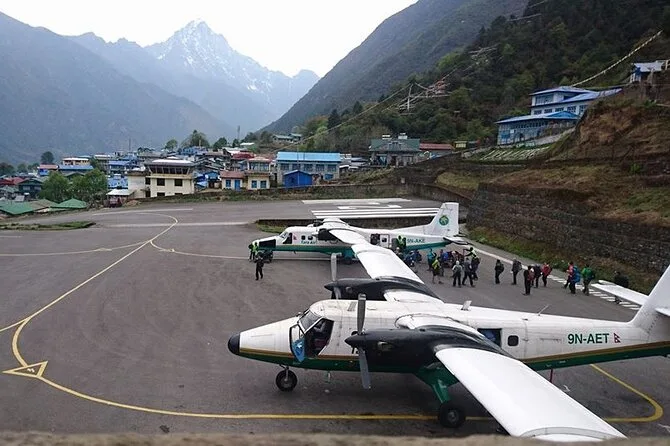
“You’re actually doing it,” someone whispered behind me as we stepped off the tiny plane at Lukla. The runway looked like a toy from above — I gripped my pack tighter than I meant to. Our guide Pasang was waiting with this half-smile, like he’d seen every kind of nervous before. The air tasted thin and sharp already. We set off right away, boots crunching on frost and yaks shuffling past with bells that sounded almost lazy. I kept thinking: this is just the start.
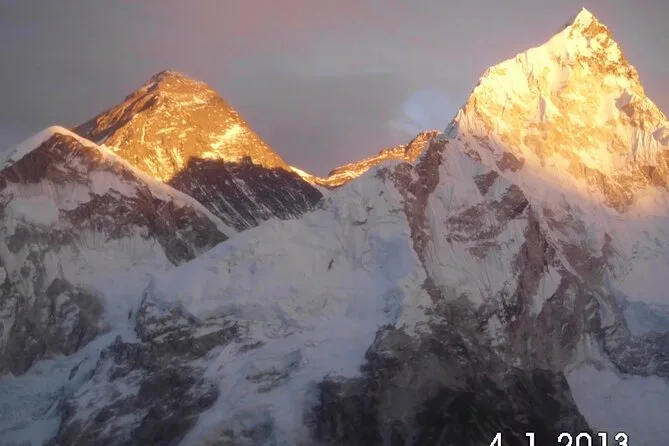
Namche Bazaar showed up after what felt like days (it was only day two). It’s loud in its own way — shopkeepers calling out, kids darting between trekkers, prayer flags flapping wild over rooftops. Pasang took us to a bakery that smelled like cardamom and woodsmoke; I bought a cinnamon roll I didn’t really need but devoured anyway. Acclimatization day meant hiking up for views — Everest finally peeking out behind Lhotse, just for a second through the clouds. My legs ached but I couldn’t stop grinning. There’s something about seeing Everest for real that makes your chest feel too small.
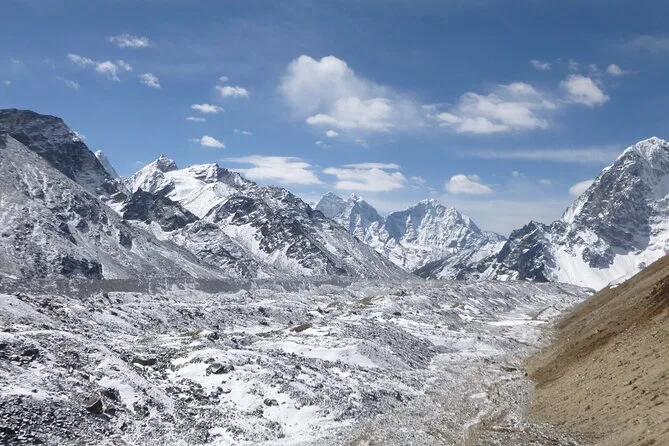
I didn’t expect how quiet it would get higher up. Past Phorse and Pangboche, the trail narrowed and conversations faded — just boots on rock and wind in the prayer flags strung across bridges. We passed monks spinning prayer wheels at Tengboche monastery; one old man nodded at me and said something soft in Nepali that Pasang translated as “walk slow, breathe deep.” At night in Dingboche or Lobuche the cold crept into my sleeping bag no matter what I did — but then you’d wake up to sunlight on Ama Dablam or Pumori outside the window and forget you ever shivered.
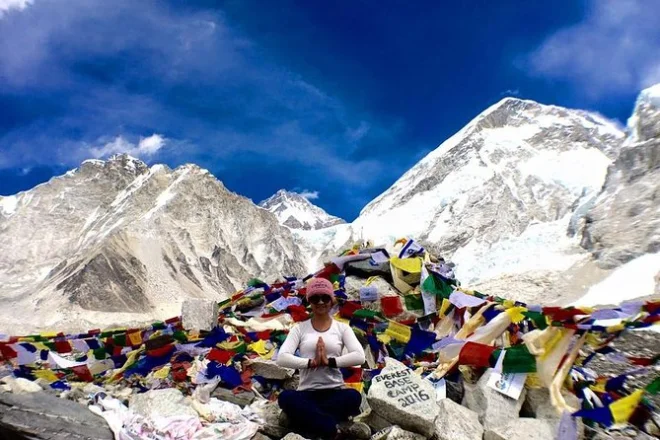
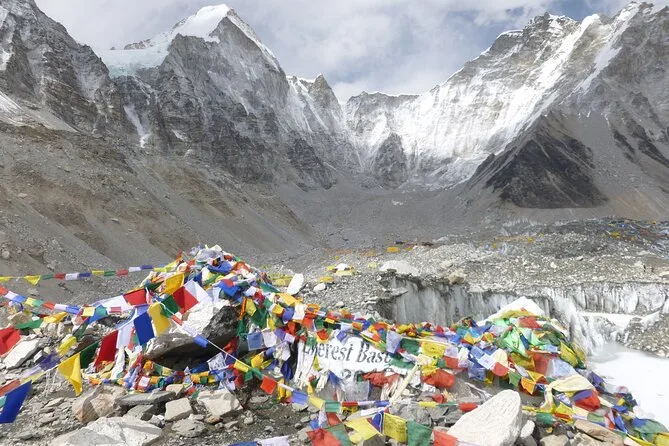
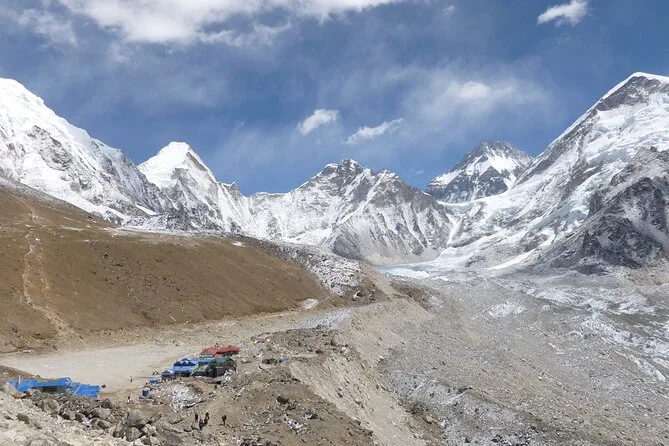
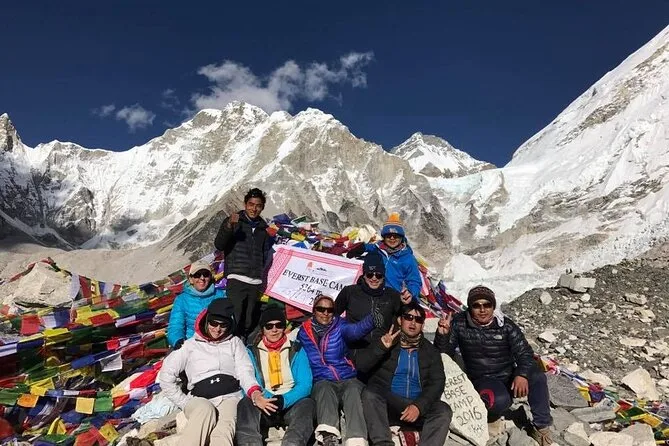
The last climb to Everest Base Camp is weirdly emotional — not dramatic or anything, just this slow realization you’ve walked all this way for a patch of rocky ground under that huge sky. People hugged or cried or just sat quietly staring at the Khumbu Icefall (I did all three). The walk back felt lighter somehow; maybe because you know you’ve done it now? Anyway, I still think about those mornings when all you hear is your own breath and distant yak bells echoing down the valley.
 14d
14d

Step-by-step itinerary
Day 1 — Arrival in Kathmandu
- Arrive at Tribhuwan International Airport
- Meet Airport Representative
- Transfer to hotel in Thamel
- Rest or visit office for trek details
Day 2 — Flight to Lukla and trek to Phakding
- Drive to domestic airport after breakfast
- Fly to Lukla with mountain views
- Meet trekking crew at Lukla airport
- Trek from Lukla to Phakding
- Overnight in lodge or tea house
Day 3 — Trek to Namche Bazaar
- Start trek early through pine forests
- Pass Dudh Koshi River and check post
- Ascend steeply to Namche Bazaar
- View Mount Everest and surrounding peaks
- Overnight in lodge or tea house
Day 4 — Acclimatization and rest in Namche
- Short hike to nearby viewpoint
- Visit Tourist Visitor Center
- Explore Namche Bazaar facilities
- Overnight in lodge or tea house
Day 5 — Trek to Phorse Village
- Trek from Namche to Mugla Pass
- View Mount Ama Dablam and others
- Descend to Dudh Koshi and cross bridge
- Ascend through forests to Phorse Village
- Overnight in lodge or tea house
Day 6 — Trek to Dingboche
- Visit largest Buddhist monastery
- Trek through alpine forests and villages
- View multiple soaring mountains
- Reach Dingboche village
- Overnight in lodge or tea house
Day 7 — Trek to Duglha
- Climb through Khumbu Khola valley
- See Yak herders' place and expedition camp
- Visit Chola lake and view Mount Pumori
- Overnight in lodge or tea house
Day 8 — Trek to Lobuche
- Ascend steep terminal moraine of glacier
- Climb to Chupki Lhara slopes
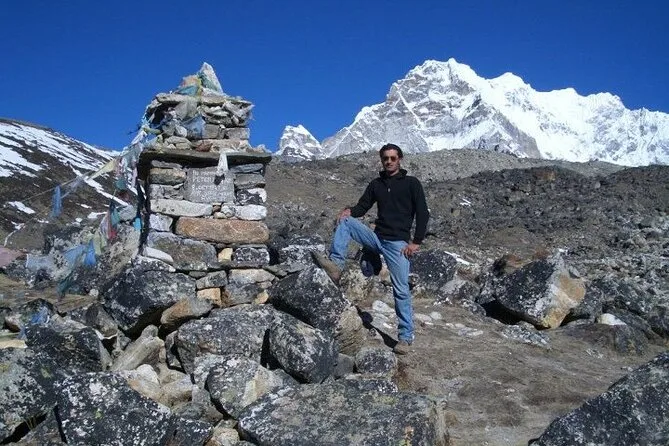
- See memorial stones with prayer flags
- View Khumbutse, Mount Pumori, and others
- Cross Khumbu glacier
- Overnight in lodge or tea house
Day 9 — Trek to Everest Base Camp and back
- Trek to Gorakshep via Thangma Riju viewpoint
- View Mount Nuptse and Mount Pumori
- Climb to Everest Base Camp
- Return to Gorakshep
- Overnight in lodge or tea house
Day 10 — Trek to Kalapatthar and descend to Pheriche
- Early morning trek to Kalapatthar
- View Mount Everest sunrise
- Pause for photos during ascent
- Enjoy panoramic Himalayan views
- Descend to Pheriche after lunch
- Overnight in lodge or tea house
Day 11 — Trek back to Namche Bazaar
- Descend through Jame route to Duglha
- Pass Pheriche, Orsho, and Shomare villages
- Explore Pangboche monastery
- Cross Dudh Koshi River bridge
- Ascend to Namche Bazaar
- Overnight in lodge or tea house
Day 12 — Trek to Lukla via Phakding
- Descend steep rocky trail slowly
- Cross suspension bridge over Dudh Koshi
- Pass rhododendron forest and open plain
- Reach Lukla
- Overnight in lodge or tea house
Day 13 — Flight back to Kathmandu
- Fly from Lukla to Kathmandu
- Enjoy shopping and city walk
- Celebrate trek completion in evening
- Overnight at hotel in Thamel
Day 14 — Final departure or next program
- Shopping and sightseeing in Kathmandu
- Transfer to Tribhuwan International Airport

Top questions

How long does the Everest Base Camp trek take?
The full trek takes about 13-14 days including acclimatization days and return to Kathmandu.
Is accommodation included during the trek?
Yes, accommodation is included both in Kathmandu hotels (2 nights) and trekking lodges/tea houses (11 nights).
Do I need a high level of fitness for this trek?
Yes, travelers should have a high level of physical fitness due to altitude and long daily hikes.
Are flights from Kathmandu to Lukla included?
The tour includes a flight from Kathmandu to Lukla at the start of the trek and back again at the end.
What are some highlights along the route?
You’ll visit Namche Bazaar, Tengboche monastery, Sagarmatha National Park trails, Sherpa villages like Phorse and Pangboche, plus Everest Base Camp itself.
Is there hotel pickup in Kathmandu?
Yes, private transportation from Tribhuwan International Airport to your hotel is included on arrival.
Are meals included?
The reference doesn’t specify meals are included; check directly when booking for details on food arrangements.
Can pregnant travelers join this trek?
No, it’s not recommended for pregnant travelers due to altitude risks.
What kind of weather should I expect?
The trek operates in all weather conditions; expect cold temperatures especially at higher altitudes.

What’s included
Your trip covers private airport transfers in Kathmandu plus two nights’ hotel stay there before & after trekking. During the trek itself you’ll stay eleven nights in mountain lodges or tea houses along the route from Lukla through Sagarmatha’s villages up to Everest Base Camp — all arranged by your local guide team so you can focus on each step (and breath) instead of logistics.
 Super deal
  Free booking, free cancellation.
  Don't lose your place.


 Do you need help planning your next activity?
  +507 6792-0894


