

 +507 6792-0894


Private Champagne & Food Tour from Epernay: Grand Cru Tastings









Summary
Champagne Grand Cru Vineyards & Local Gastronomy Tour
If you want to taste rare Champagnes straight from family cellars and discover local food pairings you won’t find anywhere else, this private tour is for you. You’ll meet passionate winemakers, sample regional specialties (even some surprises), and walk away knowing more about Champagne than most locals do.

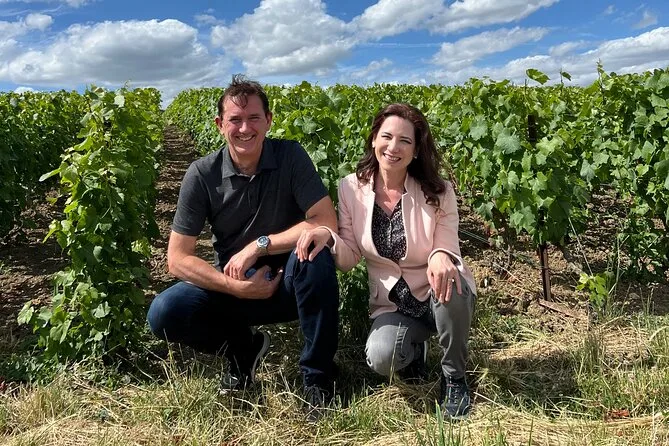
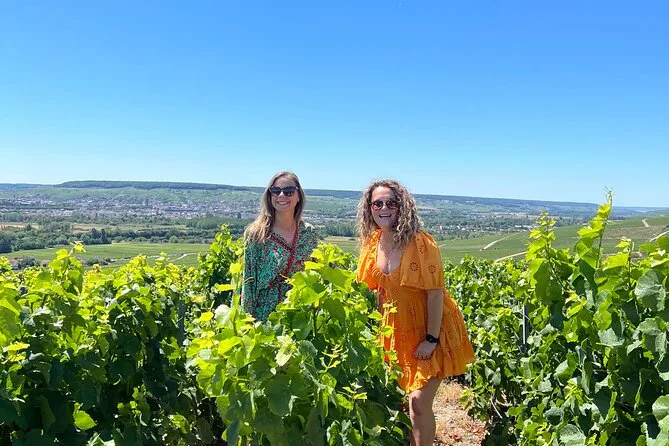
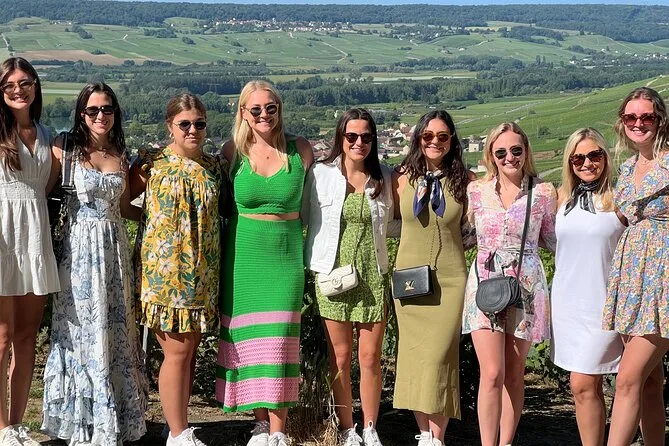
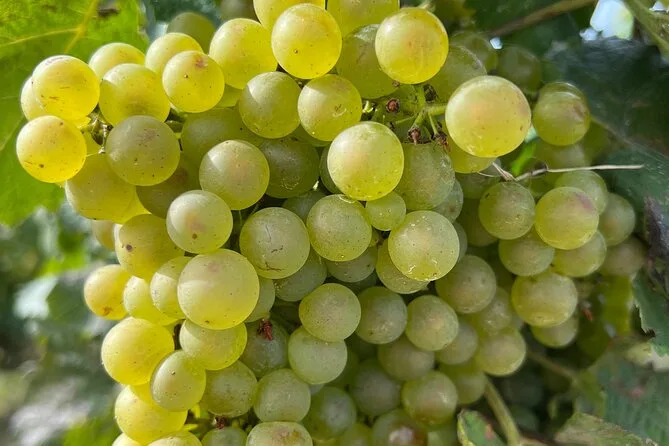
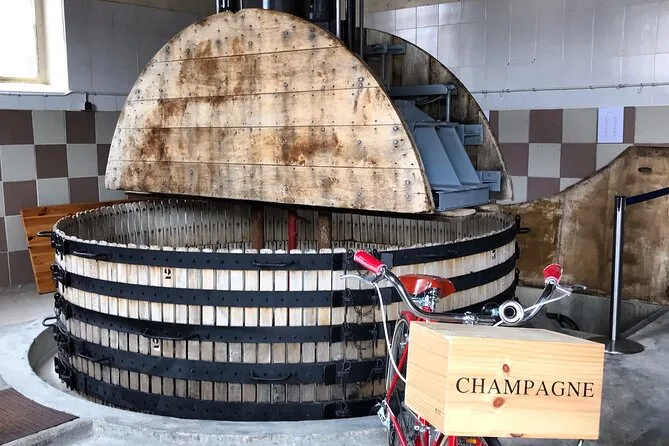
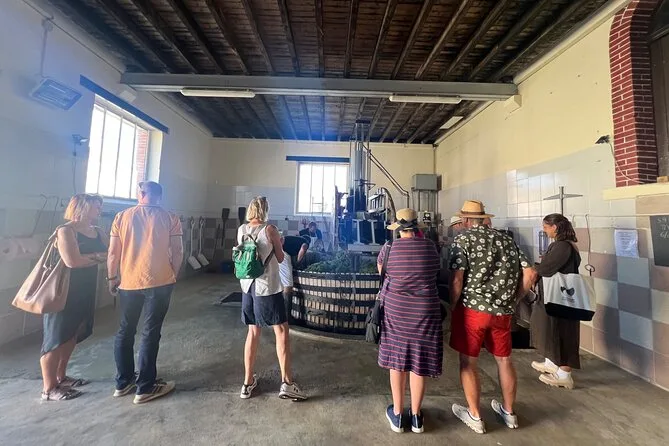
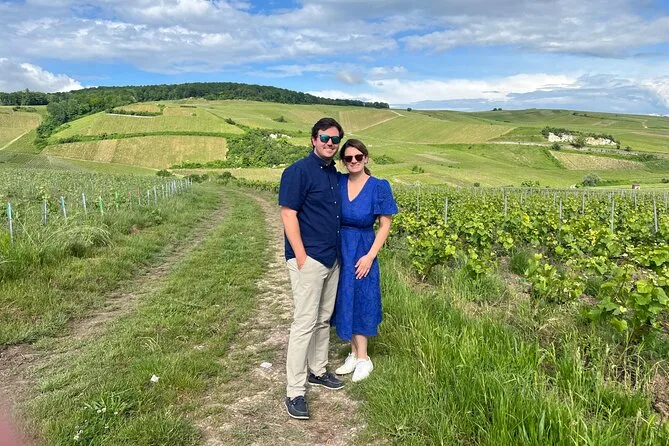
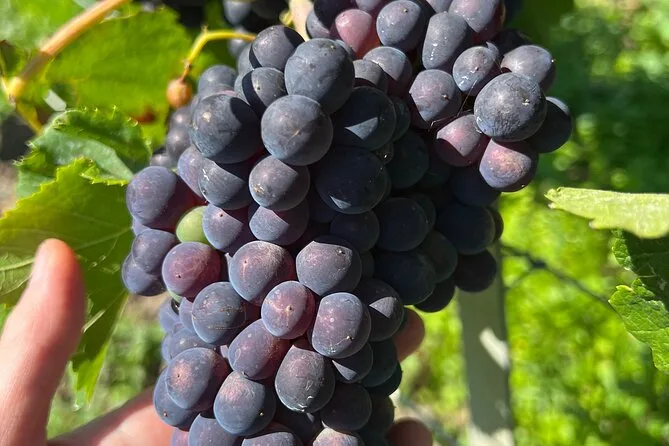
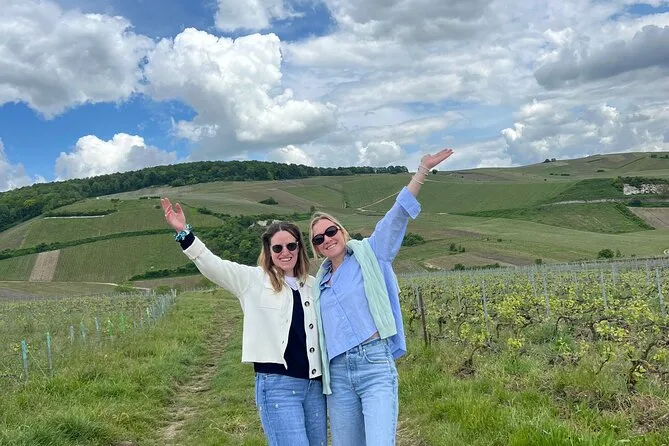
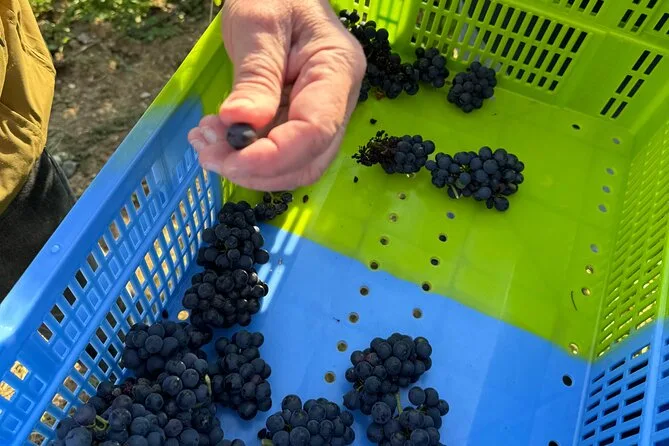
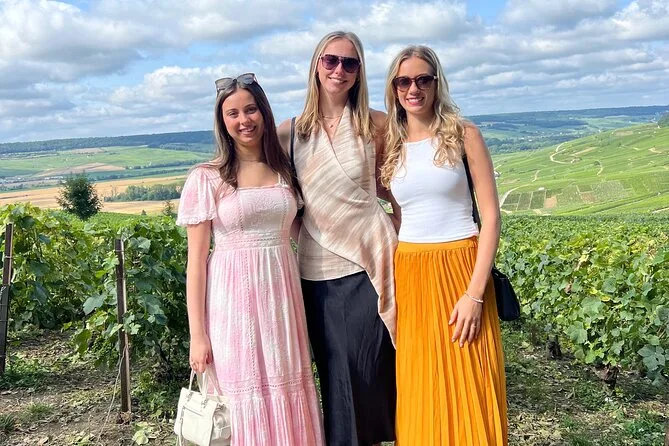
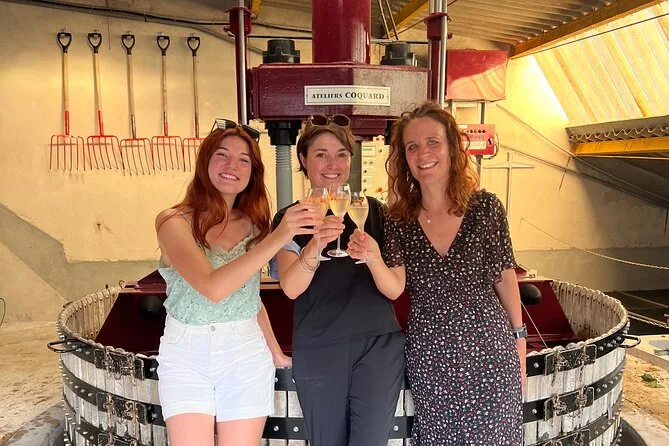
The first thing I noticed stepping out in Aÿ-Champagne was the earthy smell of damp vines—there’d been a light drizzle that morning, just enough to make the air feel fresh. Our guide, Lucie, waved us over by a weathered stone wall and pointed out the old presses once used by French kings. She had this way of mixing history with little jokes, so even the technical stuff about Pinot Noir and Chardonnay felt easy to follow. We wandered through rows of vines, boots crunching on gravel, while she explained how these Grand Cru plots have been prized for centuries. The hills around us were dotted with tiny tractors and the odd dog barking somewhere behind a shed.
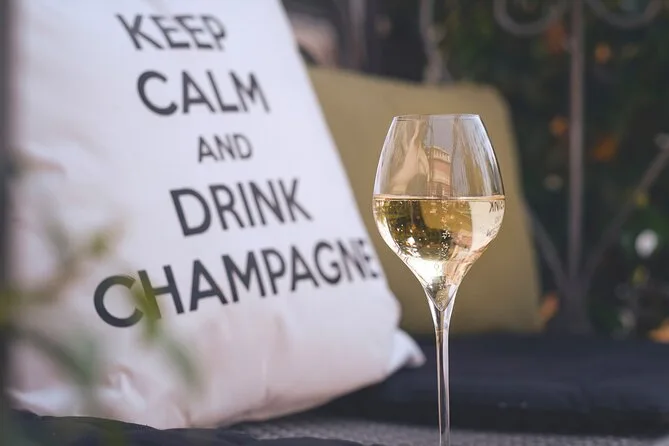
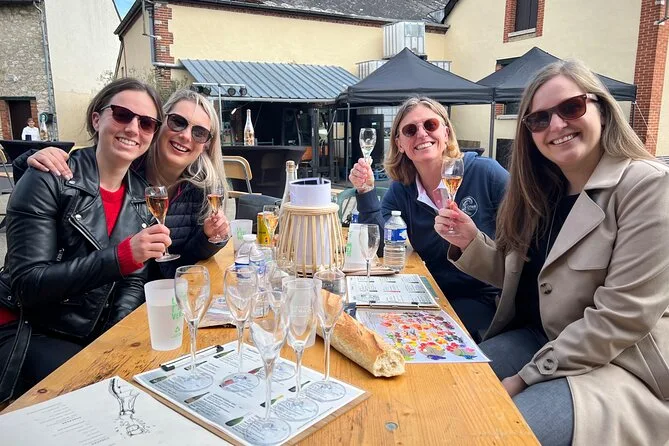
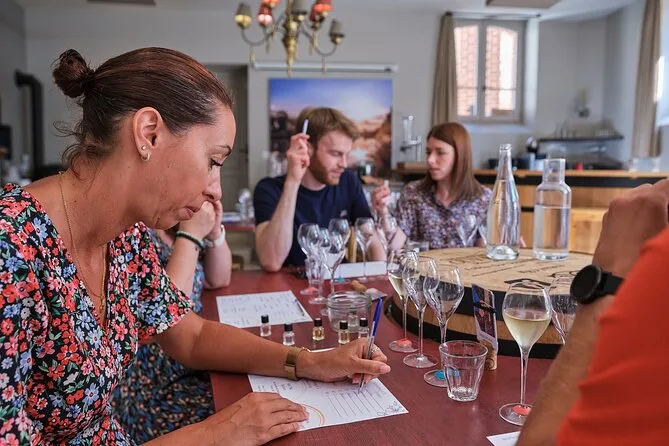
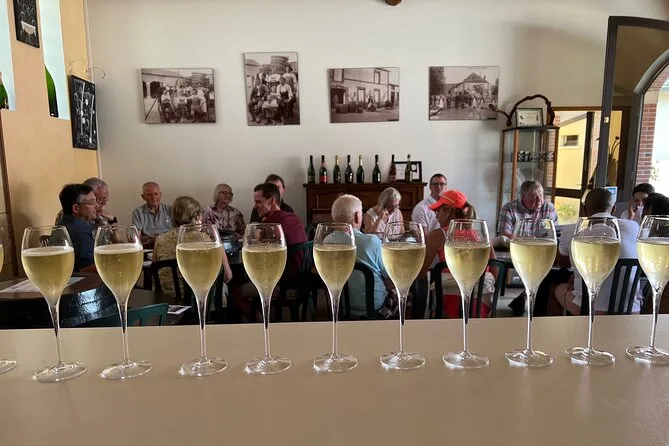
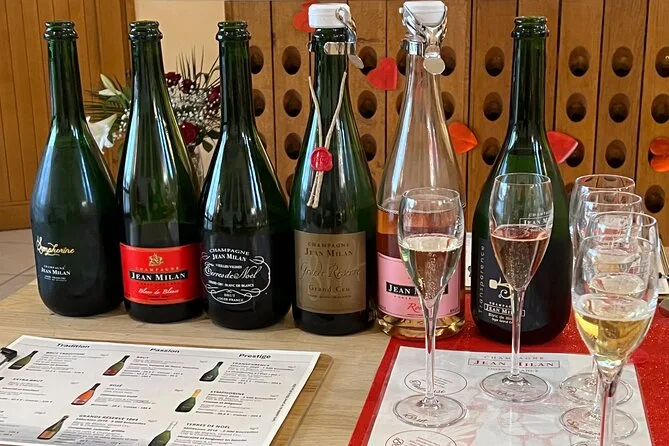
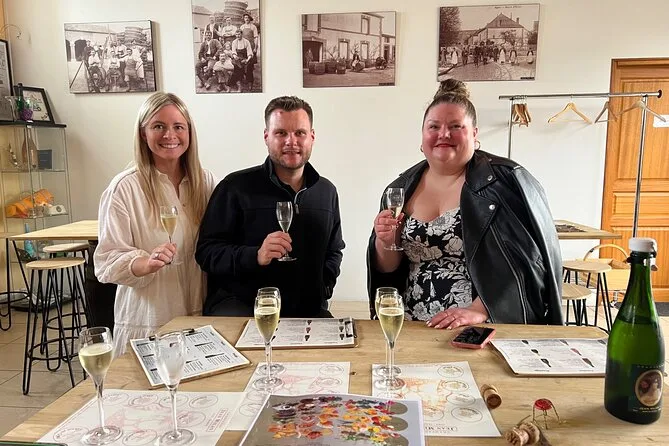
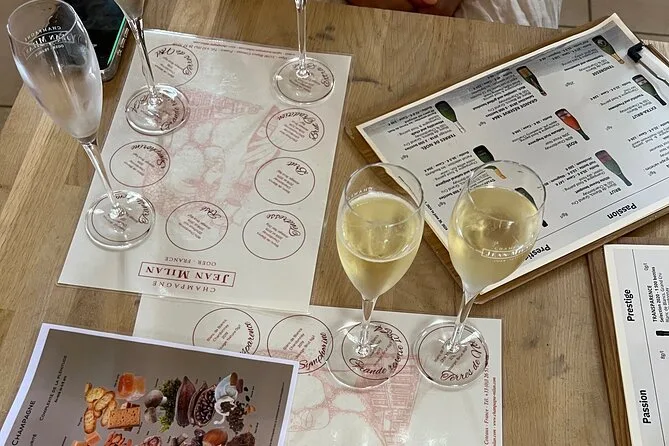
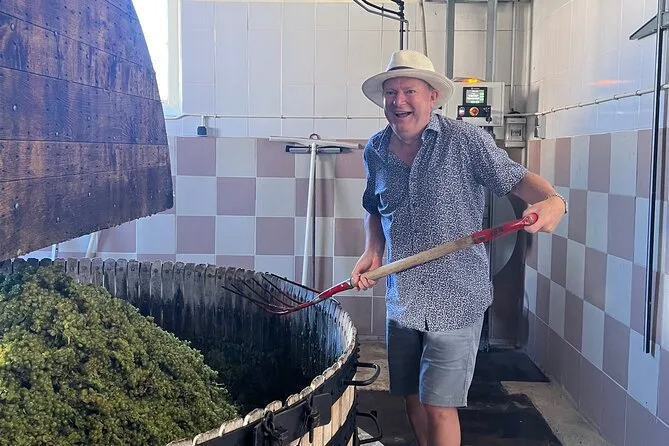
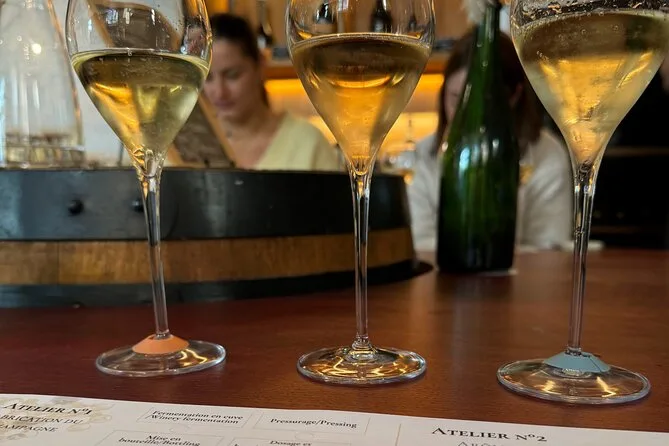
Inside our first family-run Champagne house, I got handed a glass for the aroma workshop—honestly, I didn’t expect to be quizzed on scents like brioche or green apple! It turned into a bit of a game between us all. If you pass their little test (I scraped by), they hand you a “Champagne knowledge” certificate—nothing too serious but it made me smile. Tasting nine different Champagnes in one day sounds wild, but each pour came with its own story: some aged in oak barrels, others from single plots or old vines. I remember one extra brut that was so dry it almost tingled on my tongue.
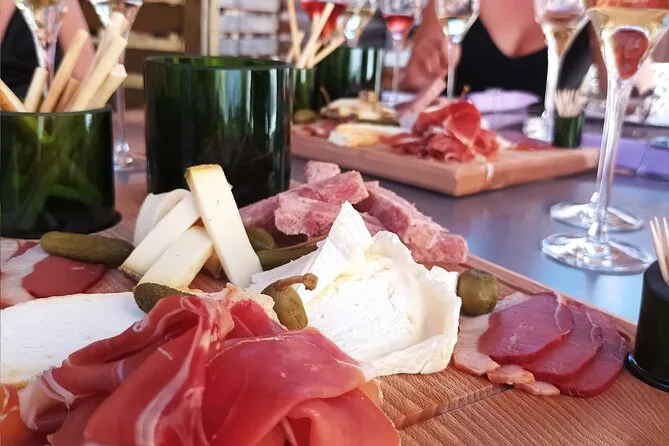
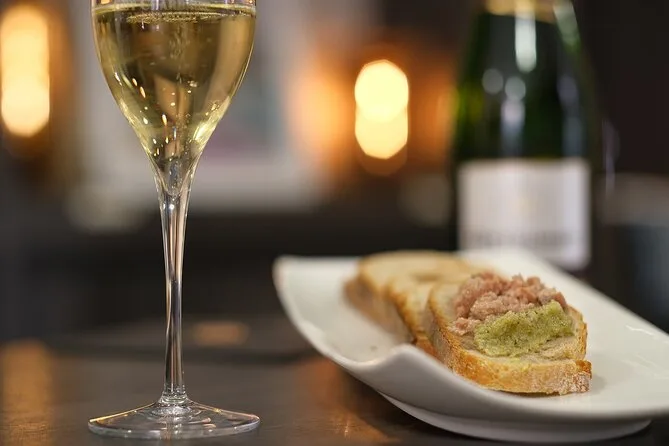
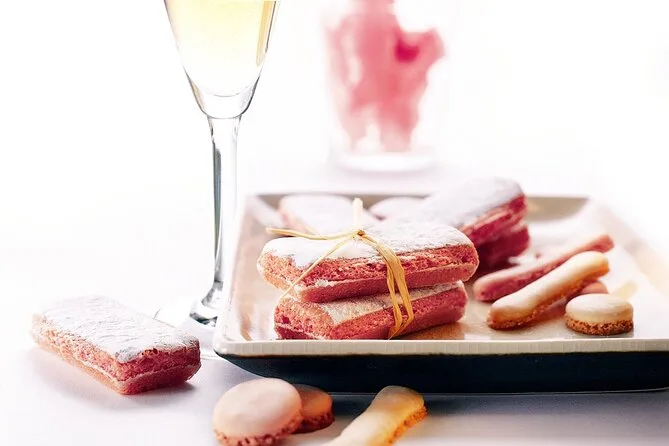
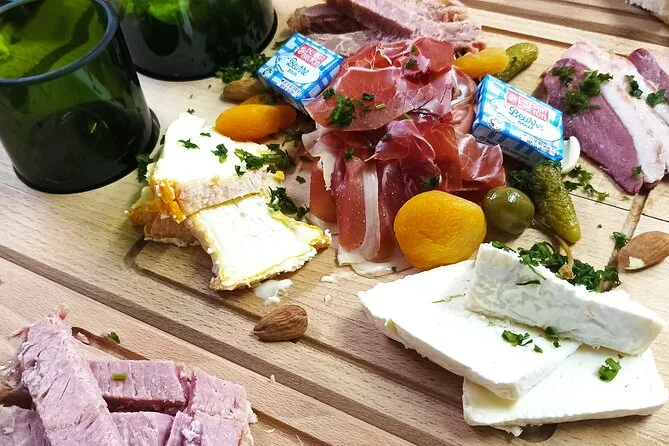
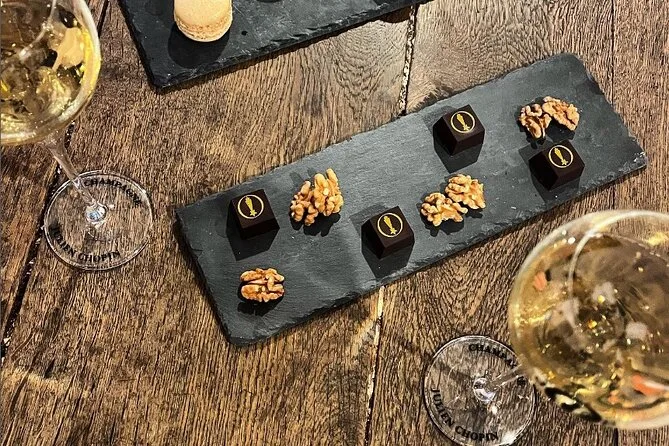
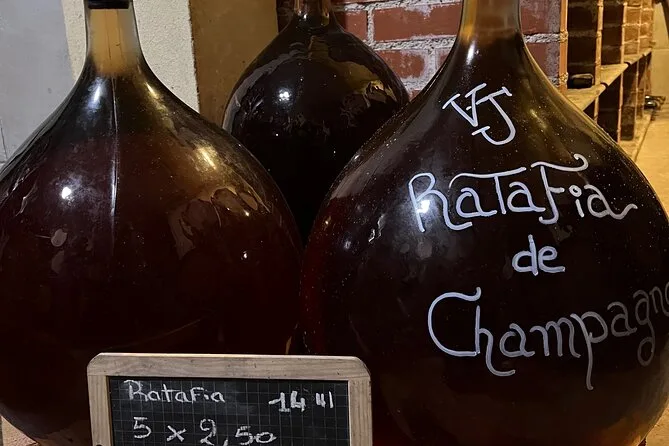
By midday we were at a winemaker’s table set with platters of Jambon de Reims, duck rillettes with Ratafia (that sweet local wine), and cheeses like Chaource and Langres. There was this chocolate filled with Ratafia that melted fast—don’t leave it too long near your glass! The Biscuit Rose de Reims dessert is something you’ve gotta try; it’s crumbly and just sweet enough to pair with Champagne.
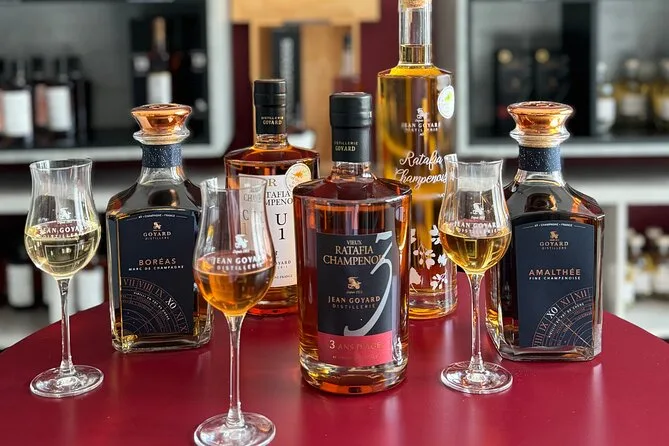
Later we stopped at Goyard Distillery for sips of Fine de la Marne and Marc de Champagne—both strong but smooth, perfect after lunch. Lucie explained how Ratafia isn’t exported much; locals treat it like a secret. In Ay’s Champagne bar we tried Coteaux-Champenois alongside foie gras (and yes, snails if you’re feeling brave). For me, the sea bass rillettes with truffle stole the show.
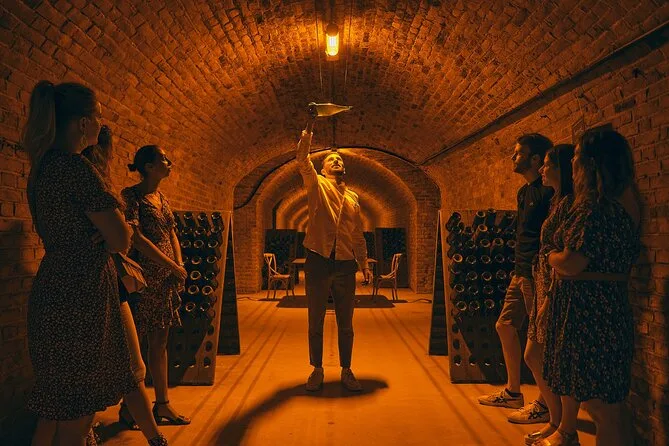
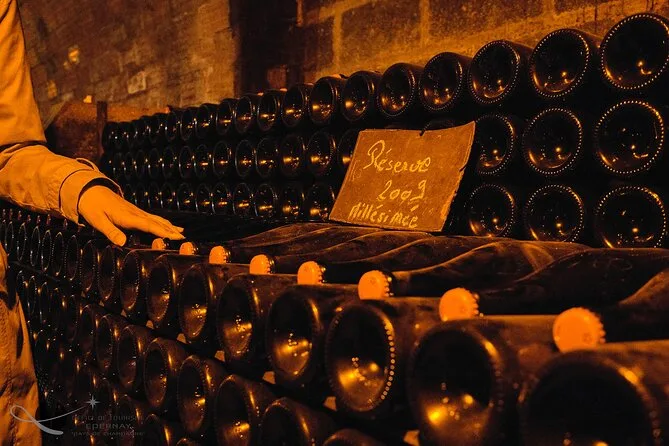
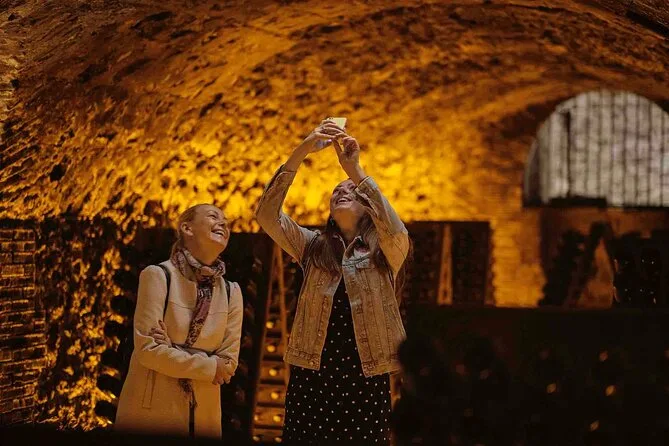
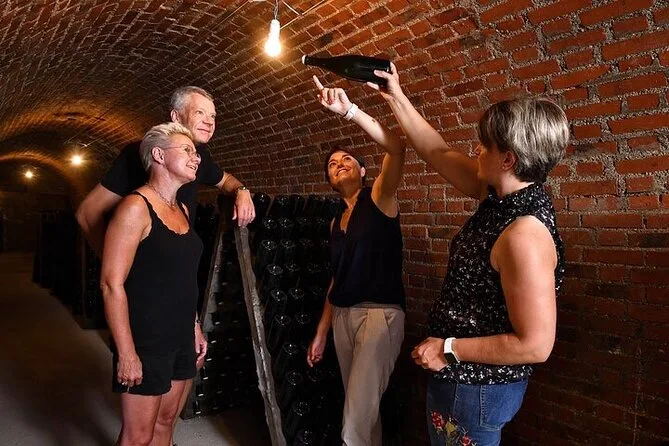
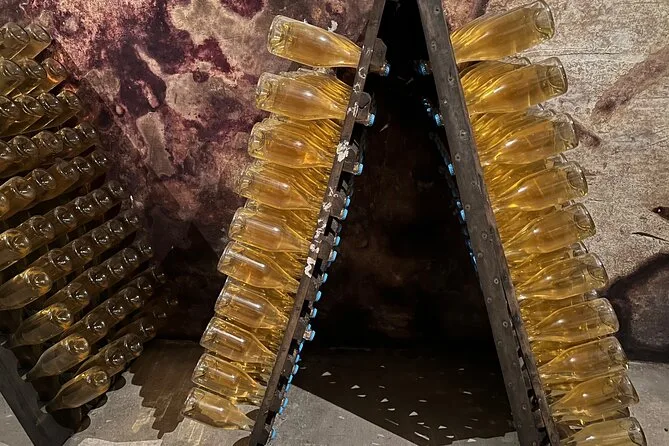
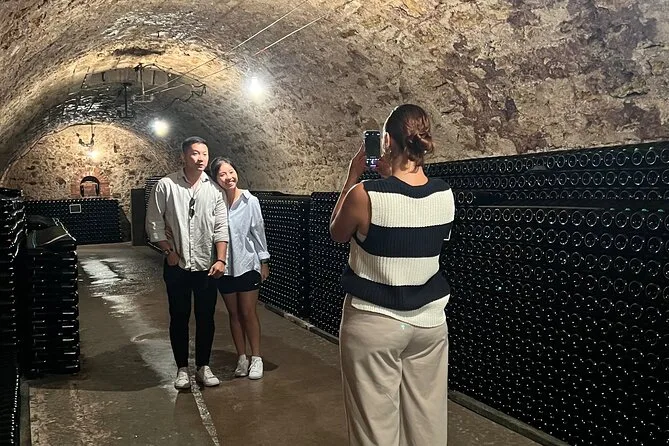
The drive through Côte des Blancs in the afternoon was quiet except for birdsong outside Avize. At our last producer stop—a family estate known for Chardonnay—we toured their cellars lined with dusty bottles before tasting more Grand Crus paired with crunchy Biscuits roses from Biscuiterie Fossier (the recipe’s older than America!). Just before heading back to Epernay, there was one last surprise treat—I won’t spoil it here but trust me, it’s worth waiting for.
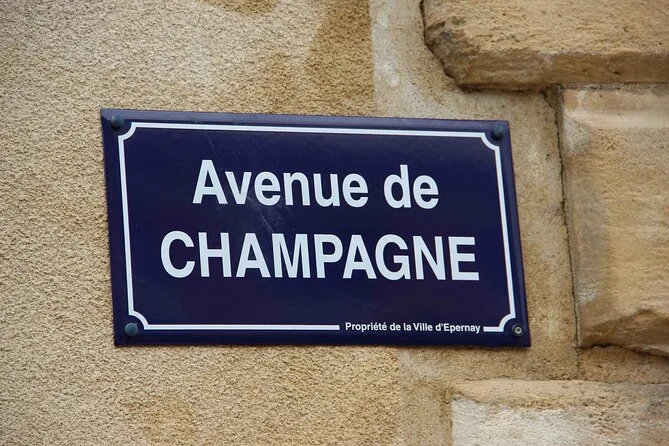
The Avenue de Champagne itself is something else: grand gates, manicured lawns, and names like Moët & Chandon carved in stone above massive doors. Our guide shared stories about how there are millions of bottles aging beneath our feet as we strolled past—the kind of detail you’d never guess just looking at those elegant facades.
 7h–8h
7h–8h

Step-by-step itinerary
Day 1 — Champagne Tasting and Workshops
- Workshop and tastings at vineyards around Epernay
- Taste Champagne alcohols and Coteaux-Champenois in Ay
- Visit Grand Cru vineyard in Aÿ-Champagne
- Lunch with Grand Cru Champagnes and regional dishes
- Drive through Marne Valley and Côte des Blancs
- Visit Chardonnay Grand Cru producer with tastings
- Commented walk along Avenue de Champagne in Epernay

Top questions

Is this tour suitable if I don’t know much about Champagne?
Absolutely! The guide explains everything in an easygoing way—you’ll learn as you go and can ask any questions along the route.
Are vegetarian options available during lunch?
Yes, just let us know ahead of time about dietary needs so we can arrange suitable pairings at each stop.
How many Champagnes will I actually taste?
You’ll try at least 9 different Champagnes plus several local wines and spirits—all included in your experience.
Is transportation provided from Epernay?
Yes! Private pick-up and drop-off are included within 6km of Epernay for your comfort.

What’s included
Your day includes private transport from Epernay or nearby areas; visits to three independent Grand Cru/Premier Cru producers; 15 guided tastings (Champagnes plus local wines/spirits); food pairings featuring regional specialties; hands-on aroma workshop; all entry fees; and a friendly local guide who knows every shortcut through these vineyards.
 Super deal
  Free booking, free cancellation.
  Don't lose your place.


 Do you need help planning your next activity?
  +507 6792-0894


