
Chocolate Making Class in Santo Domingo: Learn Cacao to Bar
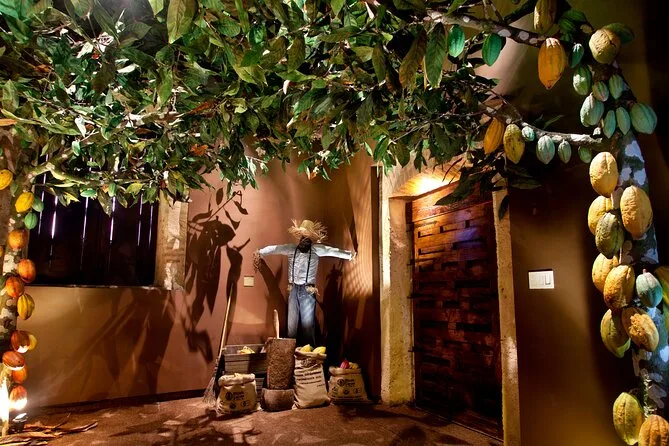
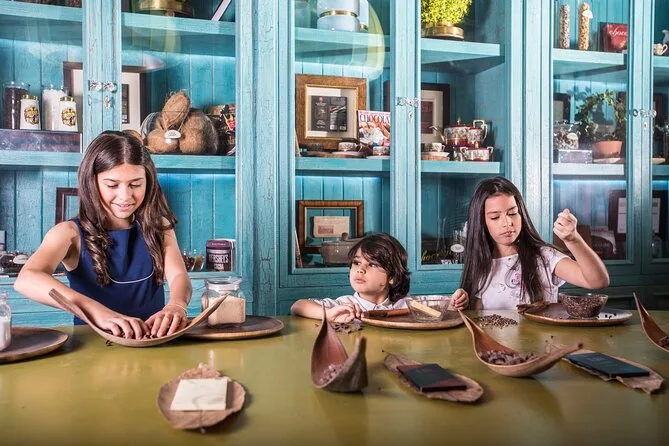
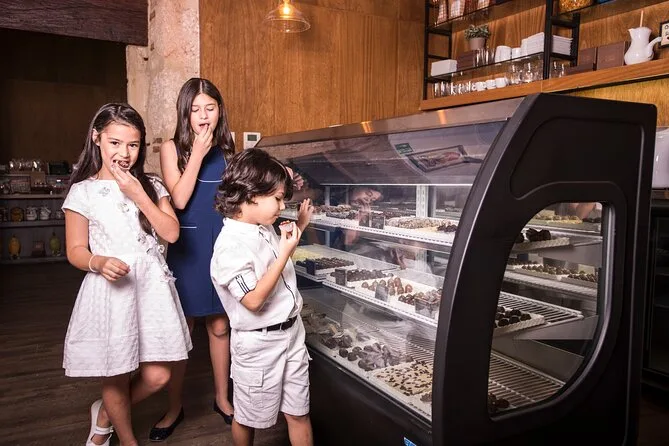
From cacao pod to finished chocolate, in half an hour.
A chocolate-making class in Santo Domingo's colonial city where you learn the history of cacao, taste the fruit straight from the pod, and sample chocolate at different cocoa percentages. A live guide leads the experience in English, Spanish or French. The whole family can join, and the space is fully wheelchair accessible.
Compare the 3 alternatives
 Punta Cana ATV Riding: Buggy Drive with Chocolate TastingEvery day · 08:30, 11:30 and 14:30 · From age 7★ 4.94 (333)3hEN · DE +3US$ 48View ›
 Full-Day ATV & Party Boat in Dominican Republic: Snorkel & CenoteEvery day · 08:00 · From age 3★ 5.00 (5)6hEN · DE +3US$ 110View ›
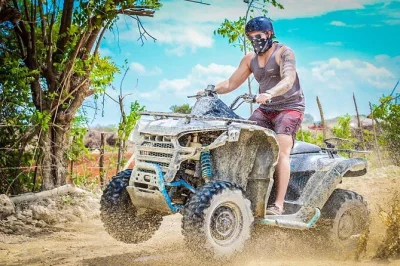 Punta Cana: ATV Jungle Tour, Macao Beach & Cenote SwimmingEvery day · 08:00, 11:00 and 14:00 · From age 7★ 4.92 (13)3hEN · DE +3US$ 49View ›
 Dominican Republic: Chillo al Coco Cooking Class & DinnerMon and Wed · 13:00 · From age 3★ 4.96 (102)2hEN · RU +1US$ 98View › Compare more experiences like this »
Step-by-step itinerary
Learn and taste chocolate
- Learn history of cacao
- Discover chocolate making process
- Taste cacao fruit
- Taste different chocolate percentages
The experience
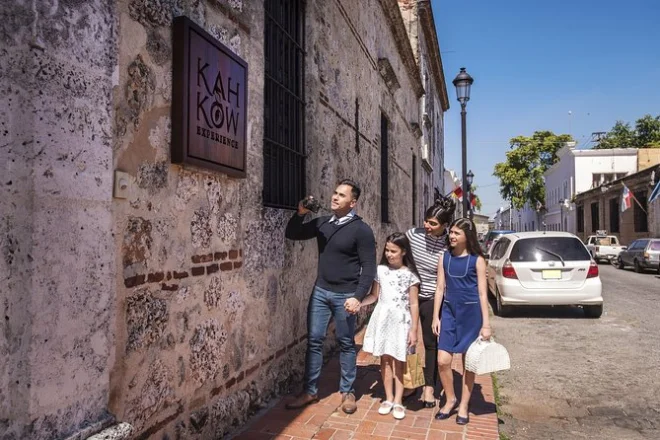
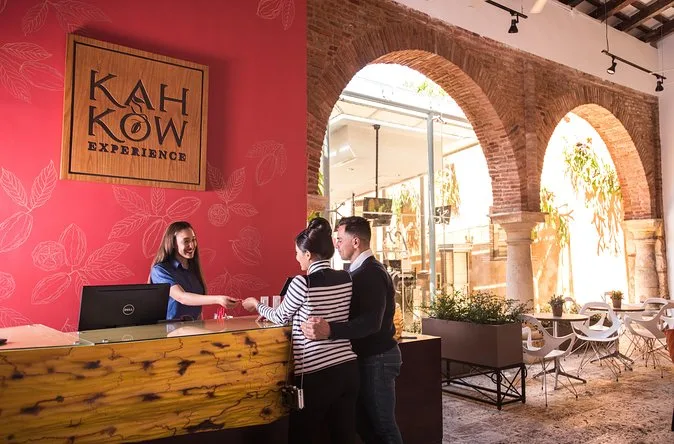
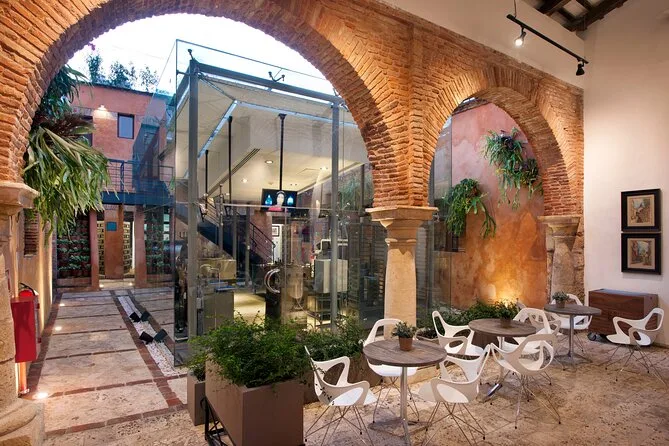
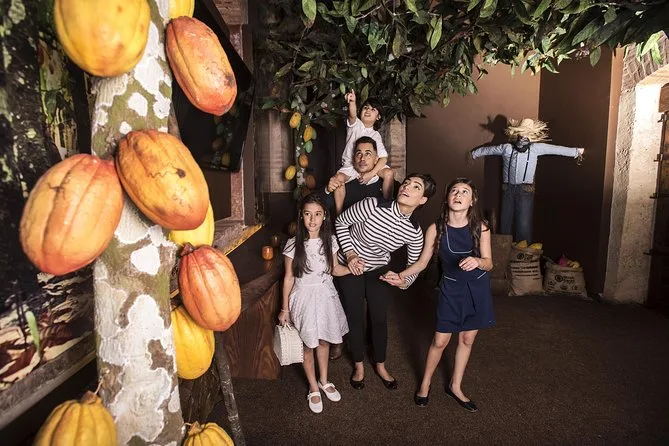
You arrive at the chocolate workshop in Santo Domingo's historic center and walk through the process that turns a cacao pod into the chocolate you know. The guide explains the history of cacao and walks you through how quality chocolate is actually made, not as a lecture, but as something you taste at each stage. You'll handle the cacao fruit itself, see what's inside, and understand why the percentage on the wrapper matters when you taste samples ranging from lower to higher cocoa content.
The whole experience runs 25 to 30 minutes, which means it fits into a free afternoon or a morning before other plans. A live guide leads the class in English, Spanish, or French, so the explanation lands in the language you need. Infants and small children can stay in a pram or stroller, and every area of the workshop is wheelchair accessible, so mobility or age doesn't keep anyone out of the room.
What’s included
- Live guide in your choice of English, Spanish or French.
- tasting of fresh cacao fruit and finished chocolate at multiple cocoa percentages.
- explanation of cacao history and chocolate-making techniques.
Options for this experience
2 optionsYou pick the guide language when booking. Options with the same name differ in details you'll see when you pick a date.
Before you book
Prices and times updated 11 days ago
Operated by Cacao Chocolate Tours
Is this one for you?Book this if you have a free half-hour in Santo Domingo and want to understand chocolate from the inside rather than just taste it: the guide walks you through each step so the samples actually mean something. The short duration works for families with young children or anyone fitting a cultural moment into a tighter itinerary.
Traveler reviews
Top questions
What languages is the guide in?
Live guide in English, Spanish and French.
Can children come?
Yes. Ticket types: Child (4 to 12 years); Infant (under 4): free.
What exactly do I taste during the chocolate-making class?
You taste the cacao fruit fresh from the pod and sample finished chocolate at different cocoa percentages: the guide uses these tastings to show how the roasting and processing steps change what ends up in your mouth.
How long does the chocolate-making experience take?
The class runs 25 to 30 minutes from start to finish, so it fits easily into a morning or afternoon in Santo Domingo without eating up your whole day.
Is there a factory tour option, or just the chocolate-making class?
You can book the Chocolate Tour alone or add the Factory visit to see the full operation. Choose at checkout based on how much time you have in Santo Domingo.
Chocolate Making Class in Santo Domingo: Learn Cacao to Bar
25m–30m · EN · ES · FR
from US$ 21 per person
4.4556 reviewsVerified traveler reviews via our booking provider