
Sapa Trekking Tour: Homestay & Hotel, 3 Days with Local Guide
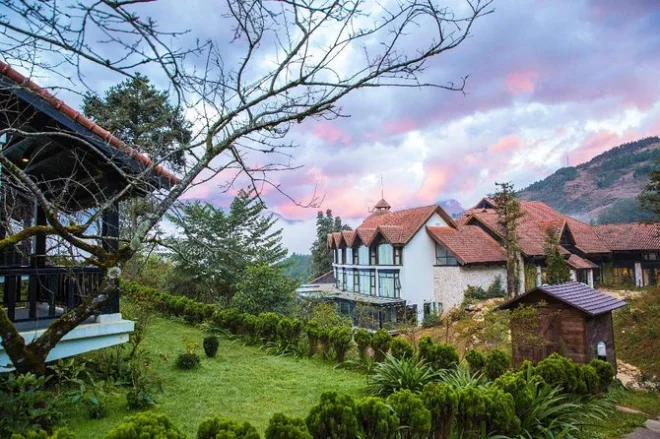
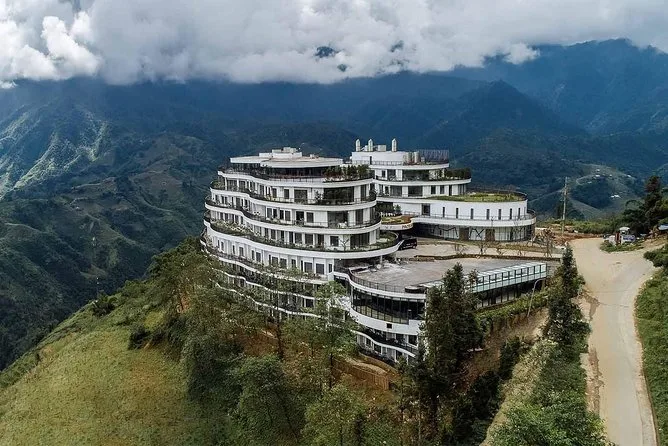



Explore Sapa Villages & Stay with Hill Tribes: 3-Day Trekking Adventure
You’ll trek through real mountain villages, share meals with local families, sleep in both a comfy hotel and a traditional stilt house—and come home with stories you couldn’t make up if you tried.
 3d
3d

Step-by-step itinerary
Day 1 — Explore Cat Cat Village
- Pick up from Sapa bus office at 6:00AM
- Breakfast and freshen up at hotel
- Walk 3km to Cat Cat – Shin Chai village
- Visit hydropower station and waterfall
- Learn about local crafts and culture
- Walk 4km back to Sapa for lunch
- Check-in hotel and free afternoon
- Dinner at hotel
Day 2 — Trek to Homestay Villages
- Breakfast and check-out before 8:30AM
- Walk to Y Linh Ho village
- Visit hereditary rice terraces
- Continue to Lao Chai village
- Lunch break in Lao Chai (1 hour)
- Walk to Ta Van village
- Stay overnight in local homestay
- Cook and have dinner with family
Day 3 — Trek Bamboo Forest & Return
- Wake up and breakfast outdoors
- Trek through bamboo forest and visit silk waterfall
- Picnic lunch with scenic views
- Walk to main road and transfer to Sapa
- Shower at hotel
- Shuttle to bus office at 3:00PM
- Prepare sandwiches for journey
- Tour ends

The Experience
The morning air in Sapa hits you right away—cool and a bit misty, even at sunrise. We rolled off the sleeper bus just after six, still groggy but excited. At the hotel, there was time to freshen up and grab a hot bowl of pho before our guide gathered us for the first walk. The path down to Cat Cat village is easy enough to start with, winding past tiny shops selling handwoven scarves and the occasional rooster darting across the road. You’ll hear water rushing before you see it—the old hydropower station sits beside a waterfall that’s louder than you’d expect. Our guide, Mai, pointed out how locals still use traditional looms for weaving and showed us silver jewelry made right there in the village. After wandering through narrow lanes and watching kids chase each other between houses on stilts, we trekked back up to town for lunch—sticky rice and grilled pork at a spot called “Mountain View.” The afternoon was ours to wander Sapa’s market or just rest up at the hotel before dinner.
Next morning started early again—breakfast with strong Vietnamese coffee and pancakes (yes, pancakes!). We left our bags at reception and set out for Y Linh Ho. The trail gets muddy if it’s rained overnight; I nearly lost a shoe in one patch. Terraced rice fields stretch out everywhere, some over a century old according to our guide. In Lao Chai village we stopped for lunch—simple but filling—and watched an older woman embroidering indigo cloth by hand. By late afternoon we reached Ta Van, where we’d spend the night with a Giay family. Their house smelled faintly of wood smoke and herbs drying above the stove. Cooking dinner together was half chaos, half laughter; I tried my hand at rolling spring rolls (not as easy as it looks). Sleeping on floor mats under thick blankets felt surprisingly cozy.
Roosters woke us before dawn on day three—no need for an alarm clock here! Breakfast was outside: pancakes again (the local twist is banana), hot tea steaming in chipped mugs while clouds drifted low over the terraces. We said goodbye to our hosts and set off through bamboo forest trails toward Giang Ta Chai village. There’s a small waterfall hidden along this route—the sound of water mixing with birdsong is something I won’t forget soon. After a picnic lunch overlooking the valley, we caught a minivan back to Sapa town by early afternoon. There was time for a quick shower at the hotel before catching our shuttle back toward Hanoi—with sandwiches packed for the road.

What’s included
This trip covers all guided treks, two nights’ accommodation (one hotel night in Sapa town plus one homestay night), all main meals from breakfast on day one to lunch on day three, transfers between villages and back to Sapa town, plus handy extras like showers before departure and sandwiches for your return journey.
Operated by Sapa Private Day Tours
Traveler reviews
Compare the 13 similar options
 Sapa Trekking Tour: Homestay & Hotel, 3 Days with Local Guide★ 4.83 (18)3dENUS$ 179
 Halong Bay Day Cruise: Caves, Titop Island & Buffet LunchFeel the pulse of Halong Bay on a Diamond 5-Star cruise with caves, Titop Island, kayaking, and a buffet lunch. Includes Hanoi pickup and English-speaking guide.★ 4.94 (2,157)11h–12hENUS$ 48View ›
 Hanoi: Incense Village, Bamboo Fish Trap & Soy Sauce Day TripStep into rural Vietnam from Hanoi—make incense, weave bamboo fish traps, and taste Ban Yen Nhan soy sauce with a local guide. Includes hotel pickup.★ 4.96 (213)6h–8hEN · DE +10US$ 1.82View ›
 Ha Long Bay Cruise: Caves, Kayaking & Buffet from HanoiStep onto a Ha Long Bay cruise from Hanoi with caves, kayaking, swimming, and a buffet lunch. Includes hotel pickup, English guide, and sunset party on deck.★ 4.96 (653)11h–12hENUS$ 65View ›
 Halong Bay: 6-Hour Cruise, Kayaking & Titop Island Day TripFloat through Halong Bay’s limestone peaks, kayak emerald waters, explore Surprise Cave, swim at Titop Island, and enjoy a seafood lunch. Includes pickup from Hanoi.★ 4.86 (228)10h–12hENUS$ 56View ›
 Ninh Binh Day Trip from Hanoi: Tam Coc & Mua CaveNinh Binh day trip from Hanoi: Hoa Lu ancient capital, bamboo boat ride through Tam Coc caves, and Mua Cave climb. Includes hotel pickup, lunch, and English guide.★ 4.98 (759)10h–11hEN · VIUS$ 30View ›
 Hanoi Old Quarter: Street Food Tour & Train Street DrinksLet Hanoi’s Old Quarter pull you in with street food, local stories, and a close-up Train Street drink. Small groups, pickup included, with real Hanoian flavors.★ 4.97 (263)3h–3h 20mENUS$ 29View ›
 Hanoi Villages: Incense, Conical Hat & Lacquer Art TourStep into Hanoi’s artisan villages—make your own conical hat, wander incense fields, and share a home-cooked meal with a local artist. Includes pickup & lunch.★ 4.75 (87)8hENUS$ 18View ›
 Hanoi Craft Villages Tour: Make Conical Hats & IncenseHalf-day or full-day tour from Hanoi visiting traditional craft villages where you make your own conical hat and watch incense production★ 4.95 (2,081)6hEN · DE +10US$ 1.16View ›
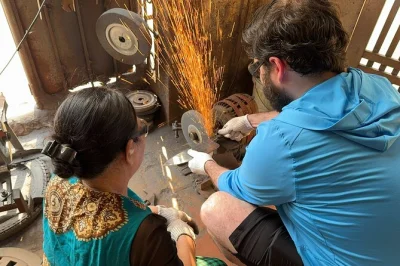 Hanoi: Knife-Making Class with Female Blacksmith in Da SyLearn traditional blade-forging in Da Sy village with Vietnam's only female knife artisan. Design and forge your own knife. All tools and safety gear included.★ 4.99 (398)2h 30mENUS$ 45View ›
 Ha Long Bay: Full Day Cruise & Sung Sot Cave from PortFull-day Ha Long Bay cruise from cruise port with Sung Sot Cave, kayaking, Titop Beach and Vietnamese lunch. 8 hours, small groups, port pickup included.★ 4.90 (130)7hENUS$ 75View ›
 Hanoi Train Street: Walking Tour, Egg Coffee & Old Quarter PickupFeel the rush as trains pass inches away on Hanoi’s Train Street, wander Old Quarter alleys, and relax with egg coffee—all with hotel pickup and a local guide.★ 4.71 (80)2hENUS$ 20View ›
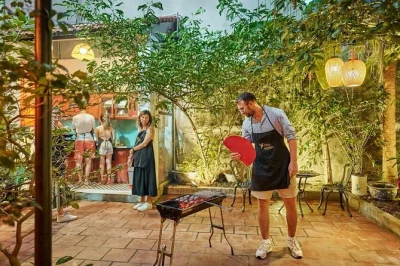 Hanoi Cooking Class: Garden Villa, Pho or Bun Cha & Egg CoffeeStep into a peaceful Hanoi villa for a hands-on cooking class with local storytellers. Choose your dish, sip egg coffee, and support community women—includes lunch.★ 4.97 (292)2hENUS$ 19View ›
Top questions
How difficult is the trekking on this tour?
The trekking is moderate—expect some muddy paths and hills but nothing too extreme if you’re reasonably fit.
Is there vegetarian food available during meals?
Yes! Just let us know your dietary needs ahead of time so we can arrange vegetarian options throughout your stay.
What should I pack for this Sapa trekking tour?
Bring sturdy walking shoes (it can get slippery), light rain gear just in case, warm clothes for evenings, and maybe some snacks if you like.
Will I have my own room during homestay?
No private rooms at homestays—it’s shared space with other travelers or family members but clean bedding is always provided.
Sapa Trekking Tour: Homestay & Hotel, 3 Days with Local Guide
3d · EN · at your hotel
from US$ 179 per person
★★★★★★★★★★4.8318 reviews
