
Ha Giang Loop motorcycle tour 4 days: Ma Pi Leng Pass
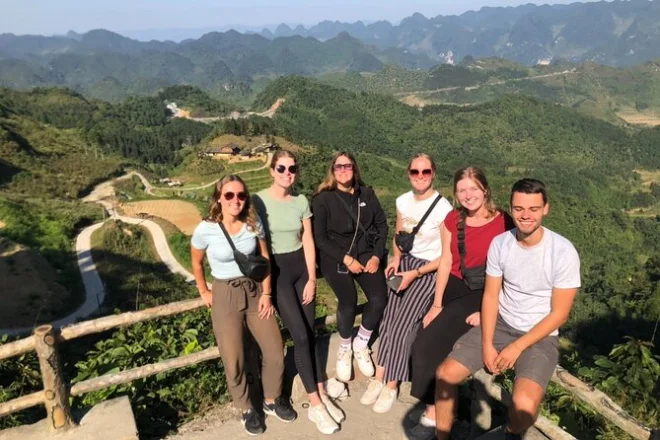
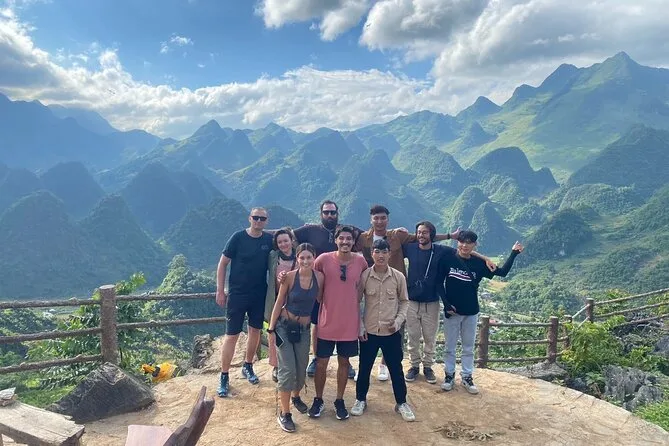
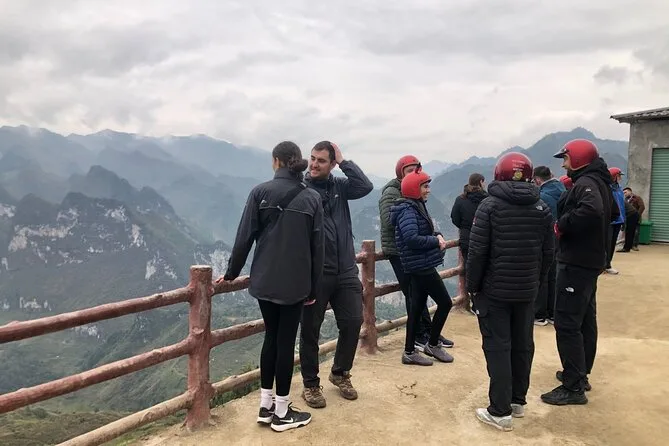

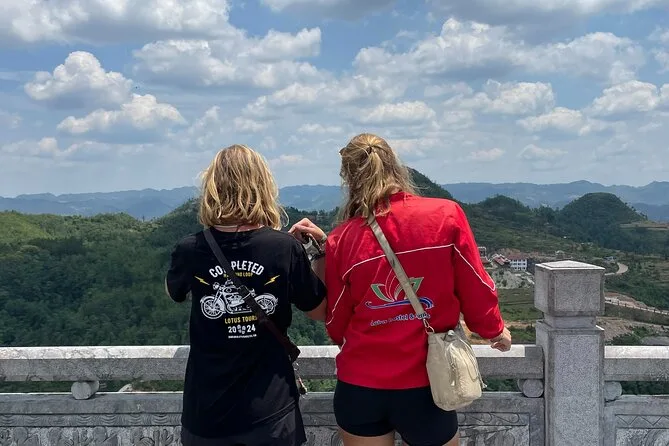
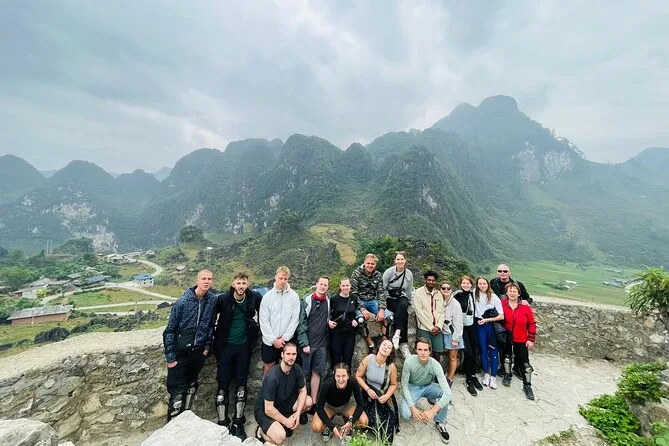
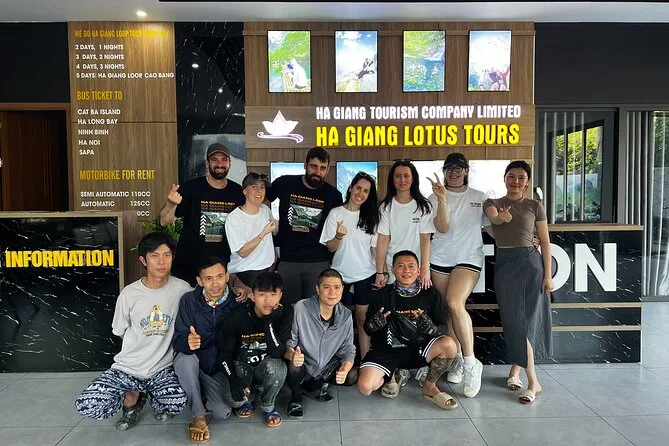

Ride Ma Pi Leng Pass and the Nho Que river gorge on a small-group motorcycle loop through remote Ha Giang.
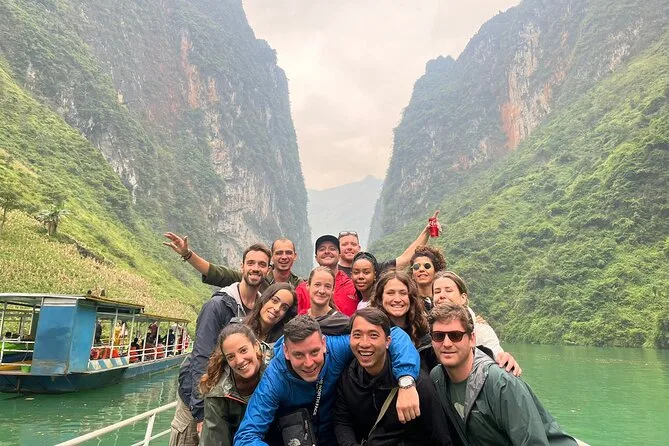
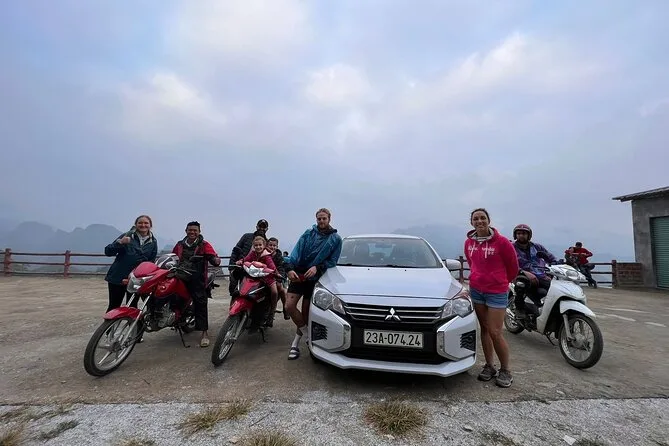
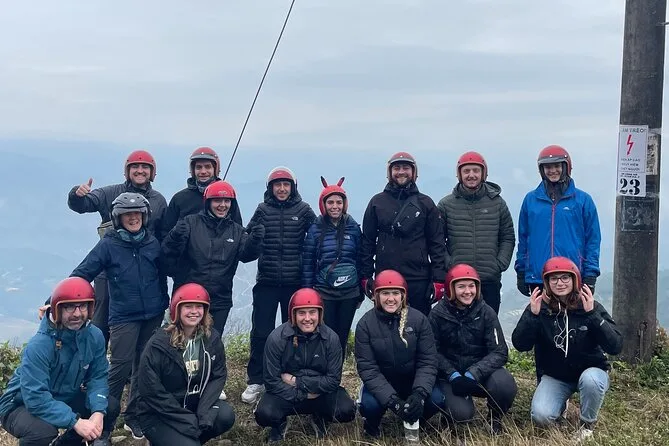
A four-day motorcycle tour of Ha Giang Loop in Northern Vietnam with a local English-speaking guide, small group of around 10 riders, and three nights in homestays along the route. You ride through the Dong Van Karst Plateau, climb to Lung Cu flag tower at Vietnam's northernmost point, traverse Ma Pi Leng Pass—one of the four biggest and most dangerous passes in the north—and take a one-hour boat ride on the green waters of the Nho Que river to see Tu San canyon, the deepest in Asia. Protective gear, raincoat, gas, meals at local restaurants and family homestays, and a guide fluent in English are included; travel insurance is optional at checkout.
 4d
4d

Step-by-step itinerary
Day 1 — Ha Giang to Yen Minh town
- Breakfast and itinerary briefing
- Visit Bac Sum Pass and Quan Ba Heaven Gate
- Lunch at Tam Son town
- Trek to Lung Khuy Cave
- Visit Lung Tam silk weaving village
- Ride through Can Ty Pass
- Check in homestay at Yen Minh town
- Dinner and Sunset Party with locals
Day 2 — Yen Minh to Meo Vac
- Breakfast
- Visit Tham Ma Pass and Pho Cao village
- Climb Lung Cu National Flag tower
- Walk around Lo Lo Chai village
- Lunch at local restaurant
- Visit Dong Van ancient town and Ma Pi Leng Pass
- Ride to rock ledge sky walk
- Check in homestay at Meo Vac
- Dinner and night party
Day 3 — Meo Vac to Du Gia village
- Breakfast
- Ride down to Nho Que river
- Boat trip on Nho Que river to Tu San canyon
- Ride through Sung Trai village and rice terraces
- Visit Lung Ho valley and Mau Due town
- Visit French bunker
- Arrive and stay at Du Gia village homestay
- Party and cozy night at Du Gia
Day 4 — Du Gia village to Ha Giang city
- Breakfast
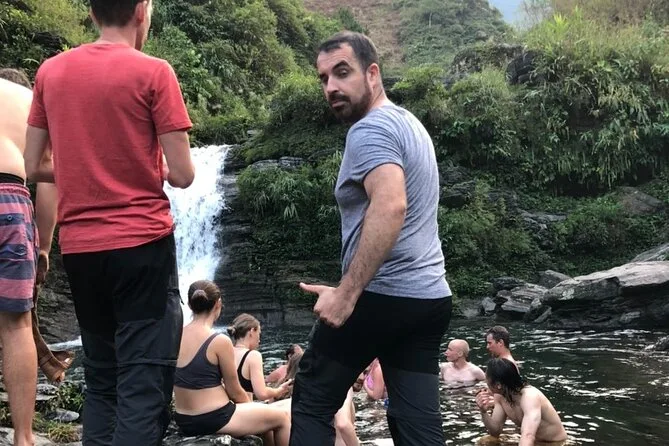
- Stroll and hike to Du Gia waterfall
- Swim at Du Gia waterfall
- Lunch
- Depart to Ha Giang city
- Stop at Thai An village and Thuan An slope
- Visit Thuan Hoa power station
- Arrive Ha Giang city and relax at pub
- End of trip

The Experience
You arrive in Ha Giang and meet your guide and small group of around ten riders. After a briefing on the route, you start the loop heading toward Quan Ba, where the twin peaks of the Heaven Gate greet you with limestone cliffs rising over the valley. The first day covers 85 kilometers, moving through Bac Sum Pass, stopping at Lung Khuy Cave—a limestone cavern formed over 400 million years ago—and passing through Lung Tam silk weaving village where local artisans work flax into brocade. You ride the Can Ty Pass in the late afternoon and arrive at Yen Minh for your first night in a homestay, ending with a sunset gathering called "Happy Water" with local people.
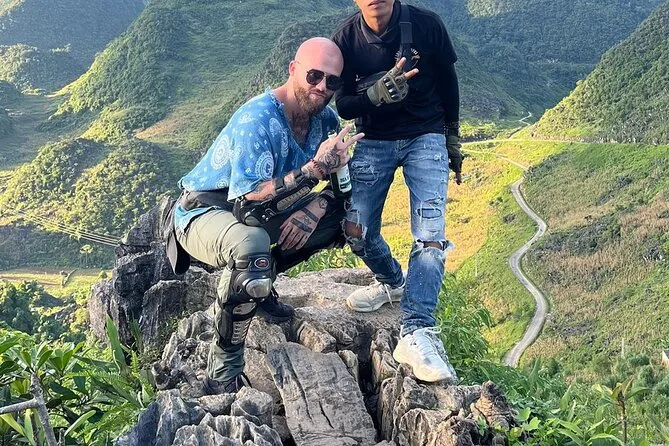
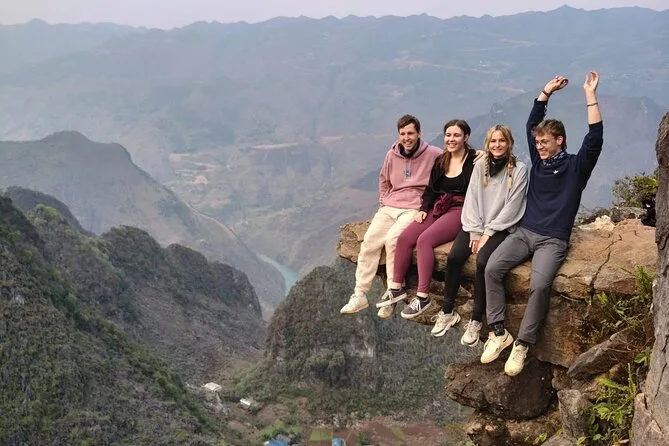
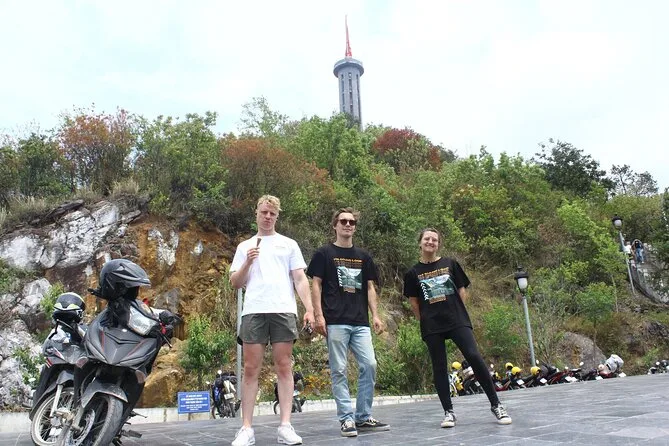
Day two pushes deeper into the Dong Van Karst Plateau. You climb Tham Ma Pass, a dangerous zigzag route, then ride up to Lung Cu flag tower, where you can see into China from the top. The real test comes on the Happiness Road between Dong Van and Meo Vac: Ma Pi Leng Pass, one of Vietnam's four most dangerous mountain passes, with a "sky walk" rock ledge offering panoramic views of the mountains and the Nho Que river gorge below. You stay a second night in Meo Vac.
On day three, you descend to the Nho Que river—known for its striking green water—and take a one-hour boat ride to Tu San canyon, the deepest canyon in Asia. After the boat, you ride through remote villages: Sung Trai, the rice terraces of Sa Li, Lung Ho valley, and Mau Due, passing a French bunker from the colonial era. You end the day at Du Gia village, staying in a traditional H'Mong stilt house with a night celebration in the village.
The final morning includes a hike to Du Gia waterfall and a swim, then a 120-kilometer ride back to Ha Giang city. You stop at Thai An village and Thuan An slope, visit a local power station, and arrive back around 4 p.m. The tour provides protective gear, raincoat, water, gas, three nights' accommodation, all meals at local restaurants and homestays, and a guide who speaks English throughout.

What’s included
- Protective gear and raincoat.
- motorcycle with easy rider.
- gas.
- three nights in homestays (Yen Minh, Meo Vac, and Du Gia).
- all meals at local restaurants and family homestays.
- one-hour boat ride on the Nho Que river.
- water during the ride.
- local English-speaking guide for the full four days.
Operated by Ha Giang Lotus Group and Tours
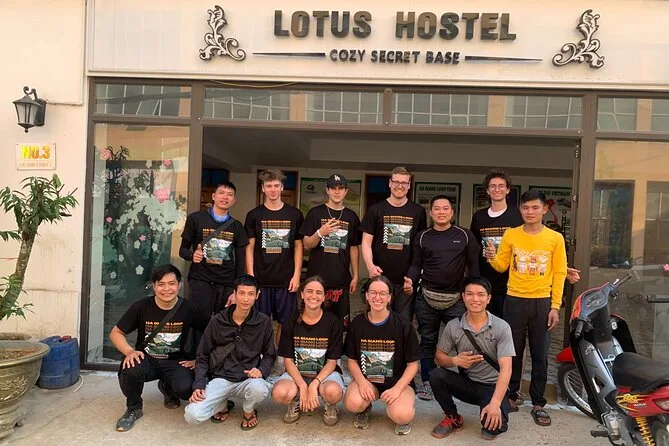
Is this one for you?If you have ridden before or are willing to learn on the road, a small group of ten riders removes the isolation of solo travel through remote mountain villages while keeping the pace manageable—you move at the speed of the slowest rider, and the easy riders manage the technical sections so you focus on the landscape and the stops.
Traveler reviews
Compare the 13 similar options
 Ha Giang Loop motorcycle tour 4 days: Ma Pi Leng Pass★ 4.98 (375)4dENUS$ 285
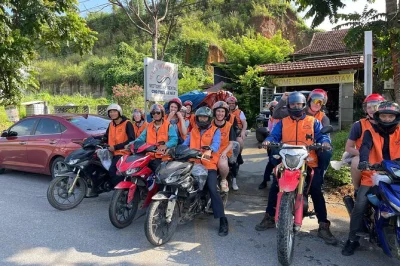 Ha Giang Loop 3 Days: Easy Rider Motorbike Tour Small GroupHa Giang motorbike tour, 3 days small group (max 8), Ma Pi Leng Pass, Dong Van Karst Plateau, all meals & accommodation included. Professional riders, English guide.★ 5.00 (212)3dENUS$ 259View ›
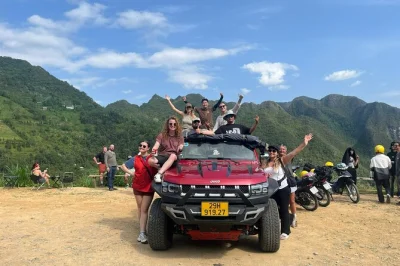 Ha Giang Loop: Open Air Jeep Tour with Ethnic Villages & Ma Pi LengFeel the wind on an open-air jeep tour of Ha Giang Loop—visit ethnic villages, cross Ma Pi Leng Pass, and share meals with locals. Includes all meals & pickup.★ 4.97 (267)3dENUS$ 398View ›
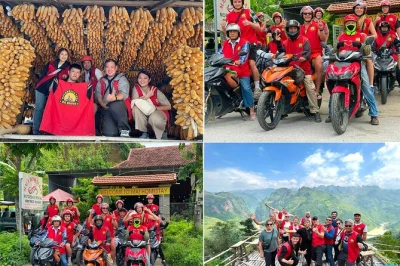 Ha Giang Motorbike Loop: 3 Days & 7 Ethnic VillagesHa Giang motorbike tour, 3 days riding Ma Pi Leng Pass & Dong Van Karst. Small groups, private rooms, all meals and guide included. Professional Easy Riders.★ 4.98 (876)3dENUS$ 265View ›
 Ha Giang Loop: 2 Day Motorbike Tour & Dong Van StayFeel the wild beauty of Ha Giang’s mountains, ride the Dong Van Karst Plateau, meet local tribes, and sleep in Dong Van. Includes guide, meals & entrance fees.★ 4.98 (81)2dENUS$ 130View ›
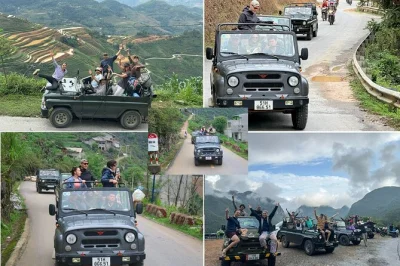 Ha Giang: Open-Air Jeep Tour, Dong Van Plateau & Ethnic VillagesFeel the wind on an open-air Ha Giang jeep tour—Dong Van Plateau, Ma Pi Leng Pass, local villages, all meals, homestay, and pickup included for a true adventure.★ 4.98 (165)3dENUS$ 398View ›
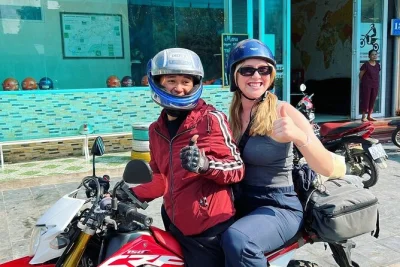 Ha Giang Loop 3 Days: Motorcycle Tour with Local GuideThree-day motorcycle loop through Ha Giang's mountain passes and ethnic villages with English-speaking guide and homestays included—ride Ma Pi Leng pass★ 4.98 (624)3dEN · VIUS$ 197View ›
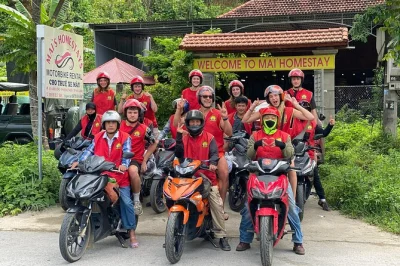 Ha Giang Loop 2-Day Motorbike Tour: Ma Pi Leng Pass & Dong Van2-day Ha Giang motorbike tour with guide through Ma Pi Leng Pass; includes private room, meals, and hotel pickup.★ 4.97 (233)2dUS$ 179View ›
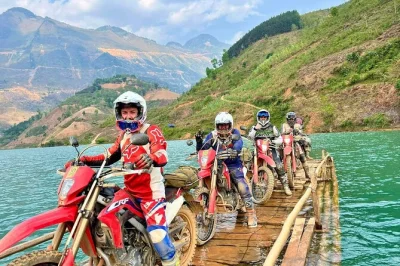 Ha Giang: 3-Day Dirt Bike Tour & Homestay with Ma Pi Leng Pass3-day motorcycle dirt bike tour in Ha Giang with private room, meals, and guide. Ride Ma Pi Leng Pass, Dong Van Karst Plateau, visit Hmong villages. Pickup from Hanoi.★ 4.95 (142)3dUS$ 385View ›
 Ha Giang Loop: 3-Day Motorbike Tour, Waterfalls & VillagesFeel the wild beauty of Ha Giang’s mountain passes, swim at hidden waterfalls, and meet local families on a guided 3-day motorbike adventure with homestay nights.★ 4.99 (75)3dUS$ 225View ›
 Ha Giang Loop: Self-Drive 3-Day Adventure & Local HomestaysWake up to mountain air, ride twisting passes, share meals with Hmong & Tay families—this Ha Giang Loop tour includes pickup, local guide, and all meals.★ 4.89 (72)3dEN · VIUS$ 151View ›
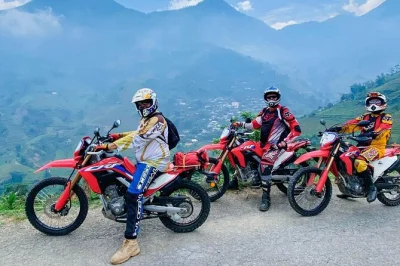 Ma Pi Leng Pass Motorbike Tour: 2 Days Off-Road Dong Van2-day dirt bike tour from Ha Giang with Ma Pi Leng Pass and Hmong King Palace. Includes meals, guide, private room and protective gear.★ 5.00 (33)2dENUS$ 260View ›
 Ha Giang Loop motorcycle tour: 3 days with Easy RidersRide the Ha Giang Loop on a motorcycle for 3 days with a local English-speaking guide—cross Quan Ba Heaven Gate and Ma Pi Leng Pass★ 4.95 (84)3dUS$ 197View ›
Top questions
What is Ma Pi Leng Pass and why is it part of this tour?
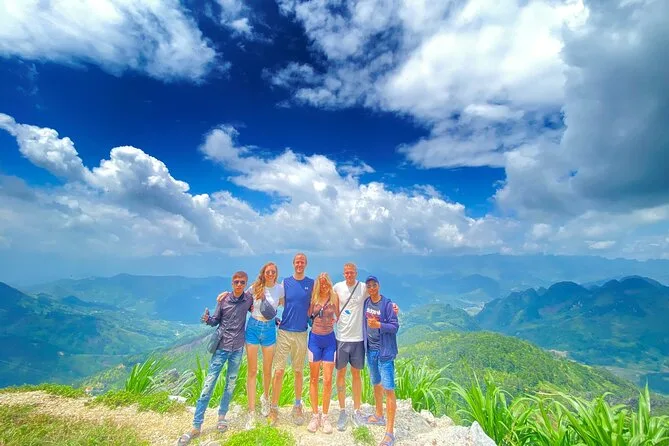
Ma Pi Leng Pass is one of the four biggest and most dangerous mountain passes in Northern Vietnam, located on the Happiness Road between Dong Van and Meo Vac. The tour includes a ride to a rock ledge called the "sky walk" at the pass, where you get panoramic views of the surrounding mountains and the Nho Que river gorge below; it is the most visually dramatic part of the loop.
What happens on the boat ride to Tu San canyon?
On day three, you take a one-hour boat trip on the Nho Que river—which has distinctive green water—to reach Tu San canyon, the deepest canyon in Asia. The boat ride is included in the tour and gives you a different perspective of the landscape after days of riding.
How many people ride in the group, and do I need motorcycle experience?
The group is around 10 riders, and the tour is designed for easy motorcycle riders, meaning it is accessible to people with little or no riding experience. You ride with a local guide and easy riders who manage the pace and handle the route.
Where do you sleep, and what are the accommodations like?
You stay three nights in homestays along the loop: Yen Minh Little Nho homestay on night one, Meo Vac Cozy homestay on night two, and Dua Gia Rice Field homestay on night three, where you sleep in a traditional H'Mong stilt house. All meals are provided at local restaurants or within the homestays.
What is included in the tour price?
The tour includes your motorcycle with an easy rider, protective gear and raincoat, gas, three nights' accommodation, all meals, a one-hour boat ride on the Nho Que river, and a local English-speaking guide for the full four days. Travel insurance is optional and can be added at checkout.
What villages and landmarks do you visit besides Ma Pi Leng?
The tour takes you through Quan Ba Heaven Gate, Lung Khuy Cave, Lung Tam silk weaving village, Lung Cu flag tower at Vietnam's northernmost point, Pho Cao village, Dong Van ancient town, Sung Trai village, Sa Li rice terraces, Du Gia village, and stops at Thai An village and a local power station on the return to Ha Giang city.
Ha Giang Loop motorcycle tour 4 days: Ma Pi Leng Pass
4d · EN · at your hotel
from US$ 285 per person
★★★★★★★★★★4.98375 reviewsVerified traveler reviews via our booking provider
