


7-day Kilimanjaro climb via Machame route from Arusha
Climb to Uhuru Peak on Kilimanjaro's steepest, most scenic route
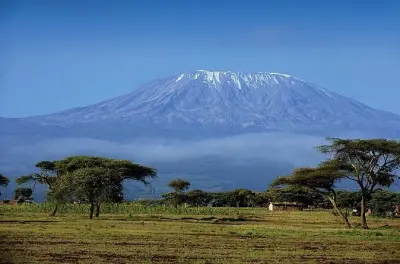
A 7-day guided climb of Kilimanjaro via the Machame route from Arusha, Tanzania, with camping, all meals on the mountain, park entry and professional guides. The Machame route is the most popular and scenic path but also the steepest and most challenging, suited for climbers with prior high-altitude or backpacking experience. Hotel pickup from Arusha is included. You'll summit Uhuru Peak at 5,895m and descend via the Mweka route.
Step-by-step itinerary
Day 1: Machame Gate to Machame Camp
- Breakfast at hotel
- Drive from Arusha to Machame Village
- Buy mineral water and receive packed lunch
- Walk or drive to Machame Gate
- Register at gate office
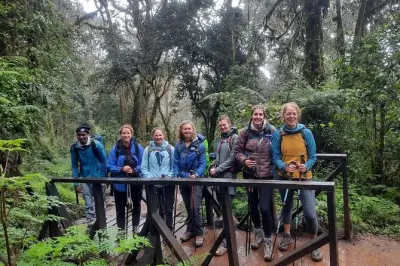
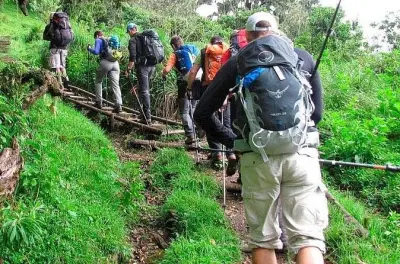
- Start ascent into rain forest
- Lunch stop halfway
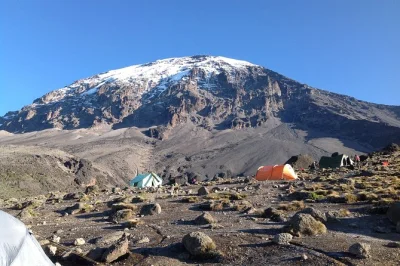
- Reach Machame camping area
- Porters prepare water and cook dinner
- Retire to tent for night
Day 2: Machame Camp to Shira Camp
- Early rise and breakfast
- Climb to top of forest
- Hike through moorland zone
- Short lunch and rest
- Continue to Shira plateau
- Reach Shira campsite
- Porters prepare water and cook dinner
- Rest overnight in cold camp
Day 3: Shira to Lava Tower to Barranco Camp
- Hike to Lava Tower
- Lunch at designated area
- Ascend rocky scree path to Lava Tower
- Descend to Barranco camping area
- Enjoy sunset at camp
- Porters prepare water and cook dinner
Day 4: Barranco Camp to Karanga Camp
- Early breakfast
- Conquer Great Barranco Wall
- View Heim Glacier from top
- Hike through Karanga Valley
- Reach Karanga Camp
- Porters prepare water and cook dinner
Day 5: Karanga Camp to Barafu Hut
- Breakfast at camp
- Leave Karanga Camp
- Hike to Barafu Hut
- Familiarize with campsite
- Early dinner served
- Rest before summit attempt
Day 6: Summit Attempt to Uhuru Peak
- Rise around 23:30
- Tea and biscuits
- Ascend to Stella Point
- Rest and view sunrise
- Ascend to Uhuru Peak
- Brief stay at summit
- Descend to Barafu
- Short rest and collect gear
Day 7: Mweka Camp to Mweka Gate
- Breakfast at camp
- Staff celebration with dancing and singing
- Present tips to staff
- Descend to Mweka Gate
- Sign for certificate of completion
- Descend to Mweka village
- Hot lunch served
- Drive back to Arusha
- Drop off at hotel
What’s included
- Professional English-speaking mountain guide.
- all park fees and rescue fees.
- camping in four-season private tents at six mountain camps.
- all meals on the mountain prepared fresh.
- clean, purified drinking water.
- mess tents with tables and chairs.
- hotel pickup from Arusha on day one and return drop-off after descent.
- porter support throughout the climb.
Times
- Every day No fixed time
Information
Prices and times updated yesterday
Operated by Serengeti African Tours
The experience
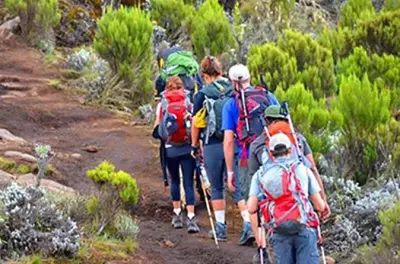
You start with an early pickup from your Arusha hotel and drive to Machame Village, where you'll buy supplies and receive a packed lunch before the trek begins. The first day takes you through rainforest (expect mud and rain) to Machame Camp at 2,980m. Each subsequent day climbs higher: through moorland to Shira Plateau, then across semi-desert terrain to Lava Tower at 4,630m on the toughest day, where altitude sickness symptoms often first appear. The route then descends to Barranco Camp, climbs the Great Barranco Wall, and continues to Karanga Camp and finally Barafu Hut at 4,600m, your staging point for the summit push.
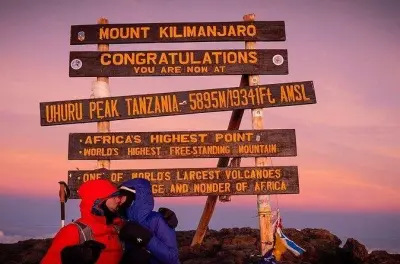
Summit night begins around 23:30 when you leave Barafu in darkness, ascending through heavy scree for six hours to Stella Point on the crater rim. The sunrise at 5,685m is the reward for the night's hardest climbing. From there, snow covers the final two-hour push to Uhuru Peak at 5,895m. The descent takes about three hours back to Barafu, then a full day of hiking down through forest to Mweka Gate, where you'll receive your certificate: gold if you reached the summit, green if you stopped at Stella Point. A celebration with your guides and porters happens before the final drive back to Arusha.
Your guide speaks English and leads the entire climb. The mountain provides all camping tents, meals prepared fresh on the mountain, clean drinking water, and mess tents with tables and chairs at each camp. Park fees, rescue fees and porter support are included. You'll camp at six different elevations, sleep in four-season tents, and eat large portions of nutritious food throughout. The itinerary is built around acclimatization: the climb to Lava Tower and descent to Barranco on day three is the key. Reaching high altitude then sleeping lower helps your body adjust before the final push.
Is this one for you?Book this climb if you have prior high-altitude or backpacking experience and want the most scenic route on Kilimanjaro, even though it's the steepest. The Machame route rewards strong hikers with glacier views and the Western Breach, but the compressed itinerary leaves less margin for acclimatization than gentler alternatives.
Traveler reviews
Compare the 12 alternatives



Top questions
Can children come?
Yes. Ticket types: Youth (14 to 17 years); Child (5 to 13 years); Infant (under 5).
What's the Machame route like compared to other Kilimanjaro paths?
The Machame route is the most popular and scenic on Kilimanjaro, known for its views of glaciers and the Western Breach. It's also the steepest and most challenging route, with a shorter itinerary than alternatives like Marangu, which means less time to acclimatize. It suits climbers with prior high-altitude hiking or backpacking experience.
When do I attempt the summit, and how long is the final push?
You leave Barafu Hut around 23:30 on day five and climb through the night. The ascent to Stella Point takes about six hours, then another two hours of snow climbing reaches Uhuru Peak at 5,895m. You'll descend the same day, taking roughly three hours back to Barafu before resting and collecting your gear.
What happens on the day I reach Lava Tower?
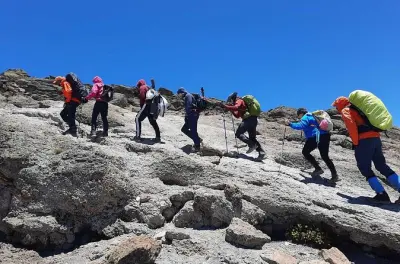
Day three is the toughest day on the route. You hike about five hours through semi-desert and rocky terrain to Lava Tower at 4,630m, where many climbers first feel altitude symptoms like breathlessness and headaches. After lunch you descend almost 680m to Barranco Camp, gaining the acclimatization benefit of reaching high altitude then sleeping lower.
What meals and water are provided on the mountain?
All meals are included while you're on the mountain: breakfast, lunch and dinner prepared fresh by the cook. The porters boil drinking and washing water at each camp. You'll eat large portions of nutritious food, and clean drinking water is available throughout the climb.
Do I need my own climbing gear, and what's provided?
The mountain provides four-season private sleeping tents, mess tents with tables and chairs, and all camping equipment. You'll need to bring your own personal climbing gear, including boots, layers, sleeping bag and backpack. Tips for guides and porters are not included.
How does the descent work after summiting?
After reaching Uhuru Peak or Stella Point, you descend to Barafu Hut the same day, rest briefly, then descend through forest on day seven to Mweka Gate at 1,980m. You'll sign the register to receive your certificate, then hike down to Mweka village for lunch before driving back to Arusha.
7-day Kilimanjaro climb via Machame route from Arusha
7d · EN
from US$ 2,300 per person