
Seoul: Full Day Tour with Hanbok at Changdeok Palace & Gwangjang Market


Changdeokgung in hanbok, old village alleys, temple bells, market flavors
You’ll slip into tradition wearing hanbok at Changdeokgung Palace before wandering Bukchon’s quiet alleys and tasting street food at Gwangjang Market. A local guide shares stories behind every gate and teacup, while temple bells echo nearby. Expect laughter, new flavors, and maybe a few surprises you’ll remember long after leaving Seoul.
 7h
7h

Step-by-step itinerary
Seoul cultural and shopping tour
- Wear a Hanbok experience
- Visit Changdeok Palace
- Tour Bukchon Hanok Village
- Explore Insadong Arts and Crafts Market
- Visit Jogyesa Buddhist Temple
- Shop at Kwangjang Market
- Drop off at City Hall or Myeongdong

The Experience
I didn’t really know what to expect when our guide handed me a hanbok near Changdeokgung Palace. The fabric felt heavier than I thought it would—sort of crisp and cool against my arms—and the colors were so bright they almost glowed under the morning sun. There was this moment where I caught my reflection in a palace window and just… laughed. It’s impossible not to feel a little regal (and a bit clumsy) walking through those ancient gates dressed like that. Our guide, Minji, explained how each color once meant something about your family or status—she even fixed my hairpiece when it started sliding off. Little details like that stick with you.
Walking through Changdeok Palace in full hanbok was surreal. The wooden floors creaked softly underfoot and there was this faint smell of pine from the gardens drifting in. Minji pointed out the Geumcheongyo Bridge—the oldest in Seoul—and told us how some parts had burned down and been rebuilt centuries ago. She had stories for every corner; I kept losing track of time listening to her talk about royal banquets and secret gardens. Then we wandered up through Bukchon Hanok Village, where the alleys twist around old wooden houses. Locals still live here, so we tried to keep our voices down (well, mostly). I remember passing a tea house with its door open—someone inside was boiling water and the steam curled out into the chilly air.
Insadong was next—loud and colorful, with shopkeepers calling out and kids running past holding sticky rice cakes on sticks. There’s even a poo-themed café at the end of the street (I didn’t go in but honestly wish I had). We ducked into a ceramics shop where an older woman let us try some plum tea—tart and sweet at once. After lunch (you get free time for that), we followed Minji to Jogyesa Temple. The air smelled like incense and there were paper lanterns everywhere overhead; someone was chanting quietly inside, which made me pause for longer than I expected.
The last stop was Gwangjang Market—crowded, noisy, alive with people slurping noodles or flipping bindaetteok pancakes on hot griddles. I tried mayak gimbap after watching three locals polish off a plate in record time (it’s addictive for a reason). The market has this energy that makes you want to linger even when your feet are tired. We ended up chatting with one of the vendors about her family’s stall—she’d been coming here since she was a kid.

What’s included
Your day includes hotel pickup from central locations or main subway stations, all entry fees for palaces and temples, transportation between sites by comfortable vehicle, guidance from an expert local who shares cultural context throughout the journey—and plenty of chances to sample snacks or shop along the way before being dropped off downtown in City Hall or Myeongdong.
Operated by VIP TRAVEL Co.Ltd
Traveler reviews
Compare the 13 similar options
 Seoul: Full Day Tour with Hanbok at Changdeok Palace & Gwangjang Market★ 4.93 (123)7hEN · CMUS$ 65
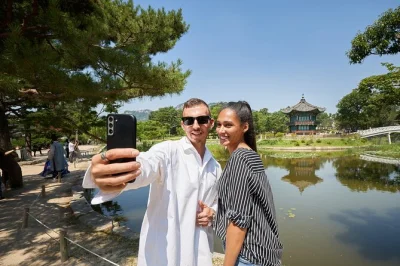 Seoul: Gyeongbokgung Palace, Namsan Tower & Markets Day TourFeel the pulse of Seoul on a city tour with palace guards, street food at Insadong, cable car views from Namsan Tower, and easy hotel pickup included.★ 4.89 (2,161)7h 30mEN · CMUS$ 30View ›
 Seoul Highlights Tour: Palaces, Hanbok, Tea Ceremony & PickupFeel Seoul’s royal palaces, wear hanbok, try a Korean tea ceremony and explore markets with a local guide. Includes hotel pickup and flexible lunch options.★ 4.96 (571)8h–9hEN · KOUS$ 78View ›
 Seoul & DMZ: 2-Day Tour with Third Tunnel, Palaces & MarketsFeel the tension at Korea’s DMZ, walk Seoul’s palaces, and taste street food in buzzing markets. Includes pickup, all entry fees, and expert guides for both days.★ 4.91 (89)2dEN · CMUS$ 99View ›
 Pottery Class & Makgeolli Tasting from Seoul: Make & TasteDay trip from Seoul to Korea's largest ceramic art village for pottery-making, makgeolli tasting at a working brewery, and traditional Korean lunch with private transport.7hEN · KO +4US$ 138View ›
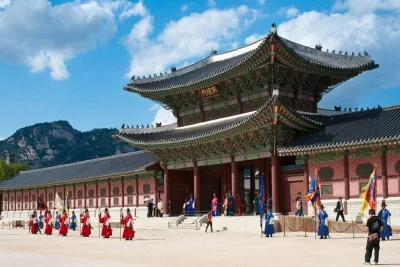 Seoul: Royal Palaces, Insadong & Namdaemun Market Day TourStep into Seoul’s royal palaces, wander antique-filled Insadong, and taste ginseng tea on a small-group day tour with hotel pickup and local guide included.★ 4.88 (1,738)8hENUS$ 68View ›
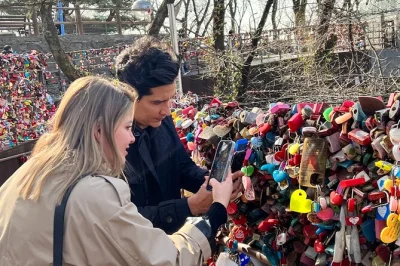 Seoul Private Tour: 8-Hour Flexible Itinerary & PickupFeel Seoul’s pulse your way—private guide, flexible itinerary, and pickup in the city. Explore at your pace with special care for families or mobility needs.★ 4.97 (378)8hEN · CMUS$ 500per groupView ›
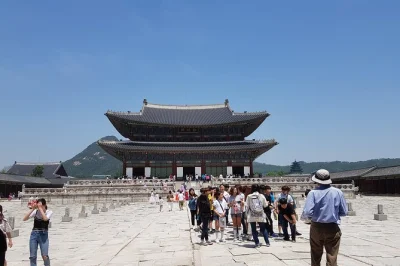 Seoul: Gyeongbokgung Palace, N Seoul Tower & Hanok Village Day TourStep into Seoul’s royal palaces, wander Insadong’s alleys, and ride the cable car up N Seoul Tower—all with hotel pickup and a local guide included.★ 4.91 (4,400)8hENUS$ 32View ›
 Seoul Palaces & Bukchon Hanok Village Food Tour with MarketFeel Seoul’s old soul on a guided palace tour, stroll Bukchon Hanok Village, and taste Gwangjang Market street food. Includes pickup and all entry fees.★ 4.91 (251)3h 30mENUS$ 29View ›
 Seoul: Private Custom Tour with Hotel Pickup & Flexible RouteLet Seoul surprise you—wander Gyeongbokgung Palace, stroll Bukchon Hanok Village, and snack at Gwangjang Market with a local guide. Includes hotel pickup.★ 4.99 (100)4hENUS$ 157View ›
 Seoul Private Tour: Palaces, Hanok Village & Markets with GuidePrivate guided Seoul tour visiting palaces, Bukchon Hanok Village, Insadong, and Gwangjang Market with hotel pickup and English-speaking guide for 2–9 people.★ 4.97 (36)8h–11hENUS$ 199View ›
 Seoul DMZ & Mt. Gamaksan Bridge Tour with Hotel PickupPeer into North Korea from the DMZ, walk the Mt. Gamaksan suspension bridge, and explore Imjingak Park—small group, hotel pickup, no shopping stops.★ 4.92 (2,294)8h–10hEN · KOUS$ 65View ›
 Seoul: Private Highlights Tour with Hanbok & Food StopsStart your Seoul day trip with hanbok photos at Gyeongbokgung, wander Bukchon Hanok Village, taste Gwangjang Market food, and relax with hotel pickup.★ 4.96 (414)8h–9hEN · ZH +2US$ 230View ›
Top questions
Can I wear a hanbok during the Seoul day tour?
Yes, you’ll wear traditional hanbok at Changdeokgung Palace as part of the tour experience.
Is hotel pickup included for this Seoul city tour?
Pickup is included from main subway stations or hotels in downtown Seoul.
What markets are visited on this full day tour?
You’ll visit Insadong Arts & Crafts Market and Gwangjang Market during the tour.
How long do we spend at each attraction?
The itinerary covers several stops throughout the day; exact times vary but each location includes guided exploration and some free time.
Is lunch provided on this Seoul city tour?
No set lunch is included; you have free time to choose your own meal in Insadong or nearby areas.
Are guides fluent in English or Chinese?
The professional guide speaks English or Chinese depending on your group preference.
Is this tour wheelchair accessible?
Yes, transportation and all areas visited are wheelchair accessible.
What traditional foods can I try at Gwangjang Market?
You can try bindaetteok (mung bean pancake), mayak gimbap (seaweed rolls), noodles, and other Korean street foods.
Seoul: Full Day Tour with Hanbok at Changdeok Palace & Gwangjang Market
7h · EN · CM · at your hotel
from US$ 65 per person
★★★★★★★★★★4.93123 reviews
