
Lisbon: Pasteis de Nata Baking Class in Historic Quarter

Lisbon’s sweet side hands-on pasteis de nata baking with chef stories
You’ll roll dough and fill tins side by side with a Lisbon chef, learn why pasteis de nata became Portugal’s favorite treat, and taste your own creations straight from the oven. Expect laughter over coffee or port while your tarts bake—and leave with sticky fingers and new stories to tell.
 1h 30m

Step-by-step itinerary
Pasteis de Nata baking experience
- Learn to make Pasteis de Nata
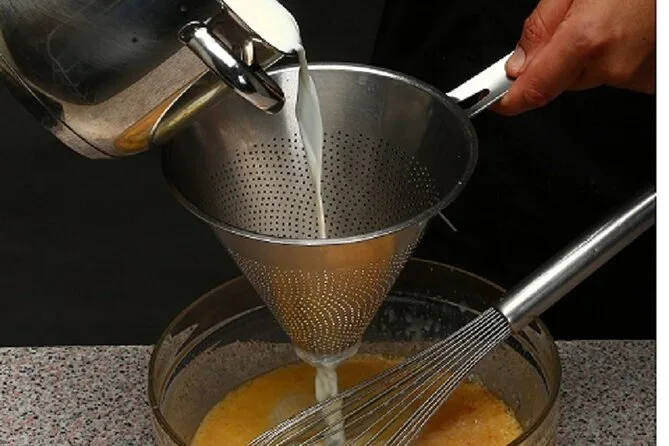
- Prepare pastry and custard filling
- Bake the tarts in the oven
- Enjoy a drink while baking
- Learn about the tart's history

The Experience
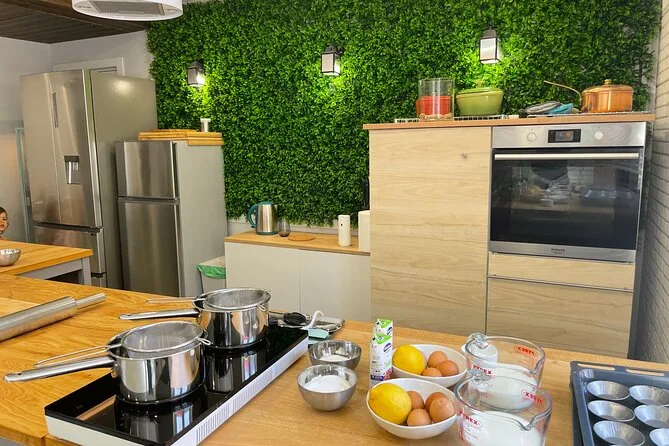
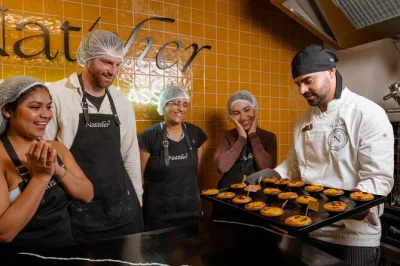
“If you burn the custard, just call it ‘extra caramelized’—that’s what my grandmother always said,” our chef grinned as we tied on aprons in a bright kitchen tucked behind an old blue-tiled doorway in Lisbon. I’d walked past this street before but never noticed the bakery sign; funny how you can miss things until someone local points them out. The room smelled like warm milk and cinnamon, and honestly, I was already hungry before we even started.
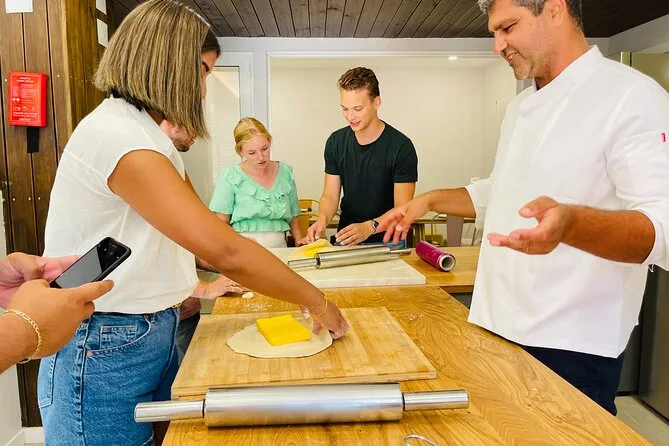
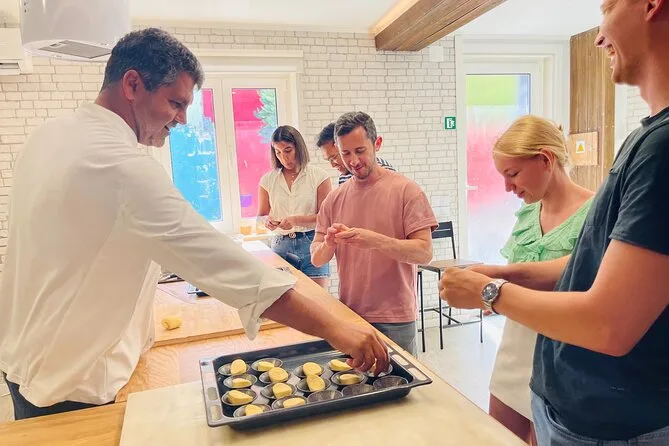
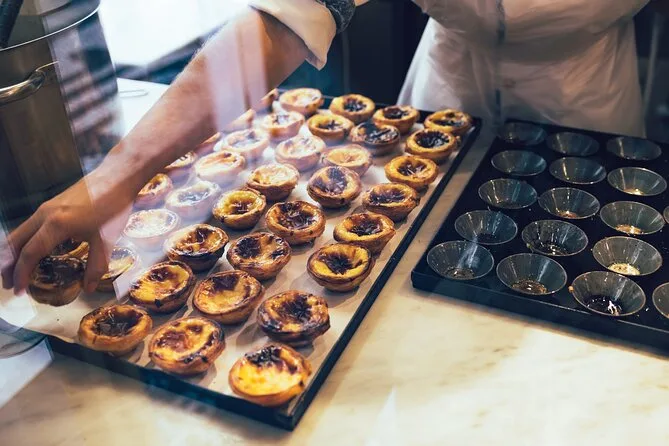
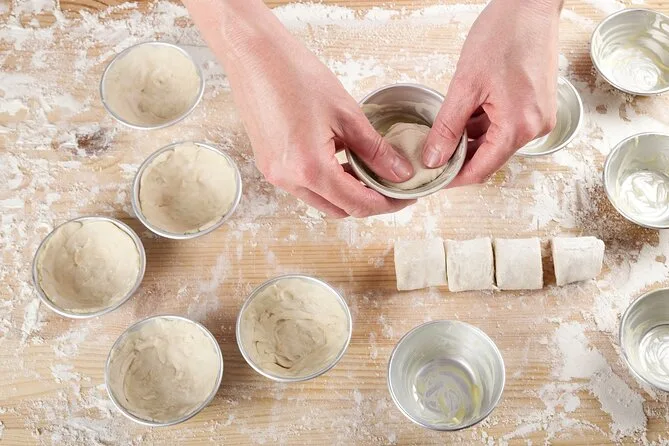
We got right into it—rolling dough, dusting flour everywhere (I definitely overdid it at one point), and cracking eggs while our guide told us about the monks who first made these tarts centuries ago. She had this way of mixing history with little jokes—like when she tried to teach us how to say “pastel” properly in Portuguese. Li laughed when I tried to repeat it; pretty sure I butchered it but nobody seemed to mind. The main keyword here is pasteis de nata, but what stuck with me was the sticky feeling of custard between my fingers and the sound of pastry layers crackling as we shaped them into tins.
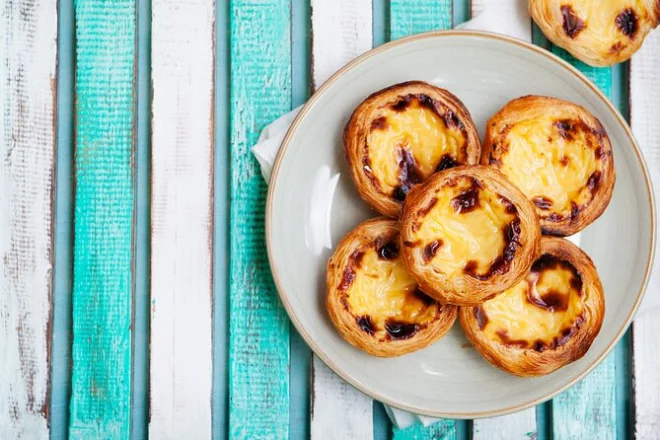
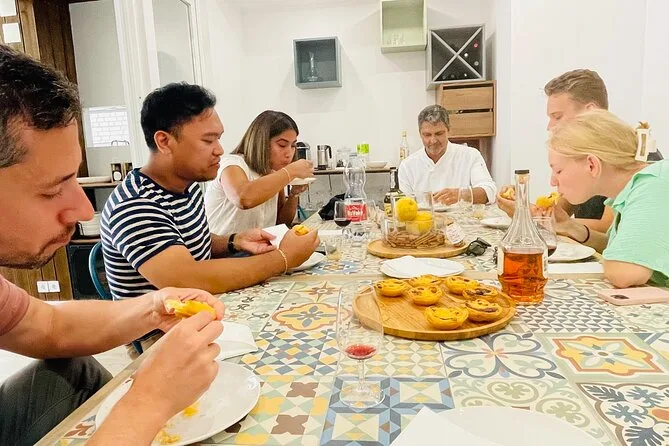
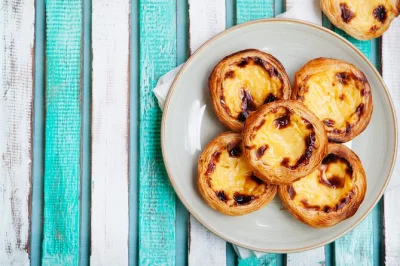
While our tarts baked, we sat around a small table sipping coffee (and a little port for those who wanted). Our chef poured out stories about Lisbon’s old quarters—the kind you won’t find on Wikipedia—and pointed out that the original recipe is still a secret. The smell from the oven got stronger and sweeter, filling up the whole place. When we finally bit into our own pasteis de nata, still warm and dusted with cinnamon, I remember thinking: these are messier than they look in photos, but so much better fresh. I still think about that first bite sometimes—you know?

What’s included
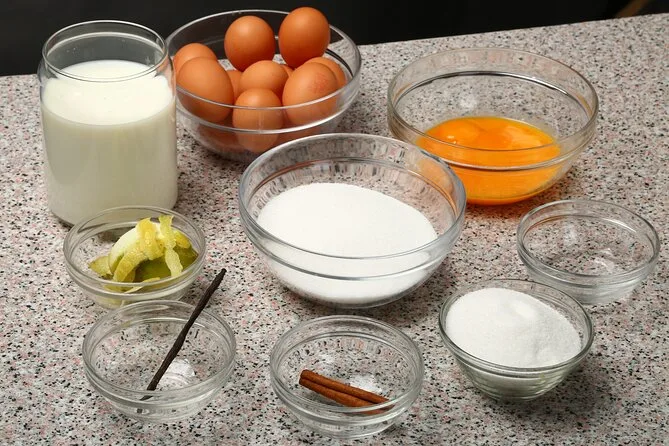
Your experience includes all ingredients for making pasteis de nata from scratch alongside a local chef in Lisbon’s historic quarter. Drinks—bottled water, coffee or tea, and even some wine or port—are provided during your class before you taste your fresh-baked pastries together.
Operated by Lisboa Food Studio
Traveler reviews
Compare the 13 similar options
 Lisbon: Pasteis de Nata Baking Class in Historic Quarter★ 4.91 (263)1h 30mEN · PT€ 65
 Pastel de Nata Baking Class in Lisbon: Make 3 PastéisMake Portuguese custard tarts from scratch in a professional bakery kitchen in downtown Lisbon with a pastry chef trained by Chef João Batalha.★ 4.97 (671)2hEN · PT€ 70View ›
 Pastel de Nata Class in Lisbon: Bake Portuguese Custard TartsLearn to bake Pastel de Nata from scratch at Homecooking Lisbon, a short walk from Mosteiro dos Jerónimos where the pastry was created in 1837★ 4.84 (538)2hEN€ 55View ›
 Lisbon Food & Wine Tour: Baixa, Mouraria & Fado HouseWalk Lisbon's Baixa and Mouraria neighborhoods on a 3.5-hour food tour with a local guide, tasting nine dishes and four drinks at four family-run stops★ 4.96 (8,447)3h 30mEN€ 104View ›
 Lisbon Belém: Jerónimos Monastery & Pastéis de Belém TastingGuided walking tour of Lisbon's Belém District with Jerónimos Monastery entry, pastry tasting at the 1837 bakery, and Belém Tower views with guide.2hEN€ 55View ›
 Lisbon Food & Wine Walking Tour: 15 Tastings in BaixaSample over 15 Portuguese food & wine tastings in Lisbon’s Baixa district, with a local guide and small group. Includes pickup points & traditional venues.★ 4.84 (4,681)3hEN€ 66View ›
 Lisbon Sunset Sailing Tour with Wine: Tagus River ViewsSunset sail on the Tagus with Portuguese wine, passing Belém Tower and the Monument to the Discoveries. Small groups, shared tour with skipper.★ 4.95 (2,885)2hEN · PT€ 55View ›
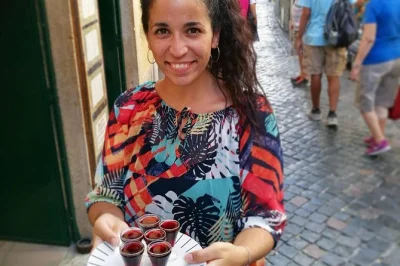 Lisbon: Alfama Food Tour with 18 Tastings & Family SpotsFollow a local through Alfama’s maze, tasting 18 unique bites and drinks from family-run kitchens. Small group, plastic-free, includes all tastings and stories.★ 4.95 (2,108)4hEN · ES€ 105View ›
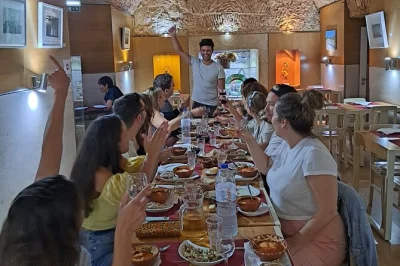 Lisbon Food Walking Tour: Mouraria, Taverns & TastingsFollow a local guide through Mouraria & downtown Lisbon with 12 food tastings, cherry liquor, and wine. Small group, includes drinks, no climbing required.★ 4.95 (676)4hEN€ 79View ›
 Sintra, Cascais & Pena Palace: Small Group Day Trip LisbonLose yourself in Sintra’s pastry shops, stand at Cabo da Roca’s cliffs, and wander Pena Palace with a local guide—small group, English only, pickup included.★ 4.94 (1,942)9hEN€ 55View ›
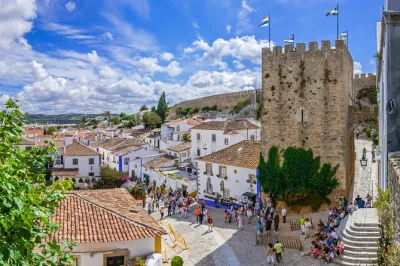 Fatima, Nazare & Obidos: 9-Hour Small Group Day Trip from Lisbon9-hour small group tour from Lisbon to Fatima shrine, Nazare cliffs & medieval Obidos. Max 8 people, English guide, lunch & ginja included. Pickup at Avenida da Liberdade.★ 4.95 (1,245)9hEN€ 80View ›
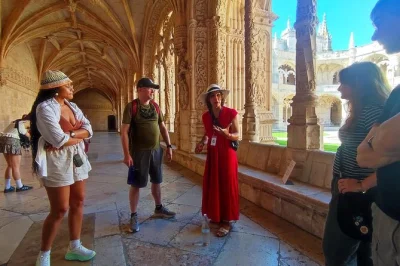 Lisbon Belém: Jerónimos Monastery Skip-the-Line & Pastel TastingStep inside Lisbon’s Jerónimos Monastery with skip-the-line entry, taste the original Pastel de Belém, and stroll riverside landmarks—includes local guide.★ 4.97 (932)3hEN · DE +6€ 59View ›
 Lisbon Food Tour: 8 Tastings Through Baixa with Local DrinksThree hours walking through Lisbon's flat Baixa District, tasting petiscos, seafood, bifana and pastel de nata paired with Vinho Verde★ 4.93 (617)3hEN€ 69View ›
Top questions
Where does the pasteis de nata baking class take place?
The class is held in Lisbon’s historic quarter where pasteis de nata were first created.
Is this baking class suitable for children or people using wheelchairs?
Yes, all areas are wheelchair accessible and infants or small children can join with prams or strollers.
Do I need any baking experience for this pasteis de nata class?
No experience is needed; the chef guides everyone through each step from scratch.
Are drinks included during the class?
Bottled water, coffee or tea, and alcoholic beverages are included.
Will we learn the original recipe for pasteis de nata?
No one outside the original bakery has that recipe, but you’ll learn an easy version from an expert chef.
Lisbon: Pasteis de Nata Baking Class in Historic Quarter
1h 30m · EN · PT
from € 65 per person
★★★★★★★★★★4.91263 reviews
