
14-Day Everest Base Camp Trek from Kathmandu






Fourteen days to walk the Everest trail and stand where climbers begin
A 14-day trek from Kathmandu to Everest Base Camp at 5,365 m, following the route Edmund Hillary and Tenzing Norgay took, with a licensed English-speaking guide, all meals, guesthouse accommodation and domestic flights included. The trek includes two acclimatization days built into the schedule, a porter for every two trekkers, and a hike up Kala Patthar for the closest views of Mount Everest's 8,848 m summit without mountaineering equipment.
 14d
14d

Step-by-step itinerary
Day 1 — Arrive in Kathmandu
- Meet airport representative
- Transfer to hotel
- Attend pre-trip meeting
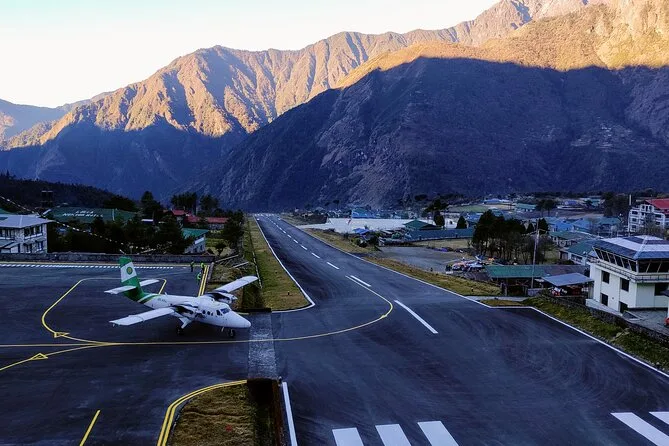
Day 2 — Fly to Lukla and Trek to Phakding
- Fly from Kathmandu to Lukla
- Meet guide and porters
- Trek to Phakding
Day 3 — Trek to Namche Bazaar
- Trek along Dudh Koshi River
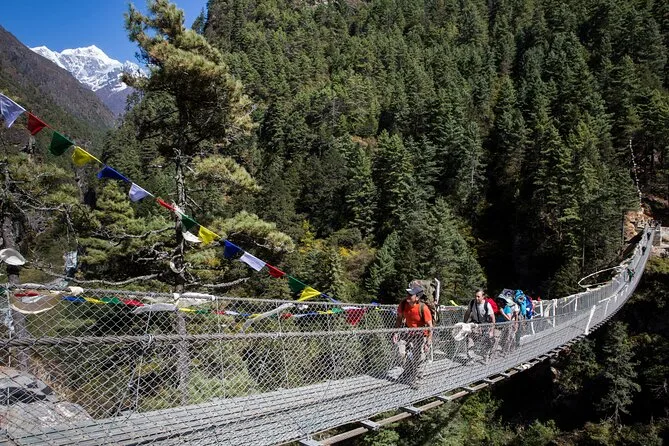
- Cross suspension bridges
- Arrive at Namche Bazaar
Day 4 — Acclimatize in Namche Bazaar
- Visit Sherpa museum
- Hike to Syangboche Airport
- Visit Everest View Hotel
Day 5 — Trek to Tengboche
- Trek along Dudh Koshi River
- Reach Tengboche monastery
- Observe prayer ceremony
Day 6 — Trek to Dingboche
- Descend to Debuche
- Cross Imja Khola suspension bridge
- Climb to Dingboche village
Day 7 — Acclimatization Hike to Nangkartshang Peak
- Hike to Nangkartshang Peak
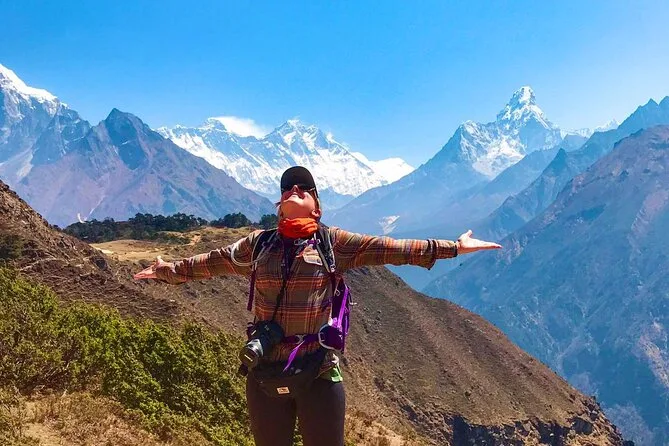
- Enjoy views of Ama Dablam
- Rest or stroll in Dingboche
Day 8 — Trek to Lobuche
- Trek along Khumbu Glacier moraine
- Pass climbers' memorials
- Arrive at Lobuche village
Day 9 — Trek to Everest Base Camp and Gorak Shep
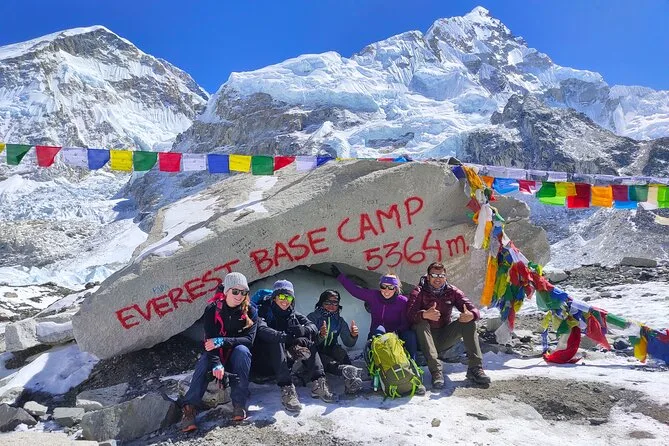
- Trek to Everest Base Camp
- View Khumbu Icefall
- Return to Gorak Shep
Day 10 — Hike Kala Patthar and Trek to Pheriche
- Climb Kala Patthar peak
- Enjoy mountain panorama
- Descend to Pheriche
Day 11 — Trek to Namche Bazaar
- Descend through Pangboche and Tengboche
- Arrive at Namche Bazaar
Day 12 — Trek to Lukla
- Trek back to Lukla
- Relax and celebrate
Day 13 — Fly to Kathmandu
- Fly from Lukla to Kathmandu
- Transfer to hotel
Day 14 — Depart from Kathmandu
- Transfer to international airport

The Experience
The trek starts with a 35-minute flight from Kathmandu to Lukla at 2,804 m, then descends to Phakding and climbs to Namche Bazaar, the largest Sherpa settlement on the trail. You cross the Dudh Koshi River multiple times on suspension bridges strung with prayer flags, pass through Sagarmatha National Park, and trek alongside glacial waters with views of the Himalayas opening up as you climb. The route follows the footsteps of the first Everest summiteers, moving through villages where mani stones, chortens and colorful prayer flags line the paths—a landscape shaped by Buddhist spiritualism and Sherpa culture.
Two acclimatization days are built into the schedule: one in Namche Bazaar where you visit a museum of Sherpa customs and hike to Syangboche Airport and the Everest View Hotel for panoramic mountain views, and another in Dingboche where you climb Nangkartshang Peak at 5,083 m to adjust to the thinning air. The trek continues through Tengboche, where you observe a prayer ceremony inside the monastery, then to Dingboche, Lobuche, and finally Everest Base Camp. The day you reach Base Camp at 5,365 m is the longest—7 to 8 hours along the Khumbu Glacier—and you return the same day to Gorak Shep to sleep. The next morning you climb Kala Patthar at 5,555 m in darkness to catch sunrise over Everest and the surrounding giants: Nuptse, Lhotse, Pumori and others fill the panorama in every direction.
Your guide is a government-licensed English speaker who briefs you at Lukla and introduces the porters—one porter carries gear for every two trekkers. All meals are provided throughout the trek: breakfast, lunch and dinner in the guesthouses, plus seasonal fruits on the trail and filtered water using a Katadyn Pocket Water Filter. Accommodation is twin-share guesthouses with attached toilets in Lukla, Phakding and Namche, and simpler guesthouses in the higher villages. The descent takes you back through Pangboche and Tengboche to Namche, then down to Lukla over 6 to 7 hours on the final trekking day. A 35-minute flight returns you to Kathmandu, where you spend your last two nights in a three-star hotel before transfer to the airport.

What’s included
- All government taxes and official permits including Sagarmatha National Park entry and Pasang Lhamu Rural Municipality fee.
- domestic flights Kathmandu-Lukla-Kathmandu with airport departure tax.
- airport and hotel transfers in a private vehicle.
- a government-licensed English-speaking guide and one porter for every two trekkers.
- all meals (breakfast, lunch, dinner) throughout the trek plus seasonal fruits and filtered water.
- twin-share guesthouse accommodation with attached toilets in Lukla, Phakding and Namche, and guesthouse stays in higher villages.
- 3-star twin-share hotel accommodation in Kathmandu for 2 nights with breakfast.
- staff salaries, insurance, equipment and medicine.
- a duffel bag, trekking map, sun hat and trek completion certificate to keep.
- first-aid kit and emergency medical evacuation arrangements.
Operated by Ace the Himalaya
Is this one for you?Book this trek if you're starting from Kathmandu or staying there before departure—the operator arranges your airport pickup, the pre-trek meeting at their office, and the early morning transfer to the airport for your Lukla flight, so you don't need to navigate the city or organize domestic transport yourself.
Traveler reviews
Compare the 13 similar options
 14-Day Everest Base Camp Trek from Kathmandu★ 4.98 (1,609)14dENUS$ 1,800
 Everest Base Camp Trek: 14 Days Kathmandu & Mount Everest14-day trek from Kathmandu to Everest Base Camp at 5,364m. Includes domestic flights, 11 nights in tea houses, licensed guide, meals and hotel pickup.★ 4.93 (101)14dENUS$ 999View ›
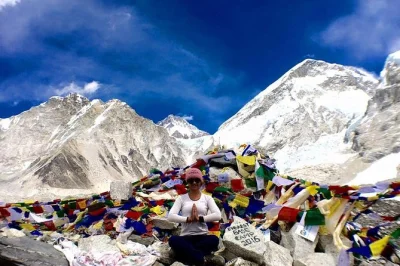 Everest Base Camp Trek from Kathmandu: 12 Days12-day Everest Base Camp trek from Kathmandu with Lukla flight, lodge stays, and Sherpa guide through Sagarmatha National Park. Includes transport and accommodation.★ 4.97 (552)14dENUS$ 1,700View ›
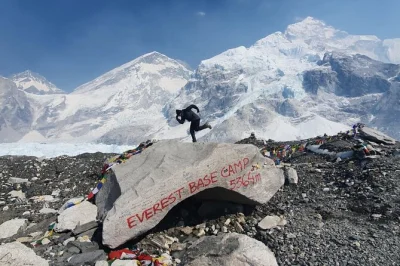 Everest Base Camp Trek 14 Days: Lukla Flight & Sherpa Villages14-day Kathmandu to Everest Base Camp trek with guide, permits, flights; explore Sherpa villages and stunning mountain views.★ 5.00 (75)14dENUS$ 999View ›
 Everest Base Camp: Helicopter Tour with Kala Patthar LandingFeel the thrill of a helicopter flight over Everest, optional Kala Patthar landing, breakfast at Everest View Hotel, and easy hotel pickup from Kathmandu.★ 5.00 (74)5h–6hENUS$ 1,550View ›
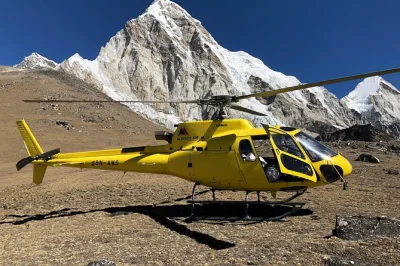 Kathmandu: Everest Base Camp Helicopter Tour & Gokyo LakePrivate helicopter from Kathmandu to Everest Base Camp and Kalapathar with breakfast at Everest View Hotel. Hotel pickup included, five-hour round trip, small groups.★ 5.00 (20)3h–4hENUS$ 4,099View ›
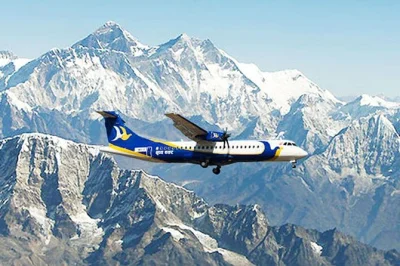 Kathmandu: Mount Everest 1-Hour Flight & Hotel PickupSee Mount Everest and 20 Himalayan peaks on a 50-minute commercial flight from Kathmandu. Includes hotel pickup, window seat, and return transfer.★ 4.86 (192)53mENUS$ 100View ›
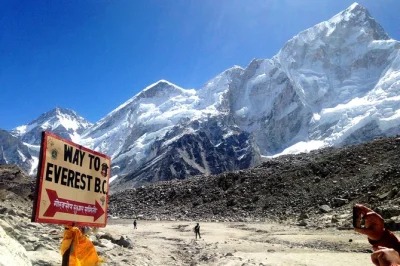 Everest Base Camp Trek from Kathmandu: 12 Days & Sherpa Villages12-day trek to Everest Base Camp from Kathmandu with domestic flights, mountain lodges, full meals, and experienced Sherpa guide. Moderate fitness, autumn or spring best.★ 4.99 (221)14dEN · IT +1US$ 1,339View ›
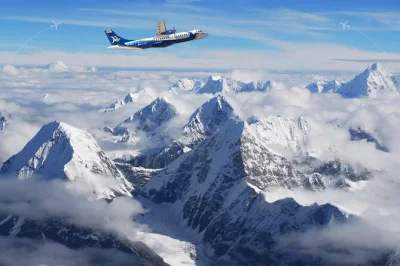 Kathmandu: Everest Scenic Flight & Hotel Pickup, Sparkling WineFeel the rush of a scenic Everest flight from Kathmandu with hotel pickup, close-up Himalayan views, and a glass of sparkling wine after landing. Includes breakfast snacks.★ 4.60 (240)3h–4hENUS$ 100View ›
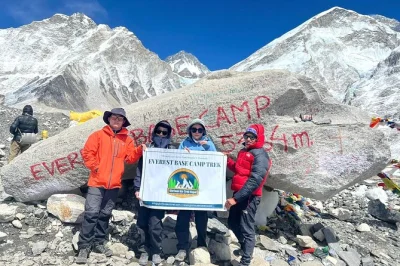 Everest Base Camp Trek: 14-Day Private Hike & Local GuideFeel the crunch of Himalayan trails, share tea with Sherpas, and stand at Everest Base Camp. Includes Kathmandu hotel, permits, porter & airport pickup.★ 4.97 (195)14dEN · HIUS$ 1,550View ›
 Everest Base Camp Trek 14 Days from Kathmandu14-day trek from Kathmandu to Everest Base Camp with experienced guide, porter, flights and permits included. Acclimatization days in Namche Bazaar and Dingboche.★ 5.00 (26)14dENUS$ 1,800View ›
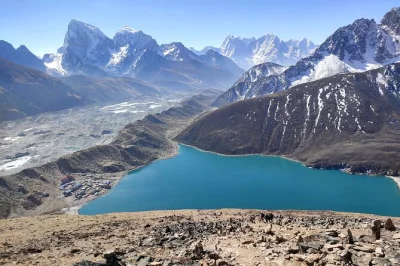 Gokyo & Everest Base Camp Trek: High Passes, Lakes & Sherpa CultureEverest Base Camp trek via Gokyo Lakes and Cho La Pass. Hike through Namche Bazaar, cross glaciers, and experience Sherpa villages. Book your adventure.★ 4.99 (123)17dENUS$ 2,200View ›
 Everest Base Camp Helicopter: Scenic Flight & Breakfast StopFly over Everest Base Camp from Kathmandu, enjoy a stop at Hotel Everest View for breakfast, and take in Himalayan peaks with a local guide. Includes hotel pickup.★ 5.00 (18)4h–6hUS$ 1,980View ›
Top questions
What's the highest altitude I'll reach on the Everest Base Camp trek?
Kala Patthar at 5,555 m is the highest point you'll climb, reached on the morning after you trek to Everest Base Camp at 5,365 m. From Kala Patthar's summit you see Mount Everest at 8,848 m directly ahead, with Nuptse, Lhotse, Pumori and other giants surrounding it.
How much trekking do I do each day on the 14-day trek?
Most days are 5 to 7 hours of walking, with the longest days being 7 to 8 hours: the day you reach Everest Base Camp and the morning you climb Kala Patthar. Two days are acclimatization days with shorter hikes—one in Namche Bazaar and one in Dingboche—built in to help your body adjust to altitude.
What meals and accommodation are included during the trek?
All breakfast, lunch and dinner are provided throughout the 14 days, plus seasonal fruits on the trail and filtered water. You stay in twin-share guesthouses with attached toilets in Lukla, Phakding and Namche, and in simpler guesthouses in the higher villages. In Kathmandu you have 3-star twin-share hotel accommodation for 2 nights with breakfast included.
Do I need to arrange my own trekking equipment and clothing?
You bring your own personal trekking gear and clothing. The trek operator provides a duffel bag, trekking map, sun hat and a comprehensive first-aid kit. A porter carries your main bag so you trek with only a day pack.
What happens if I get sick or injured at high altitude?
Your guide is first-aid trained and carries a comprehensive first-aid kit. The operator arranges emergency medical evacuation in the worst-case scenario, and travel insurance covering high-altitude rescue and evacuation is recommended—it is not included in the trek price.
How does the single traveler surcharge work?
The trek price is based on two people sharing accommodation. If you book alone and the operator has no existing group for your departure date, a single surcharge of USD 250 applies, payable upon arrival in Nepal. At booking, the operator will confirm whether a group exists for your chosen dates.
14-Day Everest Base Camp Trek from Kathmandu
14d · EN · at your hotel
from US$ 1,800 per person
★★★★★★★★★★4.981,609 reviews
