

 +507 6792-0894


Everest Base Camp Trek: 12-Day Guided Hike & Sherpa Culture



Summary
Trekking from Kathmandu to Everest base camp with Sherpa villages and Himalayan tea houses
You’ll trek from Kathmandu through Sherpa villages and Himalayan forests to Everest Base Camp with a local guide who knows every twist of the trail. Expect early-morning tea wakeups, hearty lodge meals (and probably some laughter at your pronunciation), plus flights between Kathmandu & Lukla included. You’ll end up tired but changed — there’s nothing quite like seeing those peaks up close.

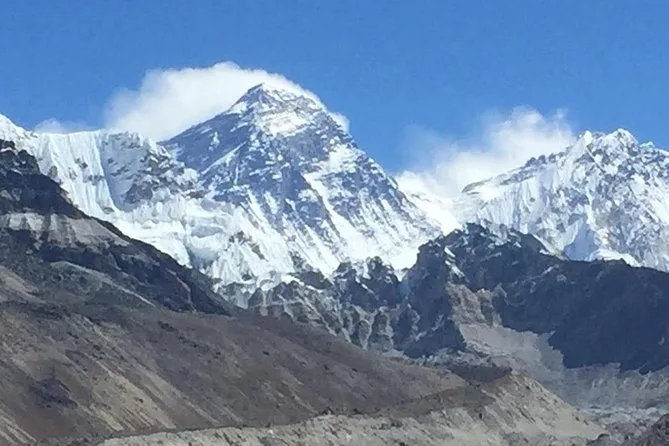
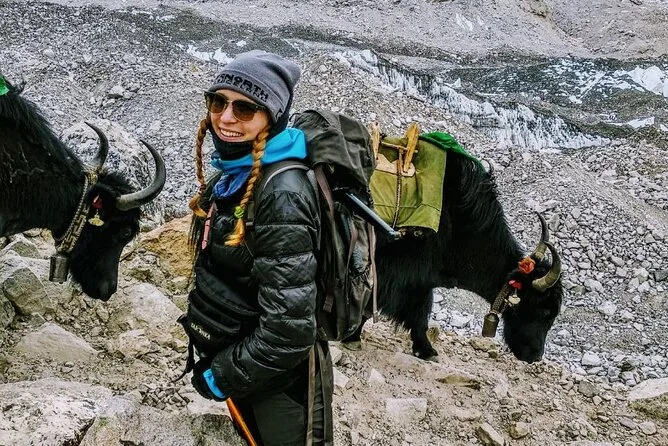
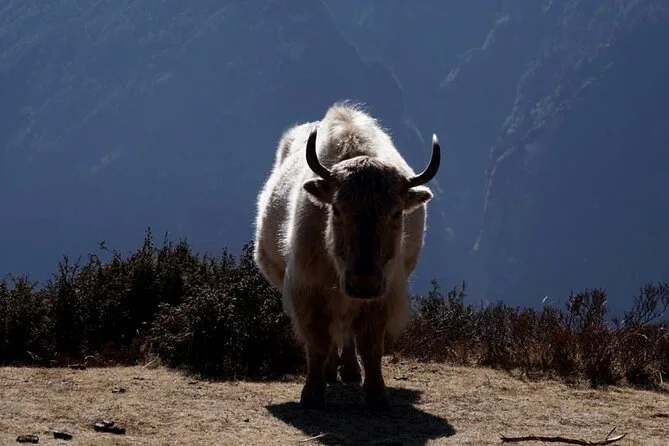
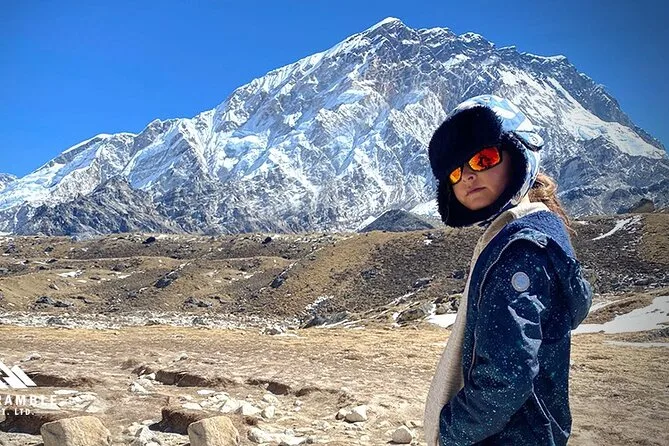
I’d always wondered what it would feel like to actually stand in the shadow of Everest, but nothing really prepared me for that first morning in Lukla. The air smelled like pine needles and woodsmoke — sharp, cold, a little sweet. Our guide Mingma met us at the tiny airport, grinning as if he knew a secret. He handed me a cup of tea so hot I nearly dropped it. “You’ll need this,” he said. I remember thinking: how do people live up here? But then you start walking, and the rhythm settles in — boots crunching on stone, yaks shuffling past with bells jangling, everyone saying “namaste” as you pass. It’s not just scenery; it’s this whole living world.
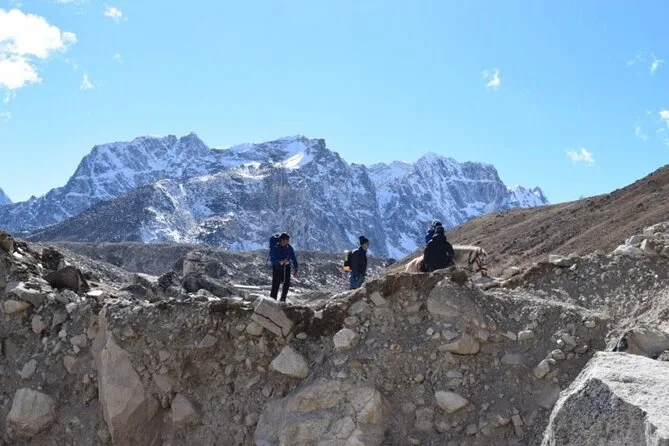
The trek to Everest Base Camp is long (twelve days feels both fast and endless), but somehow every part sticks with me. There was this one afternoon above Namche Bazaar — clouds rolling over the ridge, prayer flags snapping in the wind — when we stopped for lunch and I tried my first bowl of Sherpa stew. It tasted earthy and spicy and kind of comforting after hours on my feet. Mingma told stories about growing up in Pangboche; he laughed when I tried to pronounce it right (I didn’t). Sometimes you walk for hours without saying much, just listening to the wind or your own breath. Other times you’re swapping snacks or sharing ginger tea with trekkers from all over.
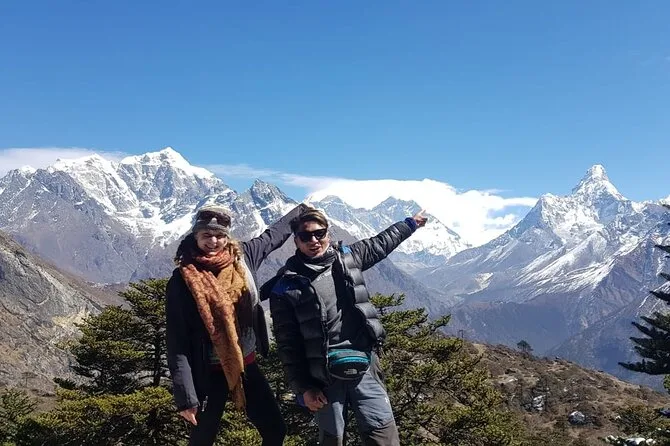
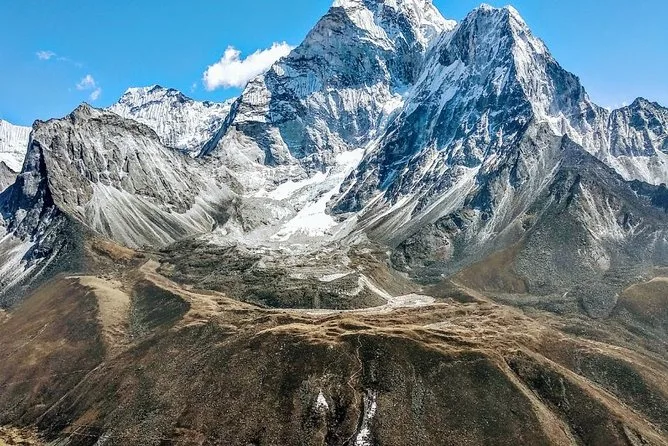
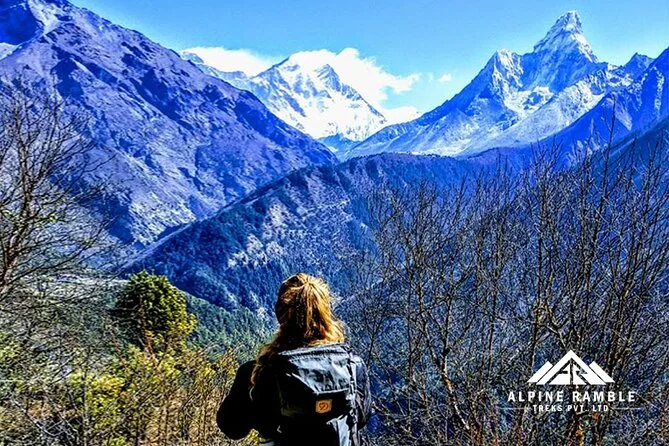
I won’t pretend it’s easy. Some days you wake up before sunrise with your sleeping bag stuck to your socks and wonder why you signed up for this madness — especially when your water bottle freezes overnight or the altitude makes your head feel like a balloon. But then you look out at those mountains (Ama Dablam at dawn is something else) and suddenly it all makes sense again. Our group got used to early breakfasts in chilly lodges, stretching out sore legs before setting off. At night, someone would always ask Mingma what tomorrow would be like; he’d just smile and say “more beautiful views.” He wasn’t wrong.
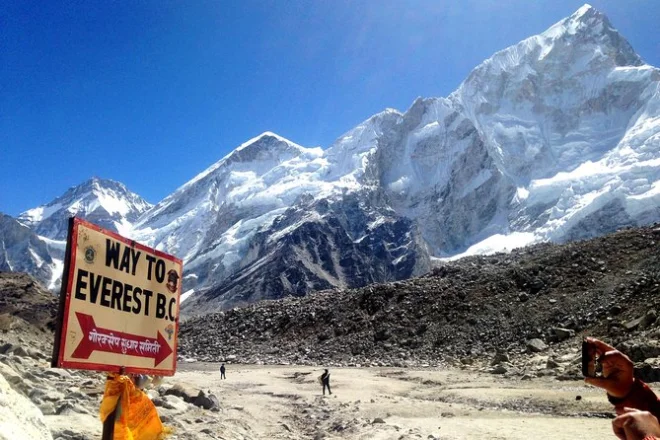
When we finally reached base camp itself — after Gorakshep and that last rocky stretch — there wasn’t any big ceremony or anything dramatic. Just a bunch of us standing quietly among colorful tents and ice towers, grinning at each other because we’d made it. Someone handed around chocolate; I still think about that taste mixed with cold air and relief. The walk back felt different somehow — lighter maybe? Or maybe I was just hungry again.
 14d
14d

Step-by-step itinerary
Day 1 — Arrival and introduction in Kathmandu
- Arrive in Kathmandu
- Transfer to hotel
- Meet trekking guide
- Discuss trek details
Day 2 — Fly to Lukla and trek to Phakding
- Fly to Lukla
- Trek to Phakding
Day 3 — Trek from Phakding to Namche Bazaar
- Trek to Namche Bazaar
Day 4 — Trek from Namche to Pangboche
- Trek to Pangboche
Day 5 — Trek from Pangboche to Labuche
- Trek to Labuche
Day 6 — Trek to Gorakshep and base camp
- Trek to Gorakshep
- Visit Everest Base Camp
- Return to Gorakshep
Day 7 — Return trek from Pangboche to Namche
- Trek back to Namche Bazaar
Day 8 — Trek from Namche Bazaar to Lukla
- Trek to Lukla
Day 9 — Fly back to Kathmandu
- Fly to Kathmandu
- Transfer to hotel

Top questions

How difficult is the Everest Base Camp trek?
The trek is considered moderate; most days involve 3–5 hours of hiking at altitude but no technical climbing skills are needed.
Are meals included during the trek?
Yes, breakfast, lunch, and dinner are included throughout the trekking days at local lodges along the route.
Is there hotel pickup in Kathmandu?
Private transportation includes airport pickup on arrival in Kathmandu before starting the trek.
Do I need special equipment for Everest Base Camp?
No technical gear is required; down jackets and sleeping bags can be provided if needed by the company.
What kind of accommodation should I expect?
You’ll stay in basic trekking lodges (tea houses) along the route; rooms are clean but simple with shared bathrooms at higher altitudes.
Are domestic flights between Kathmandu & Lukla included?
Yes, round-trip flights between Kathmandu (or Manthali) and Lukla are included in your booking.
Can vegetarians find suitable food on this trek?
Yes, vegetarian options like dal bhat, vegetable soups, noodles, rice dishes, and bread are widely available at lodges.
Is water safe to drink during the trek?
You’ll get water purification tablets so you can safely drink tap or boiled water along the way.
What is a typical day like on this trip?
You’ll wake early for tea and breakfast before trekking 2–3 hours to lunch; afternoons include more hiking before dinner at a lodge with team briefings each night.

What’s included
Your journey covers private transportation from Kathmandu airport to hotel on arrival day, all domestic flights between Kathmandu (or Manthali) & Lukla round-trip, an experienced English-speaking local guide throughout the 12-day Everest Base Camp trek plus porters for luggage sharing duties. All meals—breakfasts, lunches, dinners—are provided daily at trekking lodges along with water purification tablets for safe drinking water on trail days. Entry fees for Everest region permits are covered too; accommodation is arranged in clean mountain lodges (twin-share), while hotels in Kathmandu can be upgraded by request before or after your hike.
 Super deal
  Free booking, free cancellation.
  Don't lose your place.


 Do you need help planning your next activity?
  +507 6792-0894


