


Nairobi: Historical Walking Tour & CBD Landmarks
Walk Nairobi's Streets and Stand Where the City Began
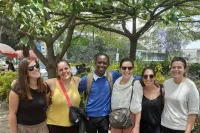
You walk Nairobi's Central Business District with an art historian guide, stopping at Jeevanjee Park, the Jamia Mosque, colonial-era markets, and the Kenyatta Convention Centre rooftop for 360-degree city views. The tour covers the landmarks that shaped modern Kenya and the daily life of the people who move through these streets. You get entry to the rooftop and a guide who reads the city's history into its architecture and streets.
Options for this experience
2 optionsStep-by-step itinerary
Explore Nairobi's culture and landmarks
- Visit Abdulahi Jeevanjee public property
- Pass by Jamia Mosque on Banda Street
- Tour cultural building with souvenirs
- View Nairobi from Kenyatta International Centre rooftop
- Jamia Mosque passing by
- Kenyatta International Convention Centre 2h
What’s included
Your day includes a professional art historian guide leading you through Nairobi's Central Business District, entry to the Kenyatta Convention Centre rooftop with 360-degree city views, stops at Jeevanjee Park, the Jamia Mosque, and colonial-era markets. Public transport is accessible nearby throughout the route.
Times
- Every day 09:00 14:00
Before you book
Operated by Safari Port
Prices and times updated yesterday
Need assistance?Message us on WhatsApp or by emailTraveler reviews
The experience
You're in Nairobi's Central Business District the moment the walking tour starts, and the first thing your guide does is point out Jeevanjee Park: the only private property ever donated to the public in the city. It sits there on Banda Street, a patch of green where office workers eat lunch and the city pauses for an hour. That detail matters because it tells you something about how Nairobi works, how people move through it, what they value. Your guide is an art historian, so they're not just walking you past buildings. They're reading the city like a text.
The Jamia Mosque comes next, and it's impossible to miss: a white structure built between 1925 and 1933 that anchors the whole district. Founded in 1902, it's been the center of Islamic practice across East and Central Africa for over a century, and standing in front of it you can feel the weight of that history. The guide explains the architecture, the role it played before and after Kenya's independence, why it matters to the people who live here now. Then you move through the markets: a 1930s building full of masks, paintings, garments, the smell of meat and spices and commerce that hasn't changed much in decades.
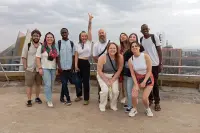
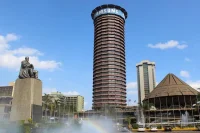
The Kenyatta International Convention Centre is where the tour opens up. You take the lift to the rooftop and suddenly Nairobi spreads out in every direction: 360 degrees of the city, the skyline, the sprawl. The building itself was one of the first constructed after independence, and it's the icon of Nairobi, the thing people recognize. Your guide walks you through what that means: the statue of Kenya's first president, the architecture that was meant to announce something to the world. You're not just looking at a view. You're standing inside a piece of how the country saw itself.
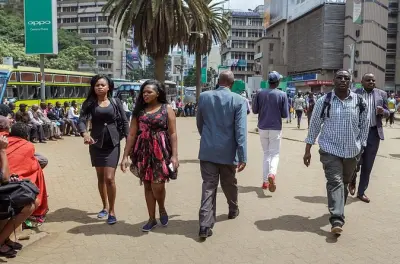
The whole thing takes a few hours on foot through the CBD, moving between these landmarks and the streets that connect them. Public transport is nearby if you need it, and the pace is set for all fitness levels. Bring water and wear shoes that have walked before: Nairobi's streets are real, not curated, and that's what makes them worth seeing.
Is this one for you?This tour is for anyone who wants to understand how Nairobi actually works (its history, its architecture, the daily rhythms of the people who live here) without arranging a guide or navigating the CBD alone. The art historian guide is what makes the difference. They turn streets into stories.
Compare the 11 alternatives




Top questions
Can children come?
Yes. Ticket types: Youth (12 to 17 years); Child (2 to 11 years).
How long is the Nairobi historical walking tour?
The tour is a half-day experience. Exact duration depends on pace and stops, but plan for a few hours walking through the Central Business District.
What is included in the tour?
A professional art historian guide, entry to the Kenyatta Convention Centre rooftop, and access to all landmarks on the route. Public transport is available nearby if needed.
What is Jeevanjee Park and why is it on the tour?
It's the only private property ever donated to the public in Nairobi, located on Banda Street. It's a rest space where office workers eat lunch and marks an important part of the city's social history.
Can I visit the Jamia Mosque rooftop or interior?
The tour includes viewing the Jamia Mosque from outside and learning its history from your guide. It's an active mosque built between 1925 and 1933 and remains a major center of Islamic practice in East Africa.
What is the Kenyatta International Convention Centre?
A monumental building constructed after Kenya's independence. The tour includes rooftop access with 360-degree views of Nairobi and the city's skyline.
Do I need to be fit to do this tour?
The tour is suitable for all fitness levels. It's a walking tour through the CBD, so comfortable shoes and water are recommended.
Is there public transport near the tour route?
Yes, public transportation options are available nearby if you need to rest or adjust your pace.
Nairobi: Historical Walking Tour & CBD Landmarks
2h–5h · EN
from US$ 35 per person
Next, you choose your date and number of travelers and see the final price.