
Nairobi Kibera: Private Walking Tour & Local School Visit


Walk Nairobi’s Kibera meet families join school moments
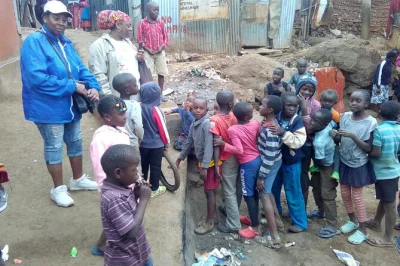
You’ll walk through Kibera with a local guide, meet families in their homes, see how recycled bones become jewelry, visit a school full of laughter and song, and maybe even join a dance or football game. It’s not about poverty—it’s about resilience and pride. This day will probably stay with you long after you leave Nairobi.
 4h
4h

Step-by-step itinerary
Explore Kibera slum and local culture
- Start tour at Old Railway
- Visit local homestead
- See bone recycling process
- Meet orphans at school
- Play football with local team
- Use matatu transportation
- Watch and join traditional dance

The Experience
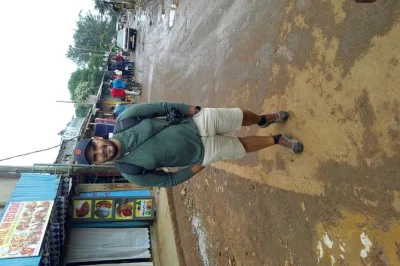
You step off the matatu and it’s like the city changes its voice—Kibera is busy but not in that pushy way. Our guide, David, waved us over by the old railway (he called it “the British line,” which made me laugh). The tracks are rusty and kids run alongside them barefoot, shouting something I couldn’t quite catch. We started there, and honestly, I didn’t know what to expect—maybe I thought it’d be sadder? But there was music from somewhere and the smell of frying chapati in the air. I kept thinking about how much life fits into these narrow lanes.
David took us through winding paths, past stalls selling bright plastic buckets and secondhand shoes. At one point we ducked into a home—corrugated metal walls, low ceiling, cool inside even though outside was baking hot. The woman inside smiled shyly and handed me a cup of chai before David explained how they build these houses from whatever’s around. I tried to say thank you in Swahili (I think I got close), and she laughed softly. Then we watched a group working on bone ornaments—hands moving quick over bits of bone, turning them into beads for bracelets. The room smelled faintly of glue and smoke.
We visited Agape Hope for Kibera—the school for orphans—and that’s where it hit me most. Kids squeezed onto benches, some singing out loud while others just stared at us with big eyes. A teacher asked if we wanted to join their dance; I hesitated but then just did it anyway. My moves were hopeless but everyone clapped along (and yeah, I blushed). There was this moment after when everything went quiet except for distant football shouts outside—I still think about that silence.
I guess what surprised me was how proud everyone seemed—like showing us their world wasn’t about pity at all. It was more like: “This is us.” On the way back, David pointed out the football field where we could’ve joined a match if we’d had time (next time maybe). So yeah, if you’re looking for a private tour in Kibera that actually feels real—not just peeking in from the outside—this is it.

What’s included
Your day includes flexible pickup arrangements in Nairobi (confirm location when booking), bottled water throughout your walk in Kibera, entry to local homes and workshops along with time at Agape Hope for Kibera school—plus opportunities to watch or join traditional dances before heading back.
Operated by Kibera the LARGEST Slum Tour
Traveler reviews
Compare the 8 similar options
 Nairobi Kibera: Private Walking Tour & Local School Visit★ 4.97 (119)4hENUS$ 15
 Kibera Slum Tour Nairobi: Meet the Community with LucasGuided tour of Kibera slum in Nairobi with local guide Lucas—walk Toi Market, visit a home★ 4.95 (231)3h–4hENUS$ 35View ›
 Kibera Slum Tour with Kevin: Meet the CommunityWalk through Kibera with Kevin, a lifelong resident who rescued street children and runs an orphanage school—the guide is local, pickup is included★ 4.91 (273)4hENUS$ 70View ›
 Nairobi Kibera: Social Impact Walk with Non-Profit LeaderStep into Nairobi’s Kibera for a guided walk with a non-profit leader, meet local residents, hear real stories, and see community projects—includes guide.★ 4.72 (114)3h–4hENUS$ 30View ›
 Kibera Walking Tour: Street Art, Local Food & Culture ExchangeExplore Kibera with local guides—meet residents, taste Kenyan food, see vibrant street art, and share stories. Includes coffee, tea, and bottled water.★ 5.00 (16)3h–4hEN · FRUS$ 41View ›
 Kibera Slum Tour with Guide: Markets & Aerial ViewsFull-day guided tour of Kibera with private transportation, hotel pickup and volunteer time at a community center -- walk the market★ 4.90 (21)4h–6hENUS$ 65View ›
 Kibera market tour Nairobi: walk with local guidesKibera market tour in Nairobi with local guides. Two hours walking through the informal settlement, Maasai Market, and NGO projects. Pay as you go.★ 4.84 (32)2h–3hENUS$ 25View ›
 Kibera Guided Walking Tour from Nairobi: Meet Mama TunzaWalk through Kibera with a guide born there, visiting an orphanage run by Mama Tunza, a bead factory where bones become jewelry, and a typical house★ 4.67 (12)6hENUS$ 64View ›
Top questions
Is hotel pickup included in this Kibera tour?
The pickup point is flexible for both parties; confirm details when booking.
Can children join the private tour in Kibera?
Yes, children aged 5 years and up can join; infants are not allowed.
Is the tour wheelchair accessible?
Yes, all areas and transportation options are wheelchair accessible.
What activities are part of this day trip to Kibera?
You’ll visit homes, see bone recycling workshops, meet schoolchildren, watch or join traditional dances, ride a matatu, and more.
Is bottled water provided during the tour?
Yes, bottled water is included for each guest.
Nairobi Kibera: Private Walking Tour & Local School Visit
4h · EN · at your hotel
from US$ 15 per person
★★★★★★★★★★4.97119 reviews
