
Tokyo Imperial Palace Walk & Nihonbashi Food Tour

Nihonbashi Traditions & Imperial Gardens with Local Guide
Step into Tokyo’s Imperial Palace gardens with a local guide and wander through centuries-old Nihonbashi shops. Taste freshly made dashi soup stock, watch nori roasting, try your hand at washi papermaking, and finish with sake tasting — moments you’ll remember long after leaving Tokyo.
 4h
4h

Step-by-step itinerary
Imperial Palace and Nihonbashi Tour
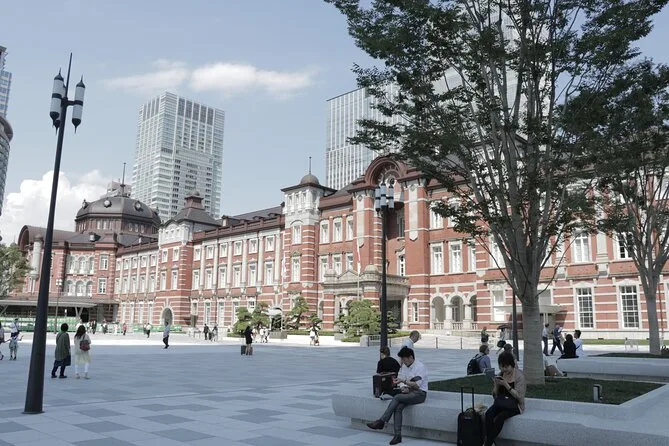
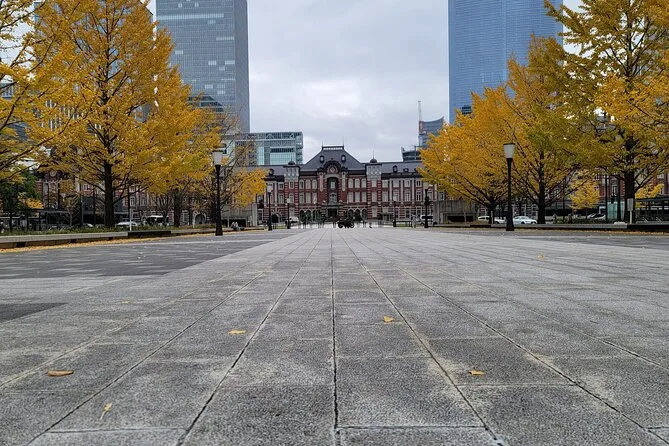
- Walk ginkgo avenue to Imperial Palace grounds
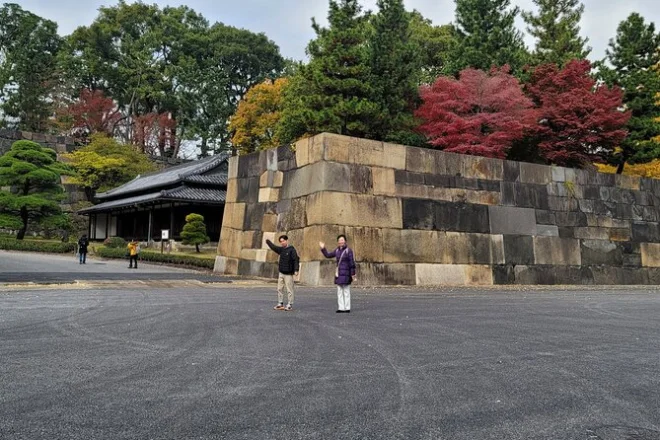
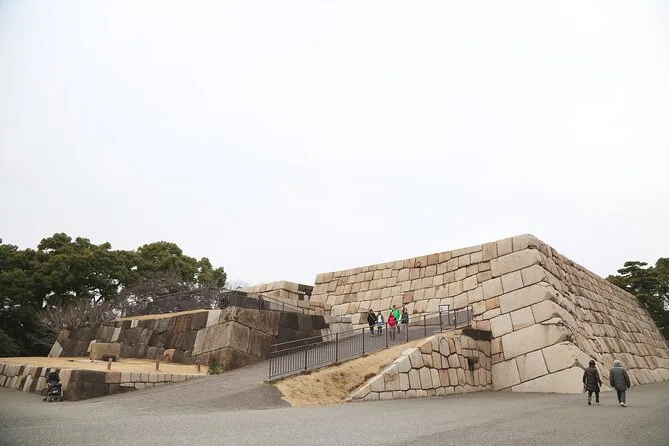
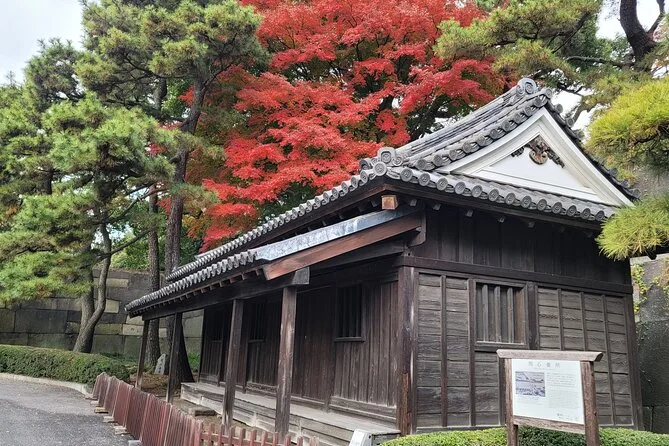
- Explore Imperial Palace East Gardens and castle ruins
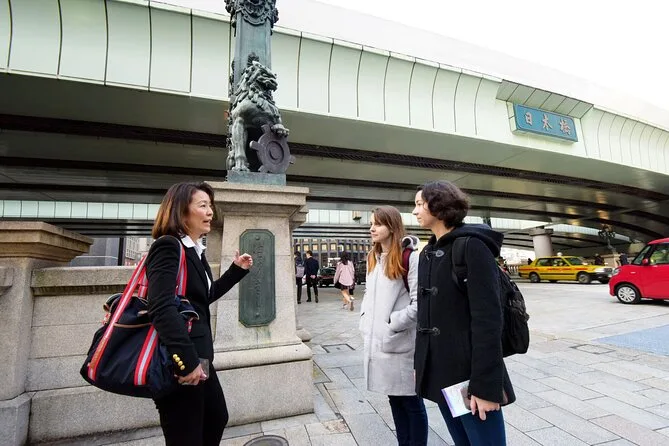
- Stroll Nihonbashi commercial district
- Visit Ninben dashi soup stock store
- See nori seaweed roasting at Yamamoto Nori
- Explore Kiya Japanese knife store
- Make washi paper at Ozu Washu store
- Sake tasting at Toyama-kan prefectural store

The Experience
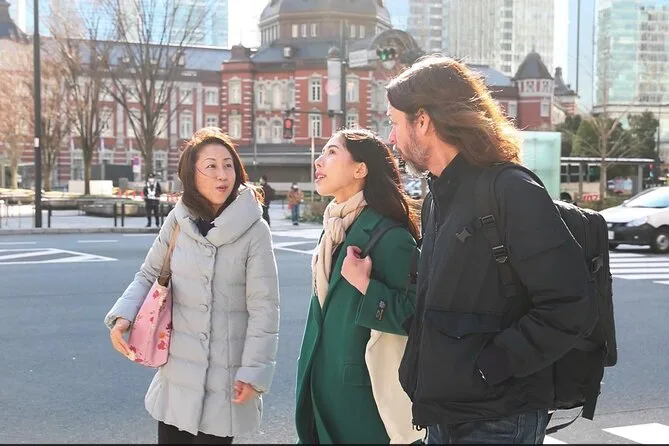
I was still blinking away the city noise when we stepped under those old ginkgo trees near the Imperial Palace. Our guide, Yuki, had this way of pausing to let us catch up — not just our feet, but our heads too. The moat looked almost black in the morning light, and there were these crows calling from somewhere behind the pines. I’d seen photos of Nijubashi bridge before, but standing there with the stone so close you could see moss in the cracks… it felt heavier somehow. We couldn’t go inside the palace (that’s for emperors only), but Yuki told stories about shoguns and samurai that made it feel like something was still echoing around those walls.
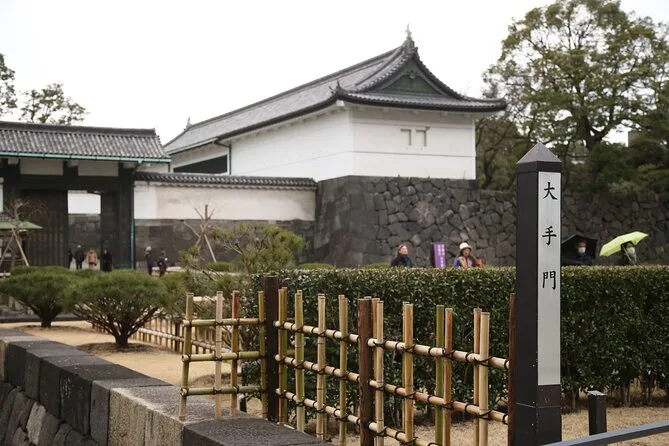
Walking through Otemon Gate into the East Gardens, I kept thinking about how many people must’ve crossed here — some probably nervous, some just bored guards on a shift. The camellias were out, bright against all that grey stone. I tried to imagine what Edo Castle looked like before most of it disappeared; Yuki pointed out where foundations still poke up between the grass. There was this one spot where you could hear water trickling somewhere out of sight — kind of peaceful, even with a few tour groups drifting by.
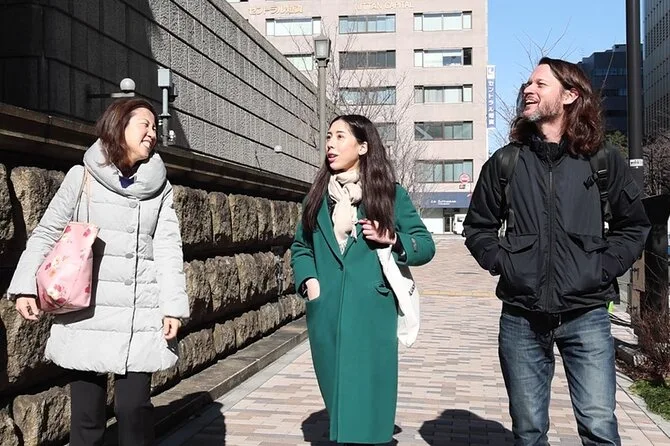
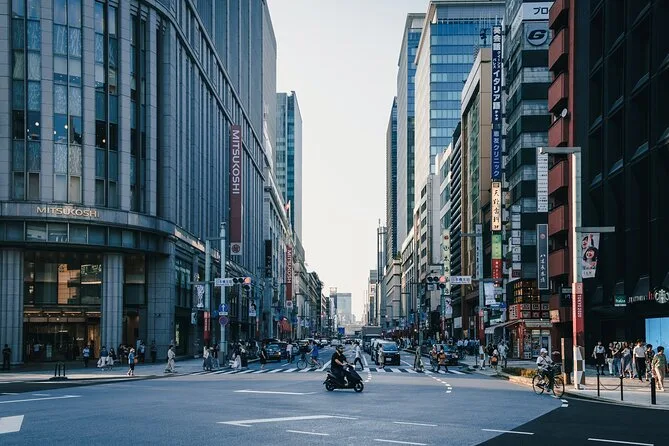
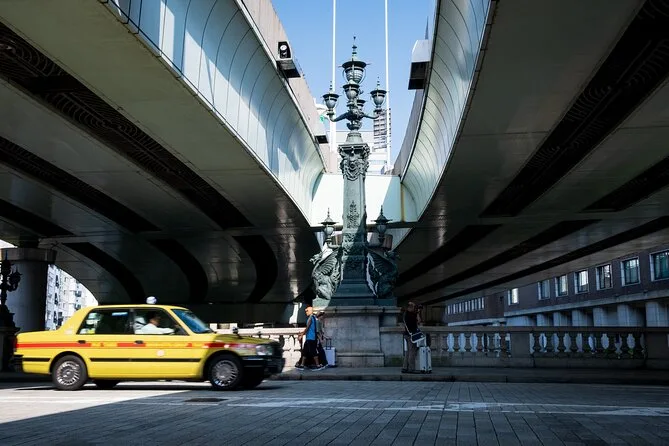
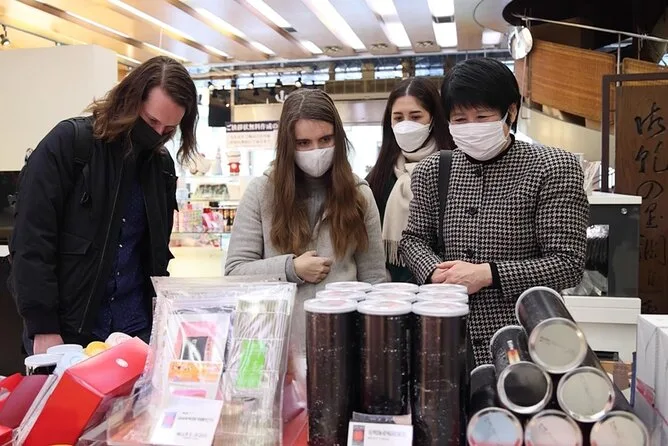
We left the palace grounds behind and headed for Nihonbashi. It’s busy in a different way than Shibuya or Ginza — more suits than tourists, and little shops tucked under office towers. At Ninben, they handed us tiny cups of dashi soup stock that smelled like sea air and old wood; I burned my tongue because I got impatient (worth it). The guy at Yamamoto Nori roasted seaweed right in front of us — he grinned when I tried to say “arigatou” with my mouth full. There’s something about watching people do their craft for real that makes you want to slow down.
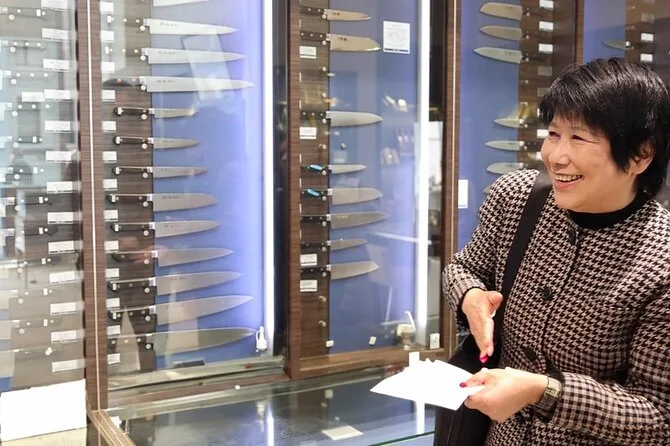
Kiya knife shop was next — hundreds of blades lined up behind glass, each one looking sharp enough to cut through time itself (I didn’t touch anything). Then Ozu Washi paper store: we made our own sheet of washi paper, hands wet and clumsy, fibers sticking everywhere. It’s thicker than Western paper and feels almost alive when you hold it up to the light. Last stop was Toyama-kan for sake tasting; I’m not much of a drinker but even I could tell one sample from another — sweet rice smell, then something sharp at the end. We laughed a lot by then; maybe it was the sake or just being together after all that walking.

What’s included
- Your day includes entry into the East Gardens of Tokyo’s Imperial Palace with a nationally accredited guide-interpreter leading each step.
- tastings of freshly prepared dashi soup stock and Japanese sake.
- hands-on experiences like making your own sheet of washi paper.
- plus time exploring historic shops throughout Nihonbashi before heading back into modern Tokyo life.
Operated by True Japan Tour
Traveler reviews
Compare the 13 similar options
 Tokyo Imperial Palace Walk & Nihonbashi Food Tour★ 4.50 (38)4hENJP¥ 15,400
 Tokyo & Mt. Fuji Private Tour: Custom Itinerary, Pickup & DriverFeel Tokyo’s pulse from Shibuya Crossing to Senso-ji Temple, with a private English-speaking driver, hotel pickup, and flexible stops—even Tsukiji Market snacks.★ 4.96 (329)9hEN · RU +1JP¥ 53,371per groupView ›
 Tokyo Imperial Palace & Edo Castle Ruins Walking TourTour Tokyo Imperial Palace East Gardens and Edo Castle ruins with an English-speaking guide. See samurai history, stone gates, and Ninomaru Garden. Wheelchair accessible.★ 4.95 (3,147)2hENJP¥ 2,000View ›
 Tokyo: Edo Castle & Imperial Palace Samurai Walking TourEdo Castle secrets, samurai history & Imperial Palace gardens in small groups under 10. Expert guide, 2,600-year imperial legacy, English-only tour from Tokyo Station.★ 4.95 (1,812)2hENJP¥ 2,000View ›
 Tokyo Shibuya Crossing & Hachiko: Private Walking TourShibuya walking tour with local guide: Hachiko Statue, Scramble Crossing, Shibuya Center Gai, matcha break, JUMP SHOP. Guide takes and shares photos.2h 30mENJP¥ 9,921View ›
 Tokyo Go Kart Tour Akihabara: Costume Driving & Shibuya CrossingDrive a go kart through Tokyo's streets in anime costume. Includes Akihabara, Shibuya Crossing, Tokyo Station, professional guide. International driving permit required.★ 5.00 (55)1h 40m–2hENJP¥ 9,500View ›
 Tokyo Private City Tour by Car: Tsukiji, Shibuya & SkytreeFeel the pulse of Tokyo on a private city tour by car. Wander Tsukiji Market, cross Shibuya, see Skytree views. Includes hotel pickup and English guide.★ 4.97 (76)8h–9hEN · PA +1JP¥ 55,000per groupView ›
 Tokyo Go-Kart: Shibuya, Roppongi & Tokyo Tower DriveFeel the rush of Tokyo in a go-kart, crossing Shibuya, zipping past Tokyo Tower & Roppongi. IDP required. Includes all fees. Book your spot for an urban adventure.★ 4.93 (128)2h 30m–3hENJP¥ 26,000View ›
 Tokyo: Private Walking Tour Senso-ji, Shibuya & HarajukuLet a Tokyo local customize your private walking tour—Senso-ji, Shibuya Crossing, Harajuku pop culture. Includes hotel pickup and flexible start times.★ 4.99 (99)2h–8hEN · ESJP¥ 7,064View ›
 Tokyo Imperial Palace: 2-Hour Walking Tour & Nijubashi Bridge2-hour guided walking tour of Tokyo Imperial Palace with local expert. Small groups, Nijubashi Bridge, East Gardens, samurai history included.2hEN · ZHJP¥ 7,833View ›
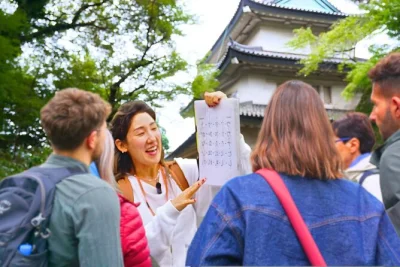 Tokyo Imperial Palace & Gardens Walking Tour StoriesFeel the quiet power of Tokyo’s Imperial Palace grounds, stroll hidden gardens, hear samurai tales from a local guide. Small group walking tour with no dress code.★ 4.94 (443)2hENJP¥ 6,000View ›
 Tokyo: Private City Tour with Vehicle & Custom ItineraryFeel the pulse of Tokyo with a private vehicle, licensed guide, and your pick of city highlights—includes pickup and flexible stops for up to 15 people.★ 4.91 (164)6hEN · JAJP¥ 49,450View ›
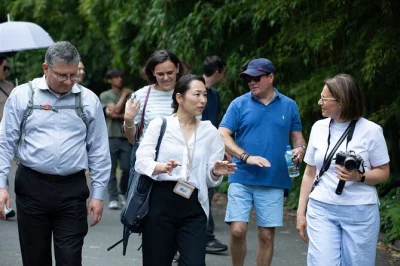 Tokyo Imperial Palace & Edo Castle: East Garden Walking TourTour the Imperial Palace East Gardens and Edo Castle ruins in Tokyo with an English-speaking guide. Includes Ninomaru Garden, historic gates, and seasonal flowers. 2–3 hours.★ 4.90 (713)2h 30mENJP¥ 3,924View ›
Top questions
Can you enter Tokyo’s Imperial Palace on this tour?
No, visitors are not allowed inside the Imperial Palace itself; the tour explores the East Gardens and outer grounds.
Is lunch included on this day trip?
No full lunch is included, but you will sample dashi soup stock and sake during stops in Nihonbashi.
How long does it take to walk from the Imperial Palace to Nihonbashi?
The walk from the palace grounds to Nihonbashi is short; both are located centrally in Tokyo.
What can you see at Nihonbashi?
You’ll visit historic shops including a dashi store, nori producer, knife shop, washi paper store, and enjoy sake tasting at Toyama-kan.
Is this tour suitable for children or seniors?
The tour is suitable for all fitness levels; infants must sit on an adult’s lap during any transport segments.
Are there English-speaking guides?
Yes, your guide is nationally accredited and can interpret in English.
Does this tour include entry fees?
Yes, entrance into The East Gardens of the Imperial Palace is included.
Will there be opportunities to buy souvenirs?
Yes, several stops are at traditional shops where purchases are possible if you wish.
Tokyo Imperial Palace Walk & Nihonbashi Food Tour
4h · EN
from JP¥ 15,400 per person
★★★★★★★★★★4.5038 reviews
