
Shima Onsen Walking Tour with Local Guide & Sweets
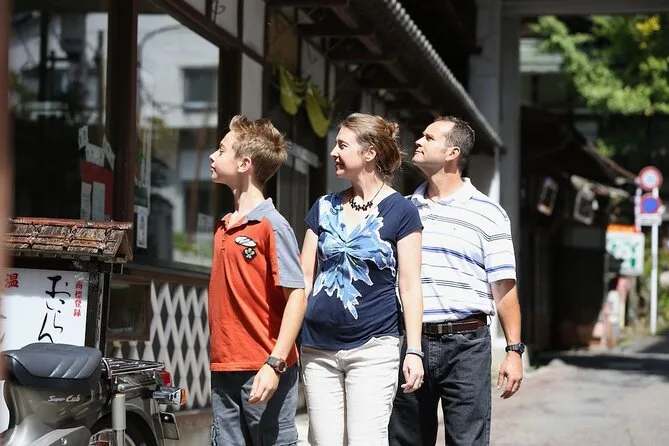
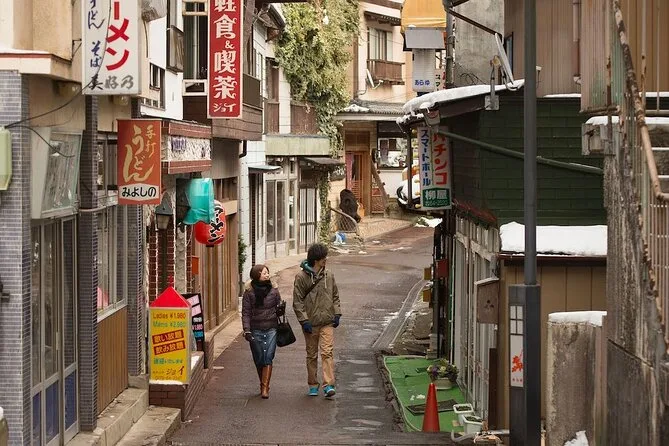

Showa-Era Hot Spring Town Stroll & Cafe Experience
Stroll Shima Onsen’s retro streets with a longtime local guide, explore historic inns linked to “Spirited Away,” and sample fresh hot spring sweets at cozy cafes. Connect with residents and soak up Showa-era charm while learning about traditional hot spring culture—this tour feels like stepping back in time.
 3h
3h

Step-by-step itinerary
Explore Shima Onsen Hot Spring Town
- Visit oldest inn, inspiration for Spirited Away
- Walk retro hot spring town and old road, learn culture
- Enjoy local sweets at Kashiwaya Cafe

The Experience
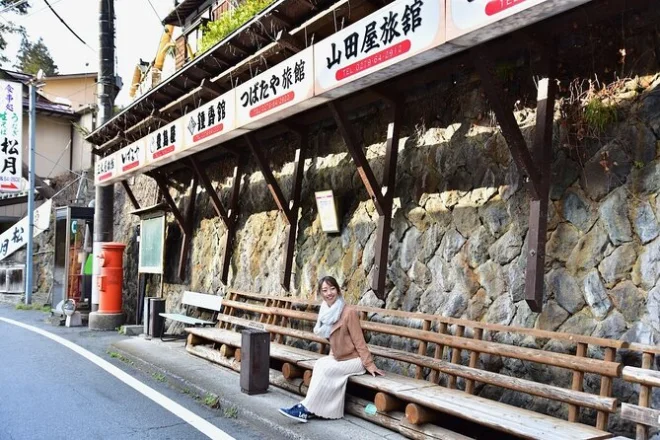
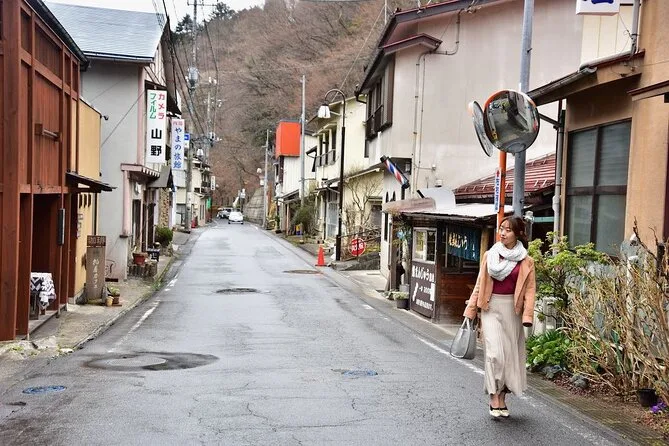
Steam curled up from the narrow gutters as we wandered through Shima Onsen’s main street—there’s this soft hum from the water, and every so often you catch a whiff of minerals in the air. Our guide, who seemed to know everyone by name, pointed out faded shop signs and explained how the town still manages its hot spring sources just like decades ago. I noticed old bicycles leaning against wooden storefronts, and a couple of locals chatting outside a tofu shop, waving as we passed.
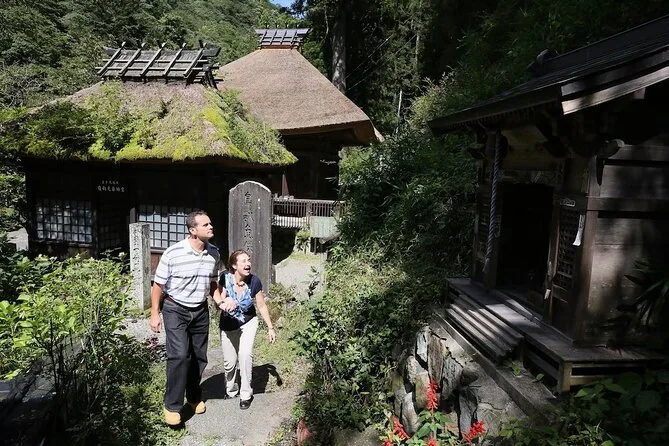
We ducked into an inn that’s said to be one of Japan’s oldest—and honestly, it felt like stepping onto a movie set. The creak of the floorboards and the way light filtered through paper screens made it easy to picture scenes from “Spirited Away.” Our guide shared stories about famous guests and little traditions that have stuck around since the Showa era. The pace was relaxed; nobody rushed us along, so we could really take in all those small details—like the moss growing between stones on the old road.
Later, we stopped at Kashiwaya Cafe for sweets. The hot spring steamed buns were warm and pillowy, with just a hint of sweetness that lingered after each bite. I tried a Western-style cake too—surprisingly light, with local fruit inside. Sitting there with my hands wrapped around a cup of tea, watching people drift by in yukata robes, I felt like I’d found a slower rhythm for the afternoon.

What’s included
- Your experience comes with guidance from someone who’s lived in Shima Onsen for over forty years, plus tastings of local sweets at two different shops or cafes—think fresh steamed buns or delicate Japanese cakes.
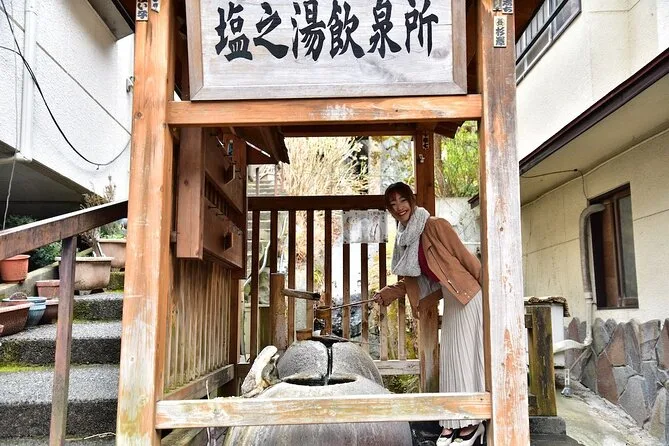
- All stops are within easy walking distance, and you’ll have plenty of chances to chat with locals along the way or ask questions about hot spring culture.
- Public transport options are nearby if you need them, so getting here is simple too.
Operated by Shima Spa Guide with Pro
Traveler reviews

Top questions
How long is the walking tour in Shima Onsen?
The walk covers about 1.8 miles (roughly 3 kilometers) at an easy pace, including stops at historic sites and cafes. Most people find it comfortable even if they’re not regular walkers.
Are there any food tastings included on this tour?
Yes, you’ll get to try popular local sweets such as hot spring steamed buns and cakes at two different shops or cafes during your visit.
Is this tour suitable for travelers with limited mobility?
The route is mostly flat but includes some uneven stone paths and older buildings without ramps. It may not be ideal for those with significant mobility challenges.
Can I join this tour if I don’t speak Japanese?
The guide is experienced with international visitors and can communicate basic information in English. You’ll be able to enjoy the main highlights even if you don’t speak Japanese.
Shima Onsen Walking Tour with Local Guide & Sweets
3h · EN · JA
from JP¥ 4,500 per person
★★★★★★★★★★5.009 reviews
