


Kyoto: Kimono Tea Ceremony & Calligraphy at Nishiki


Summary
Wear a kimono taste matcha learn tea ritual in Kyoto’s Nishiki
You’ll slip into a real kimono with help from friendly locals before stepping into a peaceful Kyoto tea room for a hands-on matcha ceremony. Taste seasonal wagashi sweets from a century-old shop and try your hand at Japanese calligraphy if you like. With small groups and gentle guidance, you’ll feel both welcome and genuinely part of this slow ritual.

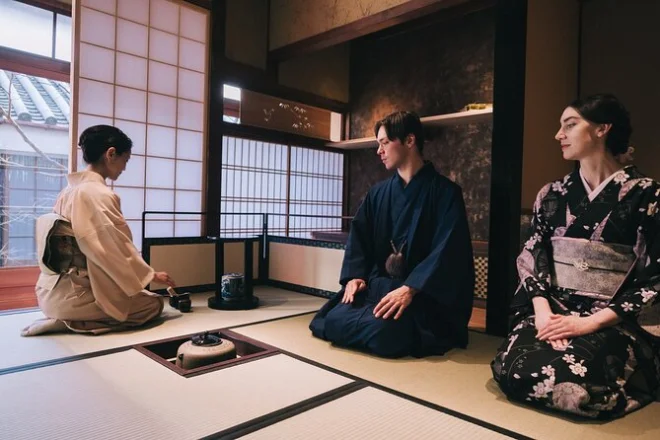
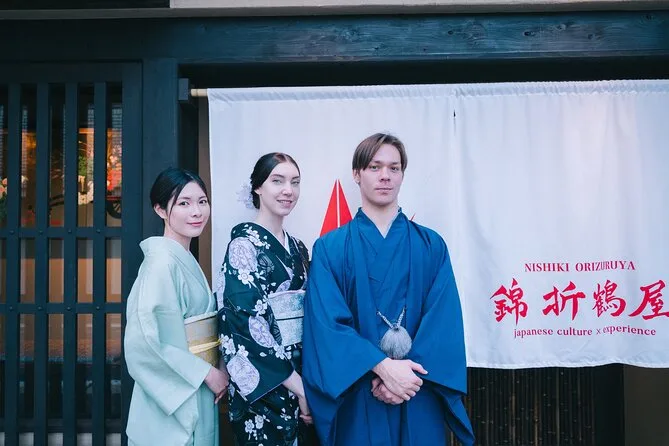
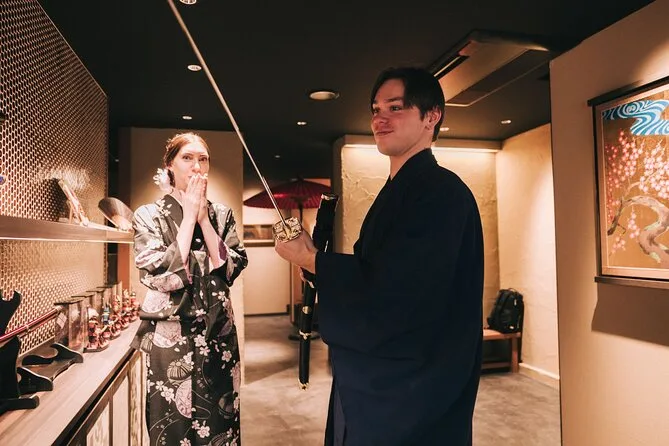
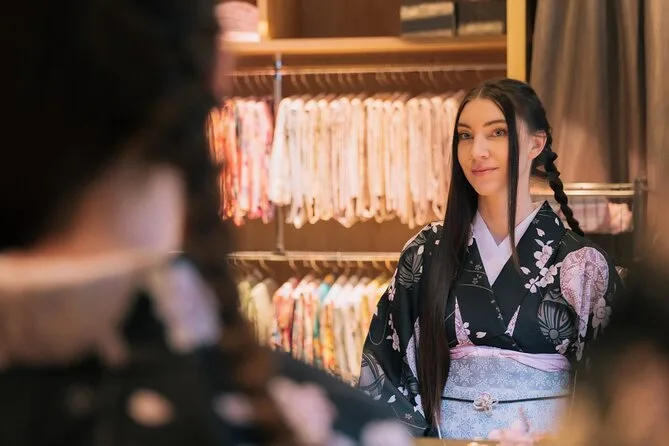
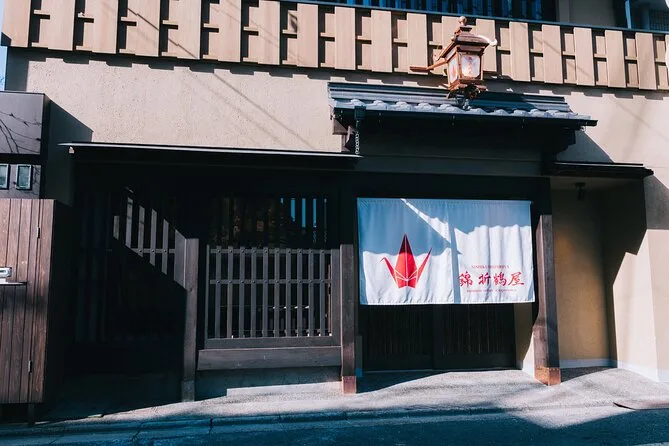
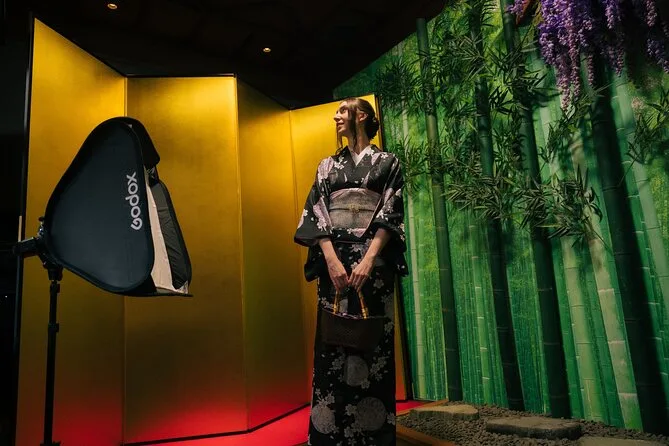
I’d barely figured out how to tie the first layer of my kimono when Yuki-san laughed gently and fixed it for me — turns out there’s a knack to it (and I definitely don’t have it). The room at Oritzuruya felt hushed but not stiff, with soft tatami underfoot and that faint scent of roasted green tea hanging in the air. We’d just stepped off the busy Nishiki street, and suddenly everything slowed down. My hair was pinned up by one of the staff, who chatted about her favorite sweets shop like we were old friends. It made me feel less awkward standing there in borrowed silk.
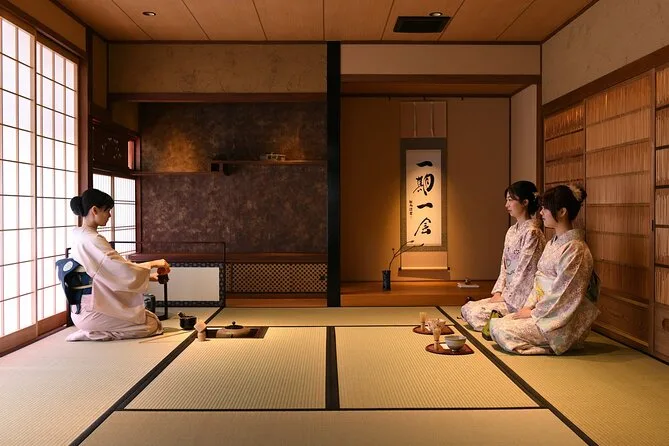
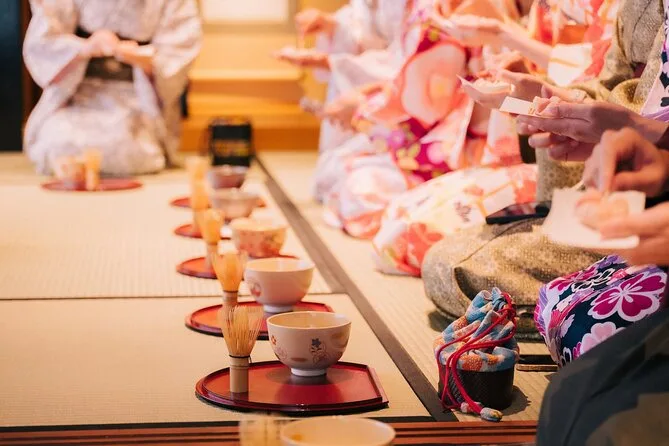
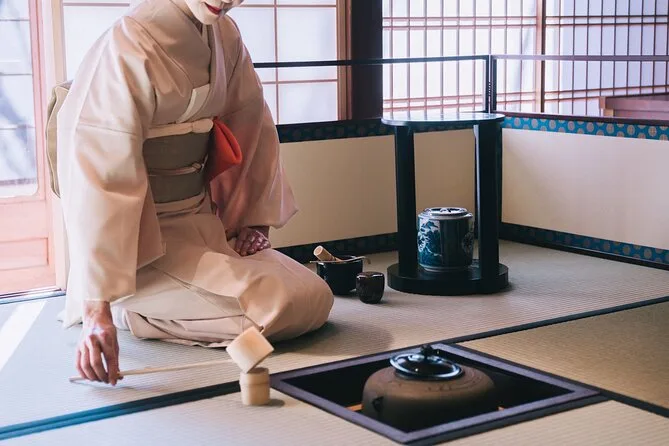
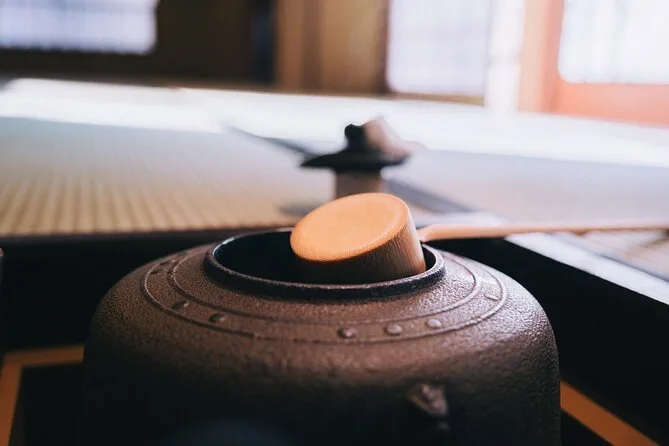
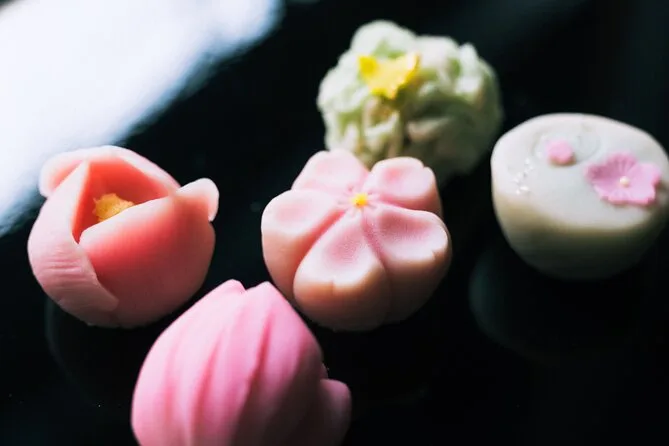
Our guide explained each step of the tea ceremony — not just what to do with the chasen whisk, but why. She moved so quietly I almost missed her gestures. When it was my turn to make matcha, I tried to copy her rhythm but splashed a bit (she smiled anyway). The wagashi sweets came from Koufukudo — 156 years old, she said — and tasted like spring if that makes sense: delicate, not too sweet, almost floral. I still think about that texture when I see mochi now.
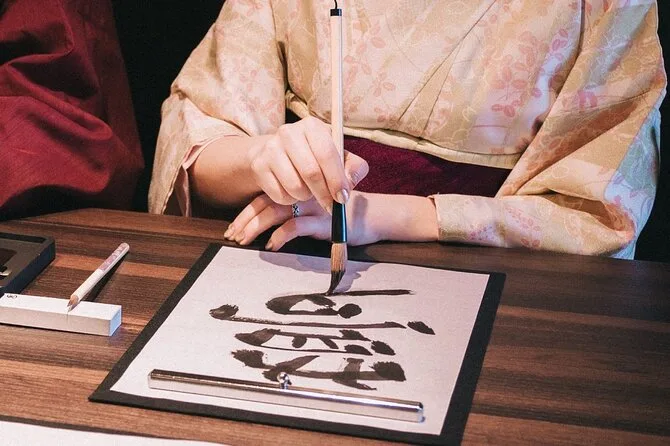
The optional calligraphy lesson surprised me; I thought my brushwork would be hopeless but our teacher just nodded and said “good energy” even though my kanji looked wobbly. There’s something grounding about making something with your hands while everyone else is quietly focused too. We left slowly, still in kimonos, giggling as we tried not to trip on the steps back outside. Kyoto felt different after that — softer somehow.
 1h 30m

Step-by-step itinerary
Day 1 — Kimono dressing and tea ceremony
- Select your favorite kimono
- Receive complimentary hair styling
- Dress in kimono with staff help
- Enter serene tea room
- Learn matcha preparation techniques
- Make your own bowl of matcha
- Enjoy matcha with traditional sweets
- Optional calligraphy session and souvenir

Top questions

How long does the Kyoto kimono tea ceremony last?
The experience typically lasts around 1.5 to 2 hours including dressing and activities.
Is hair styling included with the kimono?
Yes, simple hair styling is included for women when you wear your kimono.
Can I join if I don’t speak Japanese?
Yes, staff and guides are used to helping international guests in English.
Are Japanese sweets included in the tea ceremony?
Yes, you’ll enjoy wagashi sweets from Koufukudo during your matcha tasting.
Is calligraphy part of every session?
The calligraphy lesson is optional; you can choose to add it during your visit.
How many people are in each group?
The group is limited to ten people for a more personal experience.
Where does the experience take place?
It’s held at Oritzuruya near Nishiki Market in central Kyoto.
What should I bring or wear for this tour?
You don’t need special clothes; all kimono items are provided on site.

What’s included
Your day includes choosing your favorite kimono from over 200 designs, complimentary simple hairstyling for women, all tea utensils and ingredients for preparing matcha, entry fees for the ceremony space at Oritzuruya near Nishiki Market, seasonal wagashi sweets from Koufukudo confectionery, an optional Japanese calligraphy lesson with materials provided, plus gentle guidance from licensed local instructors throughout the experience.
 Super deal
  Free booking, free cancellation.
  Don't lose your place.


 Do you need help planning your next activity?


