

 +507 6792-0894


Kiso Valley: Nakasendo Trail Walk with Local Guide & Lunch











Summary
Walk Japan’s old Nakasendo trail between Magome and Tsumago
You’ll walk Japan’s historic Nakasendo Trail from Magome to Tsumago with a local guide, exploring Edo-era villages and mountain scenery along the way. Expect stories of samurai travelers, a traditional Japanese lunch, waterfalls tucked into forest shade, and glimpses of daily life in preserved post towns—moments that linger long after your boots come off.

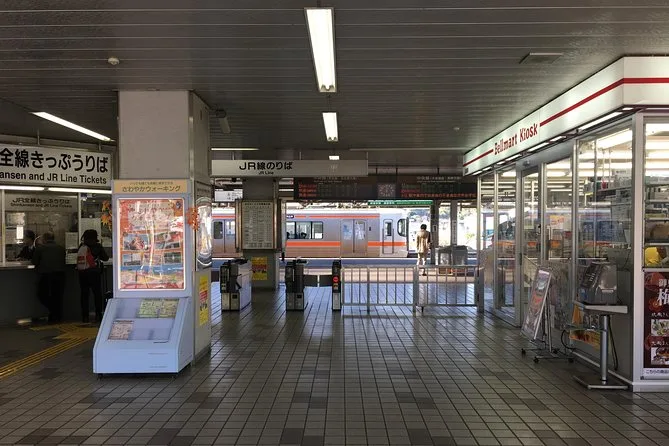
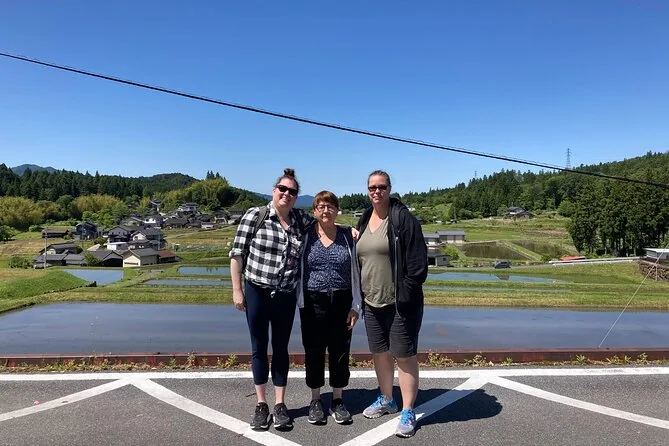
I’ll admit, I signed up for the Kiso Valley hike mostly because I’d seen a photo of those wooden houses in Magome and thought, “I want to walk there.” But standing at Nakatsugawa Station that morning, watching our small group gather around our guide (her name was Aki—she had this gentle way of explaining things), I felt something different. Maybe it was the cool air or just nerves. Either way, by the time we hopped on the bus to Magome-Juku, I was already peeking out the window for my first glimpse of those famous hill houses.
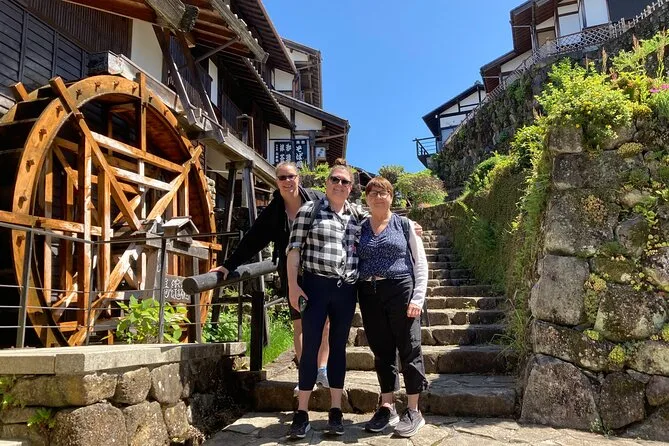
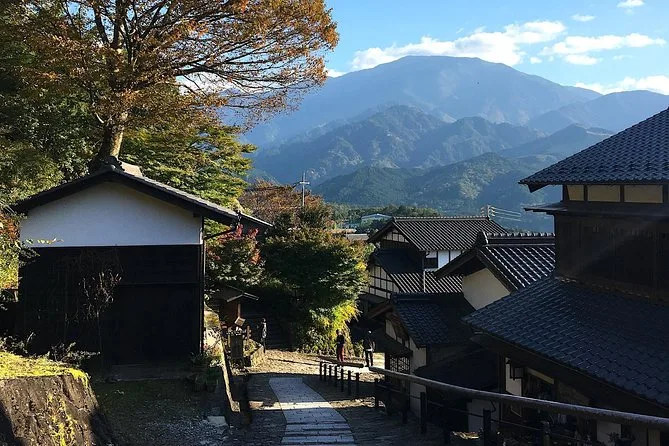
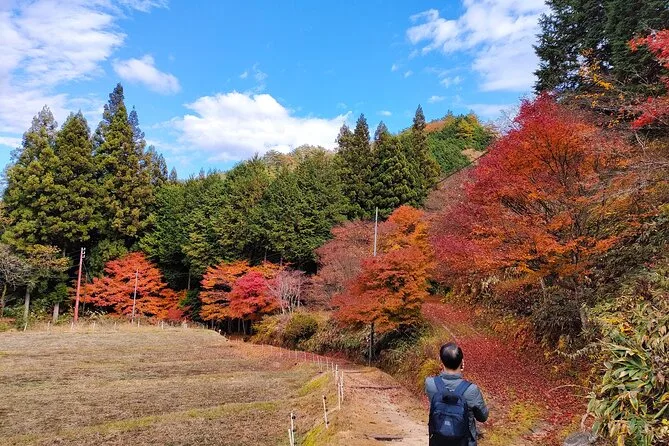
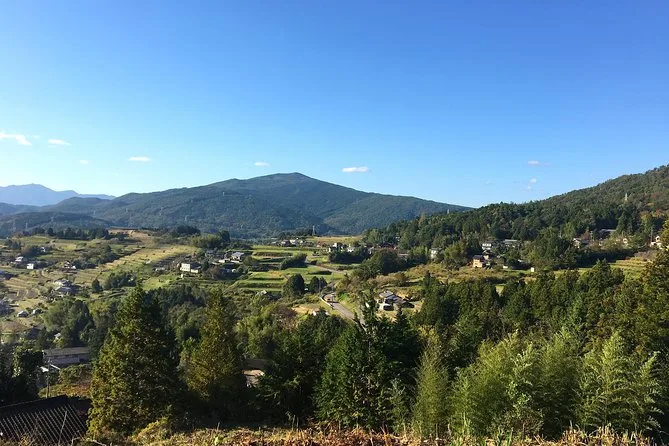
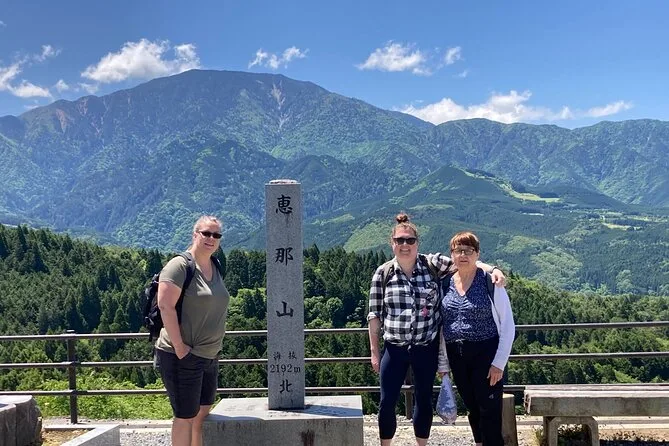
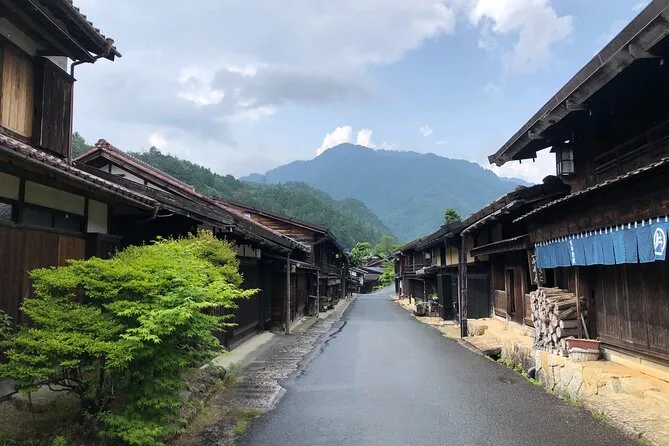
Magome itself is steeper than I expected—my legs noticed right away. The stone walls holding up the inns are impressive, but what really got me was the sound: wooden sandals clacking on old stones, someone sweeping their doorstep, distant birds. Aki pointed out Mt. Ena in the distance and told us stories about samurai passing through here. She laughed when I tried to say “Nakasendo” properly (I’m still not sure I got it). We stopped at an observatory—801 meters up—and honestly, that view is still stuck in my head. There’s something about seeing all those tiled roofs below you that makes you feel like you’ve stepped into a painting.
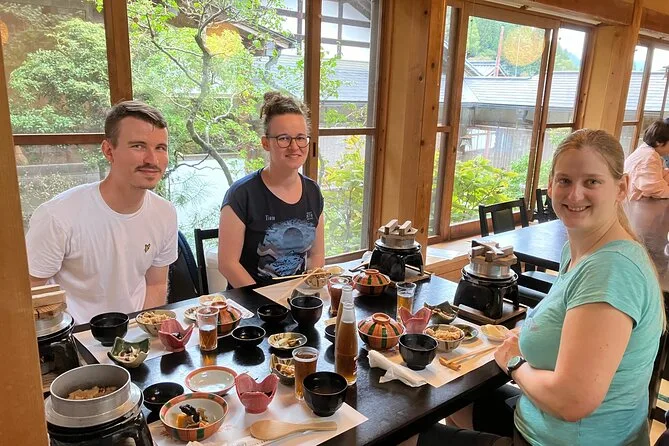
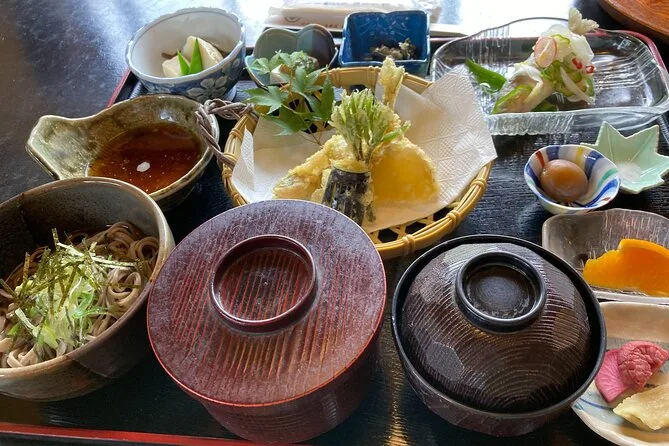
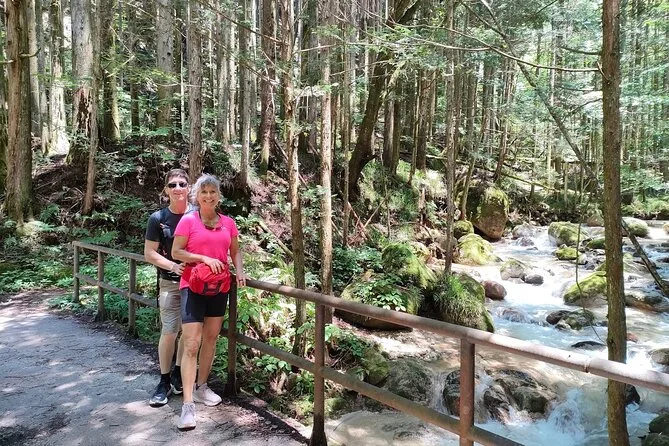
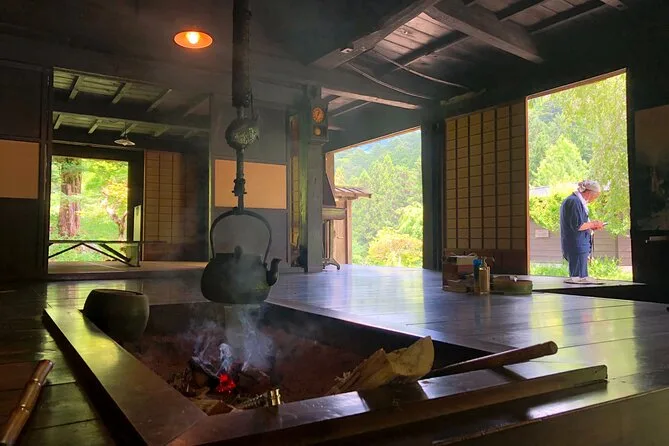
The trail between Magome and Tsumago is quieter than I expected. There’s this part where you pass Odaki and Medaki waterfalls—the air suddenly feels cooler and smells like moss and cedar. Aki told us about Musashi and Otsu from some old novel; I didn’t catch every detail but it made me look at the water differently. Lunch came as a surprise—a simple meal with pickles and rice in a little local spot. The owner bowed so deeply my friend nearly dropped her chopsticks trying to bow back.
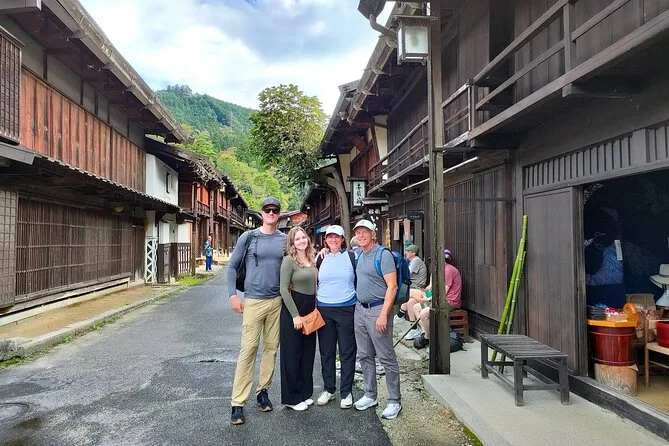
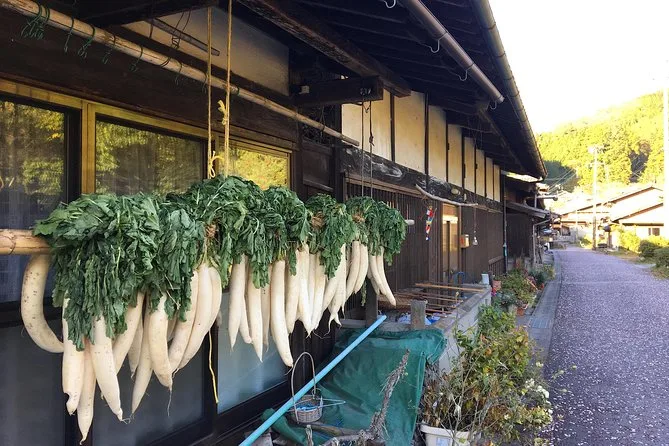
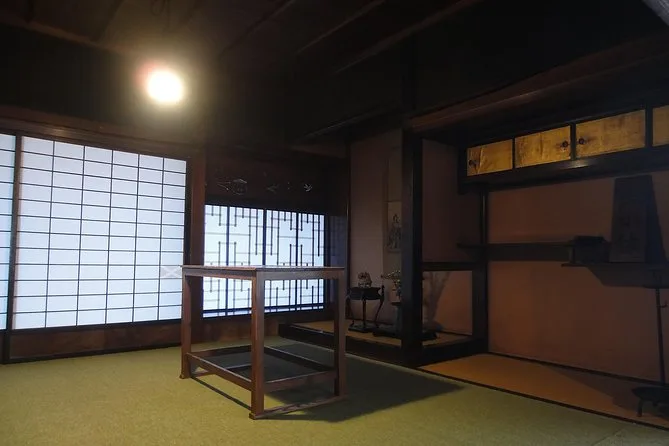
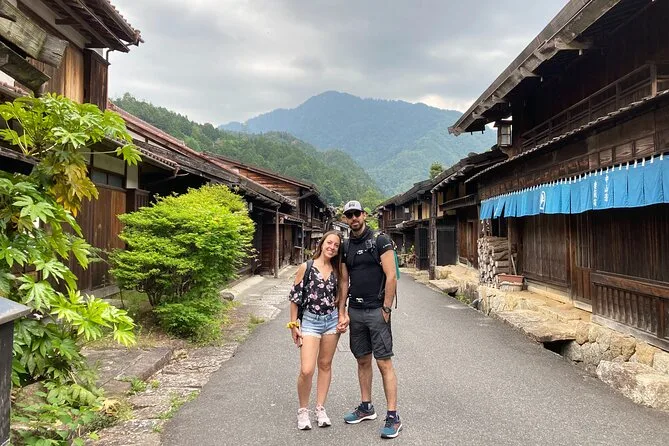
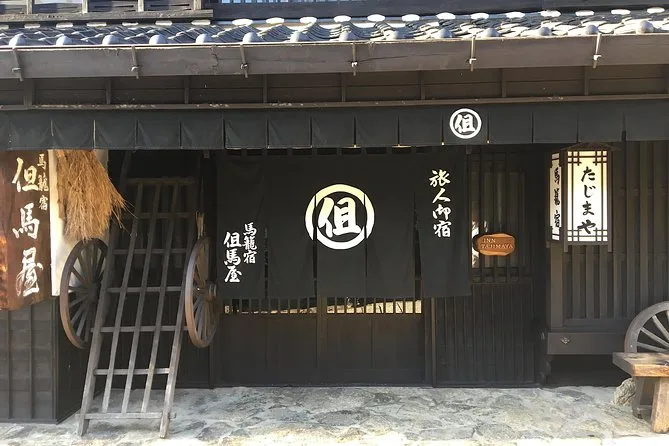
Tsumago feels like time travel but with people actually living their lives—kids running past shrines, someone hanging laundry behind a centuries-old inn. We wandered through streets lined with Honjin and Waki-Honjin buildings; Aki explained how even Emperor Meiji once stayed here (imagine that). The museum inside one of these old houses smelled faintly of cypress wood—kind of sharp but comforting too. By the time we reached Nagiso Station, my feet were tired but my head felt oddly clear. It’s hard to explain why walking this day trip from Magome to Tsumago stays with you—but it does.
 7h
7h

Step-by-step itinerary
Day 1 — Hike Nakasendo Trail Magome to Tsumago
- Meet guide at Nakatsugawa Station
- Bus to Magome-Juku post town
- Explore Magome-Juku village
- Visit Magome observatory viewpoint
- See Odaki and Medaki waterfalls
- Walk through Otsumago district
- Tour Tsumago-Juku historic town
- Visit Waki-honjin Okuya museum
- Explore Waki-honjin Okuya residence
- Travel to Nagiso Station to finish

Top questions

How long is the walk from Magome to Tsumago?
The hike along the Nakasendo Trail between Magome and Tsumago is about 8 kilometers (5 miles).
Is lunch included on this Kiso Valley day trip?
Yes, a traditional Japanese-style lunch featuring regional delicacies is included during the tour.
Where does the tour start?
The tour begins at Nakatsugawa Station’s ticket gate at 9:00am.
Are there guides who speak English?
Yes, an English-speaking guide leads the group throughout the day trip.
What kind of terrain should I expect on the Nakasendo Trail?
The trail includes steep slopes in Magome-Juku and forested paths; some sections can be uneven or hilly.
Is transportation between towns included?
A bus ticket from Nakatsugawa Station to Magome-Juku is included as part of your day trip logistics.
Can travelers with limited mobility join this hike?
No, this tour isn’t recommended for travelers with spinal injuries or poor cardiovascular health due to physical demands.

What’s included
Your day includes meeting your English-speaking guide at Nakatsugawa Station, bus transportation to Magome-Juku, entrance fees for museums along the route, and a traditional Japanese-style lunch before finishing at Nagiso Station in the afternoon.
 Super deal
  Free booking, free cancellation.
  Don't lose your place.


 Do you need help planning your next activity?
  +507 6792-0894


