
Kiso Valley: Nakasendo Trail Magome-Tsumago Hike












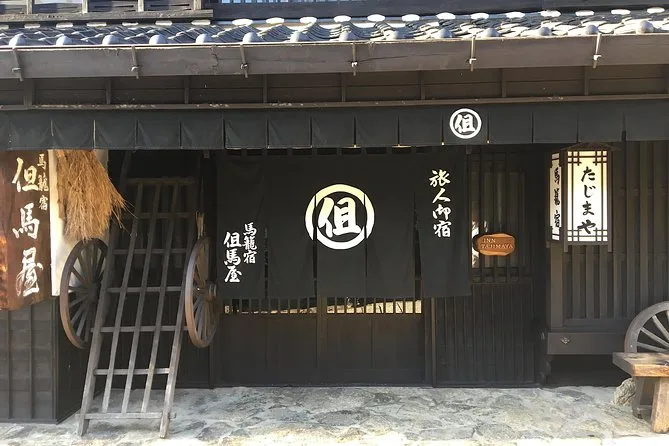
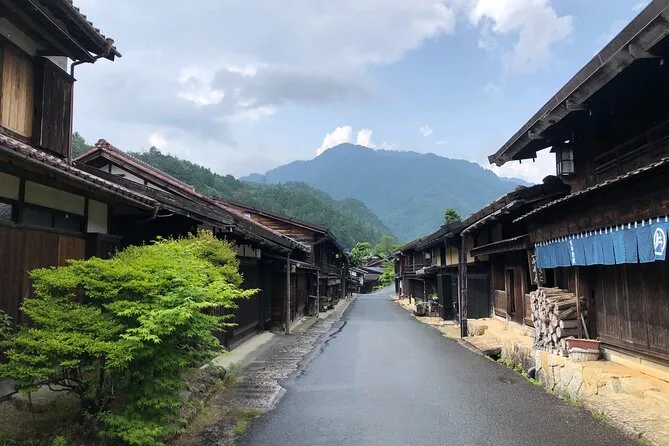


Walking Japan's oldest highway through two villages that stopped changing 150 years ago
You hike the Nakasendo Trail from Magome down to Tsumago through forest and past waterfalls, stopping at a traditional lunch and the Waki-honjin Okuya museum in Tsumago. Your English-speaking guide handles the route, timing, and entry to the museum. The bus gets you to the start at 9:00am and from the finish to Nagiso Station. You need good fitness and a full day: around six to seven hours of walking with breaks.
Step-by-step itinerary
Hike Nakasendo Trail Magome to Tsumago
- Meet guide at Nakatsugawa Station 9am
- Bus to Magome-Juku post town
- Explore Magome-Juku and city views
- Visit Magome observatory for views
- See Odaki and Medaki waterfalls
- Walk through Otsumago district streets
- Tour Tsumago-juku Edo-era townscape
- Visit Tsumago Honjin museum
- Explore Waki-honjin Okuya residence
- End tour at Nagiso Station
The experience
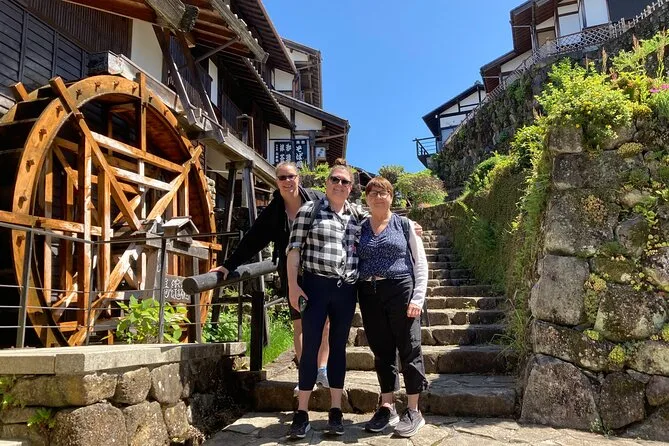
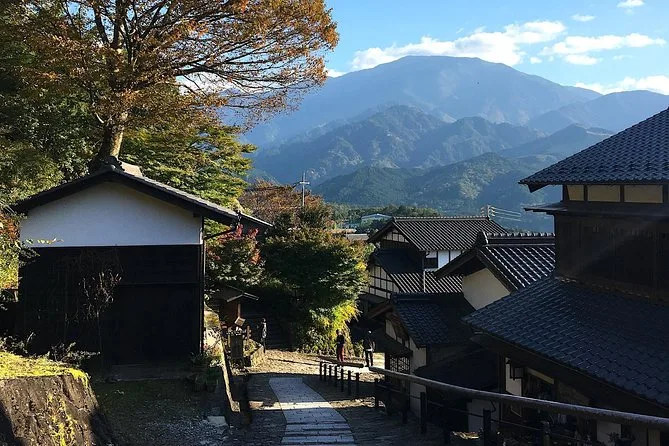
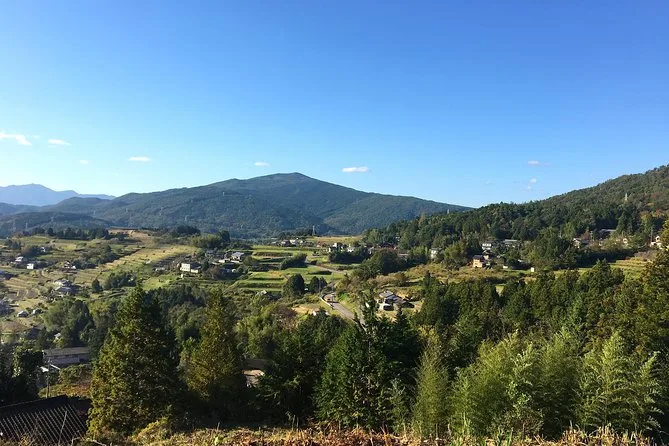
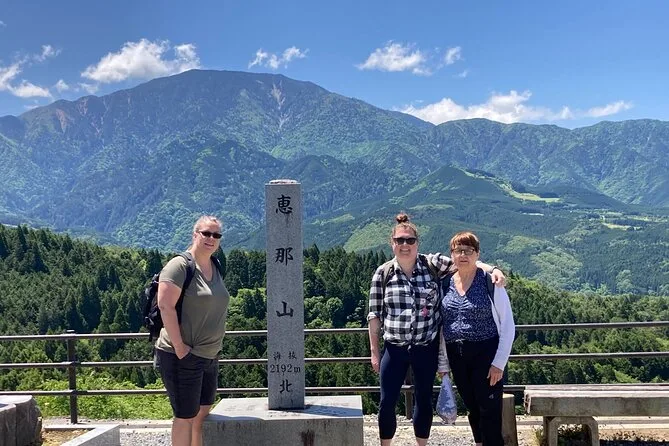
Hands grip a walking pole as the path narrows into forest, stone walls rising on either side. This is what the Nakasendo Trail feels like before you've even started. You meet your guide at Nakatsugawa Station at 9:00am, take a bus to Magome-Juku, and step into a post town built on a mountainside at 600 meters elevation where samurai once passed through on their way to and from Edo, the old name for Tokyo. The town's houses lean against stone foundations because the slope was too steep to build any other way. From up here you can see Mt. Ena, one of Japan's 100 greatest mountains, and the valley spreads out below in a way that makes you understand why travelers stopped here to rest.
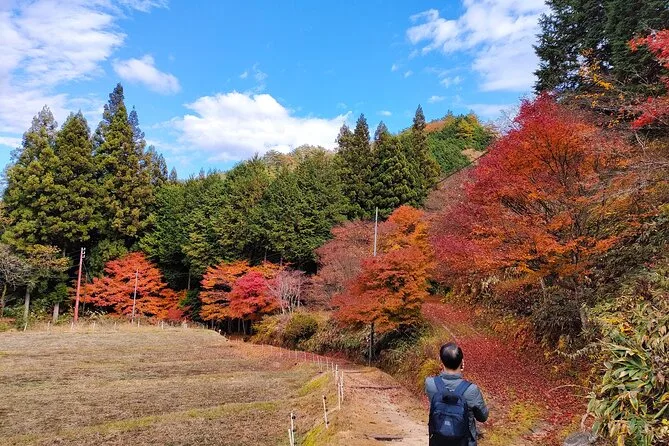
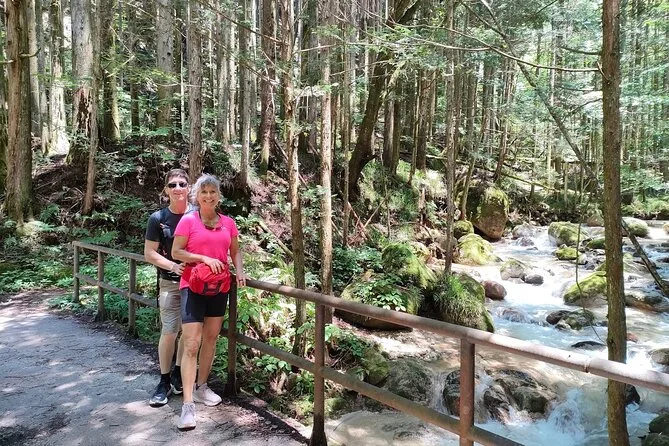
The hike itself follows the Nakasendo Trail downward through forest and past a waterfall split into two: Odaki and Medaki, the male and female falls, where travelers have refreshed themselves for centuries. Your guide points out the landscape as it changes: the way the forest opens onto views, the sound of water, the particular quiet of a mountain path that hasn't changed its route since the 1600s. You're moving through Kiso Valley on foot, which is the only way to understand how long the journey between villages actually was. Around midday you stop for a traditional Japanese lunch with regional food, the kind of meal that ties the walk to the place itself rather than just passing through it.
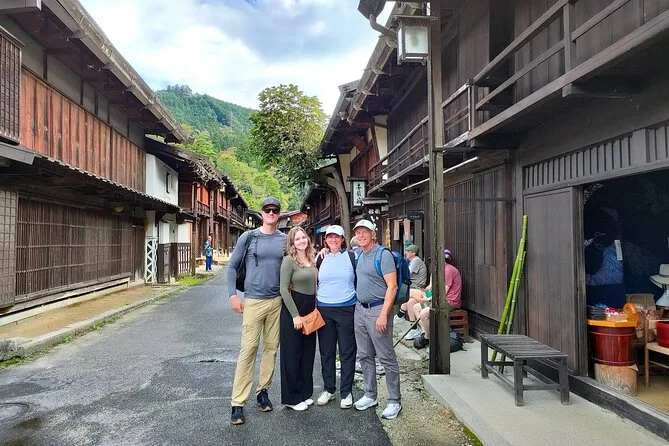
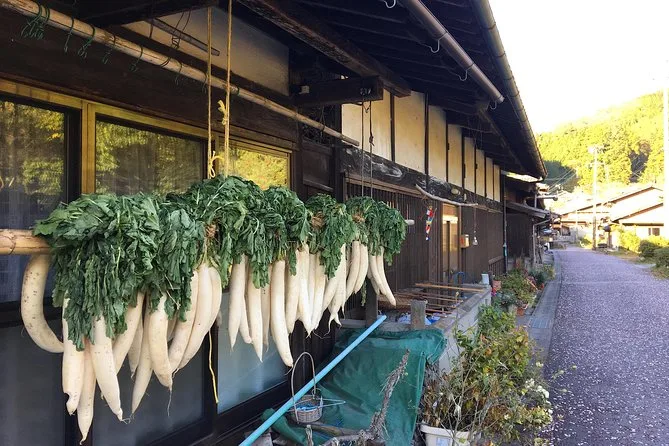
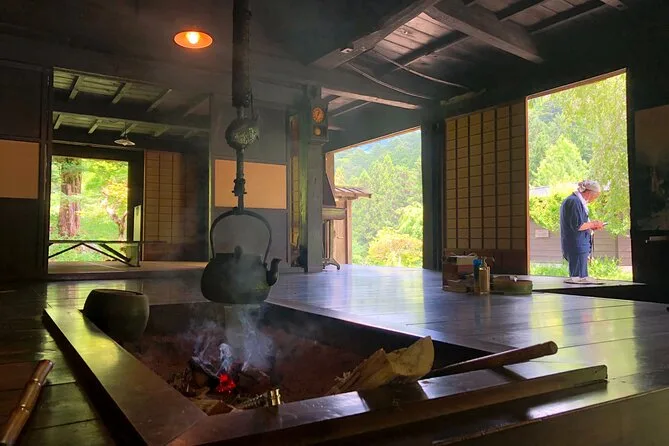
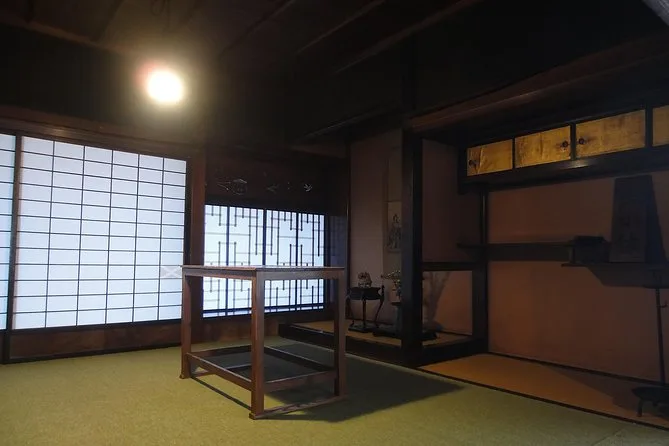
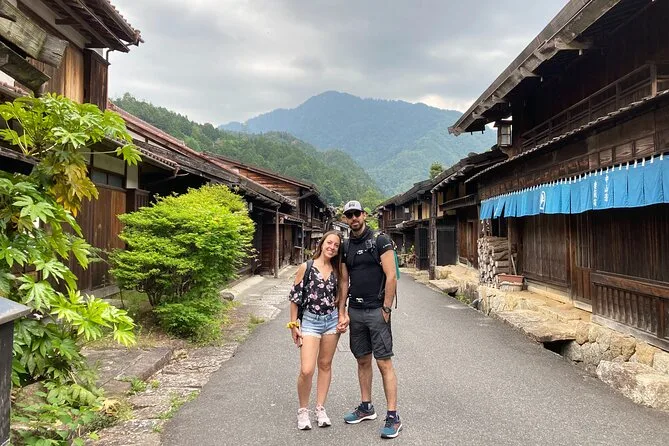
Tsumago-Juku appears at the end of the trail, and it's the reason people come here: a town that looks like it's still the 1700s. Streets lined with restored inns and merchant houses, wooden storefronts, the whole thing designated as an Important Cultural Property and called a living museum because people still live and work there. You visit the Waki-honjin Okuya, a 1877 residence built from Japanese cypress that Emperor Meiji himself stayed in during 1880, now a museum where you can walk through rooms that show how travelers actually lived on the Nakasendo. The museum uses artifacts and films to explain what the highway meant to Japan's history. After that, your guide takes you to Nagiso Station to end the day.
This is a full-day hike. You need real fitness for it, not just a casual walk. The trail has elevation change, the pace is steady, and the guide keeps the group moving. It's not recommended if you have spinal issues, are pregnant, or have cardiovascular concerns. But if you can do it, you're walking one of Japan's most historically significant routes on foot, with someone who knows the villages and the history, and you're not arranging transport or entry fees yourself.
What’s included
Your day includes pickup at Nakatsugawa Station at 9:00am, bus transport to Magome-Juku, an English-speaking guide for the entire hike, entrance fees to the Magome Observatory and Tsumago museums including the Waki-honjin Okuya, a traditional Japanese lunch with regional specialties, and return bus transport from Nagiso Station at the end of the day.
Before you book
Prices and times updated yesterday
Operated by Trip Designer Inc.
Is this one for you?Book this if you're a fit hiker who wants to walk one of Japan's historic routes with someone who knows the villages and their history, and you'd rather not navigate the trail, arrange entry fees, or figure out the bus schedule yourself: the guide and fixed timing handle all three.
Traveler reviews
Top questions
What languages is the guide in?
Live guide in English and Japanese.
Can children come?
Yes. Ticket types: Child (5 to 12 years). Under 5: they can't be included in the booking.
What happens if it rains?
It may be canceled due to bad weather. If that happens, you're offered another date or a refund. Free cancellation up to 24 h before the start.
How long is the hike from Magome to Tsumago?
The full trail takes most of the day. You start at 9:00am from Nakatsugawa Station and finish at Nagiso Station in the late afternoon, with the hike itself covering the distance between the two villages plus stops at viewpoints and museums.
What's the elevation gain on the Nakasendo Trail?
The trail descends from Magome at 600 meters to lower elevations as you approach Tsumago. The highest point is around 801 meters at the Magome Observatory. The hike is mostly downhill but has uneven terrain and requires steady footing.
Is this hike suitable for beginners?
No. The tour requires a high level of physical fitness and is not recommended for travelers with spinal injuries, pregnancy, or poor cardiovascular health. The terrain is forest and mountain paths with some steep sections.
What's included in the tour?
English-speaking guide, bus ticket from Nakatsugawa Station to Magome and from Nagiso Station at the end, entrance fees to museums and attractions, and a traditional Japanese lunch with regional food.
When do we meet and where?
Meet your guide at Nakatsugawa Station's ticket gate at 9:00am. From there, the bus takes you to Magome-Juku to begin the hike.
Can I do just part of the Nakasendo Trail?
This tour covers the main section from Magome to Tsumago. The itinerary is fixed, and the full hike is the experience. Partial routes are not offered on this tour.
What should I bring?
Proper hiking boots or shoes with good grip, water, sun protection, and layers. The trail is in forest but exposed sections exist. Check weather before you go.
Is there public transportation to get to Nakatsugawa Station?
Yes, public transportation options are available nearby. Nakatsugawa Station is on the JR Chuo Line, accessible from Nagoya and other regional cities.
Kiso Valley: Nakasendo Trail Magome-Tsumago Hike
7h · EN +1
from JP¥ 28,000 per person
4.9734 reviewsVerified traveler reviews via our booking provider