
Trapani Salt Pans Tour: 3 Reserves & Salt Museum Tasting




Inside the Salt Pans of Trapani: Where Sea Becomes Crystalline White
You walk three working salt pans near Trapani with a local guide, learn 2,600 years of salt history inside a 600-year-old mill, taste raw salt crystals and delicate salt flower in four flavors, and walk the path of the saltman through the brine tanks themselves. Hotel pickup, air-conditioned minivan, and museum entry are included. The whole experience takes around four hours.
Compare the 4 alternatives

- 201 reviews
- 4.82★
- Duration
- 1h 15m
- Tue, Thu and Sat
- 12:00

- 6 reviews
- 5.00★
- Duration
- 1h–1h 30m

- 14 reviews
- 4.79★
- Duration
- 1h
- start times · Tue–Sun
- 6

- 94 reviews
- 4.83★
- Duration
- 45m–1h
Step-by-step itinerary
Salt pans tour and museum visit
- Depart from via Admiral Staiti 101
- Reach Maria Stella salt pan
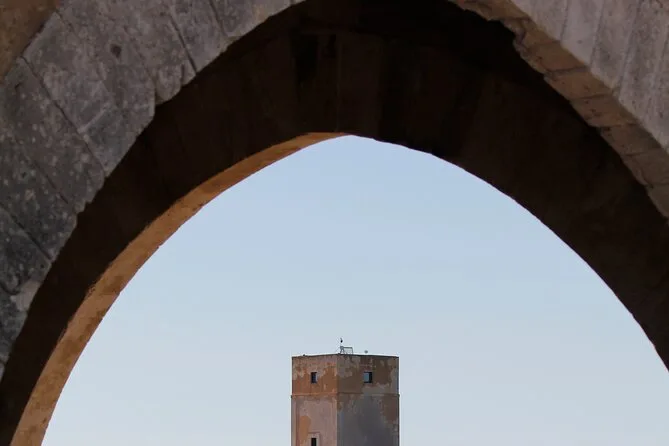
- Admire 15th century mill
- Visit Salina Chiusicella salt tanks
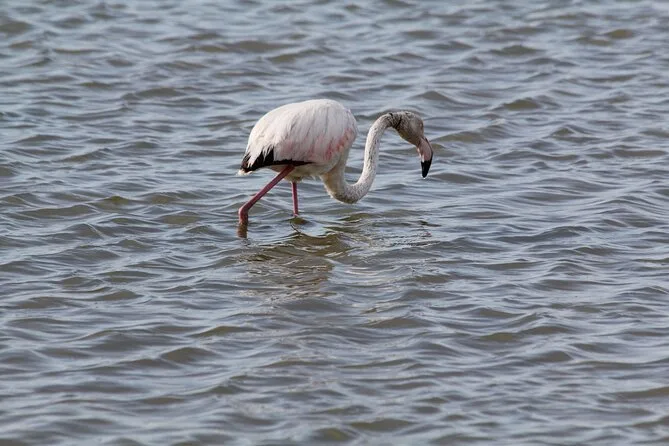
- Observe flamingos and birds
- Enter Culcasi ancient mill museum
- Taste salt crystals and flavored salt flower
- Walk the path of the saltman
- Return to departure point
The experience
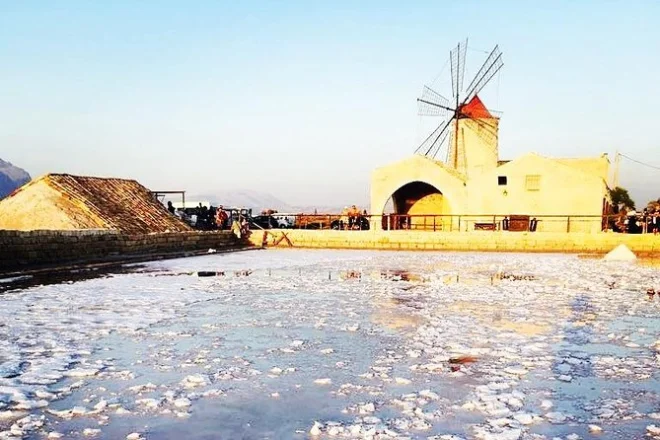
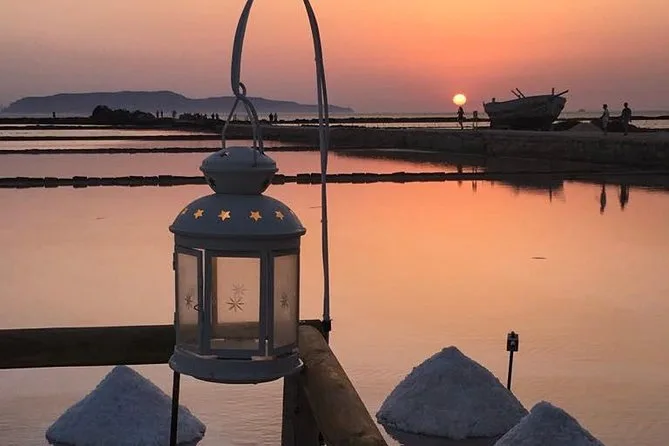
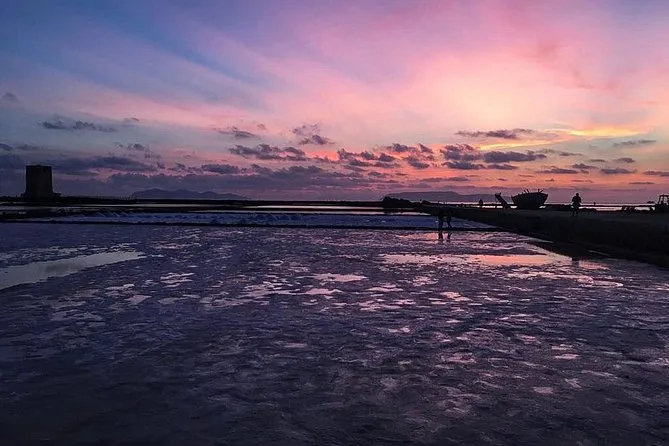
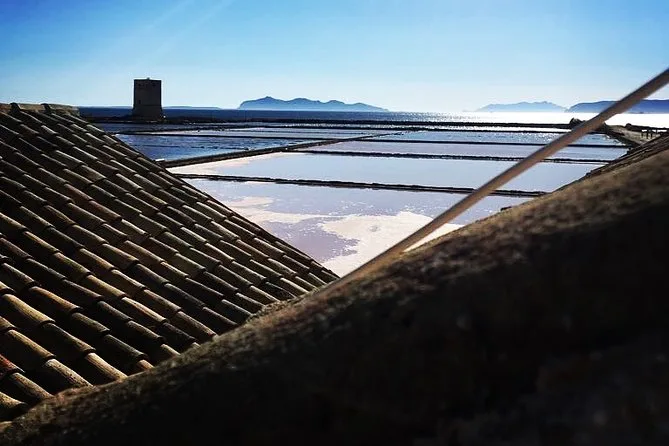
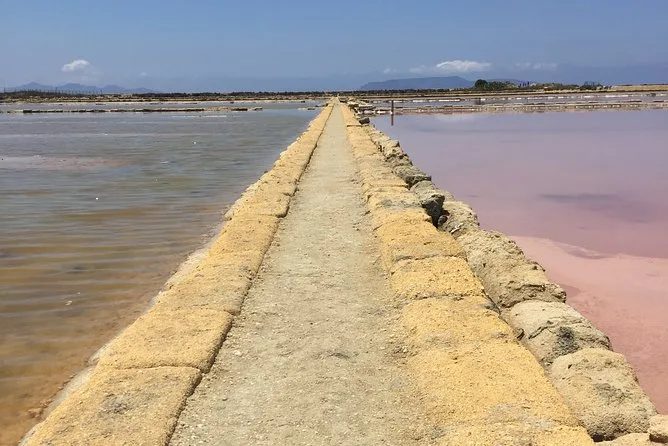
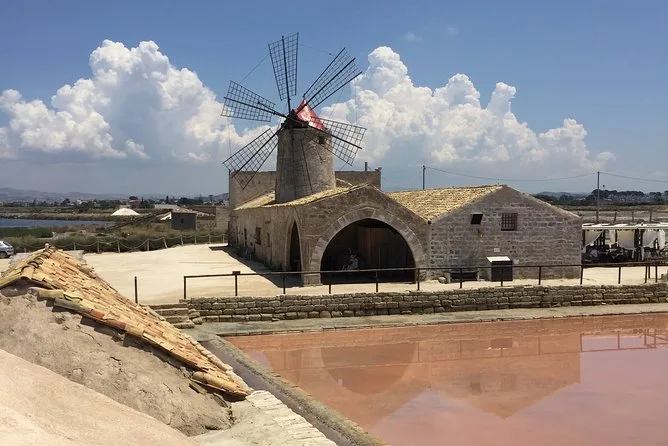
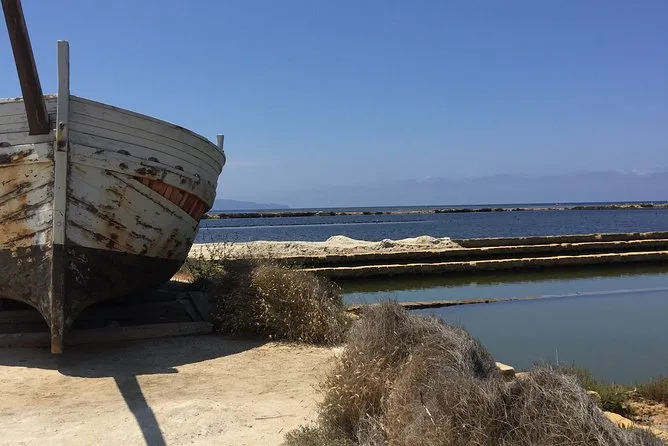
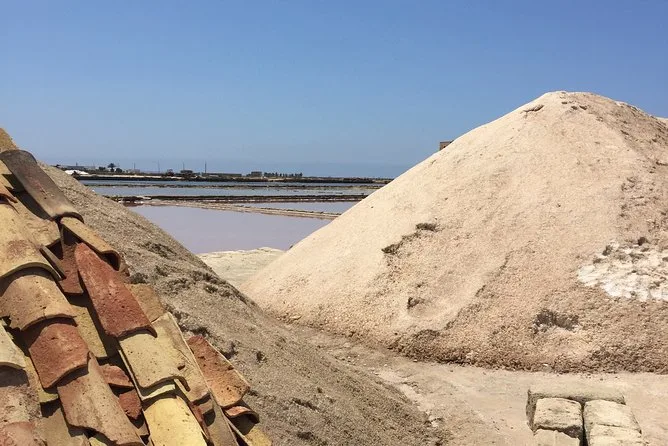
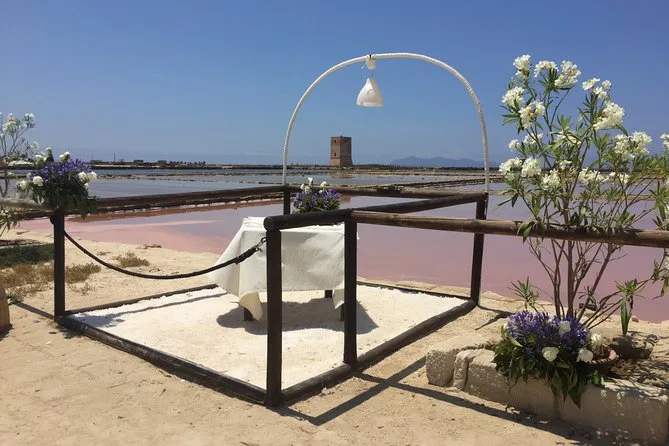
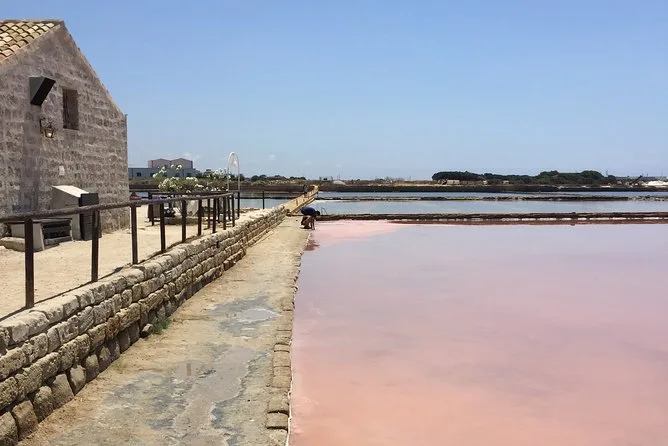
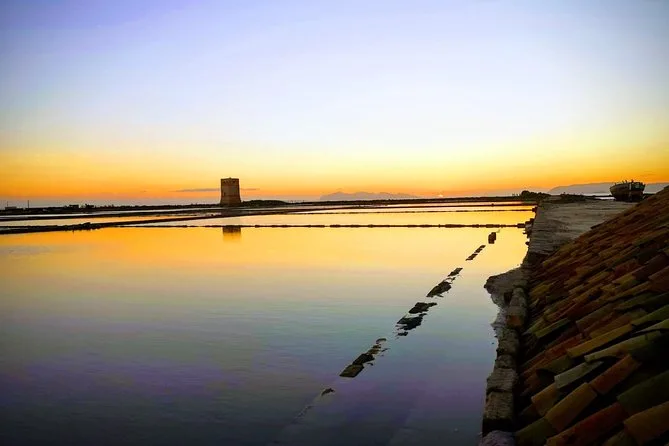
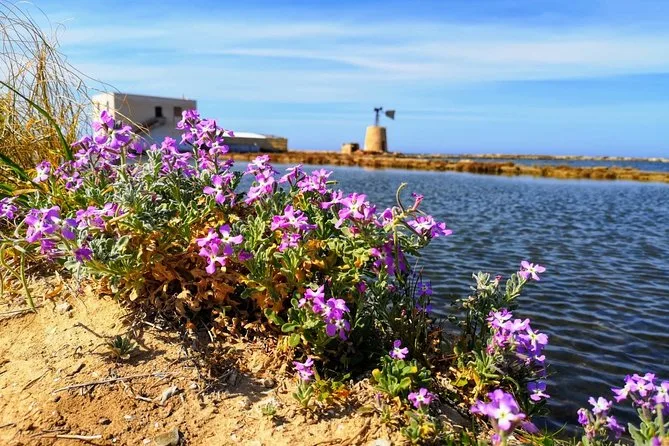
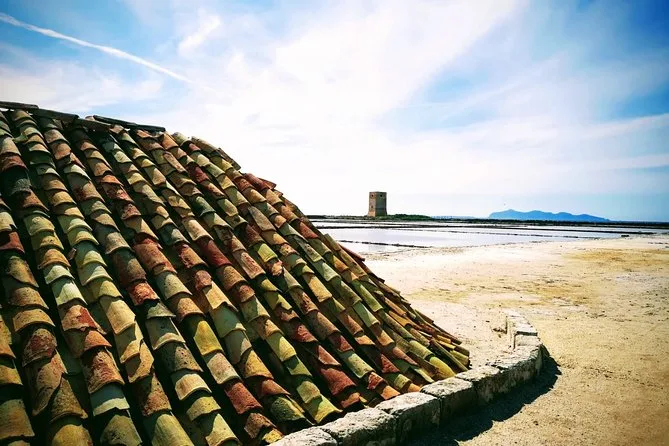
Rows of shallow rectangular pools stretch toward the horizon, their water shifting from pale blue to rust to deep amber depending on the salt concentration and the angle of the sun. This is the Trapani salt reserve, not a museum piece, but a working landscape where seawater has been transformed into salt for 2,600 years. Your guide meets you at the fire station on Admiral Staiti and within ten minutes you're standing at the Maria Stella salt pan, the oldest operational site, where a mill from the late fifteenth century still marks the spot where salt workers once hauled their harvest by hand.
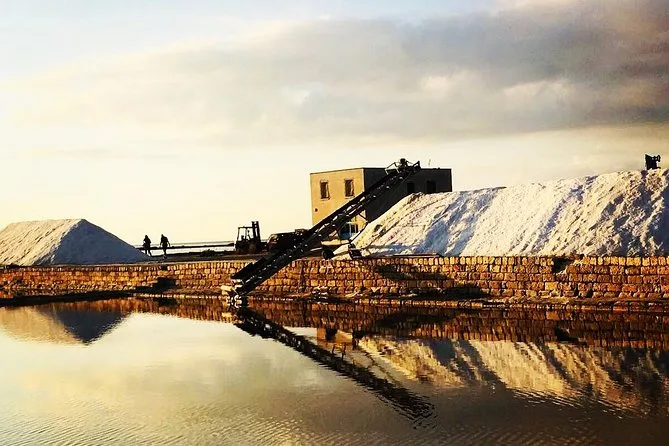
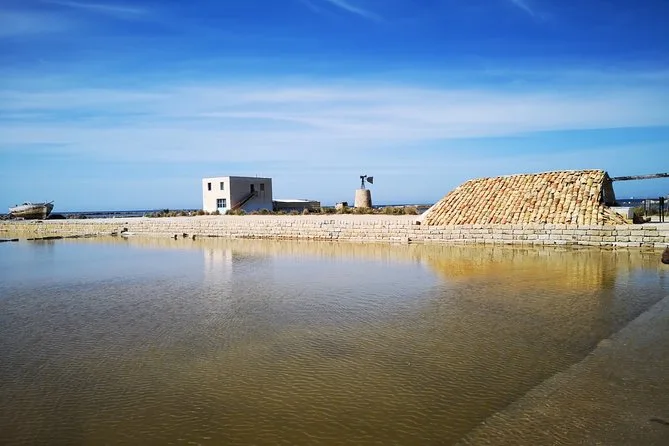
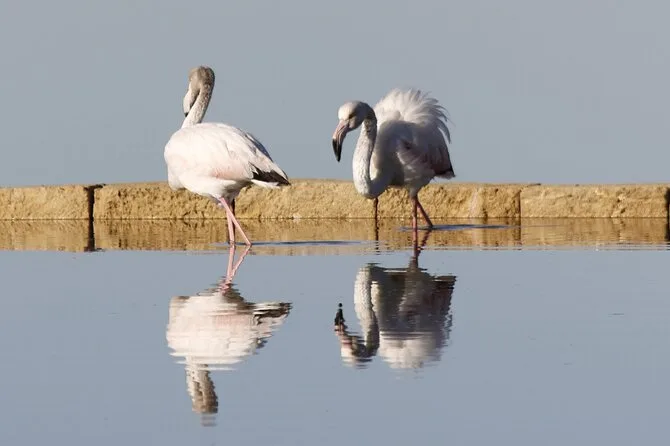
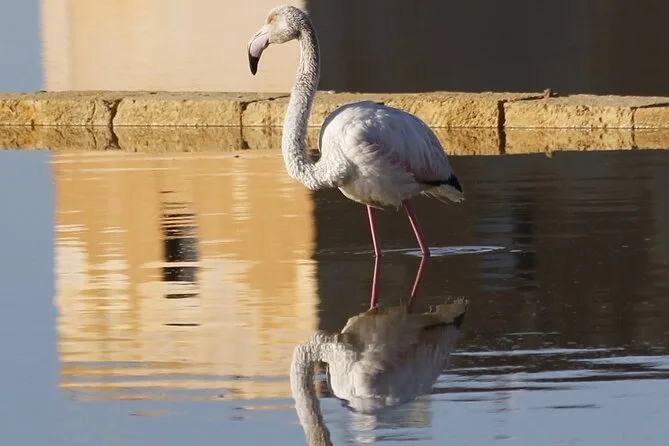
The tour moves through three different salt pans by minivan and on foot, each one revealing a different part of the process. At Salina Chiusicella, your guide walks you through the four orders of salt tanks: the sequence of pools where seawater gradually concentrates into brine and then into crystals. Flamingos, herons, and egrets work the shallows alongside you. The birds are not decoration, they're part of the ecosystem that thrives in salt water. Then you reach Culcasi, where a 600-year-old mill now functions as a museum. Inside, you see the tools, the wooden rakes, the hierarchies of labor, and the physical evidence of how salt was collected before machinery. Your guide explains the differences between past and present: why the work was harder then, why the salt tastes different depending on the season and the tank it came from.
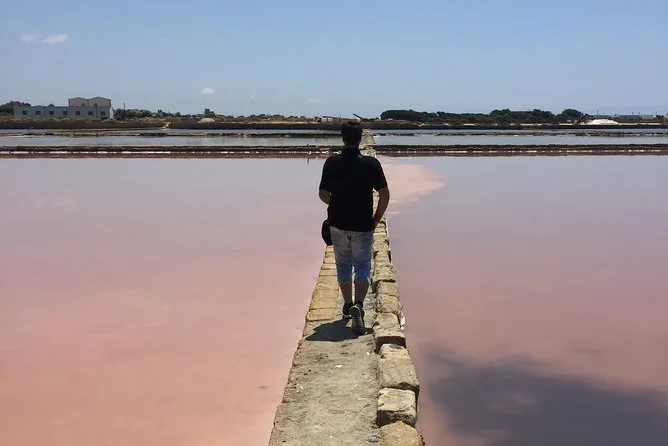
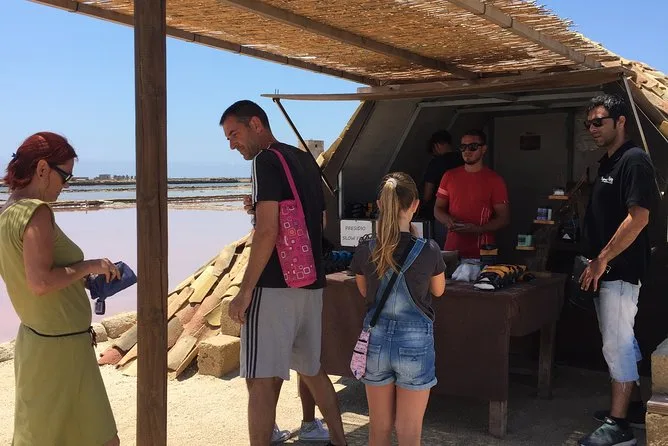
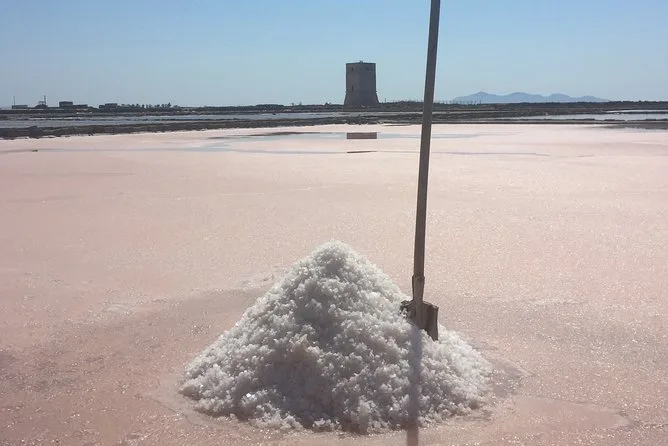
The tasting happens in the mill: salt crystals in their raw form, then the salt flower (the finest, most delicate layer that forms on the surface of the brine) in both natural and flavored versions (orange, lemon, rosemary, oregano). It's a small moment but it lands differently once you've walked the tanks and understood the labor involved. After that comes the path of the saltman, a walk inside the working salt tanks themselves, a place of silence where the only sound is your footsteps and the occasional bird call. The air tastes of salt. Your clothes will smell of it for hours afterward.
The minivan is air-conditioned, which matters because the reserve has no shade and the sun reflects off the white salt crystals. Infants can travel in a pram or stroller, and the pace is manageable for most fitness levels. You're back at the starting point by early afternoon, carrying a small bag of salt and the kind of specific knowledge (about crystallization, about bird migration, about why salt from Trapani tastes the way it does) that you can't get from a photograph.
What’s included
Pickup at the fire station on Admiral Staiti, transport by air-conditioned minivan to three working salt pans (Maria Stella, Salina Chiusicella, and Culcasi), guided walk through each reserve, entry to the 600-year-old salt mill museum, tasting of salt crystals and flavored salt flower (natural, orange, lemon, rosemary, and oregano), the path of the saltman walk inside the salt tanks, and all fees and taxes.
Before you book
Lasts 2h 30m, runs Friday at 15:00, from € 50 per person, with a live guide in English and Italian and with free cancellation up to 24 h before.
Prices and times updated 3 days ago
Operated by Trapani Emotions
Is this one for you?Book this if you want to understand how salt is actually made and taste the difference between types: the guide's expertise and the working landscape make it clear why Trapani salt has a reputation, and you avoid the confusion of trying to navigate the reserve alone.
Traveler reviews
Top questions
What languages is the tour guided in?
Live guide in English and Italian.
Can children come?
Yes. Ticket types: Child (4 to 9 years); Infant (under 4).
What happens if it rains?
It may be canceled due to bad weather. If that happens, you're offered another date or a refund. Free cancellation up to 24 h before the start.
How long is the tour?
Approximately four hours, including minivan transport between the three salt pans, the museum visit, and the tasting.
What is salt flower?
The finest, most delicate layer of salt that forms naturally on the surface of concentrated brine. It's harvested by hand and is the most prized part of the salt harvest.
Will I get wet?
No. You walk alongside the salt tanks and through the mill, but the tour does not involve wading or swimming.
What should I bring?
Sun protection (hat, sunscreen, sunglasses) is essential: the white salt crystals reflect intense light. Comfortable walking shoes are recommended.
Is pickup included?
Yes. The tour departs from the fire station at Admiral Staiti n°101 at the port. Confirm your pickup location when you book.
Can I buy salt to take home?
Yes. You taste several types of salt crystal and flavored salt flower during the tour, and you can purchase them.
Trapani Salt Pans Tour: 3 Reserves & Salt Museum Tasting
2h 30m · EN · IT
from € 50 per person