
Trapani Salt Pans & Museum: Guided Tour with Tasting




Where Salt Becomes a Landscape: Inside Trapani's Working Salt Pans
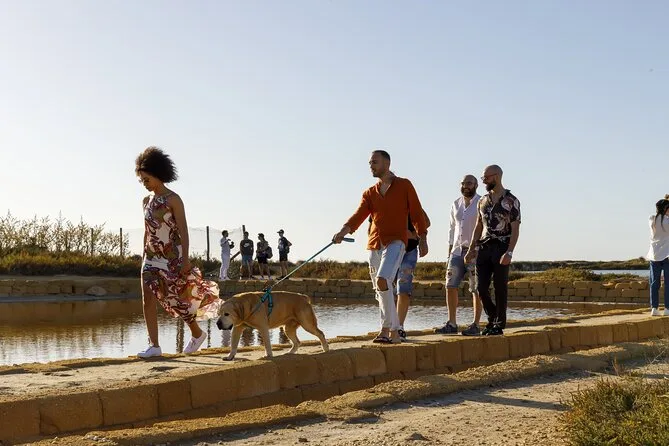
You walk the perimeter of working salt pans inside a protected nature reserve, collect salt crystals by hand, and learn how sea water transforms into the salt on your table. Then you tour a 1400s mill museum that tells the story of the families who've run these pans for generations, taste the reserve's own salt production, and have the option to dine overlooking the water. The whole day is paced for all fitness levels and fully wheelchair accessible.
 1h 15m

Step-by-step itinerary
Explore salt pans and visit museum
- Walk around the salt pans
- Observe salt formation process
- Discover protected plants and birds
- Tour the salt museum and ancient mill
- Learn history of salt and family

The Experience
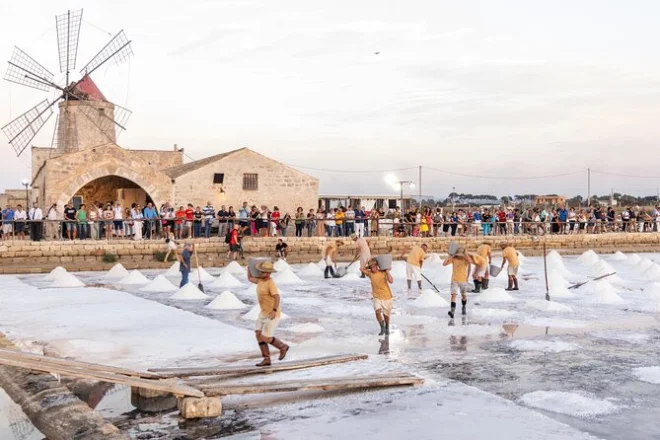
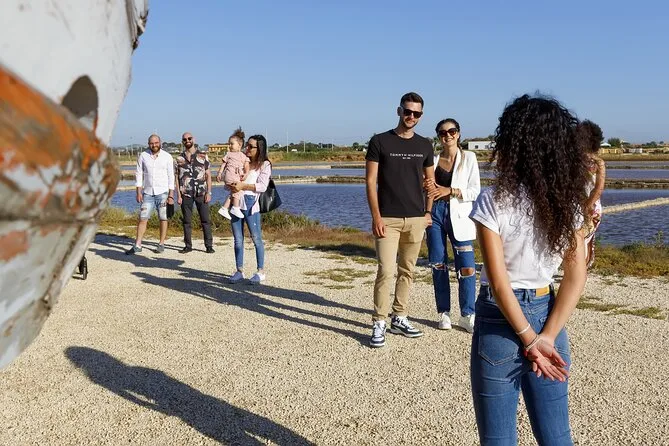
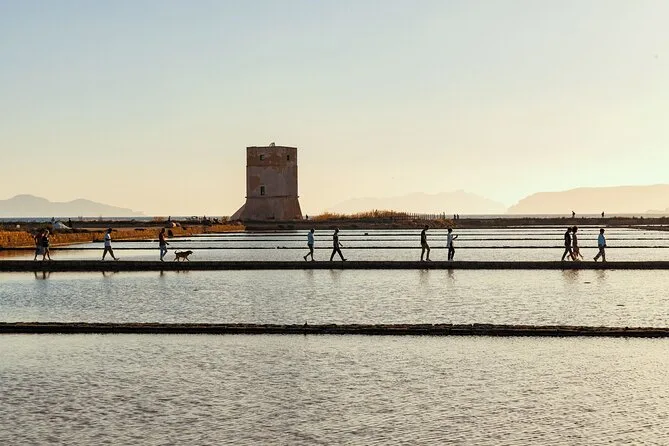
"So you just walk out there and collect it with your hands?" That's what most people ask when they first see the salt pans of Trapani spread out like a patchwork quilt of white, pink, and gray. The answer is yes — and it's stranger than you'd think. The Culcasi salt pans sit inside the Trapani and Paceco Salt Pans Natural Reserve, a protected area where the water acts as a mirror to the sky, and the whole operation has been running the same way for centuries. Your guide walks you along the perimeter, pointing out how the sea water moves through the tanks, how the clay turns gray, how the brine shifts from blue to pink as the salt concentrates. You're not just looking at it; you're watching the process happen in real time, touching the crystals that formed overnight.
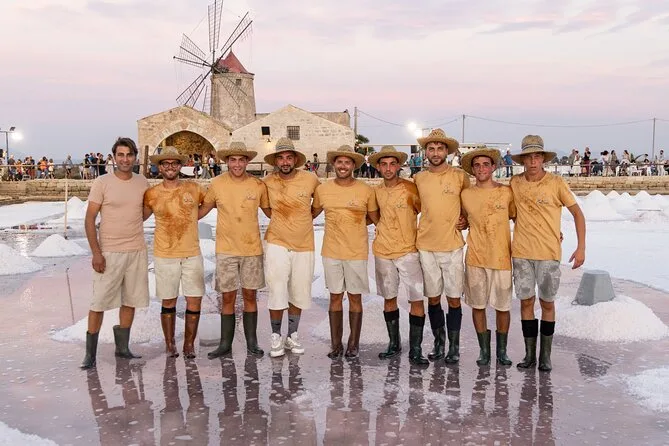
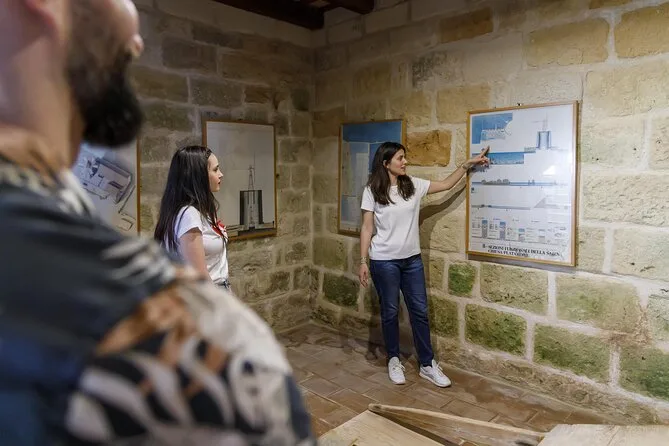
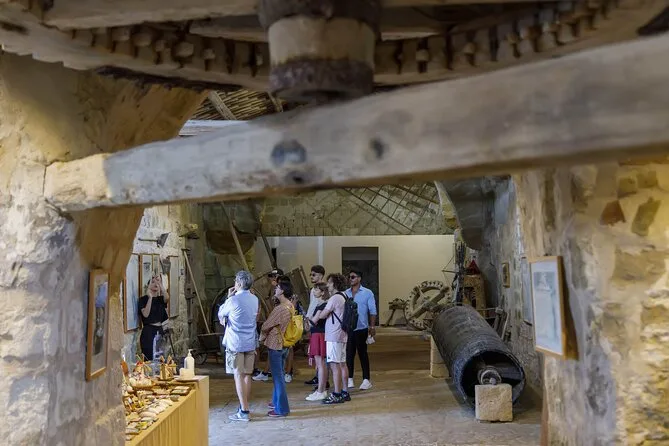
The second part of the tour moves inland to the salt museum, housed inside an ancient baglio — a fortified farmhouse — that dates back to the 1400s. This isn't a polished exhibition; it's the real thing, listed in the official European Union guide of cultural heritage sites. Your guide walks you through the mill, the storage rooms, the tools, and tells you about the families who've worked these pans for generations. The work was exhausting — salt harvesting always is — but the museum doesn't romanticize it. Instead, it shows you how the sea and salt became inseparable from the identity of this corner of Sicily. You see the old equipment, understand the rhythm of the seasons, and realize why this place matters.
At the end, you get a tasting of whole salt and fleur de sel in different aromas from the pans' own production. Then, if you want, you can stay for an aperitif or dinner at the restaurant, where the view stretches back out over the water you've just spent hours learning about. The whole experience works for all ages — kids can walk at their own pace, strollers are fine, and the paths are flat and accessible throughout the reserve.

What’s included
Your day includes a guided walk through the working salt pans where you can collect salt crystals by hand, a full tour of the 1400s mill museum inside an ancient baglio, a tasting of whole salt and fleur de sel in different aromas from the reserve's production, and the option to stay for an aperitif or dinner at the restaurant overlooking the water.
Operated by Saline Culcasi - Riselva del Mare - Museo
Is this one for you?This tour is built for anyone who wants to understand where salt comes from without needing to arrange transport or navigate the reserve alone — the guide handles the history, the process, and the timing, leaving you free to walk, touch, and ask questions.
Traveler reviews
Compare the 5 similar options
 Trapani Salt Pans & Museum: Guided Tour with Tasting★ 4.81 (198)1h 15mEN · IT€ 28
 Day trip from Trapani: Erice, Scopello, Saline ReserveMinivan tour from Trapani port or hotel visiting the medieval hilltop village of Erice, the tuna harbor at Scopello, and the Salt Museum at Saline Reserve★ 4.33 (6)7hEN · IT€ 240View ›
 Etna: Morning or Sunset Trek & Lava Tunnel with GearStep onto Etna’s black sand, trek ancient lava flows, and explore a hidden lava tunnel with gear included—private transfer from Catania makes it easy to join.★ 4.94 (150)5h–6hEN · IT€ 65View ›
 Sunset Jeep Tour of Mount Etna and Lava Caves from CataniaSix-hour guided jeep tour of Mount Etna from Catania with lava cave exploration, local tastings and sunset views at 2,000 meters★ 4.68 (175)6hEN · PT +3€ 60View ›
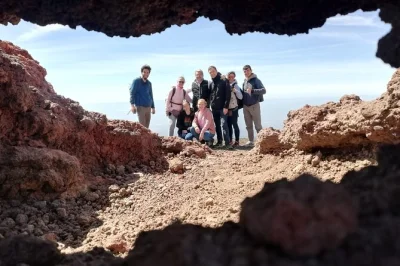 Taormina & Etna: Half Day Nature Walk, Lava Cave & TastingFeel the crunch of Etna’s lava underfoot, explore a real lava cave, and taste Sicilian honey on this half day from Taormina with pickup and local guide included.★ 4.73 (339)7hEN · DE +3€ 74View ›
Top questions
Can I collect salt myself during the tour?
Yes. The tour includes the opportunity to collect salt from the tanks by hand and follow the crystallization process step by step.
Is the salt museum included in the tour price?
Yes. The guided tour includes both the salt pans walk and the museum tour inside the 1400s mill.
What is the salt tasting like?
You taste whole salt and fleur de sel in different aromas produced by the pans themselves.
Is the tour suitable for children?
Yes. The experience is suitable for all age groups. Infants and small children can ride in a pram or stroller, and all areas are wheelchair accessible.
Can I eat at the restaurant after the tour?
Yes. At the end of the tour, you have the option to have an aperitif and/or dine at the on-site restaurant with views over the salt pans.
Is the tour wheelchair accessible?
Yes. All areas and surfaces are wheelchair accessible, and transportation options are wheelchair accessible.
Where exactly are the salt pans located?
The tour operates within the Trapani and Paceco Salt Pans Natural Reserve in the province of Trapani, Sicily.
Trapani Salt Pans & Museum: Guided Tour with Tasting
1h 15m · EN · IT
from € 28 per person
★★★★★★★★★★4.81198 reviewsVerified traveler reviews via our booking provider
