
Cittadella: Walls Walkway, Museums & Theatre Card Entry


Walk Cittadella’s medieval walls, see Renaissance art and climb the old tower
You’ll step onto Cittadella’s towering medieval walls for nearly two kilometers of views, wander through museums tucked inside ancient towers, admire Renaissance masterpieces in quiet galleries, and catch your breath beneath painted theatre ceilings: all with one card. Expect cobbled paths underfoot, local stories in your ear, and maybe even church bells drifting through an open window.
More experiences you might like
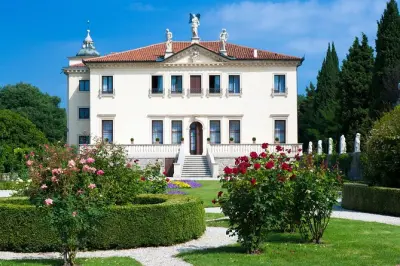 Villa Valmarana ai Nani tickets: Tiepolo frescoes in VicenzaEvery day · All ages★ 4.27 (70)45m–1h 30m€ 19.50View ›
 Corte Fornello wine tasting: 3 young wines with cellar tourEvery day · 16:00 · Season until 31 Oct · From age 18★ 5.00 (1)2hEN · IT · ES€ 38View ›
 Vicenza: Palladian Villas, E-Bike & Olympic Theater Day TourTue, Thu and Sat · 09:30 and 10:00 · All ages★ 4.87 (77)1h–8hEN · IT · FR · ES€ 98View ›
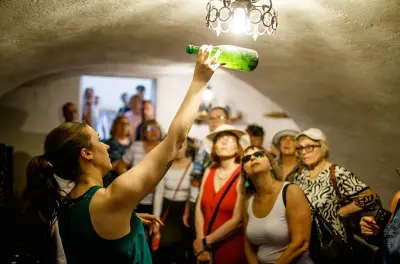 Valeggio wine tasting: 18th-century cellar and local flavorsEvery day · 10:00 and 16:00 · Season until 31 Oct · From age 18★ 5.00 (1)2hEN · IT · ES€ 48View › Compare more experiences like this »
Step-by-step itinerary
Explore Cittadella's cultural sites
- Walk the Parapet Walkway
- Visit Captain’s house museums
- Climb Torre di Malta Belvedere
- See Siege and Archaeological Museums
- View Renaissance art gallery
- Tour Podesta’s seat and frescoes
- Admire neoclassical theatre facade
- Enter Savior Oratory
The experience
We were already halfway up the Parapet Walkway before I realized how high we’d climbed: fifteen meters above Cittadella, with the wind tugging at my jacket and that faint old-stone smell you only get in places like this. Our guide, Matteo, pointed out a patchwork of red roofs below and said something about Marostica in the distance. I tried to spot it but got distracted by a group of kids racing ahead, their laughter echoing along the ancient stones. The walkway itself felt solid underfoot (they’ve restored it), but you can still imagine what it must’ve been like defending the town centuries ago: arrow slits and all.
Inside Torre di Malta, we ducked into the Siege Museum. It was quieter there. Just us and some faded armor behind glass. The climb up to the Belvedere left me a bit breathless (stairs are no joke), but the view, clouds drifting over Euganean Hills, made me pause longer than I meant to. There’s something about seeing all that countryside from up high that makes you feel both tiny and lucky at once. We wandered through rooms with old maps and even found a re-enactment room in the Captain’s house where Matteo joked he’d make a terrible medieval soldier.
I didn’t expect to spend so long in Pretorio Palace, but those painted “tapestries” on the walls caught me off guard. They look almost real until you get close. Someone had left a window cracked open and I could hear church bells somewhere outside, mixing with muffled voices from downstairs. Later we slipped into the Cathedral Museum (only open weekends) to see Jacopo Bassano’s “Supper at Emmaus”. I’m not usually an art person but even I stood there for a while just looking at those colors. The theatre was last. Frescoes overhead by Bagnara (the same guy who did La Fenice in Venice) and velvet seats that creaked when you sat down.
The last stop was Savior Oratory: open just once a month, so we got lucky. It smelled faintly of wax and old wood inside. Our guide whispered stories about Louis Dorigny’s artwork as if we might wake someone up. By then my feet were tired but my head was full of little details: the kind that stick with you after you leave. Honestly, I still think about that view from the walkway sometimes when things get too noisy back home.
What’s included
Your day includes entry tickets for all five cultural sites covered by the Cittadella Card: access to walk atop the medieval walls every day plus visits to Pretorio Palace, Cathedral Museum, Theatre on weekends or holidays, and Savior Oratory once monthly. Just check opening times online before you go.
Before you book
Operated by Mura di Cittadella by Historia Travel
Traveler reviews
Top questions
Can children come?
Yes. Ticket types: Infant (under 4): free.
What does the Cittadella Card include?
The Cittadella Card covers entry to five cultural sites: Walls & Parapet Walkway (daily), Cathedral Museum (weekends & holidays), Theatre (weekends & holidays), Pretorio Palace (weekends & holidays), and Savior Oratory (open monthly).
How long is the Parapet Walkway in Cittadella?
The walkway is almost two kilometers long around Cittadella's historic walls.
Is there a guide included with the Cittadella Card?
No official guide is included. However, staff are present at many sites for questions.
When can I visit the Cathedral Museum or Theatre?
The Cathedral Museum and Theatre are open on Saturdays, Sundays, and bank holidays only.
Is the Savior Oratory always open?
No, entry to Savior Oratory is available only once a month. Check their website for dates.
How much time should I plan for visiting everything?
The walkway itself takes about an hour. Visiting all sites may take half a day or more depending on your pace.
Is public transport available nearby?
Yes, there are public transportation options close to Cittadella's historic center.
Cittadella: Walls Walkway, Museums & Theatre Card Entry
1h–2h
from € 12.83 per person
4.5496 reviewsVerified traveler reviews via our booking provider