
Sofia Walking Tour: 20+ Landmarks with Audio Guide


Walk Sofia's layers at your own speed, from Roman ruins to Orthodox cathedrals.
A guided walking tour of Sofia covering more than 20 cultural landmarks and historical sites, starting at Ivan Vazov National Theatre and ending at the Presidency. You receive an audio guide and headphones in one of eight languages, allowing you to move freely through the city center, enter temples, and photograph without standing close to the guide. The tour runs 2 to 3 hours and suits all fitness levels.
 2h–3h
2h–3h

Step-by-step itinerary
Guided walking tour of Sofia
- Meet guide near Ivan Vazov Theatre
- Receive audio guide equipment
- Visit former Royal Palace National Art Gallery
- Visit Church of St. Nicholas the Miracle-Maker
- See Monument to Tsar Liberator
- See Sofia University St. Kliment Ohridski
- Visit St. Alexander Nevsky Cathedral
- Visit St. Sophia Church
- See monument to Tsar Samuel
- Discover Roman Amphitheatre of Serdica
- Walk through remains of Ancient Serdica
- See Banya Bashi Mosque exterior
- Stop by Sofia’s mineral springs
- Visit St. George Rotunda
- Finish at Presidency and watch guard change

The Experience
You'll meet your guide near Ivan Vazov National Theatre in the heart of Sofia. After receiving your audio guide equipment and a quick orientation, the group moves through the city's main historical and cultural landmarks. The audio guide lets you walk at your own pace and step back when you want—you're not tethered to the guide or locked into a fixed speed. This setup means you can linger at a stop that interests you or move ahead without holding anyone back.
The route takes you through layers of Sofia's past. You'll see the former Royal Palace, now the National Art Gallery, and learn how it became central to Bulgaria's modern history. St. Alexander Nevsky Cathedral—the city's most iconic landmark—opens for you to step inside and see the richly decorated icons and mosaics; note that during summer months, uncovered shoulders or shorts may prevent entry. You'll also visit St. Sophia Church, one of the oldest churches in the capital and the building that gave the city its name. The St. George Rotunda, one of Sofia's oldest preserved structures, shows you remarkable frescoes that survived from different historical periods. At each temple, you enter and explore rather than viewing from outside.
Beyond the religious sites, you'll discover the Amphitheatre of Serdica—Roman remains hidden beneath modern Sofia—and walk through the preserved streets and building foundations of ancient Serdica itself. You'll see the Monument to Tsar Liberator opposite the Bulgarian Parliament, the striking illuminated-eye monument to Tsar Samuel, and Banya Bashi Mosque, Sofia's only functioning mosque and an important Ottoman-era landmark (you view it from outside, as entry requires additional time and follows active worship protocols). A stop at the famous mineral springs near the former Central Mineral Baths shows you where locals still fill bottles from public fountains with warm mineral water that has drawn people to Sofia since ancient times. The tour ends at the Presidency, where you'll have the chance to see the changing of the guard—one of the city's most distinctive ceremonial moments.
The audio guide comes in eight languages: English, Spanish, Italian, French, Russian, Bulgarian, German, and Polish. Public transportation options are available nearby if you need them, and the pace suits all fitness levels.

What’s included
- Audio guide and headphones in eight languages.
- professional guide.
- entry to St. Alexander Nevsky Cathedral, St. Sophia Church, and St. George Rotunda.
- access to the Amphitheatre of Serdica and ancient Serdica remains.
Operated by Audio Guide Bulgaria
Is this one for you?Book this tour if you want to move through Sofia's landmarks on your own schedule without organizing transport or entry tickets separately—the audio guide frees you from staying close to the group, so you can photograph, linger, or move ahead as the city interests you.
Traveler reviews
Compare the 12 similar options
 Sofia Walking Tour: 20+ Landmarks with Audio Guide★ 4.59 (99)2h–3hUS$ 17.56
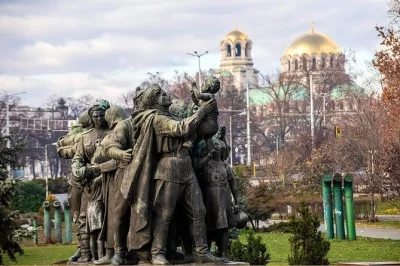 Sofia: Private Walking Tour & Alexander Nevsky Cathedral2-4 hour private walking tour of Sofia with St. George Rotunda, Alexander Nevsky Cathedral & Amphitheater of Serdica. Small groups, professional guide included.★ 4.39 (18)2h–4hENUS$ 22View ›
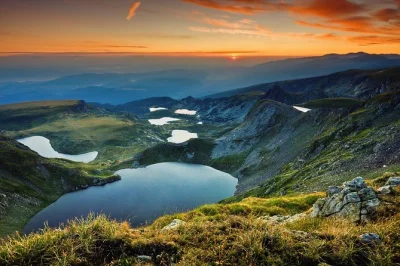 Sofia to Rila Monastery & 7 Rila Lakes Day Trip ShuttleStart your Sofia day trip with a shared shuttle to the 7 Rila Lakes for hiking, then visit UNESCO-listed Rila Monastery. Includes transport and flexible timing.★ 4.76 (332)13hUS$ 55View ›
 Sofia City Tour: Alexander Nevski Cathedral & LandmarksPrivate city tour of Sofia with a local guide covering Cathedral Alexander Nevski, Saint Sofia Church, Banya Bashi Mosque and more—hotel pickup included★ 4.36 (42)2h–4hENUS$ 34View ›
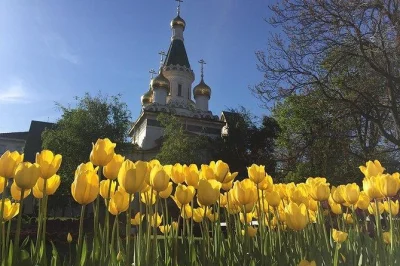 Sofia: Private Walking Tour with Roman Ruins & Market HallWander Sofia’s Roman streets, peek inside the Market Hall, and feel the city’s layers with a private walking tour led by a local guide. Includes accessible route.★ 4.93 (134)2h–3hENUS$ 78View ›
 Private Sofia City Tour by Bike: Parks & Historic CenterRide through Sofia's center and parks on a private bike tour with a local guide or self-guided option, plus bike rental and e-guide to every stop.★ 3.67 (12)2h–4hEN · RUUS$ 46View ›
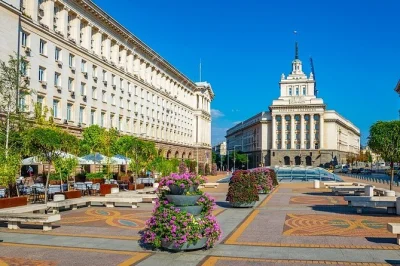 Guided Walking Tour of Sofia: Three Churches & Roman RemainsWalk Sofia's center with a live English guide, entering Alexander Nevsky Cathedral, Saint Sofia Basilica and Saint George Rotunda without separate tickets★ 4.77 (146)2hENUS$ 47View ›
 Sofia Highlights Walking Tour: 20 landmarks in 2 hoursWalk Sofia's 20 most famous landmarks in 2 hours with a licensed local guide who explains the city's history and traditions★ 4.94 (730)2hENUS$ 18.73View ›
 Sofia and Plovdiv day tour: Small group, two ancient citiesVisit Sofia's churches and theaters, then explore Plovdiv's Roman amphitheater and Renaissance Old Town on this seven-hour guided tour from Sofia with lunch and hotel pickup.7hENUS$ 128View ›
 Rila Monastery & Boyana Church day trip: UNESCO sites in BulgariaTwo UNESCO World Heritage sites in one day: Rila Monastery, Bulgaria's largest, and Boyana Church with its 13th-century frescoes.★ 3.14 (14)10hENUS$ 34View ›
 Private Day Trip to Plovdiv and Asen's Fortress from SofiaPrivate day trip from Sofia to Plovdiv's Roman theater, old town and Asen's Fortress in the Rodopi mountains—hotel pickup★ 4.54 (13)9hENUS$ 246View ›
 Sofia Market Food Tour: Ladies Market, Hali & TastingsWalk Sofia's three central markets with a local guide—the Ladies Market, the flea market by Alexander Nevsky Cathedral, and the covered Hali★ 4.91 (22)3hENUS$ 54View ›
Top questions
What's included in the audio guide equipment?
You receive headphones and an audio guide device that works in eight languages—English, Spanish, Italian, French, Russian, Bulgarian, German, and Polish. The guide explains each stop so you can move freely without staying close to the group leader.
Can I enter the churches and temples on this tour?
Yes, you enter St. Alexander Nevsky Cathedral, St. Sophia Church, and the St. George Rotunda to explore their interiors and see the icons, mosaics, and frescoes. Access to the crypt at St. Nicholas the Miracle-Maker depends on group size and whether religious services are happening. During summer, the cathedral may restrict entry if you're wearing shorts or clothing with uncovered shoulders.
What is the Amphitheatre of Serdica?
The Amphitheatre of Serdica is a Roman archaeological site preserved beneath modern Sofia. It shows you how the ancient city of Serdica once hosted public spectacles and entertainment, and the tour includes walking through the remains of ancient streets and building foundations nearby.
How long does the tour take?
The tour runs 2 to 3 hours, covering more than 20 attractions and cultural monuments across Sofia's city center.
Do I have to stay with the group the whole time?
The audio guide lets you move at your own pace and step back from the group when you want. You're not required to stand next to the guide, so you can take photographs, linger at stops that interest you, or move ahead without slowing anyone down.
Where does the tour start and end?
The tour starts near Ivan Vazov National Theatre in central Sofia. It ends at the Presidency of the Republic of Bulgaria, where you'll have the chance to see the changing of the guard.
Sofia Walking Tour: 20+ Landmarks with Audio Guide
2h–3h · EN · DE +5
from US$ 17.56 per person
★★★★★★★★★★4.5999 reviewsVerified traveler reviews via our booking provider
