













Salvador African Heritage Tour: Barra Lighthouse & Casa do Benin
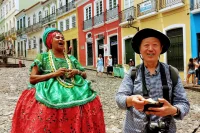
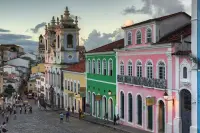
Trace the routes of resistance and spirituality that built Salvador's identity
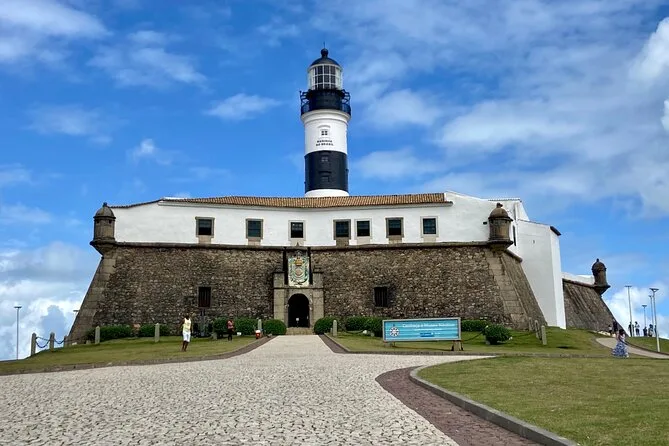
A private guided tour of Salvador's African heritage sites, including the Barra Lighthouse, Dique do Tororó, the former slave market at Terminal da França, the Church of Our Lady of the Rosary of the Black People, and the Casa do Benin Museum. The tour runs four hours with a specialist guide in your choice of language, hotel pickup included, and covers the landmarks that shaped Bahia's Afro-Brazilian roots. Entry to the Casa do Benin Museum is included. The fort's interior costs extra if you choose to enter.
Step-by-step itinerary
Explore Salvador's African heritage sites
- Visit Barra Lighthouse beach
- Photo stop at Forte de Santo Antonio da Barra
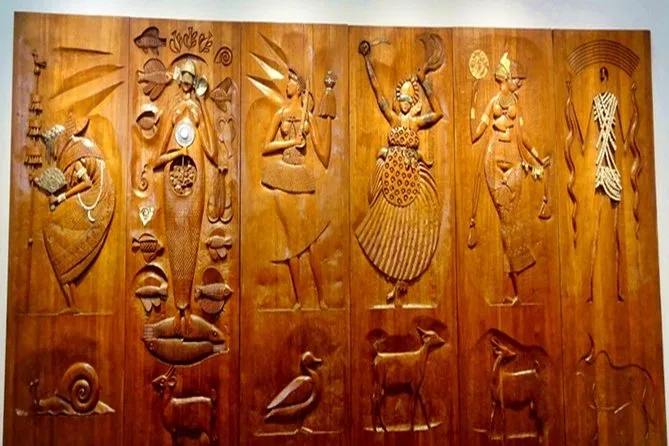
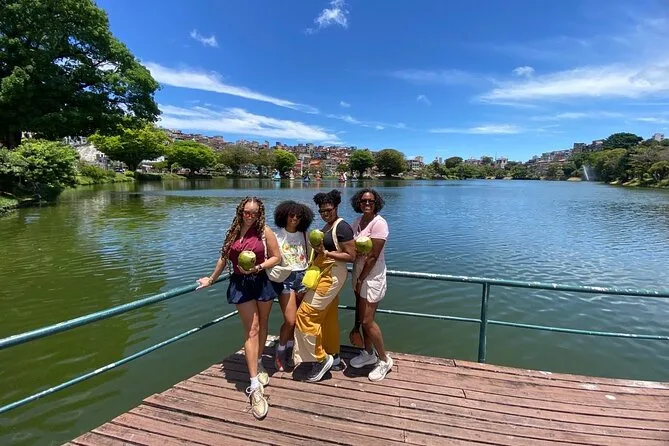
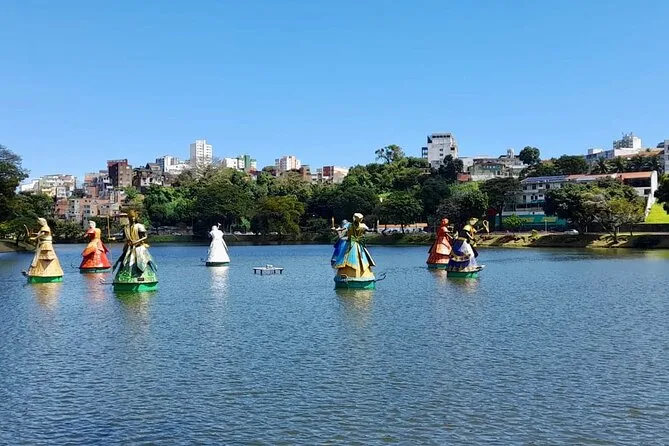
- Explore Dique do Tororó orixas sculptures
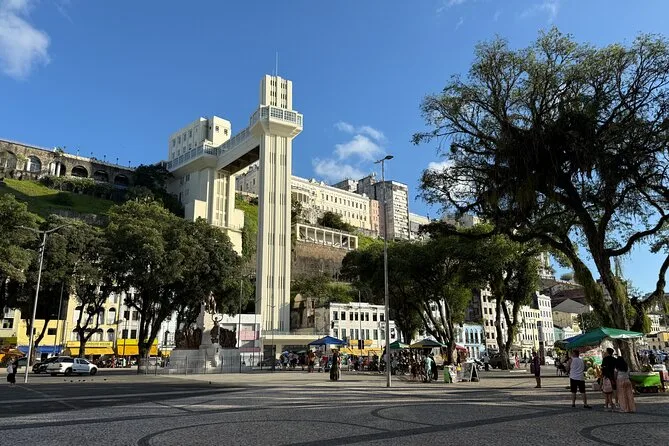
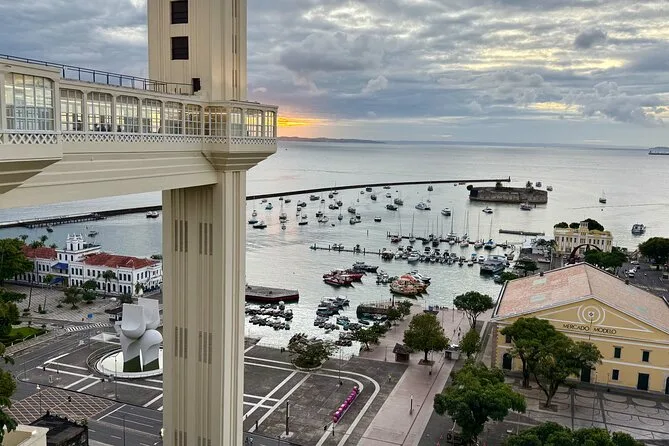
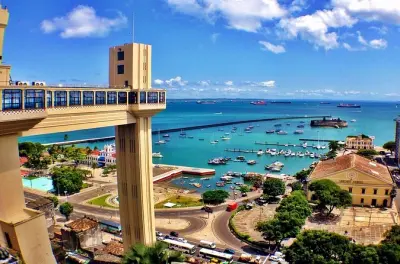
- View Lacerda Elevator from below
- Pass by Mercado Modelo for photos
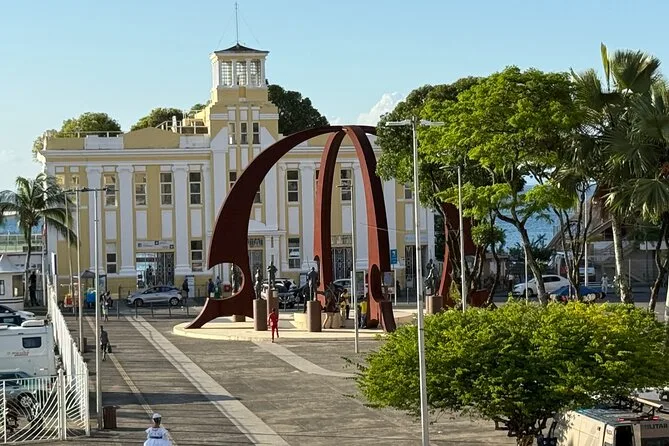
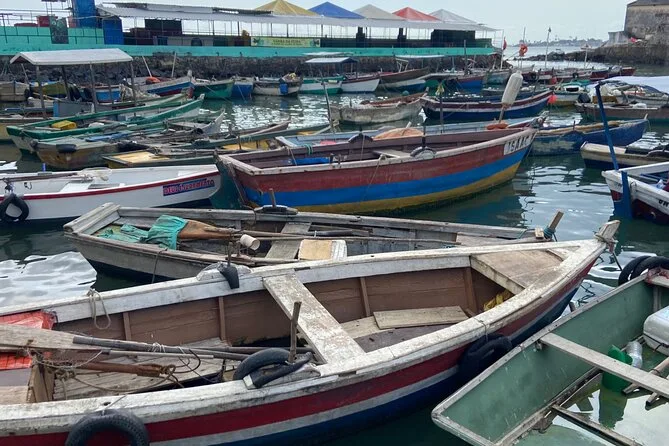
- Walk through Cidade Baixa former slave market
- Walking tour of Cidade Alta historic area
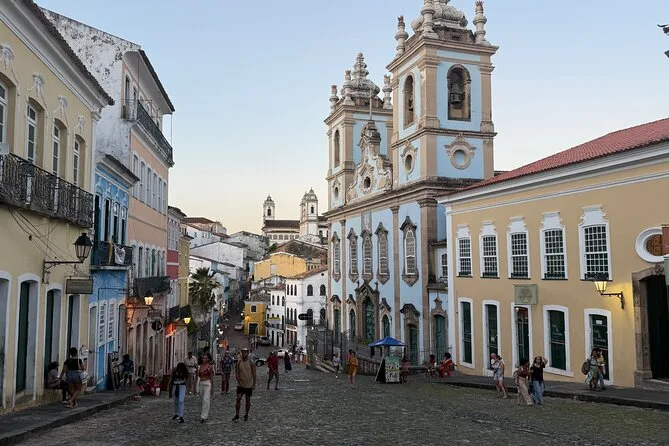
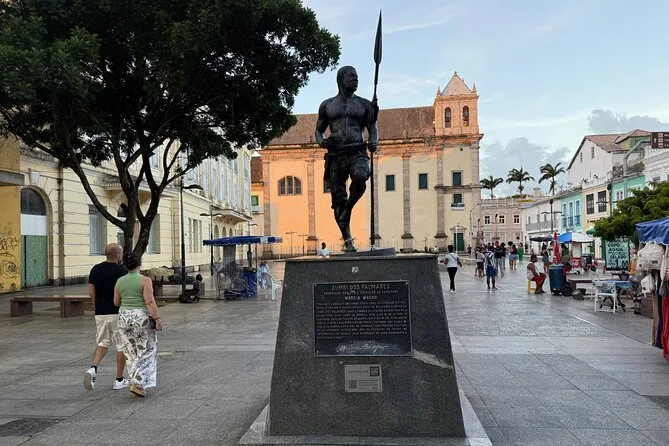
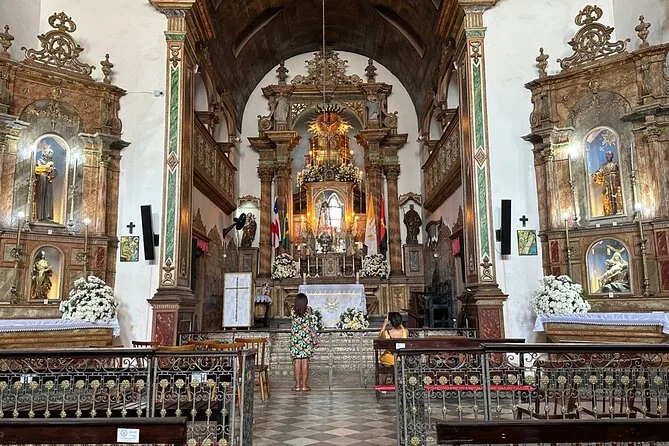
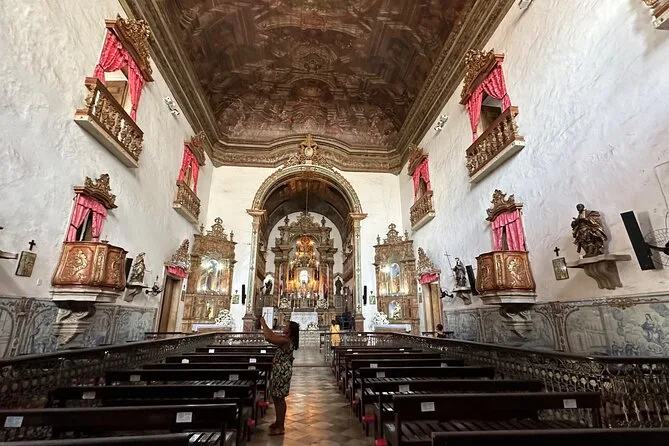
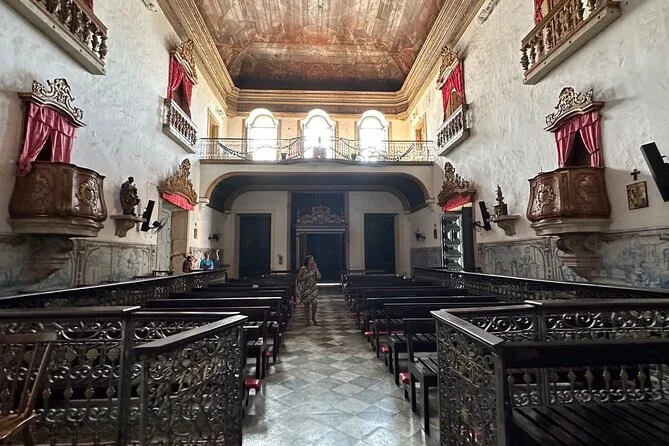
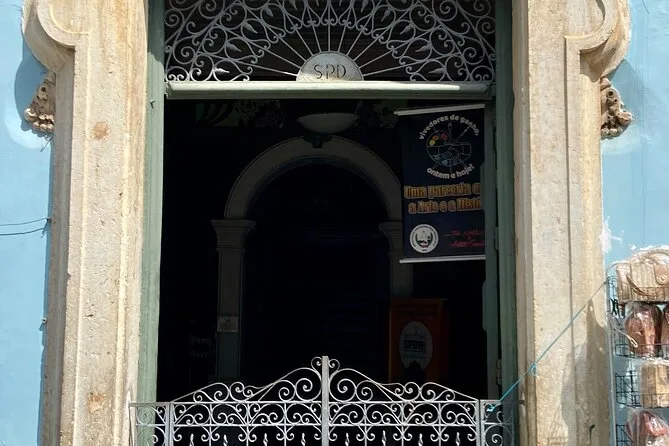
- Visit Church of Our Lady of the Rosary of the Black People
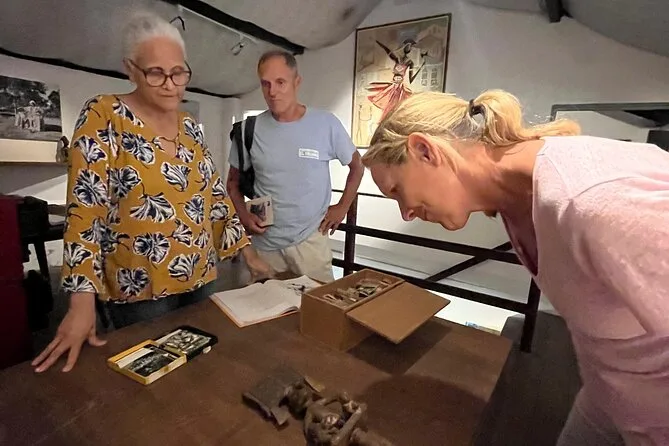
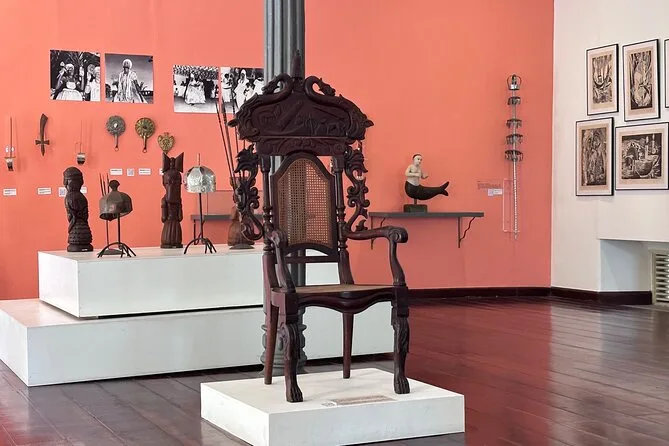
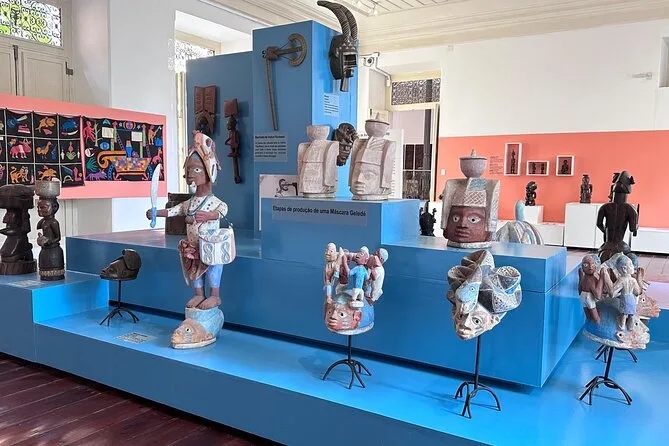
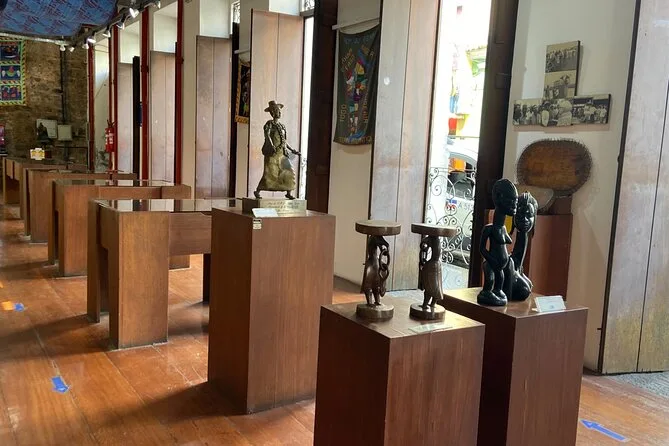
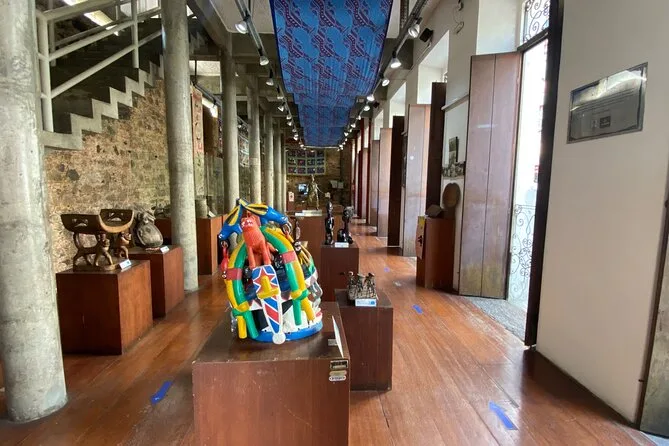
- Tour Casa do Benin Museum collection
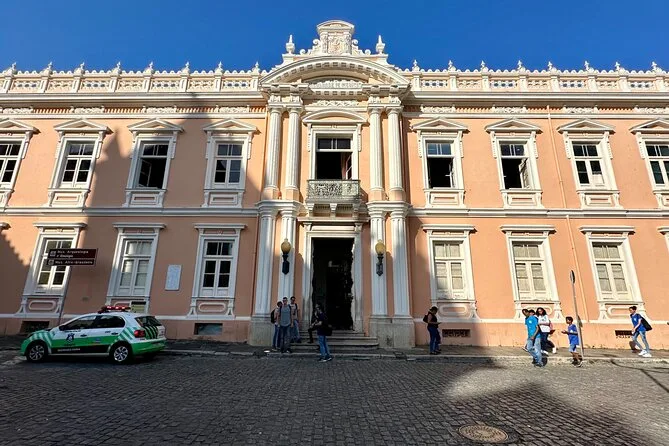
- Visit Afro Brazilian Museum
- Forte de Santo Antonio da Barra 20m
- Tororo Dike 20m
- Lacerda Elevator passing by
- Mercado Modelo passing by
- Cidade Alta passing by
What’s included
- Local guide in your choice of language.
- hotel pickup and drop-off.
- entry to the Casa do Benin Museum.
Times
- Monday to Saturday 08:30 13:00
Before you book
Operated by Your Tour Brazil
Prices and times updated 2 days ago
Traveler reviews
The experience
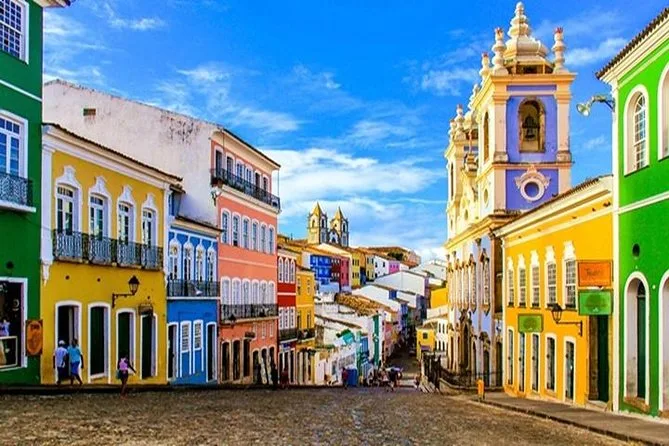
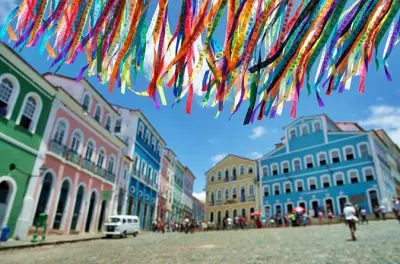
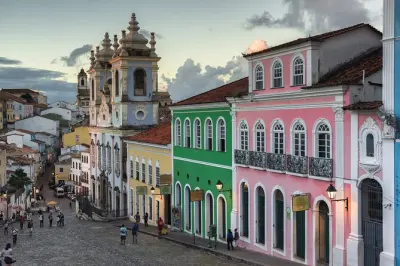
The tour starts at your hotel and moves through the lower city, Cidade Baixa, where the historical weight of the African diaspora sits in the streets themselves. You'll walk past the Terminal da França, the former slave market, and through the cobblestone neighborhoods where that history is still visible in the architecture and the names of the places. The guide walks you through what these sites mean, not just what they look like.
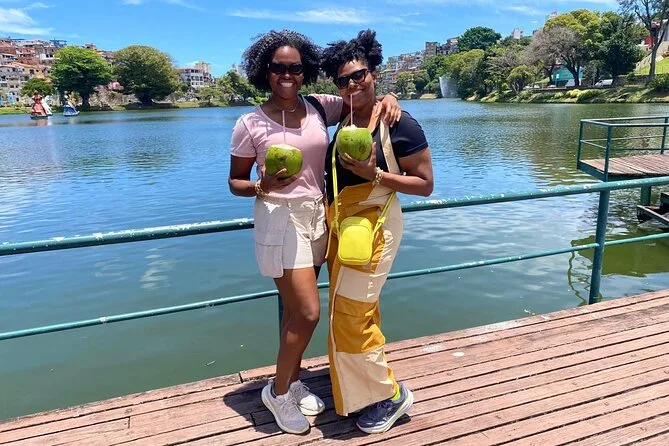
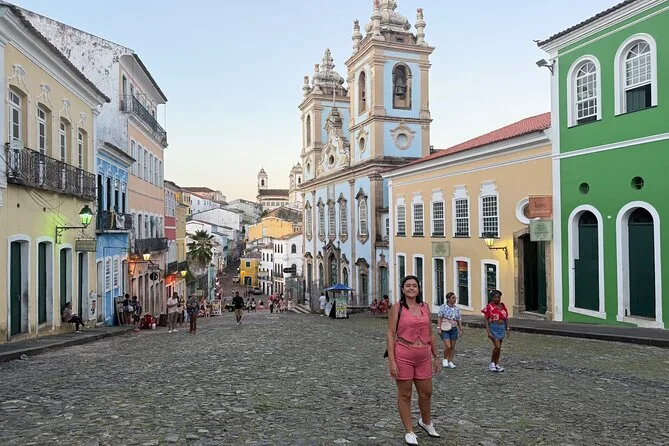
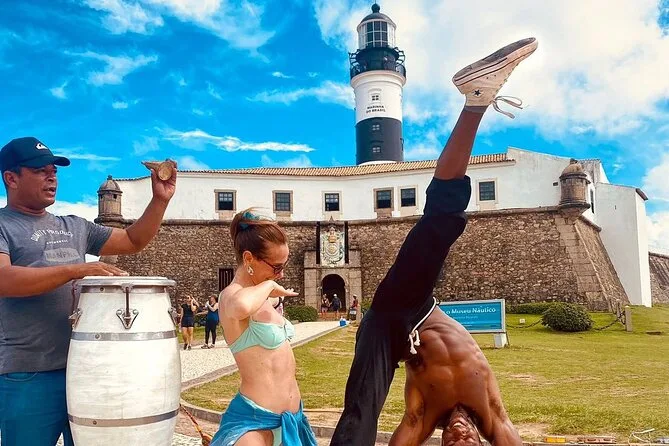
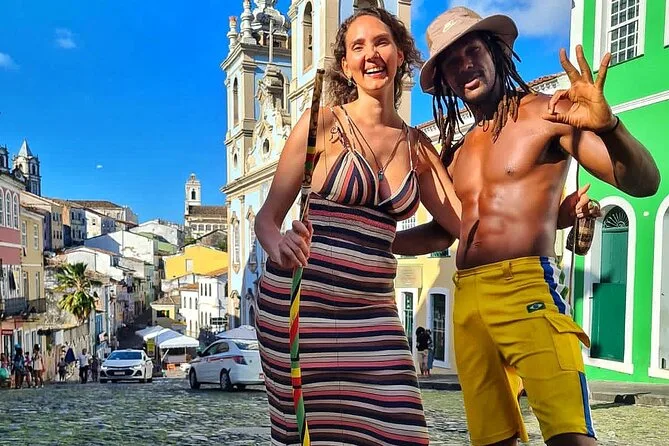
The Barra Lighthouse comes early, a twenty-minute stop at the first beach where Portuguese colonizers arrived. From there the route carries you to the Dique do Tororó, where orixá sculptures line the water: a direct statement of African spiritual practice in public space. You'll see the Lacerda Elevator from below (the world's first urban elevator, built in 1873), pass the Mercado Modelo with its handicrafts and souvenirs, and walk through Cidade Alta on the old streets. The Church of Our Lady of the Rosary of the Black People sits at the center of this route. The liturgy there blends Catholic mass with music from Candomblé terreiros, and an old slave cemetery lies behind it.
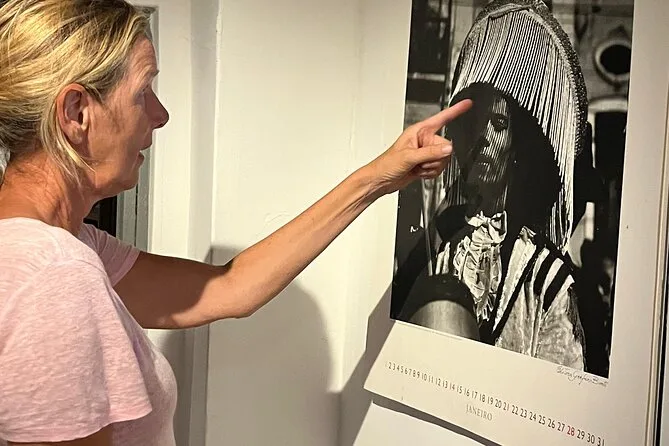
The tour ends at the Casa do Benin Museum, where the collection holds about 200 pieces from the Gulf of Benin (masks, textiles, sculptures) gathered by French photographer Pierre Verger during his expeditions in Africa. Entry is included. The whole route takes four hours. Your guide speaks English, Spanish, Portuguese, Italian or another language you choose at booking, and hotel pickup and drop-off are part of the package.
Is this one for you?Book this if you want a guide who explains how each site (from the slave market to the orixá sculptures) connects to Afro-Brazilian history and identity, rather than visiting them as separate landmarks.
Compare the 5 alternatives

Top questions
What languages is the tour guided in?
Live guide in English, Spanish, French, Italian and Portuguese.
Can children come?
Yes. Ticket types: Child (5 to 10 years); Infant (under 5): free.
What exactly is the Casa do Benin Museum, and what will I see there?
The Casa do Benin Museum holds a collection of about 200 pieces from West Africa (masks, textiles, and sculptures) gathered by French photographer Pierre Verger during his expeditions. Entry is included in the tour.
Do we go inside the Barra Lighthouse and the fort?
The Barra Lighthouse area is a twenty-minute walking stop for photos and exploration of the surroundings. The fort's interior is not included, but you can pay R$12 per person on the day if you want to go in.
What is the Church of Our Lady of the Rosary of the Black People like?
The church preserves the history of enslaved people and uses a liturgy that blends Catholic mass with music from Candomblé terreiros, played on traditional drums. An old slave cemetery sits behind the church. It's celebrated every Tuesday with a Catholic mass that incorporates African cultural elements like singing and dancing.
How much walking is involved in this tour?
You'll walk through the cobblestone streets of Cidade Alta and Cidade Baixa, explore the areas around the Dique do Tororó, and move between several stops. The tour is suitable for all physical fitness levels.
Will we stop to eat or drink during the tour?
Food and drinks are not included in the tour. You'll have time at some stops, but plan to bring water or arrange a meal separately if you need one.
Salvador African Heritage Tour: Barra Lighthouse & Casa do Benin
4h · EN · ES · FR · IT · PT · at your hotel
from US$ 130 per person
Next, you choose your date and number of travelers and see the final price.