
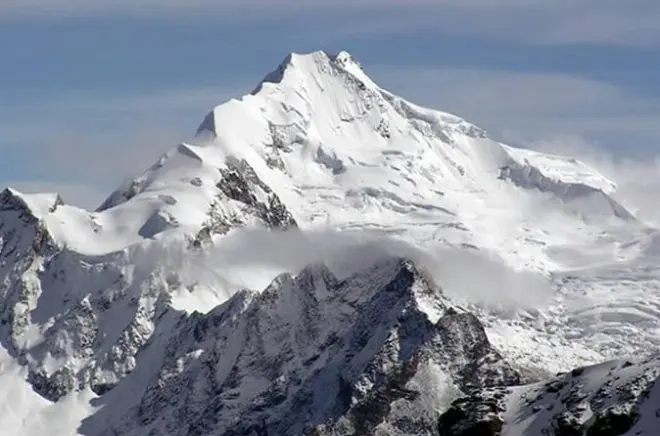


3-day Huayna Potosí climb from La Paz: 6,088m summit
Start on a glacier, sleep at altitude, summit before dawn
A 3-day climb of Huayna Potosí (6,088 m) from La Paz, Bolivia's most popular major peak in the Cordillera Real. Day one includes afternoon mountaineering practice on the glacier and a night at base camp (4,700 m); day two is a trek to high camp (5,200 m); day three begins near midnight and reaches the summit at sunrise, then descends back to La Paz by early afternoon. A professional guide leads every group of up to three climbers.
Step-by-step itinerary
Day 1: Arrival and Glacier Mountaineering Practice
- Meet at office in La Paz
- Travel to Nevado Huayna Potosí base camp
- Lunch at base camp
- Walk to old glacier for mountaineering practice
- Practice glacier techniques for two hours
- Return to base camp for hot drinks
- Dinner and overnight at base camp shelter
Day 2: Ascent to High Camp Refuge
- Breakfast and prepare backpacks
- Lunch at base camp
- Ascend to High Camp refuge
- Arrive at High Camp refuge
- Have hot drinks in afternoon
- Dinner and overnight at High Camp refuge
Day 3: Summit Day and Return to La Paz
- Wake up around midnight and dress
- Have breakfast
- Begin ascent at 1:00 AM
- Take short breaks to rest and eat
- Reach summit around sunrise
- Descend to High Camp
- Have vegetable soup and hot drinks
- Re-pack and descend to base camp
- Return to office in La Paz
What’s included
- All mountaineering equipment including crampons, harness, boots, ice axe, helmet, windproof gear, gloves, gaiters and facemask.
- lodging at the base camp and high camp refugios.
- all meals on the mountain.
- private group transport from La Paz.
- a professional guide for every three climbers.
- Every day 12:00
Information
Climb Huayna Potosí (6,088 m) from La Paz in 3 days with glacier training, two mountain huts and a professional guide.
Compare the 4 alternatives
The experience
Huayna Potosí stands 25 km from La Paz and is climbable for beginners, but the final stretch is steep and demands fitness and determination. The 3-day structure exists to build your body's tolerance: you spend the first night at 4,700 meters to acclimatize, and the second night at 5,200 meters, so your lungs and muscles adjust before the summit push. The afternoon of day one is spent on the glacier itself, practicing the basic mountaineering techniques (crampons, ice axe, rope work) that you'll use on the climb. This training happens where you'll use it, not in a classroom.
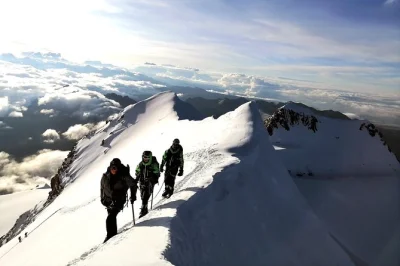
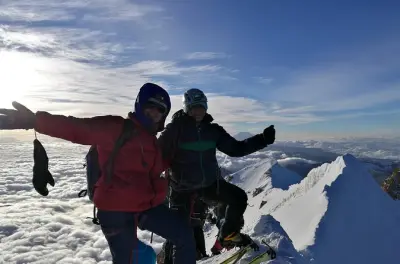
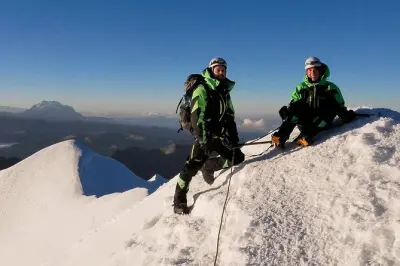
Day two is a trek of about two hours from base camp up to high camp at Las Rocas, a moraine camp at 5,200 meters. You arrive in the afternoon, rest, hydrate and eat. Day three starts near midnight. You'll climb in the dark for several hours with short breaks for water and chocolate, aiming to reach the 6,088-meter summit around sunrise so you can see the Cordillera Real, Lake Titicaca and the highlands spread below you. The descent takes two to three hours back to high camp, then another hour down to base camp. You're usually back at the La Paz office by 1 or 2 p.m., the same day.
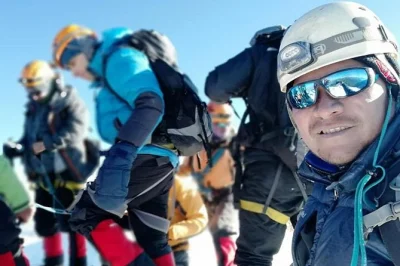
All meals on the mountain are provided, along with lodging in the refugios at both camps. The climbing equipment (crampons, harness, boots, ice axe, helmet, windproof gear, gloves, gaiters and facemask) is included. Private transport picks you up from La Paz in the morning and brings you back the same afternoon, so you don't arrange separate logistics. A professional guide leads the group. The ratio is one guide per three climbers.
Top questions
What languages is the tour guided in?
Live guide in English and Spanish.
What happens if it rains?
It may be canceled due to bad weather. If that happens, you're offered another date or a refund. Free cancellation up to 24 h before the start.
How fit do I need to be to climb Huayna Potosí?
You need at least moderate physical fitness and the mental determination to push through steep, strenuous sections, especially on summit day. The climb is accessible for beginners to mountaineering, but not for people who are sedentary. The final stretch to the top is demanding.
What happens on the first day when we arrive at base camp?
After a 2-hour drive from La Paz, you arrive at base camp (4,700 m) around 11:30 a.m., eat lunch, then walk 40 minutes to an hour to reach the old glacier. You spend about 2 hours practicing basic mountaineering techniques on the ice (how to use crampons, ice axe and rope) before returning to base camp for hot drinks, dinner and your first night in the refugio.
What time do we start climbing on summit day?
You wake near midnight, eat breakfast, and begin the ascent around 1 a.m. The climb takes several hours, with short breaks for rest, water and chocolate along the way. You're timed to reach the summit around sunrise so you can see the view across the Cordillera Real and Lake Titicaca.
What's included in the price and what do I need to bring myself?
The price covers all climbing equipment (crampons, harness, boots, ice axe, helmet, windproof gear, gloves, gaiters, facemask), lodging at both mountain huts, all meals on the mountain, private transport from La Paz and a professional guide. You bring your own personal clothing and gear. Travel insurance that covers high-altitude mountaineering is strongly recommended and is not included.
When do we get back to La Paz on the final day?
After descending from high camp to base camp (about 1 hour), you drive back to La Paz and usually arrive at the office between 1 and 2 p.m. the same day.
Operated by Peru Expeditions Tours. Explorevia does not run this tour: we compare it with similar options, and you book it with our booking partner.
Prices and times updated 6 days ago
3-day Huayna Potosí climb from La Paz: 6,088m summit
3d · EN · ES
from US$ 450 per person
Next, you choose your date and number of travelers and see the final price.