
Huayna Potosi: 3-Day Climb with Glacier Training & Summit
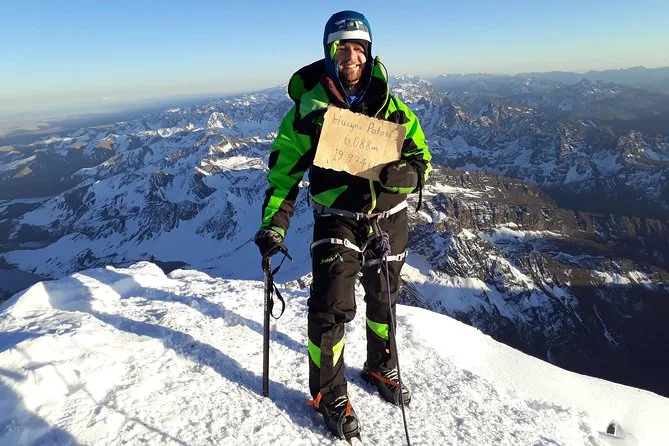
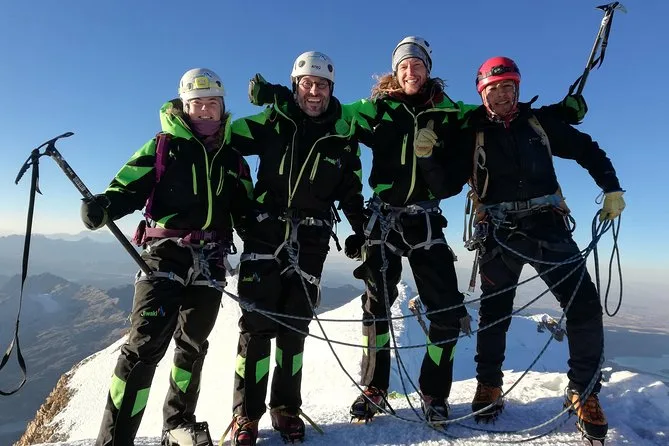

Huayna Potosi climb from La Paz with glacier skills and summit push
You’ll learn basic mountaineering skills on Huayna Potosi’s glacier before spending two nights acclimatizing at base and high camps with local guides supporting you every step. Expect cold winds, real camaraderie over hot meals, and a sunrise summit push that leaves you changed—even if you’re not sure how until later.
 3d
3d

Step-by-step itinerary
Day 1 — Instruction and acclimatization at glacier
- Arrive at Glacier 4900m
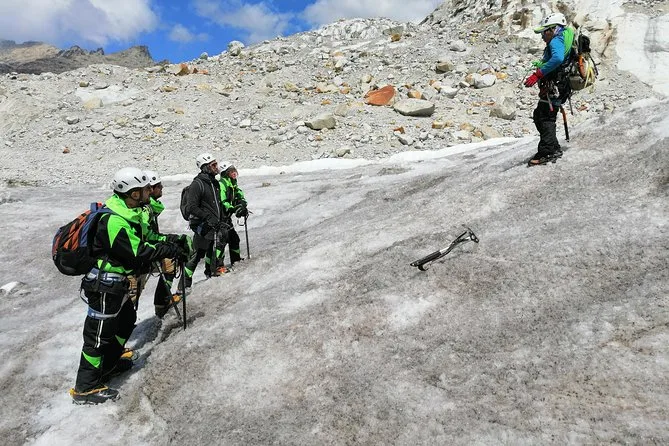
- Receive mountain climbing instruction
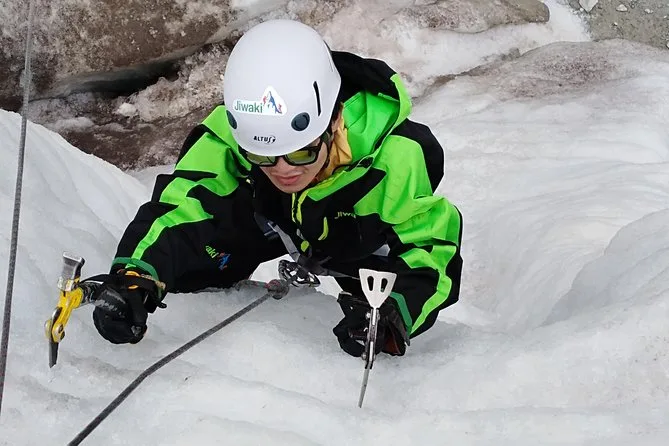
- Practice ice climbing techniques
- Overnight at base camp
Day 2 — Ascent to high camp
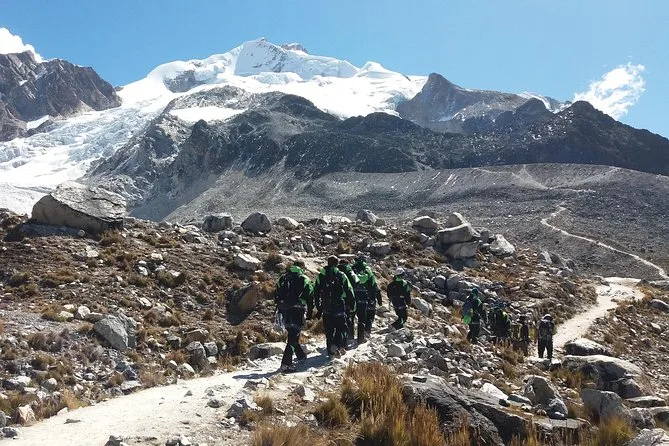
- Climb from base camp to high camp
- Acclimatize at high camp
- Rest overnight at high camp
Day 3 — Summit attempt and return
- Summit Huayna Potosi 6088m
- Descend to base camp
- Return to La Paz city

The Experience
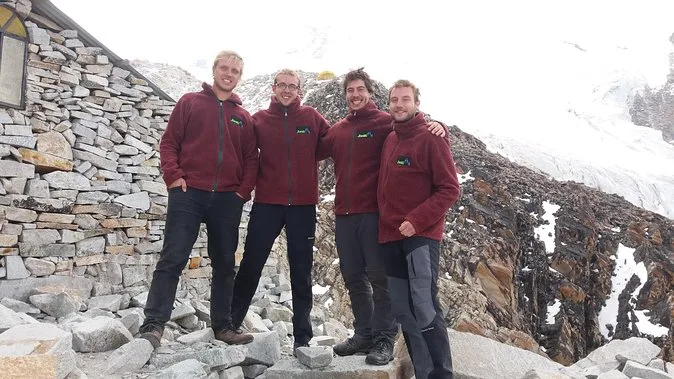
“You’ll feel the mountain in your bones before you see the top,” our guide Javier grinned, handing me a battered thermos at base camp. I’d only met him that morning in La Paz, but by the time we reached Glacier 4900m for our first crampon lesson, it felt like he’d been teaching nervous climbers forever. The ice was louder than I expected—crunchy underfoot, almost like breaking glass. My hands tingled from the cold but also from nerves. There’s something about strapping on those heavy boots and looking up at Huayna Potosi that makes you question your sanity a bit.
The first night at base camp was rougher than I’d hoped. The wind rattled the refuge walls and someone’s laughter echoed down the hallway—maybe relief or maybe just altitude silliness. Dinner was simple but hot (I still remember the steam fogging my glasses), and Javier kept checking in, making sure we drank enough coca tea to help with acclimatization. I thought I slept, but really I just listened to my own heartbeat thumping too fast.
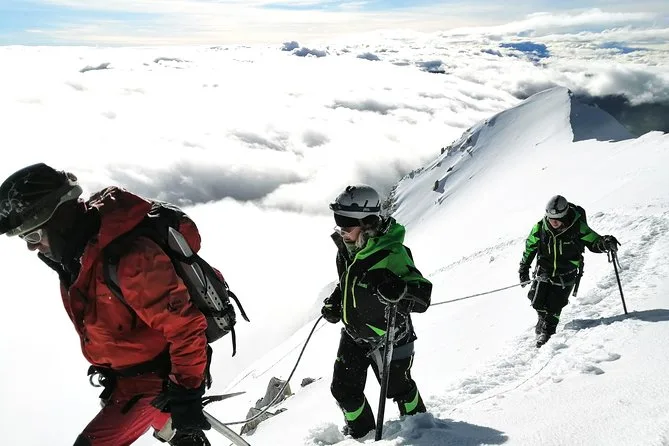
The second day we climbed to high camp—just us, Javier, and another pair from Chile who’d never seen snow before. The air got thinner with every step; sometimes I stopped just to pretend I was taking a photo when really I needed to catch my breath. At sunset, everything went pink and silent except for distant avalanches cracking somewhere out of sight. That’s when it hit me how far from home we were—32 kilometers from La Paz isn’t much on paper, but up here it feels like another planet.
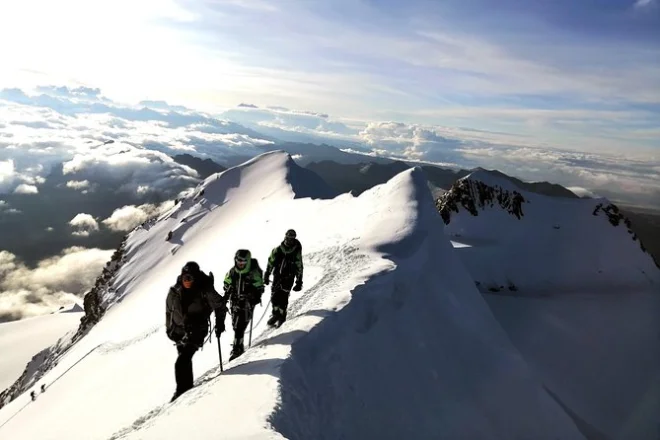
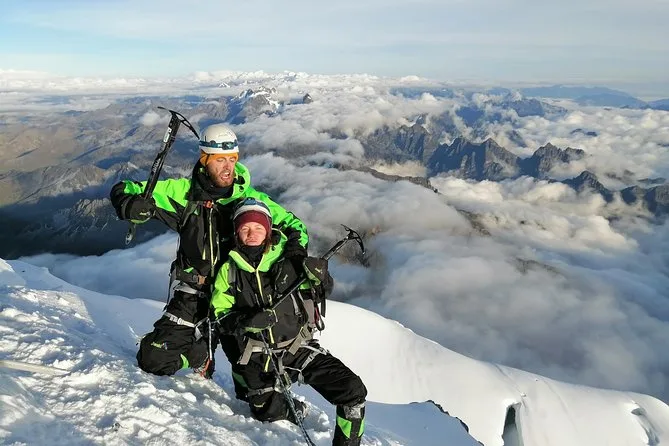
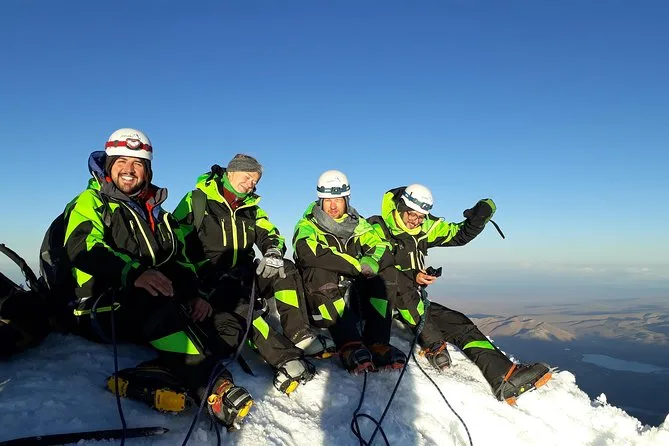
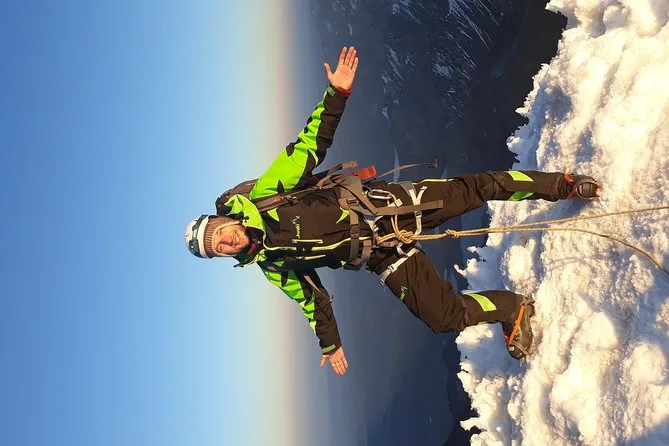
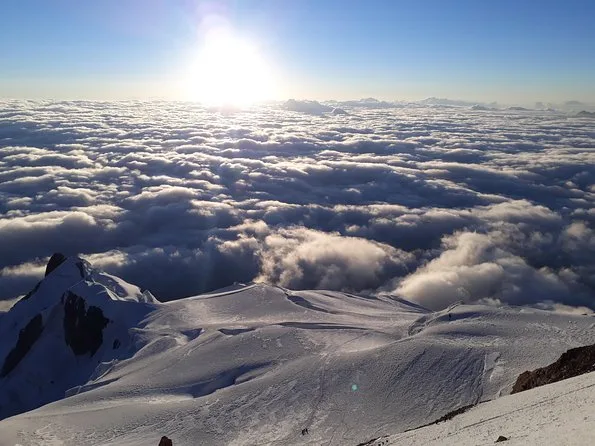
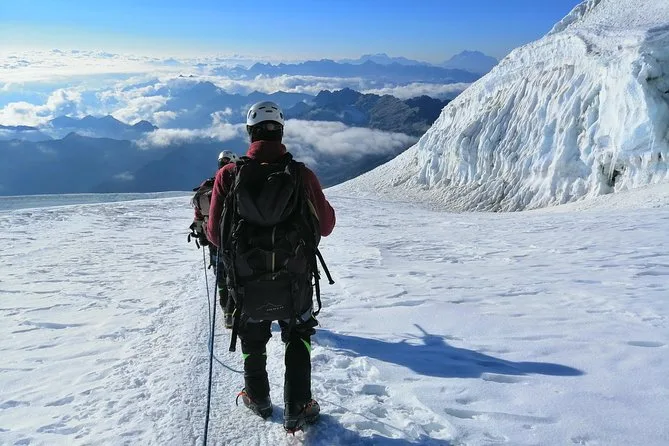
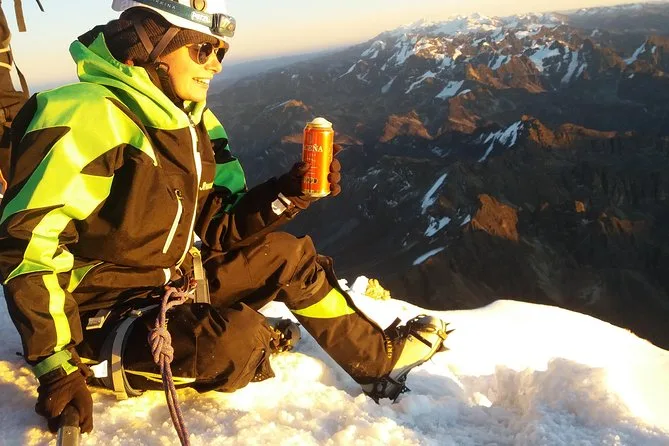
Summit day started in darkness. We moved in slow-motion lines of headlamps up the glacier, boots squeaking on old ice. The last stretch is steep—I mean really steep—and at one point Javier just said “Don’t look down now.” He laughed after saying it, which didn’t help my nerves much. But then suddenly we were there: 6088 meters above sea level, sun coming up over the Cordillera Real. It wasn’t even clear at first if I felt proud or just relieved or both. Sometimes I still think about that view when things get noisy back home.

What’s included
Your trip covers private transport from La Paz to Huayna Potosi and back again, all meals during the tour (so you don’t have to worry about snacks), full technical climbing gear—from windproof jackets to crampons—and refuge stays at both base camp and high camp for proper acclimatization before your summit attempt alongside experienced guides.
Operated by Jiwaki
Traveler reviews
Compare the 13 similar options
 Huayna Potosi: 3-Day Climb with Glacier Training & Summit★ 4.84 (140)3dEN · ESUS$ 210
 Copacabana & Isla del Sol day trip: boat to Sun TempleFull-day tour from La Paz to Copacabana and Isla del Sol with bilingual guide, hotel pickup, boat transport and lunch stop★ 4.79 (801)16hEN · ESUS$ 59View ›
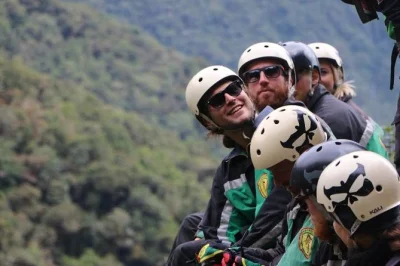 Death Road bike tour from La Paz: 64km descent with guidesRide the 64km Death Road descent from La Paz with a guide, full safety gear and lunch included—start on tarmac above the clouds, finish in the jungle at 1200m lower.★ 4.96 (984)1dEN · ESUS$ 90View ›
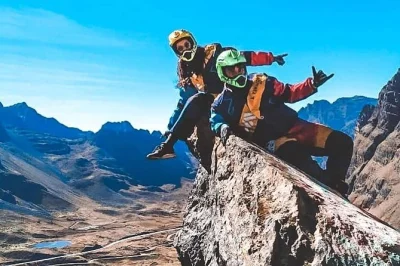 La Paz: Death Road Bike Tour & Coroico DescentDeath Road biking tour from La Paz with professional guides, equipment, lunch at Dos Rios hotel and shower access. 3,600m to 1,200m descent through Bolivian jungle.★ 4.94 (3,742)1dEN · DE +1US$ 156View ›
 Death Road Biking from La Paz: 33km downhill rideCycle 33 kilometers down Bolivia's Death Road from La Paz through the Yungas on a guided bike tour, complete with equipment and a meal stop.★ 4.95 (38)13h–14hEN · ESUS$ 98View ›
 Copacabana & Isla del Sol: 2-Day Lake Titicaca from La PazLake Titicaca 2-day trip from La Paz with overnight on Isla del Sol. Includes boat transport, bilingual guide, hotel pickup, and Inca temples. Depart 7am, return 10:30pm.★ 4.64 (125)2dEN · ESUS$ 69View ›
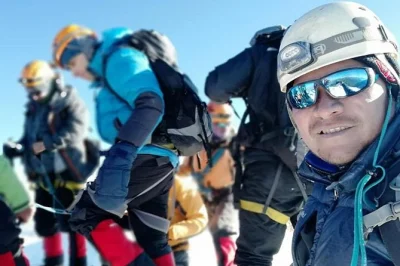 Huayna Potosí 3-Day Climb: La Paz to 6,088m SummitClimb Huayna Potosí (6,088m) in three days from La Paz with professional guide, base camp stays, and all climbing gear included. Acclimatization on glacier.★ 4.85 (157)3dEN · ESUS$ 327View ›
 La Paz half-day tour: Valle de las Ánimas & Moon ValleyHalf-day tour of La Paz visiting Valle de las Ánimas, Moon Valley and Killi Killi Viewpoint with private transport and live guide in English or Spanish★ 4.89 (82)4h–5hEN · ESUS$ 85View ›
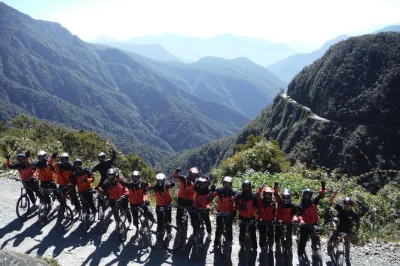 La Paz Death Road Bike Tour: Full Suspension & Pool LunchFeel the rush biking Bolivia’s Death Road from La Paz to the Amazon edge, with expert guides, top bikes, hotel pickup, buffet lunch, and a swim at the finish.★ 4.83 (204)11h–12hEN · ESUS$ 125View ›
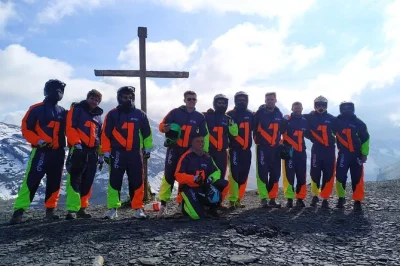 La Paz Death Road Bike Tour: Downhill Adventure & Local GuideFeel the rush on Bolivia’s Death Road bike tour from La Paz, with expert guides, full safety gear, and a real taste of the mountains. Includes lunch & pickup.★ 4.97 (708)1dEN · DE +1US$ 105View ›
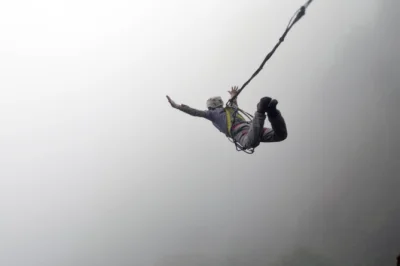 La Paz: Highest Via Ferrata America & Rappel CircuitVertical Route via ferrata near La Paz: 6 activities including rappel, zip line, hanging bridge. Private transport, safety gear, water included. Groups of 4+.★ 4.97 (219)6hENUS$ 90View ›
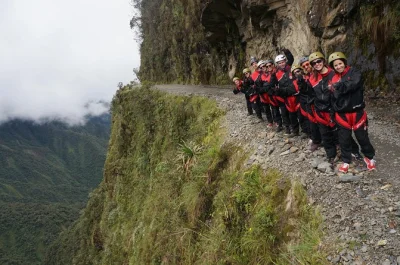 Bolivia Death Road: Mountain Bike Tour & Wildlife LunchFeel the rush on Bolivia’s Death Road mountain bike tour from La Paz, ride through waterfalls, and unwind with rescued animals at Senda Verde—lunch included.★ 4.95 (1,177)13h 30mEN · ESUS$ 145View ›
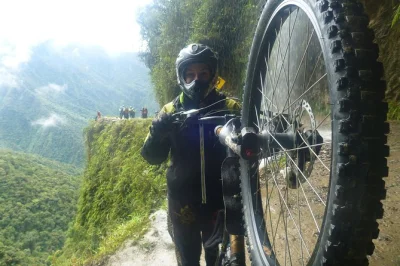 La Paz: Death Road Bike Ride 62km & Jungle Descent62km Death Road mountain bike descent from 3,600m to 1,200m with hotel pickup, lunch and guide photos. Full-day adventure in Bolivia's Cordillera Real.★ 4.83 (18)12hEN · ESUS$ 87View ›
Top questions
Is Huayna Potosi suitable for beginners?
Yes, fit beginners can climb Huayna Potosi with proper acclimatization and a competent guide.
How many days does the Huayna Potosi climb take?
The tour lasts three days: glacier training on day one, ascent to high camp on day two, and summit attempt plus return to La Paz on day three.
What is included in the Huayna Potosi climbing package?
The package includes private transportation, meals during the tour, technical climbing equipment, guided support (one guide per two clients), and refuge accommodation.
How far is Huayna Potosi from La Paz?
Huayna Potosi is located about 32 km from La Paz city.
Do I need prior mountaineering experience?
No prior experience is required but good physical fitness and acclimatization are necessary.
Is this climb recommended for people with health issues?
No; it's not recommended for travelers with spinal injuries, poor cardiovascular health, or very high vertigo.
Huayna Potosi: 3-Day Climb with Glacier Training & Summit
3d · EN · ES
from US$ 210 per person
★★★★★★★★★★4.84140 reviews
