

 +507 6792-0894


Swan Valley Winery Tour with Tasting & Vineyard Walk



Summary
Guided Wine Experience in Swan Valley’s Upper Reaches
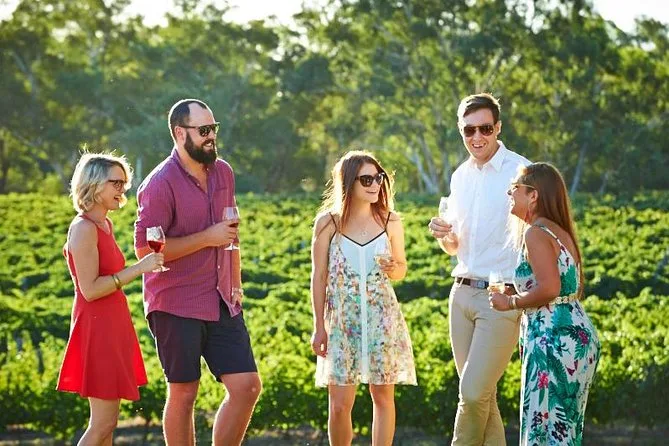
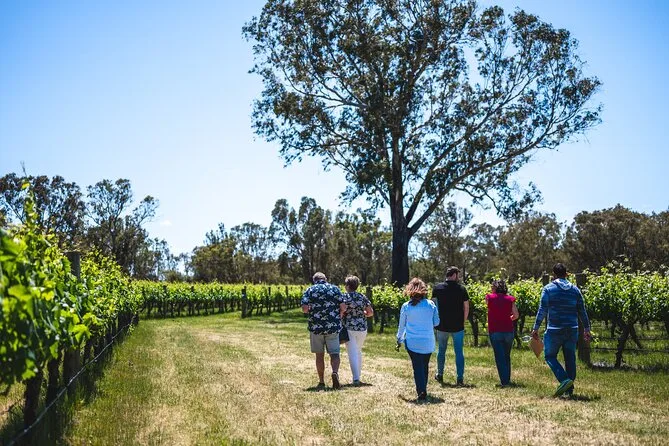
This is your chance to walk Swan Valley vineyards with a local guide, taste fresh wines straight from barrel or tank, explore behind-the-scenes winemaking steps, and shop for regional treats at the cellar door. Perfect for anyone curious about how grape to glass really works—and who wants to enjoy it all by the river.

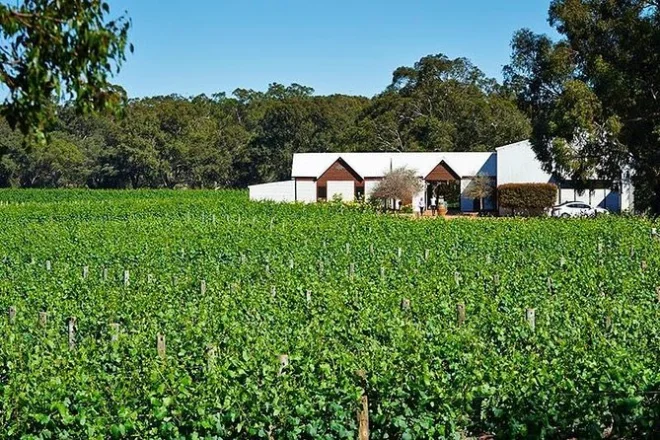
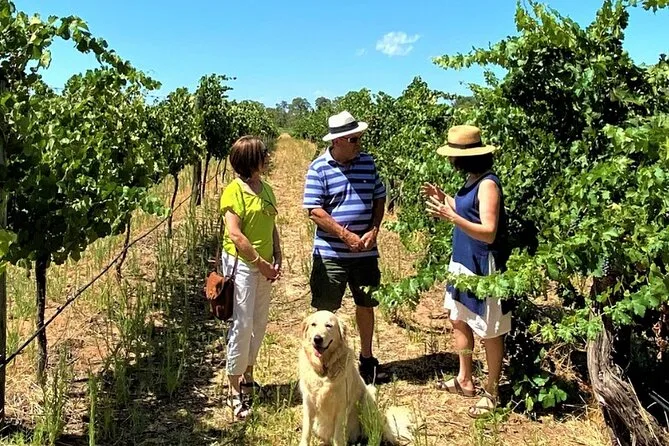
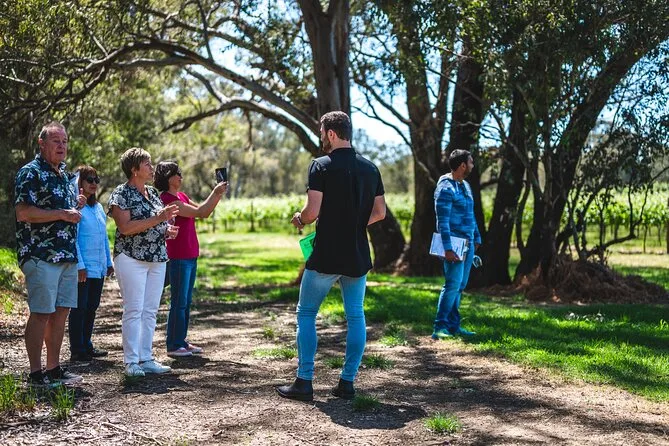
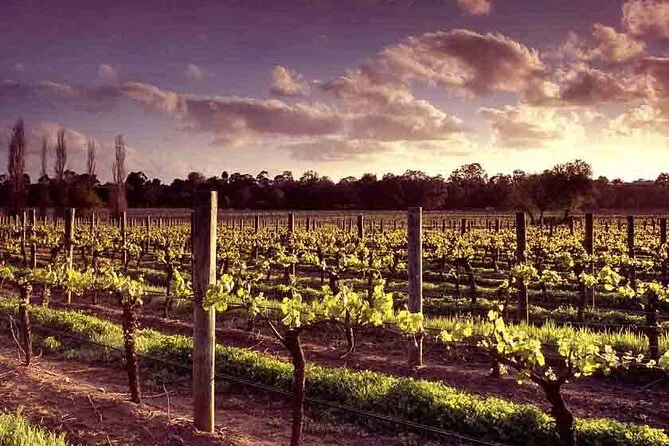
“You can taste the river in this one,” our guide said, holding up a glass as sunlight flickered off the Swan River just beyond the vines. We’d started our morning at the cellar door, shoes crunching on gravel, before wandering down rows of grapevines heavy with fruit. The air was cool but smelled faintly sweet—almost like crushed leaves and something floral I couldn’t quite place. Our guide grew up nearby and pointed out which grapes thrive in this part of Western Australia, sharing stories about harvest days and local winemakers.
Inside the working winery, it got quieter except for the low hum of equipment and the soft echo of our footsteps on concrete floors. We tasted white wines first, right where they’re made—one sample came straight from a steel tank, still cloudy and cold. There’s something different about sipping wine before it’s bottled; you pick up hints you’d miss otherwise. In the barrel room, we learned how oak changes everything—the smell was woody and a little spicy, almost like walking into an old shed after rain.
Questions kept coming—about fermentation, about why some barrels are French oak and others aren’t—and our guide answered every one without rushing us along. I snapped photos by the riverbank while someone else tried to spot black swans gliding past. Back at the cellar door, we browsed shelves lined with local olive oil and jams alongside bottles of red and white. It felt easy to linger here; no one minded if you took your time deciding what to bring home.
 1h
1h

Step-by-step itinerary
Day 1 — Winery Tour and Wine Tasting
- Guided vineyard walk and wine region overview
- White wine tasting at Cellar Door
- Winemaking process tour and tank wine sampling
- Red wine tasting and oak barrel discussion
- Shopping at Cellar Door

Top questions

How long does this Swan Valley winery tour last?
The guided experience usually takes around 1.5 to 2 hours from start to finish, including tastings and time at the cellar door.
Is this wine tour suitable for children or people with limited mobility?
Yes, children can join if accompanied by an adult, and all areas are wheelchair accessible—including paths through the vineyard and inside the winery.
Do I need special footwear for walking in the vineyard?
Sensible shoes are recommended since you’ll be walking on gravel paths and through vineyard rows; high heels aren’t advised.
Are there opportunities to buy local products during the tour?
Absolutely—you’ll finish at the cellar door where you can purchase locally made produce like olive oil or jams along with any favorite wines you’ve tasted.

What’s included
Your visit covers guided walks through both vineyard and working winery spaces, plus generous tastings of red and white wines along the way. You’ll also have a knowledgeable host ready to answer questions about winemaking or local history, all taxes included—and when you’re done exploring, there’s time to browse regional products at the cellar door before heading out.
 Super deal
  Free booking, free cancellation.
  Don't lose your place.


 Do you need help planning your next activity?
  +507 6792-0894


