
Doi Inthanon: Private Day Trip Waterfalls, Karen Village & Pickup


Chiang Mai to Doi Inthanon waterfalls and Karen village day tour with lunch
You’ll feel mountain air on your face at Doi Inthanon’s peak before wandering under waterfalls and through cloud forests with a local guide. Taste pad thai at Thailand’s highest point and share smiles with Karen villagers in Sobhad before browsing Hmong market stalls for wild fruit or handwoven scarves. This day trip leaves you with memories that linger long after you’re back in Chiang Mai.
 8h
8h

Step-by-step itinerary
Explore Doi Inthanon National Park
- Visit Wachirathan Waterfall
- Explore Sirithan Waterfall
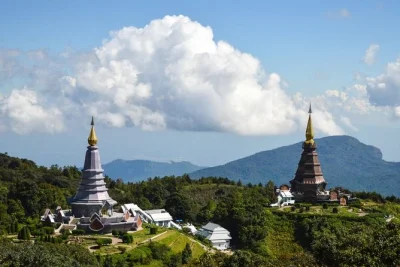
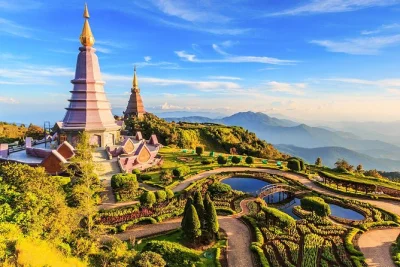
- See twin pagodas and gardens
- Have lunch at nearby restaurant
- Walk Angka Nature Trail
- Visit Karen Tribe at Sobhad Village
- Browse Hmong Tribe upland market

The Experience
Ever wondered if the air really does feel different at Thailand’s highest point? I didn’t expect it to hit me — but as soon as we stepped out near the summit of Doi Inthanon, the air was so crisp it almost stung my nose. Our guide, Noi, grinned at my shiver and handed me a cup of something hot (I never did catch what it was). It was early, clouds still tangled in the trees, and you could hear nothing but water somewhere below and birds that sounded like they were laughing at us city folks. The drive from Chiang Mai took about two hours but honestly, I barely noticed — watching fields blur into forest while Noi told stories about the old kings and mountain spirits.
First stop: Wachirathan waterfall. You hear it before you see it — this low thunder that makes your chest buzz a little. The spray actually left my glasses dotted with water; I wiped them off and just stood there for a minute because everything smelled green and alive. After that we wound up to Sirithan waterfall, which is quieter but somehow feels older, tucked into thick pines where the light comes down in stripes. I tried to get close for a photo but slipped on a mossy rock (no injuries, just pride). Lunch came after visiting these royal pagodas — purple and gold against all that foggy green. There’s something funny about eating pad thai at the highest spot in Thailand; I kept thinking about how far away Chiang Mai felt right then.
The Angka Nature Trail was more of a gentle stroll than a hike (which my knees appreciated), all wooden walkways through mossy trunks and orchids clinging everywhere. It smells damp and sweet up there, like earth after rain. When we reached Sobhad village later on, some kids ran up to us giggling — one of them tried teaching me how to say “hello” in Karen language. Li laughed when I tried to repeat it; probably butchered it completely. Their woven scarves are bright enough to hurt your eyes in the sun. We bought coffee beans from an old woman who barely looked up from her work but smiled when Noi thanked her in Karen dialect.
Our last stop was the Hmong upland market — chaos in the best way: people bargaining over chilies, piles of wild mushrooms, hands moving fast over baskets of fruit. If you’ve ever wondered what real mountain life smells like, it’s equal parts woodsmoke, fried things, wet earth. I still think about that view back down toward Chiang Mai as we drove home — sky turning orange behind all those hills. Not sure I’ll ever forget how quiet it felt up there compared to city noise.

What’s included
Your day includes roundtrip hotel pickup from Chiang Mai in an air-conditioned vehicle, entry fees for both Doi Inthanon park and royal pagodas, bottled water along the way, an English-speaking local guide who knows every twist of the road (and has plenty of stories), plus lunch at a mountaintop restaurant before heading back down through villages and markets late afternoon.
Operated by TripGuru Thailand
Traveler reviews
Compare the 13 similar options
 Doi Inthanon: Private Day Trip Waterfalls, Karen Village & Pickup★ 4.83 (99)8hEN · DEUS$ 125
 Doi Inthanon Full Day Tour: Thailand's Highest PeakFull-day tour to Doi Inthanon, Thailand's highest mountain at 2,565 meters, with visits to two waterfalls, the King and Queen Royal Pagodas★ 4.82 (200)9h–10hENUS$ 43View ›
 Doi Inthanon hike from Chiang Mai: Royal Pagodas & MistFull-day tour from Chiang Mai to Thailand's highest peak with English-speaking guide, local Hmong hiker, and traditional Thai lunch included11h–12hENUS$ 38View ›
 Doi Inthanon Sunrise Hike: Local Guide, Coffee & LunchExperience Doi Inthanon’s sunrise, hike rainforest trails, visit twin pagodas, and taste local coffee. Includes hotel pickup, breakfast box, and Chiang Mai lunch.★ 4.71 (56)9hUS$ 120View ›
 Doi Inthanon trek: Thailand's highest peak adventureTrek through cloud forest and jungle to waterfalls, pagodas and hill tribe villages on Doi Inthanon, Thailand's highest mountain, with hotel pickup★ 4.46 (250)11hENUS$ 48View ›
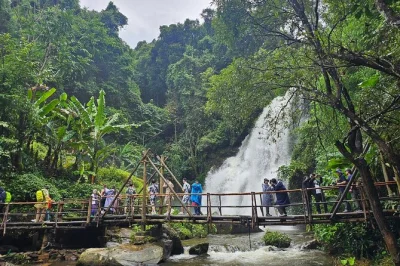 Doi Inthanon trek & hill tribe coffee: Local guide, pickupExperience Doi Inthanon National Park from Chiang Mai with a local guide, 2-hour trek, hill tribe village visit, and waterfall stop. Includes pickup & lunch.★ 4.39 (18)11hENUS$ 48View ›
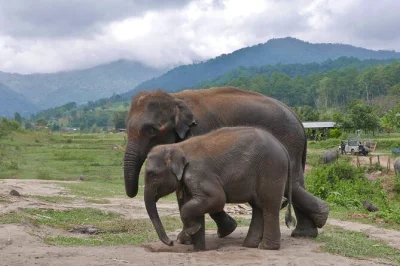 Doi Inthanon, Elephant Sanctuary & Trek: 3-in-1 Chiang Mai TourThree stops in one day from Chiang Mai: meet elephants at an ethical sanctuary, climb to Thailand's highest peak and its King and Queen pagodas★ 4.78 (1,159)10h–12hENUS$ 46View ›
 Doi Inthanon trek from Chiang Mai: Thailand's highest peakTrek through Doi Inthanon's cloud forest to the King and Queen Pagodas at 2,565 meters. Hotel pickup at 7am, two moderate trails★ 4.33 (259)9h–10hENUS$ 45View ›
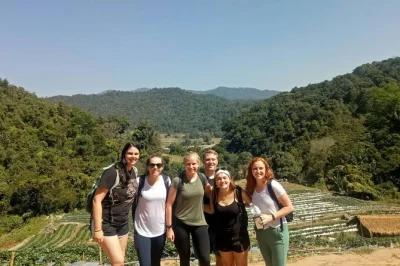 Doi Inthanon Trek & Coffee: Thailand's Highest Peak from Chiang MaiThailand's highest mountain with private trek, Twin Pagodas, waterfall and hill tribe coffee tasting. Includes park entry, lunch, AC transfer from Chiang Mai.★ 4.98 (725)9hENUS$ 144View ›
 Doi Inthanon & Karen Village Private Day Trip from Chiang MaiPrivate day trip from Chiang Mai to Doi Inthanon National Park and Karen Hill Tribe village with local guide, park entry and lunch included★ 4.98 (58)10hEN · THUS$ 218View ›
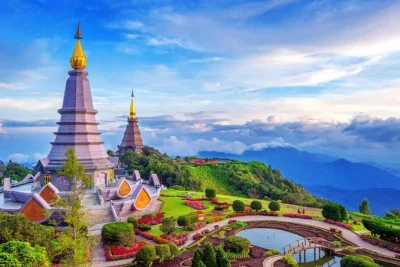 Chiang Mai: Doi Inthanon Day Trip, Waterfall & Hilltribe LunchFeel cool mountain air, taste hilltribe flavors, and hear the rush of Wachiratharn waterfall on a small-group Chiang Mai day trip—lunch and hotel pickup included.★ 4.80 (1,849)8h–9hENUS$ 47View ›
 Chiang Mai: Doi Inthanon Day Trip with Karen Village & LunchFeel the cool mist at Doi Inthanon, wander lush trails, sip Karen village coffee, and enjoy a Thai lunch—includes pickup, guide, and all entry fees.★ 4.82 (184)8h–9hENUS$ 77View ›
 Chiang Mai: Doi Inthanon Peak, Waterfalls & Twin PagodasClimb Thailand's highest mountain from Chiang Mai. Visit Wachirathan Waterfall, King & Queen Pagodas, cloud forest, and Hmong market. Includes lunch and hotel pickup.★ 4.29 (7)8h–9hENUS$ 46View ›
Top questions
How long does the Doi Inthanon private tour take?
The full day tour typically lasts around 9-10 hours including transfers from Chiang Mai.
Is hotel pickup included for this Doi Inthanon day trip?
Yes, hotel pickup and drop-off in Chiang Mai are included.
What waterfalls do you visit on this tour?
The tour includes stops at Wachirathan Waterfall and Sirithan Waterfall inside Doi Inthanon.
Do you visit any local villages during the trip?
Yes, you’ll visit Sobhad Village (Karen Tribe) and stop by a Hmong upland market.
Is lunch provided on this private tour?
Lunch is included after visiting the royal pagodas near Doi Inthanon’s summit.
Are entrance fees covered in the price?
All entrance fees for Doi Inthanon park and pagodas are included.
Is this tour suitable for all fitness levels?
The itinerary is suitable for most fitness levels with only light walking required.
Will there be an English-speaking guide?
An English-speaking local guide accompanies you throughout the day trip.
Doi Inthanon: Private Day Trip Waterfalls, Karen Village & Pickup
8h · EN · DE · at your hotel
from US$ 125 per person
★★★★★★★★★★4.8399 reviewsVerified traveler reviews via our booking provider
