
Cazorla: Olive Oil Factory Tour & Tasting with Local Guide


Olive oil secrets, old mills and tasting in Cazorla’s olive sea
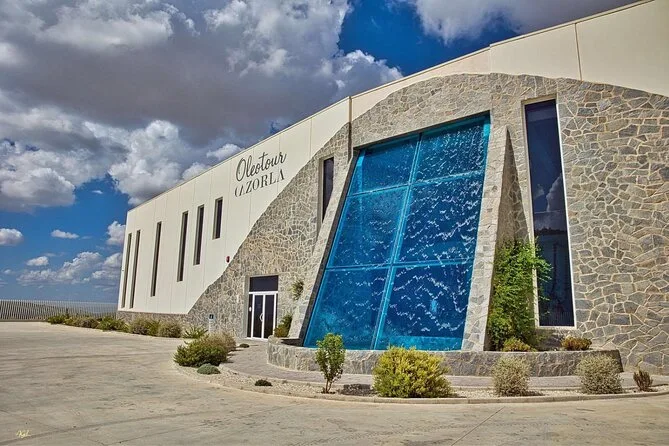
You’ll step into one of Spain’s biggest olive oil factories near Cazorla for a hands-on tour—exploring old mills, wandering gardens full of native plants, and tasting at least three fresh extra virgin olive oils with expert tips from your local guide. Expect laughter, small surprises, and a new way to judge every bottle you see after this day.
 2h–2h 30m

Step-by-step itinerary
Olive oil culture and factory tour
- Learn olive tree culture
- Understand history and culture
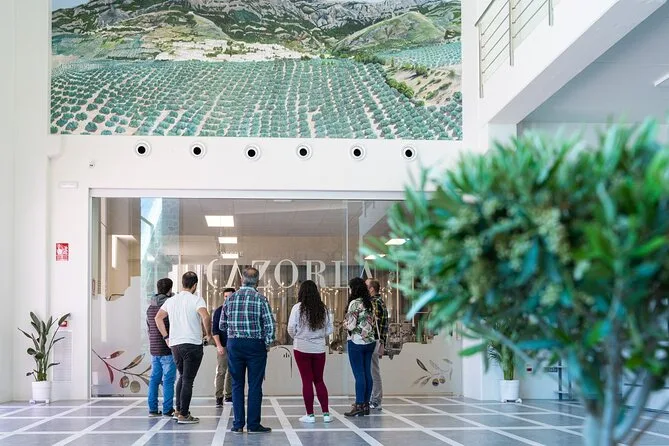
- Visit reception patios
- Explore Designation of Origin building
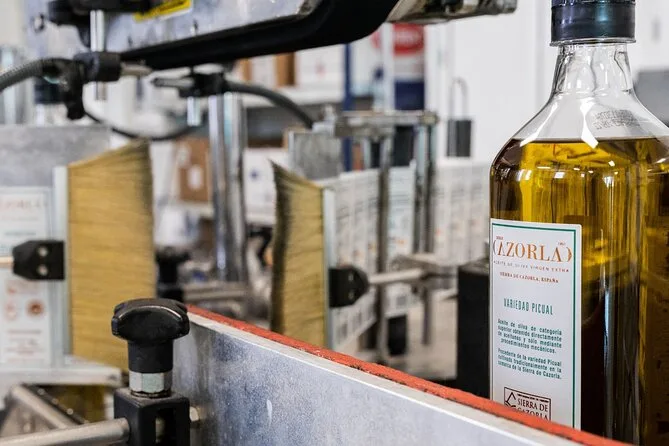
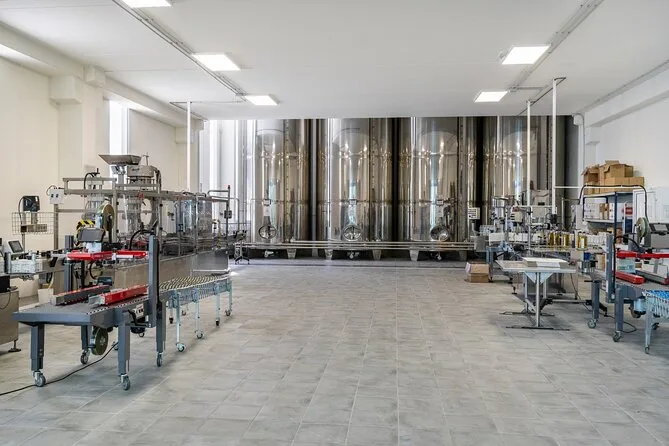
- Tour packaging plant
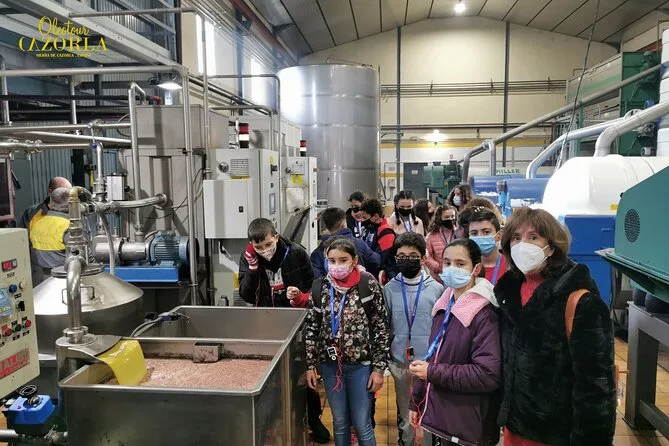
- See Museum and Oil Mill
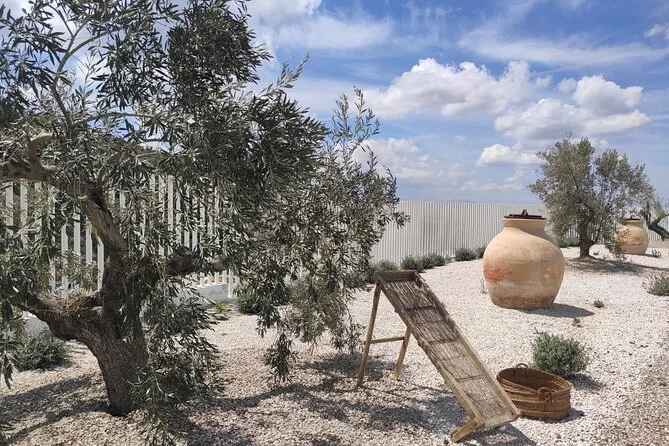
- Walk gardens with native plants
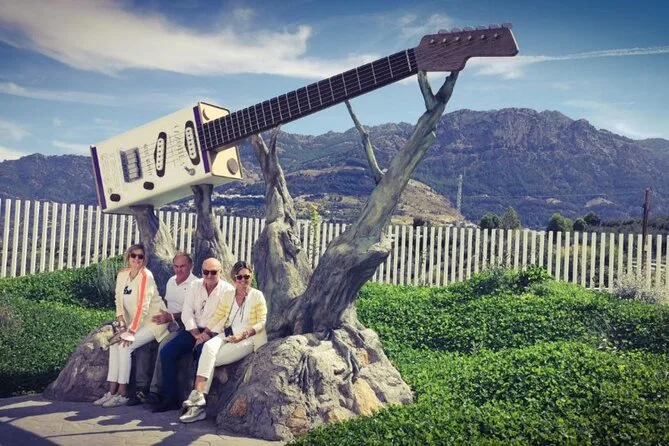
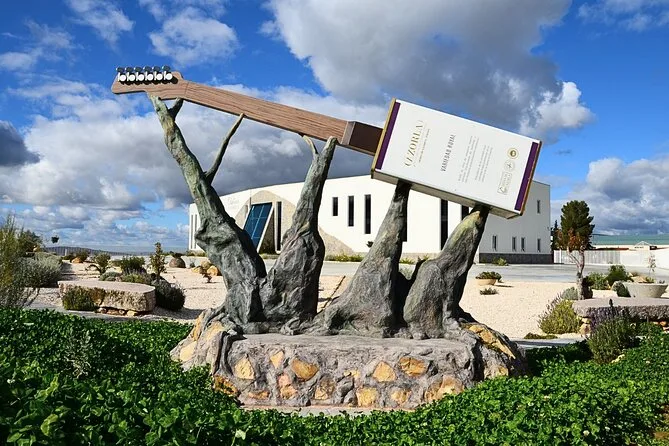
- Take photo at Blues Festival Photocall

The Experience
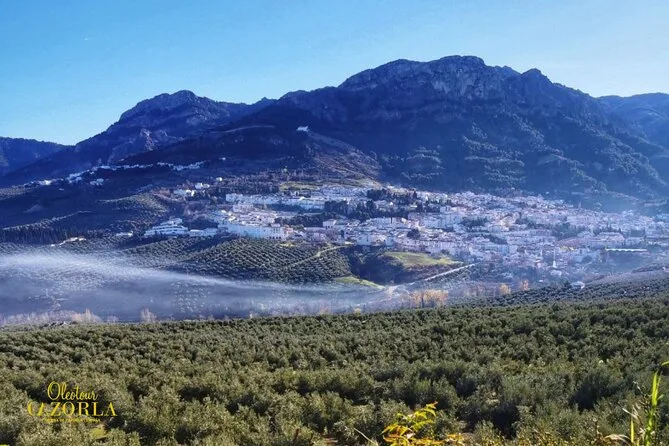
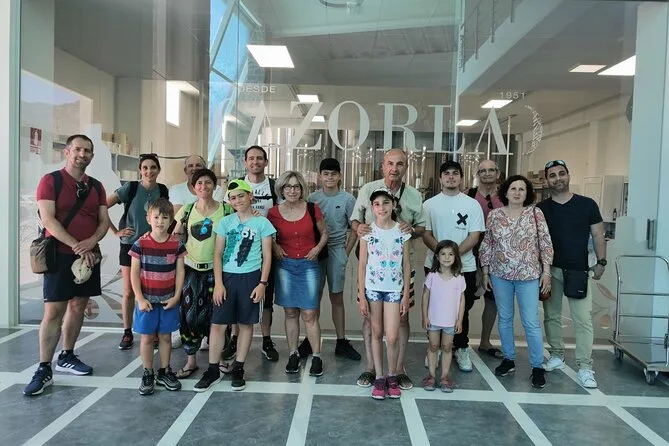
You wake up to green everywhere — honestly, it’s just a sea of olive trees rolling out beneath the Sierra de Cazorla. I still remember the faint peppery smell in the air as we walked up to the factory gates. Our guide, Juan, waved us over with a grin and immediately started talking about how his grandfather used to harvest olives by hand. He had this way of making you feel like you’d known him for ages, even though we’d just met. The place was buzzing with quiet energy — forklifts somewhere in the background, a couple of workers laughing near the receiving yard. I’d never realized how much work goes into a bottle of olive oil.
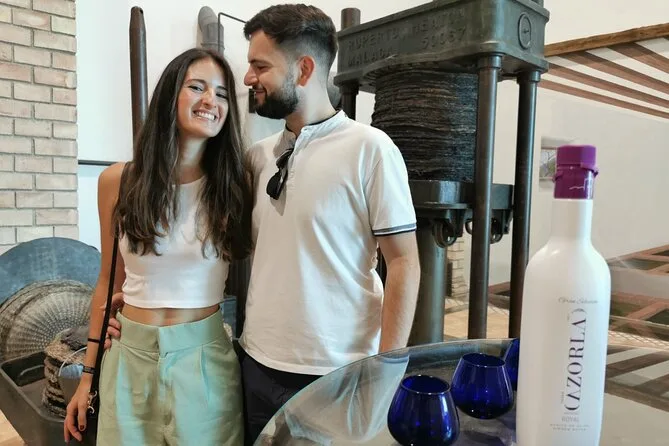
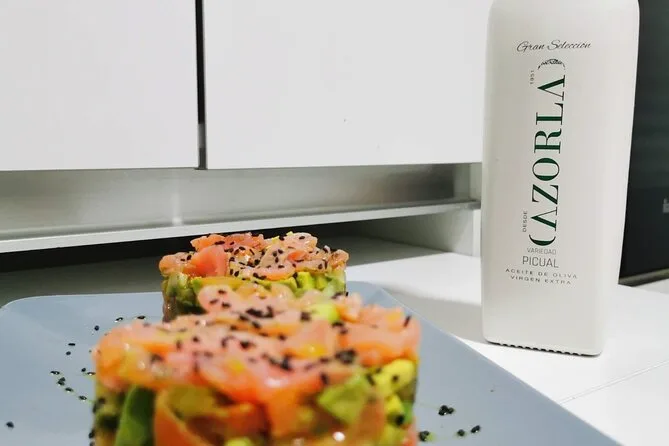
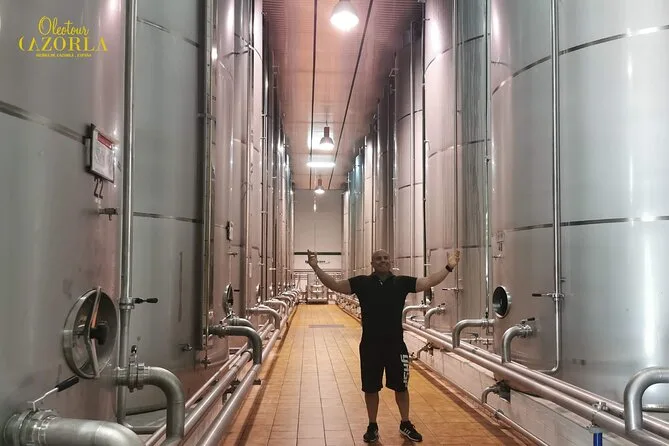
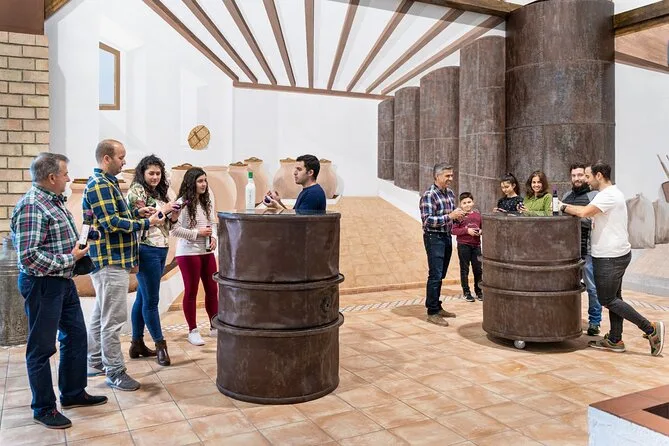
We wandered through the packaging plant (it’s massive), and Juan pointed out all these little details — why some oils get that special label, what “extra virgin” actually means (not just marketing). There was this old stone mill tucked away in their museum part; you could still smell a hint of last season’s press if you leaned close enough. The garden outside was full of wild herbs and more types of olives than I thought existed — apparently over sixty varieties? At one point I tried to pronounce “picual” correctly and Juan just laughed. My accent needs work.
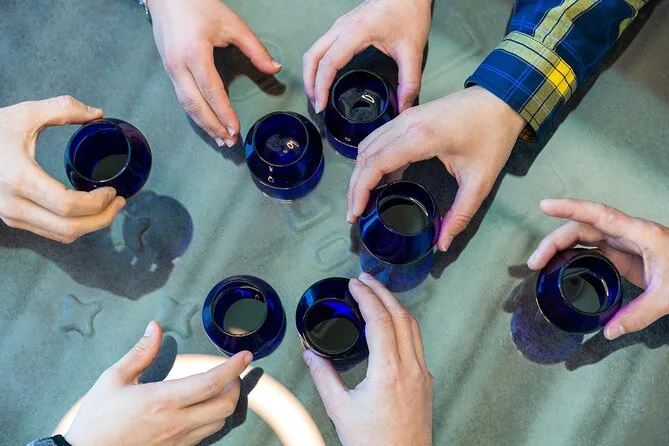
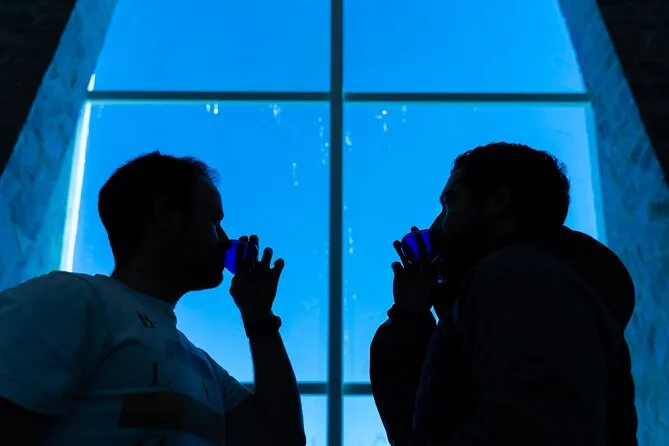
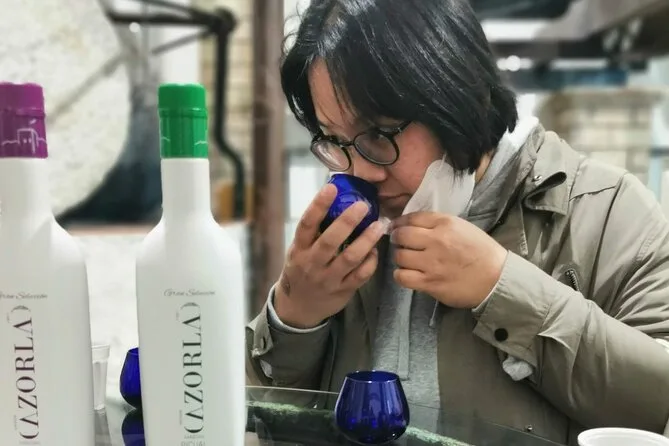
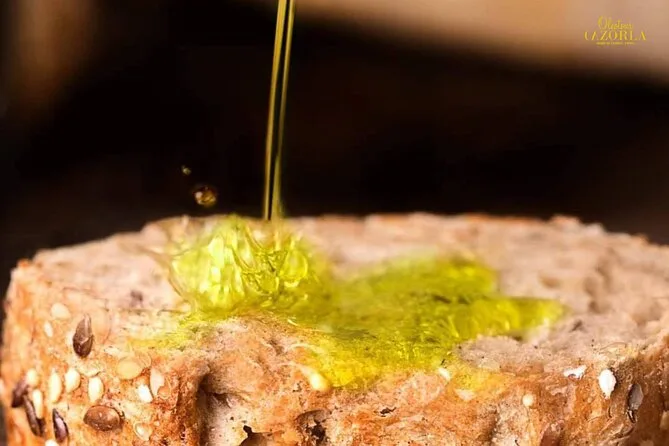
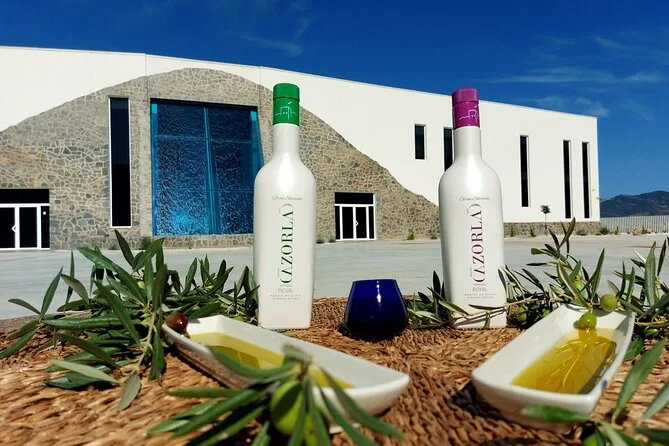
The tasting itself surprised me. Three different extra virgin olive oils lined up with little bread cubes, and each one tasted so different — grassy, sharp, almost fruity. Someone asked about supermarket brands and Juan didn’t hold back; he showed us how to read labels so we wouldn’t get tricked again. It felt less like a lecture and more like getting let in on a family secret. I keep thinking about that moment when everyone went quiet after tasting the first oil — just kind of taking it in together.

What’s included
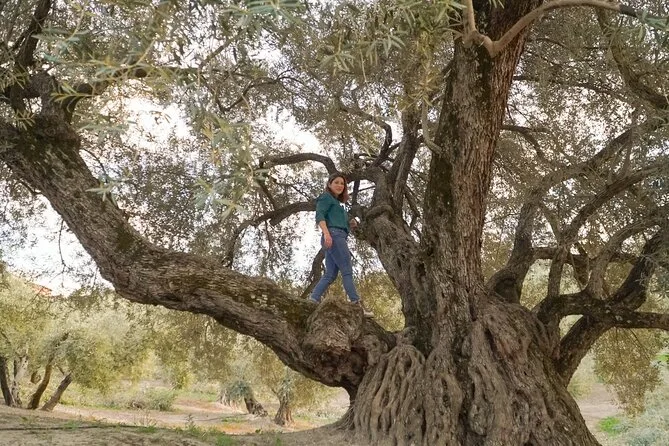
Your day includes guided access through one of Spain’s largest olive oil factories near Cazorla—covering everything from the receiving yard and packaging area to their early 20th-century museum mill—plus an optional stop at their monumental olive tree, time in gardens with dozens of native plants, and a tasting session featuring at least three extra virgin olive oils.
Operated by OLEOTOUR CAZORLA, CENTRO TEMÁTICO
Traveler reviews
Compare the 6 similar options
 Cazorla: Olive Oil Factory Tour & Tasting with Local Guide★ 4.96 (192)2h–2h 30mEN · FR +1€ 20
 Pulpí: Olive Oil Farm Tour & EVOO Tasting with Local FlavorsFollow the scent of fresh olives in Pulpí, tour a working farm, taste premium EVOO with local bread, and share stories with passionate guides. Includes tasting & local products.★ 4.96 (200)1h 30mEN · ES€ 16View ›
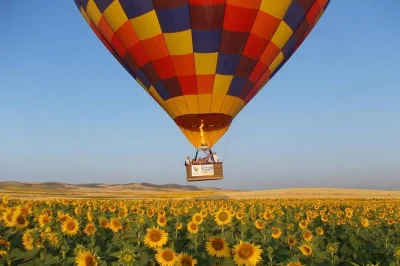 Seville Hot-Air Balloon Ride & Breakfast with CavaHot-air balloon flight over Andalucia countryside from Seville at sunrise. Includes breakfast, champagne, hotel pickup and flight certificate. Shared basket, 6+ years.★ 4.92 (190)5h–6hEN · ES€ 235View ›
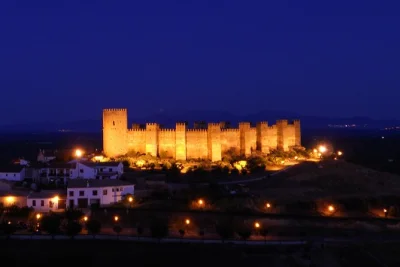 Guided Tour Baños de la Encina Castle: 45-min Almohad FortressGuided tour of Castillo de Baños de la Encina in Andalucia covering 12th-century Almohad history, excavations and Muslim castle heritage. 45 minutes.★ 4.54 (69)45mES€ 6.50View ›
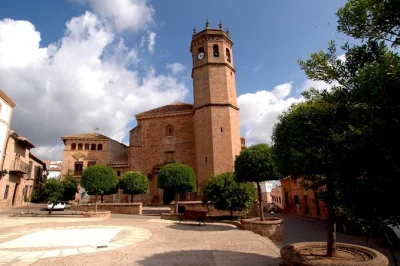 Baños de la Encina: Castle, Church & Baroque Tour with GuideExplore Baños de la Encina’s castle, San Mateo church, and a hidden baroque dressing room on a guided walking tour. Includes local guide and easy access for all ages.★ 4.76 (41)2h–3hES€ 14View ›
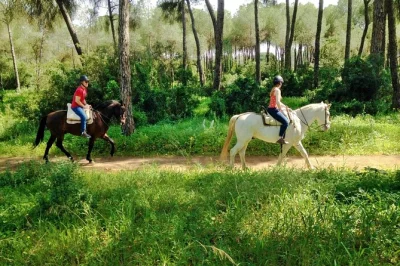 Seville: 2-Hour Horse Riding & Andalusian Ranch Visit2-hour horse riding tour from Seville through pine forests and countryside. Includes hotel pickup, professional guide, helmet and stable visit. Suitable for beginners.★ 4.66 (35)2hEN · ES€ 139View ›
Top questions
Is the Cazorla olive oil factory tour wheelchair accessible?
Yes, all areas and surfaces are wheelchair accessible.
How many olive oils do you taste during the tour?
You’ll taste at least three different extra virgin olive oils.
Is there an option to visit an ancient or monumental olive tree?
Yes, visiting the monumental olive tree is optional during your tour.
Are infants or small children allowed on this tour?
Yes, infants and small children can join using a pram or stroller.
Does the tour include entry to an old oil mill or museum?
Yes, entrance to the early 20th-century museum/oil mill is included from the start.
Will I learn how to choose good quality olive oil?
Yes, your guide will show you how to read labels and pick quality oils.
Are service animals permitted during the visit?
Yes, service animals are allowed throughout the experience.
Cazorla: Olive Oil Factory Tour & Tasting with Local Guide
2h–2h 30m · EN · FR +1
from € 20 per person
★★★★★★★★★★4.96192 reviewsVerified traveler reviews via our booking provider
