
Timisoara: Art Nouveau & Ottoman History Walking Tour
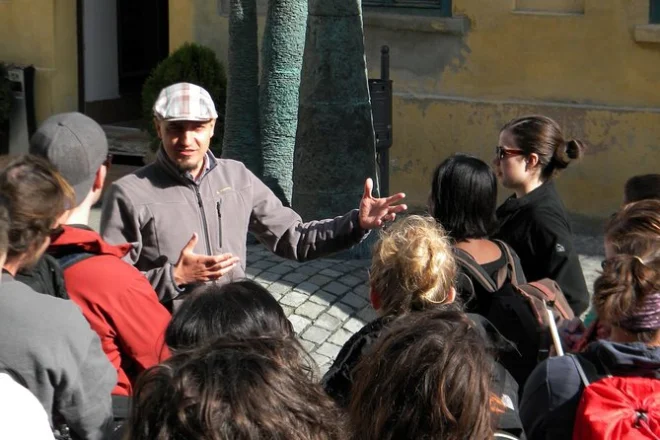

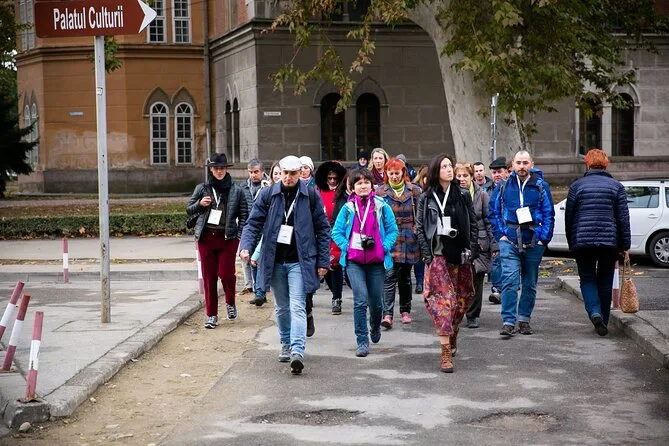
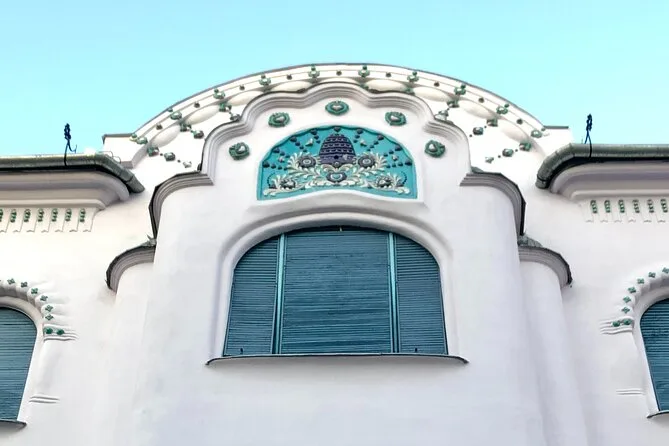
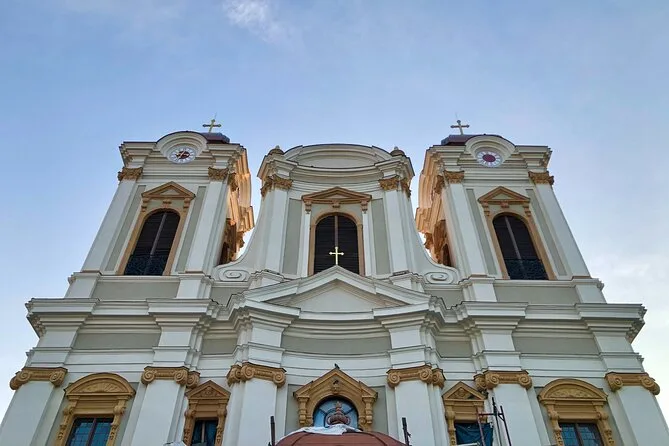
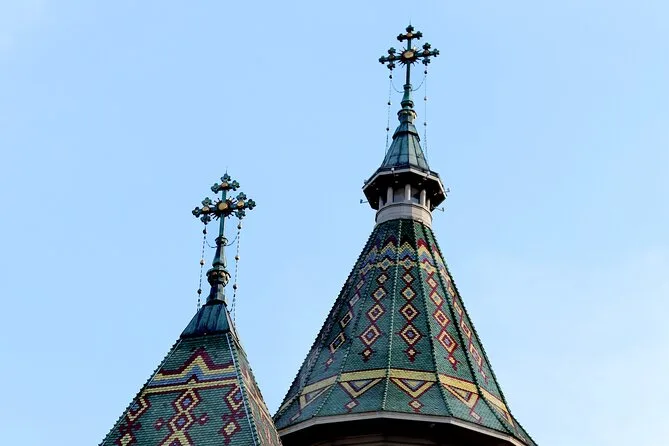

Walking through 500 years of empires in one afternoon
You walk with a professional guide through Timisoara's overlapping histories—Ottoman fortifications, Habsburg administration, Art Nouveau rebuilding, and the layers left by communism and revolution. The guide arranges eight major stops chronologically so the city's story becomes clear instead of scattered. Wheelchair accessible, minimum two people, no transport hassles.
 2h
2h

Step-by-step itinerary
Explore Timisoara's historic landmarks
- Visit Opera House and Mitropolita Cathedral
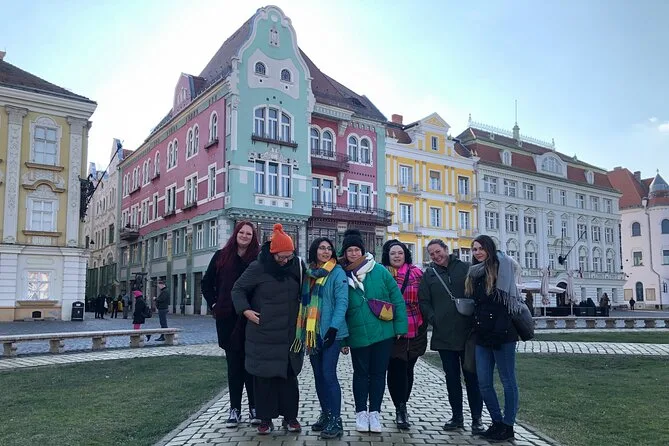
- See Art Nouveau palaces
- Walk through old downtown
- Pass by Timisoara symbol
- Explore 1875 historic building
- Visit old administrative center
- Learn about largest bastion fortification
- Admire beautiful building
- See typical Baroque Cathedral

The Experience
Most city tours start with a map and a list. This one starts with a question: how does a city built on swamps by the Ottomans, fortified by the Habsburgs, and rebuilt in Art Nouveau end up looking like three different places at once? That's what you're actually walking through on this Timisoara tour—not a checklist of sights, but the layers themselves, arranged in order so they make sense.
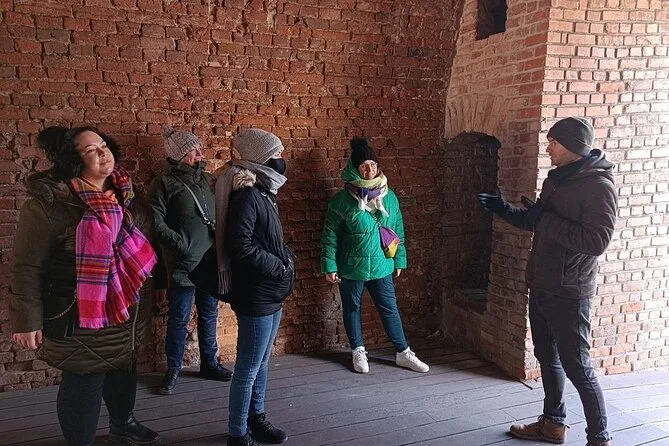
The guide takes you through the defortification of the early 1900s first, when the city tore down its bastions and threw up Art Nouveau palaces instead. You'll see the Opera House, the Mitropolita Cathedral, and the kind of residential buildings that made Timisoara one of the first European cities to have electric light. Then you move into the old downtown—the medieval core—and from there into what used to be the largest of nine bastions, where the guide explains how a fortification of that kind actually worked. It's the kind of detail that makes the stones mean something.
The route also takes in the Baroque cathedral, the old administrative center built mostly in 1700, and one of the most beautiful buildings in the city—the kind of place you'd walk past if you weren't being shown why it matters. A professional guide is with you the whole time, which means you're not reading plaques; you're getting the story of how Mongols, Ottoman sieges, Spanish mercenaries, plague, communism, and the Romanian Revolution all left their mark on the same few blocks. By the end, those alphabetical words from the tour description—tolerance, multiculturalism, oppression, freedom—actually sit in a place on the map.
The tour works for groups of two or more, and it's wheelchair accessible throughout, with public transport nearby if you need it. Strollers and service animals are fine. No fixed duration is listed, but it's structured as a single loop through the city center, so you're not racing or sitting around waiting.

What’s included
- Your tour includes a professional guide leading you through eight major stops in Timisoara's city center—the Opera House, Mitropolita Cathedral, Art Nouveau palaces, the old downtown, a Baroque cathedral, the former administrative center, one of the original nine bastions, and other significant buildings.
- The guide arranges the history chronologically, from Ottoman fortifications through Habsburg administration to Art Nouveau rebuilding and modern times.
- Wheelchair accessible, suitable for all fitness levels, strollers and service animals welcome.
Operated by Timisoara City Tours
Is this one for you?Book this if you want to understand how Timisoara actually fits together—why it looks the way it does, where each layer came from—rather than just seeing the buildings. The professional guide is what makes that possible; without one, you're just walking past stones.
Traveler reviews
More experiences you might like
 Timisoara: Art Nouveau & Ottoman History Walking Tour★ 4.99 (165)2hEN · DE +4US$ 46
 Timisoara: Walking Tour of Main Squares & Ottoman HistoryFeel the layers of Timisoara’s past on a guided walking tour—explore four main squares, hear stories from Ottoman times to 1989, with English-speaking guide included.★ 4.98 (87)2hENUS$ 23View ›
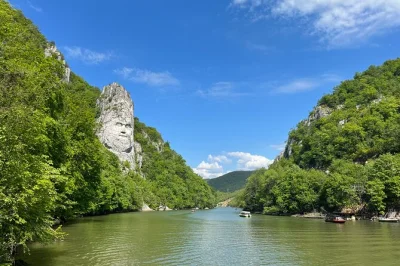 Danube Gorge & Banat Waterfalls Tour from Timisoara with Boat RideFull-day Danube Gorge tour from Timisoara featuring a motorboat cruise through Europe's narrowest river stretch, waterfall visits.★ 4.81 (32)10h–12hEN · DE +3US$ 172View ›
Top questions
Is the tour wheelchair accessible?
Yes, it's fully wheelchair accessible. Public transportation options are available nearby if needed.
Can I bring a stroller or service animal?
Yes, infants and small children can ride in a pram or stroller, and service animals are allowed.
What's the minimum group size?
A minimum of 2 people per booking is required.
Do I need to be fit to do this tour?
It's suitable for all physical fitness levels.
Is a guide included?
Yes, a professional guide is included with the tour.
What are the main stops on the tour?
The tour covers the Opera House, Mitropolita Cathedral, Art Nouveau palaces, the old downtown, a Baroque cathedral, the old administrative center, a former bastion, and other significant buildings in the city center.
Can children go on this tour?
Yes, children are welcome but must be accompanied by an adult.
Timisoara: Art Nouveau & Ottoman History Walking Tour
2h · EN · DE +4
from US$ 46 per person
★★★★★★★★★★4.99165 reviewsVerified traveler reviews via our booking provider
